Did Diana Ross Have a Glass Eye? Clarifying the Motown Legend’s Health History
No, Diana Ross does not have a glass eye. Throughout her legendary career spanning over six decades, there has been no medical record, biographical entry, or credible report suggesting she uses a prosthetic eye. Both of her eyes are na...
No, Diana Ross does not have a glass eye. Throughout her legendary career spanning over six decades, there has been no medical record, biographical entry, or credible report suggesting she uses a prosthetic eye. Both of her eyes are natural, and any perceived irregularities are typically attributed to stage lighting, makeup techniques, or photographic artifacts.
Contents
For decades, fans and curious observers have questioned the physical characteristics of the world’s most famous "Supreme." Among the various myths that surround Motown royalty, the "glass eye" rumor is one of the most persistent. As we look back from the perspective of 2026, analyzing high-definition archival footage and her long history in the public eye, it is essential to dismantle the origin of this misconception and provide a fact-based clarification of Diana Ross's health history.
The Origins of the Diana Ross Glass Eye Myth
The rumor that Diana Ross has a glass eye is an urban legend that likely originated during the height of her solo career in the 1970s and 1980s. During this era, variety shows and televised concerts utilized heavy analog lighting and early video camera technology. These technical factors often created visual anomalies that viewers misinterpreted.
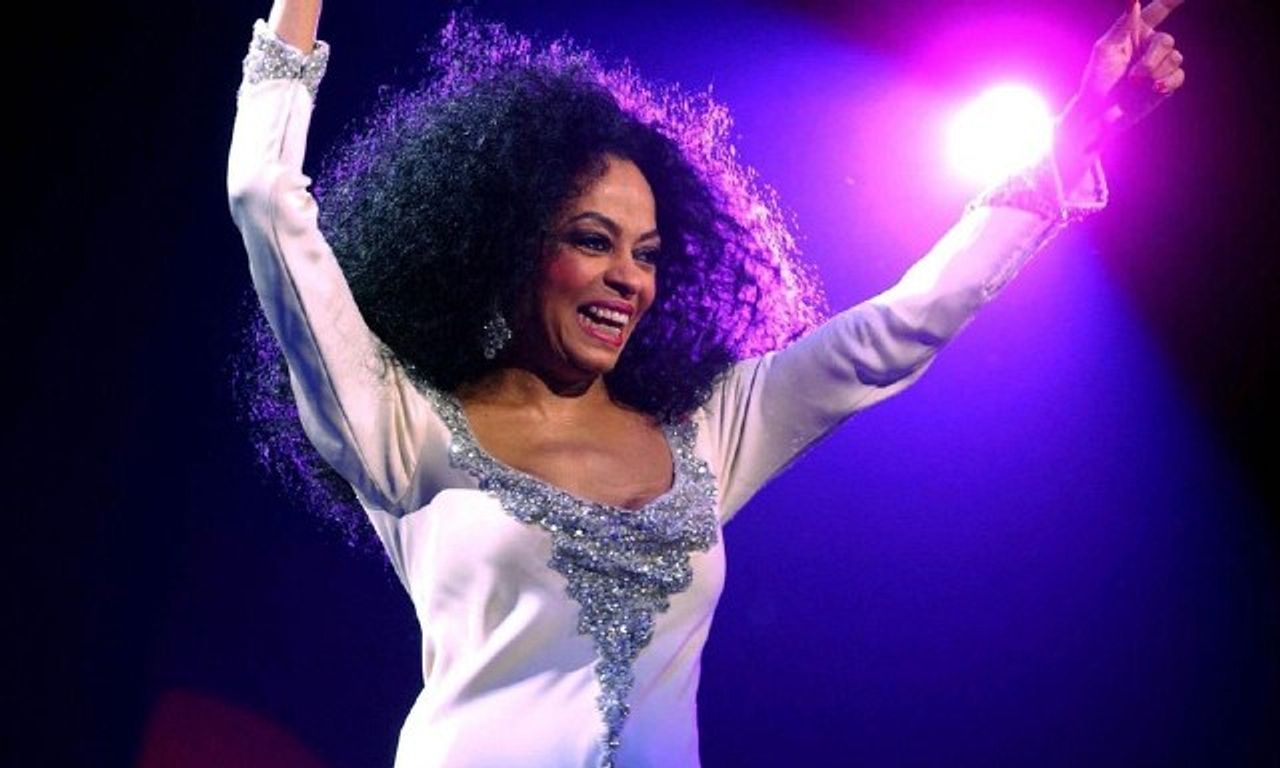
One primary reason for the rumor is the "glare" or "reflective" quality of her eyes during intense performances. Diana Ross is known for her wide-eyed, expressive stage presence. When a performer stands under high-intensity spotlights, the light reflects off the cornea. In the lower resolution of 20th-century television, this reflection could sometimes appear as a static or "glassy" sheen, leading some to believe they were seeing a prosthetic.
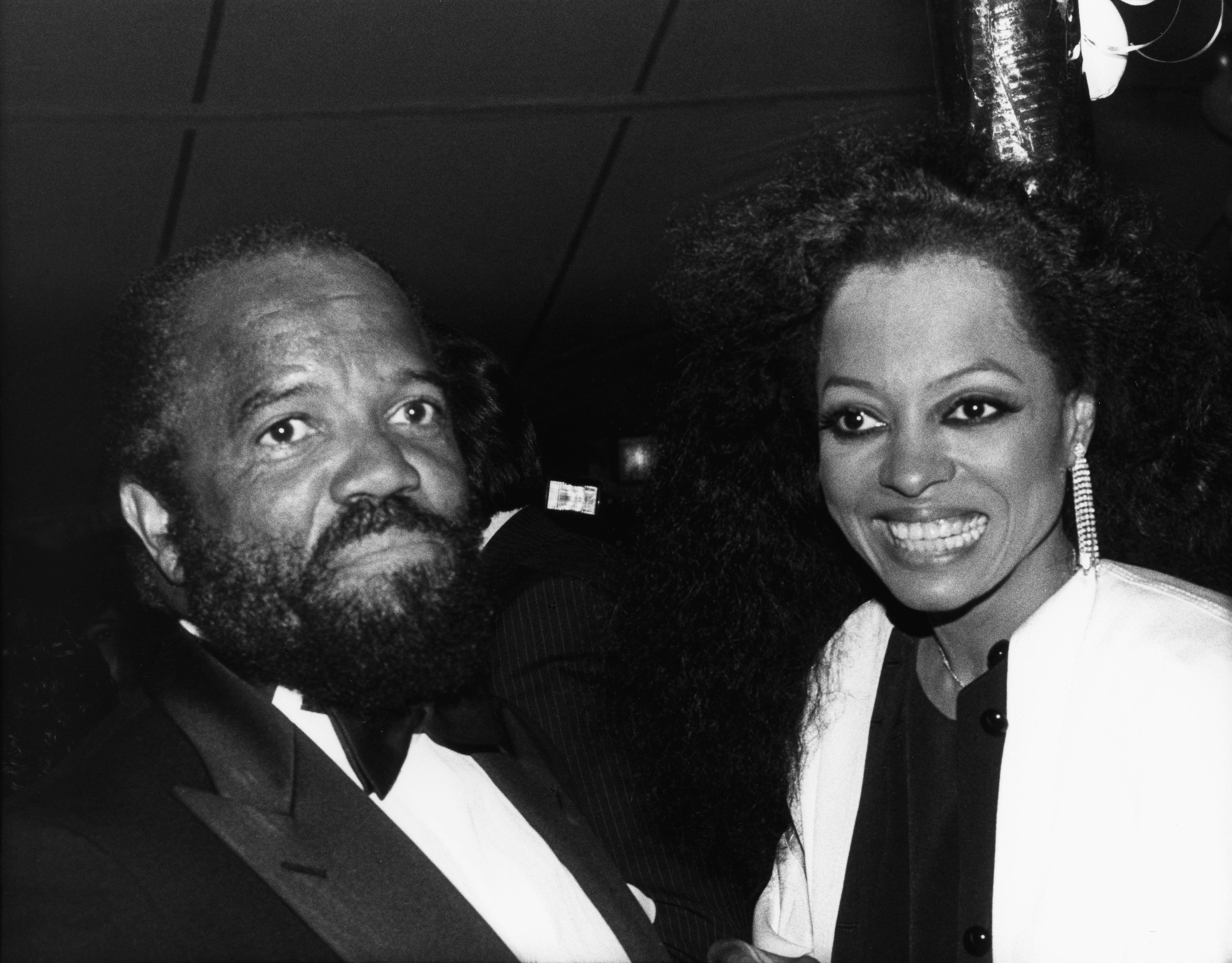
Furthermore, the Motown aesthetic heavily favored dramatic eye makeup. Ross frequently wore thick, voluminous false eyelashes and heavy eyeliner to emphasize her features for the back rows of theaters. Under certain angles, these lashes cast deep shadows over the iris or sclera, which can create the illusion of a prosthetic eye in still photographs or freeze-framed video.
Disambiguation: Confusion with Other Celebrities
In the world of celebrity trivia, it is common for the public to conflate the health histories of famous contemporaries. The myth regarding Diana Ross may have gained traction because several of her high-profile peers actually did have prosthetic eyes or visible eye conditions.
- Sammy Davis Jr.: A close contemporary and fellow entertainment icon, Sammy Davis Jr. famously lost his left eye in a car accident in 1954 and wore a glass eye for the rest of his career. Because both were prominent figures in the same entertainment circles, some fans mistakenly transferred this fact to Ross.
- Sandy Duncan: The actress known for The Hogan Family and Peter Pan suffered from a tumor behind her left eye in the 1970s. While she did not receive a glass eye (she retained her natural eye but lost vision in it), the public conversation surrounding her "eye issue" was frequent during the same years Ross was dominating the charts.
- Peter Falk: The Columbo star famously had a glass eye from the age of three due to a retinoblastoma.
When searching for "celebrity with a glass eye" in historical archives, these names frequently appear alongside Ross in unrelated lists, which can lead to "search engine bleed," where the brain associates the names regardless of the factual connection.
The Role of Stage Makeup and Cosmetic Choices
Diana Ross’s signature look—characterized by "big hair" and even bigger lashes—played a significant role in her visual identity. In professional cosmetology, the application of "doe-eye" makeup is designed to make the eyes appear larger and more luminous.
By applying white eyeliner to the water line and using high-gloss eyeshadows, Ross’s eyes often reflected more light than the average person's. This luminosity is a sign of healthy ocular moisture, yet to an untrained eye viewing a grainy 1980s broadcast, it can be mistaken for the unnatural shine of glass or acrylic.
In her 1993 memoir, Secrets of a Sparrow, Ross discusses her fashion and beauty choices at length. She notes the importance of her "look" in conveying emotion to her audience. At no point in her autobiography, nor in any authorized biography such as J. Randy Taraborrelli’s Diana Ross: A Biography, is there any mention of ocular surgery, trauma, or the use of a prosthetic.
Health and Longevity: Diana Ross in 2026
As of 2026, Diana Ross remains a symbol of longevity in the music industry. Her continued ability to perform live well into her 80s is a testament to her overall health. Maintaining a prosthetic eye requires specific ocular hygiene and occasional surgical adjustments to the socket over decades. There has never been a period in her career where she took a hiatus that aligned with the recovery time required for such procedures.
Furthermore, with the advent of 4K and 8K digital restoration of classic performances (such as her famous 1983 Central Park concert), the clarity of her features is more visible than ever. Digital forensics and high-resolution scans show natural pupillary response and synchronous movement in both eyes—something that was much harder to achieve with prosthetic technology during the 20th century.
Comparing Ocular Facts of Era Contemporaries
To better understand why this rumor persists, it is helpful to compare Ross with other figures of her era who had documented ocular conditions.
| Personality | Documented Status | Cause | Visible Effect |
|---|---|---|---|
| Diana Ross | Natural Eyes | N/A | High reflectivity due to stage lights and makeup. |
| Sammy Davis Jr. | Prosthetic (Left) | 1954 Auto Accident | Fixed gaze in the left eye; sometimes covered with tinted glasses. |
| Sandy Duncan | Natural (Blind in one) | Optic nerve tumor | Occasional slight misalignment (strabismus). |
| Peter Falk | Prosthetic (Right) | Retinoblastoma (Age 3) | Distinctive "squint" that became his trademark. |
| Thom Yorke | Natural (Paralyzed ptosis) | Birth complication/Surgery | Drooping left eyelid. |
The Impact of Digital Misinformation
In the digital age, and continuing into 2026, rumors often gain a second life through social media "fact" threads and "Mandela Effect" discussions. The Diana Ross glass eye rumor is a classic example of a "zombie myth"—a claim that has been debunked but continues to resurface because it is intriguing.
The "Mandela Effect" describes a phenomenon where a large group of people remembers something differently than how it occurred. Some individuals may "remember" hearing about her eye in a tabloid or seeing a specific interview. However, when these claims are cross-referenced with newspaper archives and video databases, no such evidence exists. The human memory is highly fallible, especially when influenced by the repetitive nature of internet search suggestions.
Frequently Asked Questions
Why do some people believe Diana Ross has a glass eye?
The belief stems from a combination of harsh stage lighting in the 1970s, highly reflective eye makeup, and the occasional visual glare captured on low-resolution analog film. These factors can make a natural eye appear to have the static shine associated with a prosthetic.
Has Diana Ross ever responded to this rumor?
Diana Ross has generally ignored the glass eye rumors, focusing instead on her music and public performances. Her lack of a response is typical of her professional "diva" persona, where she prefers to maintain a level of mystique and focus on her artistry rather than tabloid speculation.
Are there any photos that prove she doesn't have a glass eye?
High-resolution photography from the 1960s to the present day shows consistent pupillary dilation and contraction in both eyes. A prosthetic eye does not change pupil size in response to light. Close-up shots from her numerous film roles, such as Lady Sings the Blues (1972) and Mahogany (1975), clearly show natural ocular movement.
Did she lose an eye in an accident?
There is no record of Diana Ross being involved in any accident that resulted in facial or ocular trauma. Her medical history, while private, has never included the long-term specialized care associated with an orbital prosthetic.
Is it possible she wears a prosthetic for cosmetic reasons?
While some people wear colored contact lenses or cosmetic shells, a full "glass eye" (ocular prosthesis) is a medical necessity following the removal of an eye (enucleation). It is not a cosmetic accessory. There is no evidence Ross has ever required such a device.
Final Clarification and Recommendations
When evaluating celebrity health claims, it is vital to rely on primary sources: medical records (when public), authorized biographies, and high-quality visual evidence. In the case of Diana Ross, the evidence overwhelmingly supports the fact that she has two natural, healthy eyes. The "glass eye" narrative is a byproduct of the technical limitations of 20th-century media and the public's tendency to conflate the stories of different celebrities.
For those interested in the authentic history of the Motown era, we recommend visiting the Motown Museum archives or reviewing her filmography in high-definition formats. These sources provide a clear, unobstructed view of the artist’s life and physical appearance, free from the distortions of early television broadcasts.
Image Gallery