Does Mexico Have Credit Scores? Understanding the Mexican Credit System in 2026
Mexico utilizes a sophisticated credit scoring system managed by private institutions known as Sociedades de Información Crediticia (SICs). The primary bureaus, Buró de Crédito and Círculo de Crédito, track payment histories and genera...
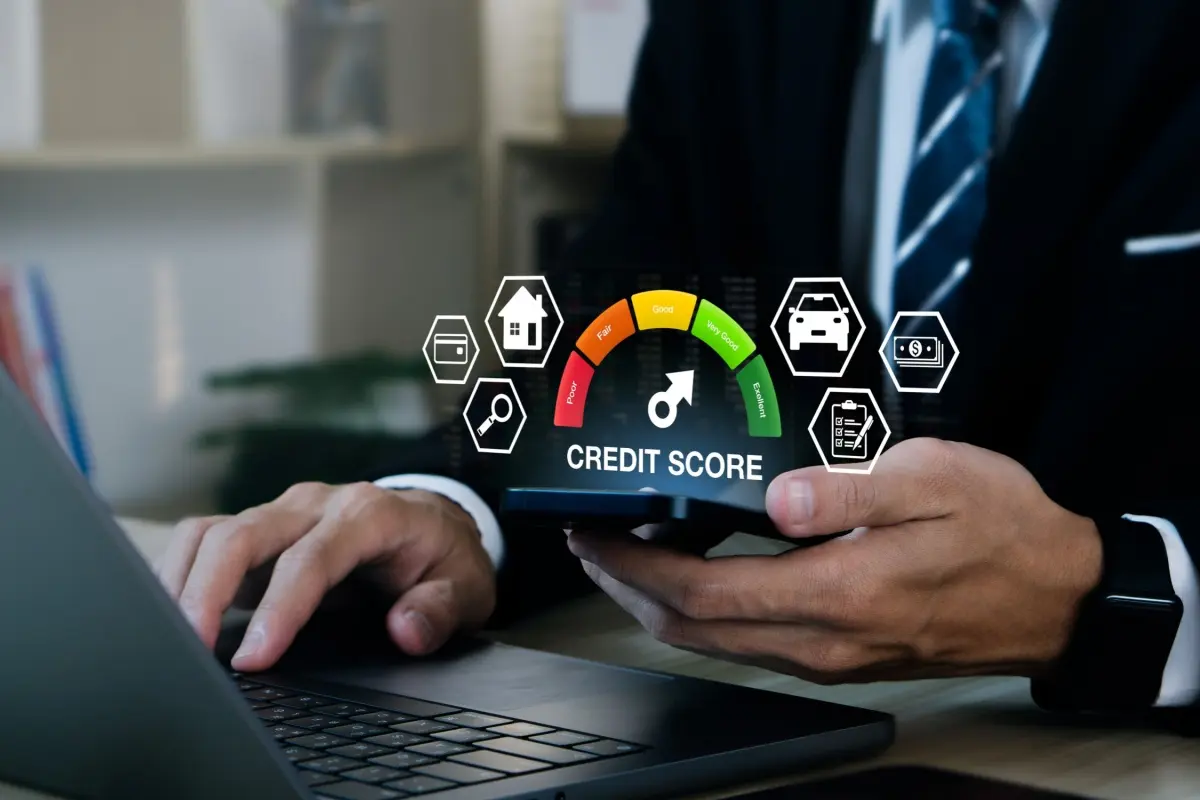
Mexico utilizes a sophisticated credit scoring system managed by private institutions known as Sociedades de Información Crediticia (SICs). The primary bureaus, Buró de Crédito and Círculo de Crédito, track payment histories and generate "Mi Score," a numerical value ranging from 300 to 850, allowing lenders to assess the creditworthiness of individuals and businesses.
Contents
Contrary to the common misconception that credit scores are a uniquely North American or European phenomenon, Mexico has operated a highly regulated and centralized credit reporting environment for decades. As of 2026, this system is more integrated than ever with the digital economy, influencing everything from the ability to secure a mortgage in the Riviera Maya to obtaining a post-paid cellular plan in Mexico City. Whether you are a Mexican citizen, a legal resident, or a foreign investor, understanding how the Mexican credit score functions is essential for navigating the nation’s financial landscape.
The Two Pillars of Mexican Credit: Buró vs. Círculo
In Mexico, the term "Buró de Crédito" is often used colloquially to refer to the entire credit system, but it is actually a specific private company. Under the Ley para Regular las Sociedades de Información Crediticia, two major entities dominate the market.
Buró de Crédito
Formally known as Trans Unión de México, S.A. (for individuals) and Dun & Bradstreet S.A. (for businesses), Buró de Crédito is the oldest and most prominent SIC in the country. It aggregates data from traditional banks (Banca Múltiple), such as BBVA, Santander, and Banamex. If you have ever held a traditional credit card or a car loan from a major bank, your data is almost certainly housed here.
Círculo de Crédito
Círculo de Crédito emerged as a major competitor and has grown significantly by partnering with non-bank financial institutions, department stores (such as Coppel and Elektra), and fintech platforms. By 2026, Círculo de Crédito has become particularly relevant for the unbanked or underbanked populations, as it often captures alternative credit data that traditional banks might overlook.
Both institutions share information and are regulated by the Comisión Nacional Bancaria y de Valores (CNBV) and the Secretaría de Hacienda y Crédito Público (SHCP). While they operate independently, the scores they generate are based on similar mathematical models and offer a comprehensive view of a consumer's financial reliability.
Understanding "Mi Score": The Numerical Value
The Mexican credit score, specifically branded as Mi Score by Buró de Crédito, is a three-digit number that summarizes your credit report at a specific point in time. While your Reporte de Crédito Especial (the detailed history) shows every payment made or missed, the score provides a "shorthand" for lenders.
The Scoring Range
As of 2026, the scoring tiers generally follow this breakdown:
- 300 – 550 (Non-satisfactory): Indicates high risk. Borrowers in this range will likely face rejections or be forced to accept extremely high interest rates from subprime lenders.
- 550 – 650 (Regular): Suggests some history of late payments or high credit utilization. Access to credit is possible but typically limited to secured cards or higher-interest loans.
- 650 – 750 (Good): This is the target for most consumers. It grants access to standard credit cards, personal loans, and competitive auto financing.
- 750 – 850 (Excellent): This tier represents the lowest risk. Borrowers here qualify for the lowest available interest rates on mortgages and premium credit products.
Factors That Influence the Score
The algorithms used by SICs are proprietary, but they prioritize the following data points:
- Payment History: This is the most significant factor. Even a single 30-day delinquency can cause a sharp drop in the score.
- Credit Utilization: The ratio of your current balances to your total credit limits. Ideally, this should be kept below 30%.
- Length of Credit History: Older accounts provide more evidence of long-term stability.
- Inquiries: Every time you apply for a new loan, a "hard pull" occurs. Too many inquiries in a short period suggest financial distress.
- Types of Credit: A healthy mix of revolving credit (cards) and installment loans (mortgages) is viewed favorably.
How to Access Your Credit Report in Mexico
Under Mexican law, every consumer is entitled to one free Reporte de Crédito Especial (RCE) every 12 months, provided it is delivered via email or collected at the bureau's office. If you require additional reports within the same year or wish to see your numerical "Mi Score," a small fee is applied.
Requirements for Identification
To request your report, you must provide specific identifiers:
- CURP (Clave Única de Registro de Población): The unique population registry code.
- RFC (Registro Federal de Contribuyentes): Your tax ID number.
- Personal Information: Full name, date of birth, and current address.
- Financial Verification: To prevent identity theft, the system will ask if you currently hold a credit card, a mortgage, or an auto loan. You must provide the last four digits of the account and the credit limit/original loan amount.
For expats living in Mexico on a Residente Temporal or Residente Permanente visa, the process is the same, but it is crucial that the information provided to the bank matches the information on your migratory documents exactly. Discrepancies in how an RFC is recorded (with or without the homoclave) are a common reason for failed report requests.
The Myth of the "Blacklist"
One of the most persistent cultural misunderstandings in Mexico is the belief that "being in the Buró" is a punishment. In reality, anyone who has ever had a credit card, a post-paid cell phone plan (Telcel, AT&T), or a department store account (Liverpool, Palacio de Hierro) is "in the Buró."
The report acts as a financial resume. Being in the Buró with a history of on-time payments is the only way to build the trust necessary for large-scale borrowing. Problems only arise when the report shows Claves de Prevención (warning codes) or a history of Quitas. A Quita is a partial payment agreement where the lender forgives part of the debt. While this clears the balance, it leaves a permanent mark on the credit report for several years, signaling to future lenders that the borrower did not fulfill the original contract.
Comparing Mexico's System with International Standards
For those familiar with the U.S. FICO system or the Canadian Equifax/TransUnion models, the Mexican system will feel very familiar. However, there are key differences in how data is shared and how history is purged.
| Feature | Mexico (SICs) | United States (FICO/Vantage) |
|---|---|---|
| Primary Entities | Buró de Crédito, Círculo de Crédito | Equifax, Experian, TransUnion |
| Score Range | 300 – 850 | 300 – 850 |
| Non-Bank Data | High (Utilities, Dept. Stores) | Growing (Rent, Utilities via Opt-in) |
| Legal Right | 1 Free Report per year | 1 Free Report per week (standardized) |
| Identity Link | CURP and RFC | Social Security Number (SSN) |
| Debt Purging | 6 years for most debts | 7 years for most debts |
As of 2026, there is still no seamless "credit portability" between the US/Canada and Mexico. If you move to Mexico with a 10-year history of a 800-point FICO score, Mexican banks will generally not be able to see that data. You must start from scratch within the Mexican SICs to build a local score.
Strategies for Building Credit in Mexico
If you are new to the Mexican financial system or are recovering from a period of financial instability, building a score requires a tactical approach.
- Start with a Secured Card (Tarjeta Garantizada): Several banks and fintechs now offer cards where your credit limit is equal to a deposit you provide. These report to the SICs and are the fastest way to establish a baseline.
- Use Fintech Options: Companies like Nu, Stori, and RappiCard have revolutionized credit access in Mexico. They often have lower entry requirements than traditional banks like Banamex or BBVA.
- Department Store Credit: Cards from stores like Liverpool or Sears México are often easier to obtain than bank-issued Visas or Mastercards. They report to the Buró de Crédito and help build history.
- Service Contracts: Putting a monthly internet bill (Izzi, Totalplay) or a post-paid mobile plan in your name and paying it religiously provides consistent positive data points.
- Small Personal Loans: Fintech platforms like Kueski or YoTePresto offer small, short-term loans that, when paid on time, demonstrate reliability.
Resolving Errors and Disputes
Errors on credit reports are not uncommon. A debt may be marked as unpaid when it was settled, or identity theft may lead to fraudulent accounts. In Mexico, the CONDUSEF (Comisión Nacional para la Protección y Defensa de los Usuarios de Servicios Financieros) acts as the mediator.
If you find an error, you must first file a dispute directly with the SIC (Buró or Círculo). They have 29 days to investigate with the financial institution. If the institution does not respond or the resolution is unsatisfactory, you can escalate the claim to CONDUSEF. By 2026, most of this process can be handled through digital portals, though complex cases may still require a physical visit to a CONDUSEF delegation.
FAQs About Mexican Credit Scores
Does checking my own score lower it?
No. Checking your own Reporte de Crédito Especial is considered a "soft inquiry" and has no impact on your score. Only "hard inquiries" performed by lenders when you apply for new credit can marginally lower your score.
How long does negative information stay on my Mexican credit report?
Most negative information is automatically removed after six years, provided the debt is not under active litigation or involves significant fraud. Smaller debts (under a certain amount of UDIs, or Unidades de Inversión) may be removed sooner, sometimes in as little as one to four years.
Can I get a Mexican credit score if I don't have an RFC?
Technically, no. The RFC (and often the CURP) serves as the primary anchor for your financial identity in Mexico. Without these, a credit bureau cannot accurately aggregate your data or distinguish you from others with similar names.
Do utilities like water and electricity report to the Buró?
Generally, no. Most municipal water and state electricity (CFE) bills do not report monthly payment history to the SICs. However, if a utility bill goes into serious default and is sold to a collection agency, that agency may report the default.
Can a foreign credit history help me get a loan in Mexico?
While most Mexican banks do not have the technical infrastructure to pull a U.S. or Canadian report during a standard application, some international banks (like HSBC or Scotiabank) may occasionally consider foreign history for high-net-worth clients or specific mortgage products. However, this is the exception, not the rule.
Practical Recommendation for 2026
If you plan to live or do business in Mexico, do not wait until you need a loan to check your status. Download the Buró de Crédito app or visit their official website today to request your free annual report. If you have no history, apply for a secured credit card or a basic fintech account immediately. In the Mexican economy of 2026, a healthy "Mi Score" is not just about debt—it is a vital credential that facilitates housing, technology access, and financial peace of mind.
Image Gallery