Comprehensive Guide to U-Haul Rates in 2026: Pricing, Mileage, and Hidden Costs
U-Haul rates in 2026 are structured around a flat daily base fee starting at $19.95 for small equipment, combined with variable mileage charges, fuel costs, and environmental fees. Total expenses depend on whether the move is "In-Town"...
U-Haul rates in 2026 are structured around a flat daily base fee starting at $19.95 for small equipment, combined with variable mileage charges, fuel costs, and environmental fees. Total expenses depend on whether the move is "In-Town" or "One-Way," with local rentals averaging $40–$100 and long-distance moves ranging from $500 to over $4,000 based on equipment size and total distance.
Contents
The pricing structure for U-Haul is designed to be modular, allowing customers to pay only for the equipment size and distance they require. However, navigating the final invoice requires an understanding of how local per-mile charges differ from flat-rate one-way quotes. In 2026, U-Haul remains the primary provider for DIY moving, maintaining a fleet of over 192,000 trucks and 150,000 trailers across North America. This guide analyzes current market rates, mandatory fees, and technical specifications to help you budget accurately for your next move.
The Core Components of a U-Haul Rental Invoice
A U-Haul rate is never just a single number. It is a compilation of fixed and variable costs that vary based on your specific logistics. To calculate an accurate estimate, you must categorize your move into one of two primary billing models: In-Town or One-Way.
In-Town (Local) Rental Billing
For local moves where the equipment is returned to the same location where it was picked up, the rate is calculated using a "Base + Mileage" formula. You are charged a fixed daily rate for the equipment, plus a fee for every mile driven. This is ideal for short-distance apartment moves or transporting large retail purchases.
One-Way (Long-Distance) Rental Billing
One-way moves involve picking up equipment in one city and dropping it off in another. These rates are calculated as a flat package deal. The quote includes a set number of days and a predetermined mileage allowance based on the most direct route between your origin and destination. If you exceed these limits, additional per-day and per-mile fees apply.
2026 Daily Base Rates by Vehicle and Equipment Type
The base rate is the starting point for any U-Haul quote. While these figures have remained relatively stable, 2026 has seen minor adjustments in specific markets to account for higher fleet maintenance and technology integration costs.
| Equipment Type | Vehicle Capacity | 2026 Daily Base Rate (In-Town) | Common Use Case |
|---|---|---|---|
| Pickup Truck | 1,890 lbs payload | $19.95 | Small deliveries, towing |
| Cargo Van | 246 cu. ft. | $19.95 | Studio apartment, small cargo |
| 10' Box Truck | 402 cu. ft. | $19.95 | 1-bedroom apartment |
| 15' Box Truck | 764 cu. ft. | $29.95 | 1-2 bedroom home |
| 17' Box Truck | 865 cu. ft. | $39.95 | 2-bedroom home |
| 20' Box Truck | 1,016 cu. ft. | $39.95 | 2-3 bedroom home |
| 26' Box Truck | 1,611 cu. ft. | $39.95 - $59.95 | 3-4+ bedroom home |
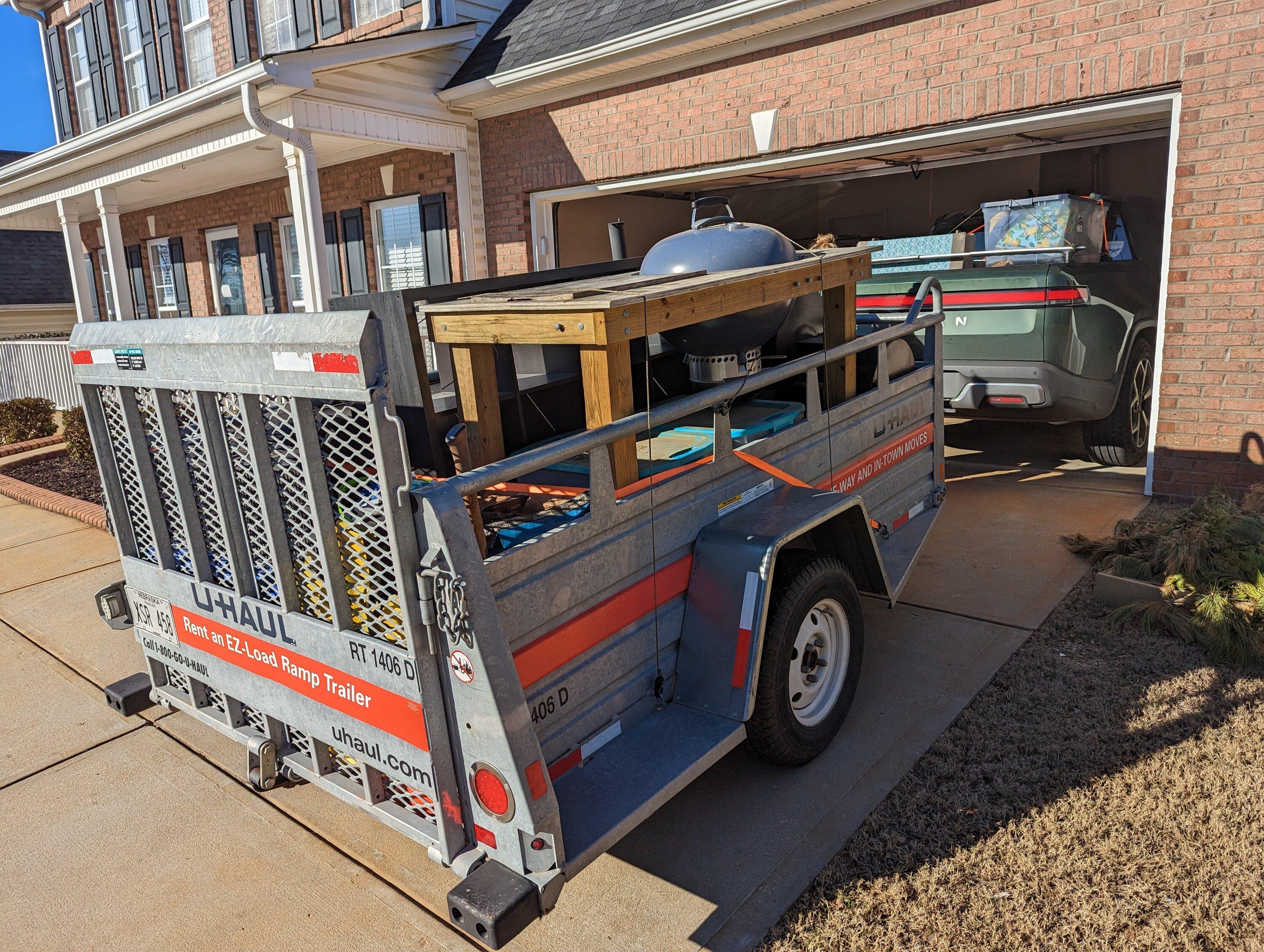
| 4' x 8' Trailer | 142 cu. ft. | $14.95 | Small household items |
| 6' x 12' Trailer | 396 cu. ft. | $29.95 | Multi-room furniture |
Understanding Variable Fees: Mileage and Environmental Charges
The most common source of "sticker shock" for U-Haul customers is the variable mileage rate. Unlike traditional car rentals, U-Haul does not offer unlimited mileage for local box truck rentals.
Mileage Rates and Peak Timing
In 2026, the standard mileage rate for In-Town rentals typically fluctuates between $0.79 and $1.29 per mile. These rates are dynamic and often increase on weekends (Friday–Sunday) and during peak moving season (May–September). For a local move of 30 miles at a rate of $0.99/mile, your mileage cost ($29.70) will actually exceed the base rental price of a 10' truck ($19.95).
Environmental Fees and Taxes
Every U-Haul rental includes a mandatory Environmental Fee. This fee, usually ranging from $1.00 to $5.00, supports the company’s "Green" initiatives, including truck tire recycling and oil disposal programs. Additionally, local sales taxes and stadium/tourist taxes (if applicable in your jurisdiction) are calculated based on the total rental cost, not just the base rate.
Calculating One-Way Move Expenses
One-way rates are significantly higher than local rates because they factor in the logistical cost of equipment redistribution. U-Haul uses an algorithmic pricing model that considers equipment availability at your destination. If you are moving to a city with a high demand for trucks, your rate may be lower than if you are moving to a remote area where U-Haul will have to pay to transport the truck back to a hub.
Technical Insight: The One-Way Package
When you receive a one-way quote, it typically includes:
The Rental Period: Usually 2 to 5 days depending on the distance. Additional days in 2026 are generally billed at $40.00 per day.
The Mileage Allowance: This is calculated based on the shortest distance between zip codes plus a small buffer (typically 10-15%). Additional miles are currently billed at approximately $1.00 per mile.
Drop-off Guarantee: The rate includes the right to return the vehicle to a specific geographic area, though U-Haul reserves the right to change the exact drop-off location to a nearby facility for a small discount or credit.
Insurance Tiers and Financial Protection Plans
U-Haul does not require you to purchase their insurance, but most personal auto insurance policies do not cover "commercial-use" vehicles or trucks over a certain Gross Vehicle Weight Rating (GVWR), which includes most U-Haul box trucks.
- Safemove: Covers the rental truck and the cargo inside. It includes a damage waiver for the vehicle and cargo protection against fire, windstorm, or collision.
- Safemove Plus: Provides all the benefits of Safemove plus $1,000,000 in supplemental liability coverage. This is the only tier that protects you against third-party claims if you are at fault in an accident.
- Safetow: Specific coverage for trailers and the items being towed. This is essential as most towing accidents involve "jackknifing," which is often excluded from standard policies.
Fuel Management and Refilling Requirements
U-Haul operates on a "Return with the Same Level" fuel policy. If you receive the truck with a 1/4 tank, you must return it with a 1/4 tank.
Mandatory Fuel Recovery Fees
If you return a truck with less fuel than specified at pickup, U-Haul will charge a fuel service fee (often $30.00) plus the cost of the missing fuel. In 2026, the internal refueling rate is significantly higher than market gas station prices—often double the local average. It is always more cost-effective to stop at a commercial gas station within five miles of your drop-off location.
Hidden Costs and Accessory Rates
The "U-Haul rate" you see in advertisements often excludes the essential tools needed for a safe move. Budgeting for these items is necessary to avoid day-of-rental price spikes.
- Utility Dollies: $7.00 - $10.00 per day. Necessary for heavy appliances.
- Furniture Pads: $5.00 per half-dozen. Vital for preventing scratches on wood finishes.
- Trailer Hitches and Wiring: If you are renting a trailer, your vehicle must have a compatible hitch. U-Haul sells and installs these, but the cost (typically $150–$400) is a separate capital expense from the rental rate.
- Roadside Assistance: Standard mechanical breakdowns are covered, but "user-error" issues (keys locked in truck, running out of gas, getting stuck in mud) may incur a dispatch fee unless you opted for a protection plan.
How to Minimize Your U-Haul Costs in 2026
To secure the lowest possible U-Haul rate, strategic planning is required. Because the company uses dynamic pricing, the timing of your reservation and the flexibility of your logistics can lead to hundreds of dollars in savings.
- Mid-Month Scheduling: Avoid the first and last three days of the month. Most leases end on the 30th or 1st, causing a massive spike in demand and rates. Moving on the 15th of the month can reduce one-way quotes by as much as 20%.
- Weekday Pickups: Tuesday and Wednesday are historically the lowest-demand days for moving equipment.
- The "In-Town" Loophole: If you are moving 50 miles away, compare the one-way quote against the In-Town rate plus mileage. Sometimes paying the $0.99/mile to drive the truck back to the starting point is cheaper than the high one-way flat fee.
- Equipment Downsizing: If you can fit your belongings into a 15' truck instead of a 20' truck, you save on the base rate and significantly on fuel consumption. Box trucks have aerodynamic profiles similar to bricks; larger trucks face higher wind resistance and lower MPG.
Frequently Asked Questions
Does U-Haul offer unlimited mileage for long-distance moves?
No, U-Haul does not offer unlimited mileage for any box truck rentals. One-way moves include a generous mileage allowance based on your destination, but you will be charged per mile for any distance traveled beyond that limit.
What happens if I return the U-Haul truck late?
Late returns for In-Town rentals are typically billed as an additional full day's rental at the base rate, plus a $40–$50 late fee if the delay interferes with another customer's reservation. For one-way moves, the daily rate for extra days is clearly stated in your contract (usually $40 per day).
Is the $19.95 rate real?
Yes, the $19.95 rate is the real base fee for cargo vans, pickup trucks, and 10' box trucks for local moves. However, this does not include mileage, fuel, insurance, or taxes. Most "19.95" rentals end up costing between $45 and $70 after these variables are added.
Can I tow my own car behind a U-Haul truck?
Yes, U-Haul offers two types of towing equipment: Tow Dollies (front wheels off the ground) and Auto Transports (all four wheels off the ground). Adding these to a one-way truck rental usually costs between $150 and $600 depending on the distance.
Do I need a special driver's license to drive a 26' U-Haul?
No, U-Haul trucks are categorized as commercial-style vehicles but are not classified as Commercial Motor Vehicles (CMVs) requiring a CDL. Any person 18 or older with a standard valid driver's license can legally operate a U-Haul truck in the United States and Canada.
How does U-Haul's 2026 pricing compare to Budget or Penske?
U-Haul generally offers the lowest "In-Town" base rates ($19.95 vs $29.95+ at competitors). However, Penske often offers more competitive rates for long-distance one-way moves and includes free unlimited mileage on those specific contracts, which U-Haul does not.
Final Summary of 2026 Operational Realities
When booking a U-Haul rate, the most critical step is to read the "Rate Details" section of your digital reservation. Ensure the equipment size matches your inventory, as underestimating size leads to multiple trips—effectively doubling your mileage costs. For 2026, always factor in a 15% buffer above your initial quote to account for fuel fluctuations and environmental surcharges. By choosing mid-week dates and returning the vehicle with the correct fuel level, you can maintain the most cost-effective moving budget in the current economy.
Image Gallery