Emma Stone in the 2024 Film Adaptation of Frankenstein: An Analysis of Poor Things
Emma Stone stars as Bella Baxter in the 2024 film adaptation of Frankenstein, which was released internationally and widely analyzed during the 2024 awards season. Directed by Yorgos Lanthimos, the film is a surrealist, imaginative ret...
Emma Stone stars as Bella Baxter in the 2024 film adaptation of Frankenstein, which was released internationally and widely analyzed during the 2024 awards season. Directed by Yorgos Lanthimos, the film is a surrealist, imaginative retelling of Alasdair Gray’s 1992 novel, which serves as a profound reimagining of Mary Shelley’s classic Frankenstein narrative, centering on a woman brought back to life through a radical scientific procedure.
Contents
The Premise: Reimagining the Frankenstein Mythos
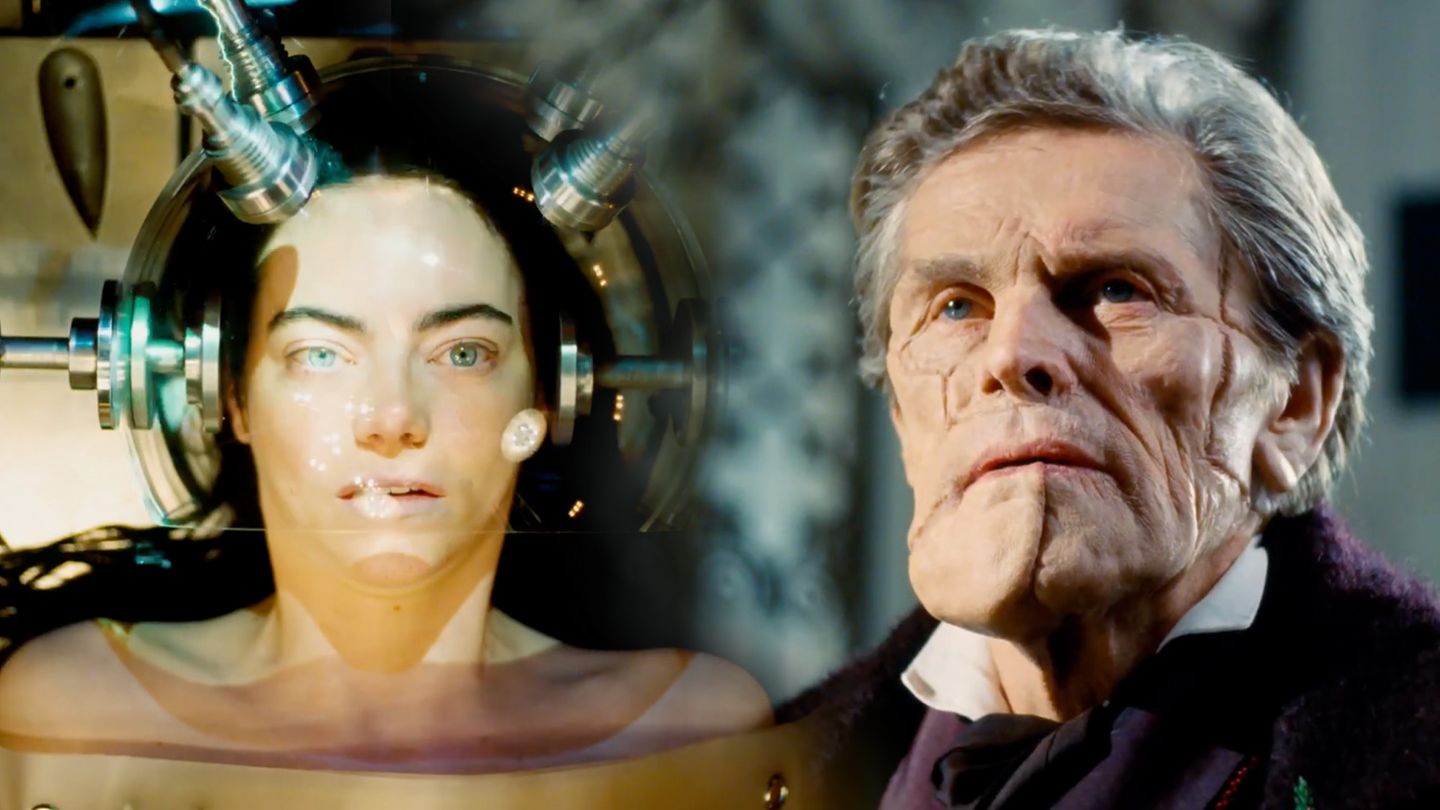
The film, titled Poor Things, functions as a postmodern evolution of the traditional Frankenstein archetype. While Mary Shelley’s original 1818 novel focuses on Victor Frankenstein’s hubris and the subsequent suffering of his creation, the 2024 film shifts the perspective to the creation herself. Emma Stone plays Bella Baxter, a pregnant woman who commits suicide and is subsequently resurrected by a brilliant, unorthodox scientist, Dr. Godwin Baxter (played by Willem Dafoe).
Dr. Baxter replaces the brain of the deceased woman with that of her unborn fetus. The result is a creature trapped in the body of an adult but possessing the developing consciousness of an infant. This setup mirrors the core components of Frankenstein—the boundaries of science, the nature of humanity, and the ethics of creation—while stripping away the Gothic horror atmosphere to replace it with a vibrant, absurdist steampunk aesthetic.
Emma Stone’s Performance and Technical Craft
Emma Stone’s portrayal of Bella Baxter is widely considered one of the most physically demanding and technically precise performances of the decade. Because her character evolves from infancy to adulthood over the course of the film, Stone was required to modulate her physical movements, vocal patterns, and social understanding in real-time.
- Physicality: In the first act, Stone portrays Bella with jerky, uncoordinated movements typical of a toddler, gradually smoothing out her gait as her neurological development accelerates.
- Vocal Evolution: The film features a clear progression in vocabulary and syntax, moving from guttural, unintelligible sounds to a sophisticated, albeit uniquely unfiltered, manner of speech.
- Intellectual Maturation: Stone balances the comedy of Bella’s lack of social filter with the genuine pathos of an individual discovering the world for the first time without the influence of societal repression.
This performance was supported by the film's production design, which used distorted lenses and vibrant color palettes to mirror Bella's internal growth and her perception of a fantastical version of Victorian Europe.
Production and Narrative Context
Understanding Poor Things requires acknowledging that it is not a direct adaptation of Mary Shelley’s book, but rather a structural homage. The narrative architecture utilizes the "Frankenstein" motif to explore themes of female autonomy, sexual liberation, and existentialism.
The film serves as a critique of patriarchal structures. In the story, the men in Bella’s life—her creator (Godwin), her lover (Duncan Wedderburn, played by Mark Ruffalo), and her legal husband—all attempt to define, possess, or control her. Bella’s journey, however, is one of total independence. By the time the story concludes, she has superseded the expectations of her "father" and outmaneuvered the men who sought to confine her.
Comparative Table: Frankenstein Iterations
To distinguish this film from other adaptations of the Mary Shelley work, the following table compares key thematic elements.
| Feature | Classic Frankenstein (Novel/Traditional Film) | Poor Things (2024) |
|---|---|---|
| Creator Role | Hubristic scientist (Victor) | Empathetic mentor (Godwin) |
| The Creature | Repulsed by society; violent | Curious; embraces social experience |
| Core Theme | The consequences of playing God | The liberation of the human mind |
| Primary Conflict | Creator vs. Creation | Individual vs. Patriarchal Society |
| Genre Tone | Gothic Horror | Absurdist Comedy / Surrealist Fantasy |
Reception and Cultural Impact
Upon its wide release throughout 2024, the film received significant critical acclaim, particularly for its daring visual style and Stone’s commitment to a role that challenged standard Hollywood leading-lady archetypes. The film’s success contributed to a broader cultural conversation regarding "Frankenstein" adaptations. Rather than seeking to replicate the fear inherent in the original 1818 text, the film invites viewers to consider what it would mean to be born into the world fully formed, free from the baggage of shame or societal programming.
For audiences, the film serves as a landmark in contemporary surrealist cinema. It challenges the viewer to engage with a narrative that is intentionally disorienting, using its Frankenstein-inspired premise as a vehicle for exploring philosophical questions about human nature, kindness, and the inherent drive toward independence.
Frequently Asked Questions
Is the 2024 film a direct remake of the 1931 Frankenstein? No. Poor Things is an original adaptation of the 1992 novel by Alasdair Gray. While it borrows the central scientific conceit—resurrecting a human from dead tissue—it is a distinct narrative that focuses on the character of Bella Baxter rather than a traditional monster narrative.
What is the age rating and appropriate audience for this film? The film is rated R for strong sexual content, graphic nudity, and some stylistic violence. It is intended for adult audiences due to its thematic focus on mature subject matter and non-traditional narrative presentation.
Does the film follow the plot of Mary Shelley’s original novel? The film shares the core "Frankenstein" theme of human creation, but the plot diverges entirely. There is no Victor Frankenstein, no Arctic expedition, and no tragic monster-chase sequence. It is a work of intellectual fiction, not a horror film.
Who directed the film featuring Emma Stone as Bella Baxter? The film was directed by Yorgos Lanthimos. It marked his third collaboration with Emma Stone, following The Favourite (2018) and the short film Bleat (2022).
Why is this film often associated with the Frankenstein genre? It is classified under the "Frankenstein" umbrella because it explores the consequences of medical ethics and the birth of a sentient, artificial being. Literary critics categorize it as "Frankenstein-adjacent" or a "reimagining" because it deconstructs the power dynamics inherent in the original Shelley text.
Recommendations for Further Engagement
For viewers interested in the intersection of science fiction and social commentary, Poor Things serves as a primary example of modern allegorical filmmaking. To gain a deeper understanding of the film’s origins, readers should consult the original 1992 novel by Alasdair Gray, which provides the source text for the film’s specific, surrealistic version of Glasgow and the wider European landscape.
When watching the film, pay close attention to the transition from black-and-white cinematography to saturated color. This technical shift acts as a visual signifier for Bella’s intellectual awakening, providing a narrative roadmap that mirrors her liberation from the laboratory where her life began.
Image Gallery