Pilot Whale Diet Explained: Understanding the Feeding Habits of Globicephala
The diet of pilot whales—primarily consisting of cephalopods such as squid, alongside select species of fish—is a highly specialized adaptation that allows these deep-diving marine mammals to thrive in oceanic environments. By targetin...
The diet of pilot whales—primarily consisting of cephalopods such as squid, alongside select species of fish—is a highly specialized adaptation that allows these deep-diving marine mammals to thrive in oceanic environments. By targeting energy-dense prey in the mesopelagic zone, pilot whales maintain the significant body mass required for their complex social structures and migratory behaviors.
Contents
Taxonomy and Biological Context
To understand the dietary requirements of pilot whales, one must first identify the two distinct extant species: the long-finned pilot whale (Globicephala melas) and the short-finned pilot whale (Globicephala macrorhynchus). Both belong to the family Delphinidae, making them technically large oceanic dolphins rather than "true" whales.
Their diet is intrinsically linked to their anatomy. Pilot whales possess a relatively low number of teeth compared to other dolphins—typically only 7 to 9 pairs in each jaw—which are specialized for gripping rather than chewing. This physiological trait confirms that their prey must be consumed whole. Because they occupy a high trophic level, they act as apex predators, influencing the population dynamics of the deep-sea ecosystems where they forage.
Primary Components of the Pilot Whale Diet
The nutritional intake of pilot whales is dominated by cephalopods. While individual preferences can shift based on regional availability and species-specific hunting ranges, the general consensus among marine biologists is that squid constitutes the bulk of their biomass consumption.
The Role of Cephalopods
Squid species represent the "gold standard" for pilot whale nutrition. These invertebrates are abundant in the open ocean and provide high protein content per gram consumed. Common prey includes members of the Ommastrephidae family, such as the short-finned squid (Illex illecebrosus). The ability to dive to depths exceeding 600 meters allows pilot whales to intercept squid during their vertical migrations, positioning themselves where prey density is highest.
Fish Consumption as a Supplemental Source
While cephalopods are the preferred staple, fish also play a significant role. When squid populations fluctuate due to oceanographic changes or seasonal patterns, pilot whales readily switch to opportunistic foraging. Documented fish species include:
- Cod: Often targeted in colder northern waters by G. melas.
- Mackerel: Providing essential fats, particularly in the North Atlantic.
- Hake: Often found in the same deep-water columns frequented by the whales.
Foraging Ecology and Hunting Strategy
Pilot whales are social animals that utilize cooperative hunting tactics. This behavior is essential for managing the energy expenditure required for deep-sea foraging. By hunting in pods, they can effectively "herd" schools of prey, increasing the success rate of each dive.
The Deep-Diving Requirement
Foraging often occurs in the mesopelagic zone, also known as the twilight zone, which extends from 200 to 1,000 meters below the surface. Navigating these depths requires extraordinary physiological adaptations, including high myoglobin concentrations in their muscles to store oxygen and the ability to collapse their lungs to manage pressure. This energy-intensive process is only justified if the prey returns a high caloric reward; therefore, they prioritize nutrient-dense squid over smaller, lower-energy alternatives.
Regional Dietary Variations
The diet is not uniform globally; it is dictated by the specific geography of their range. The following table illustrates the general differences in dietary composition influenced by habitat and species range.
| Feature | Long-finned Pilot Whale (G. melas) | Short-finned Pilot Whale (G. macrorhynchus) |
|---|---|---|
| Primary Range | Cooler, temperate/subpolar waters | Tropical and warm-temperate waters |
| Dominant Prey | Squid and some gadoid fish (cod/hake) | Primarily squid, occasional small fish |
| Feeding Depth | Variable (often deep) | Frequently very deep (up to 1,000m+) |
| Seasonal Trends | High variability based on North Atlantic currents | Relatively consistent throughout the year |
Environmental Factors and Prey Availability
The health of a pilot whale population is inextricably linked to the status of deep-sea squid populations. Ocean warming trends observed through 2026 suggest that shifts in water temperature can alter the distribution of cephalopods. Because pilot whales are highly intelligent and exhibit high site fidelity, they may face nutritional stress if their preferred prey migrates to cooler latitudes or deeper waters beyond their reachable hunting range.
Furthermore, anthropogenic factors, such as large-scale commercial fishing for squid, directly compete with pilot whales for resources. Understanding the caloric needs of these pods is a critical component of sustainable marine resource management.
FAQs on Pilot Whale Feeding
Do pilot whales eat other dolphins or whales? No. Pilot whales are not piscivorous in the sense of hunting other marine mammals. While they are large predators, they do not exhibit the predatory behavior toward other odontocetes seen in species like the orca (Orcinus orca).
How much does a pilot whale eat in a single day? While precise daily intake for wild populations is difficult to calculate, researchers estimate that a mature adult may consume between 30 to 50 kilograms of food per day to sustain its body mass and meet the metabolic demands of deep-diving activity.
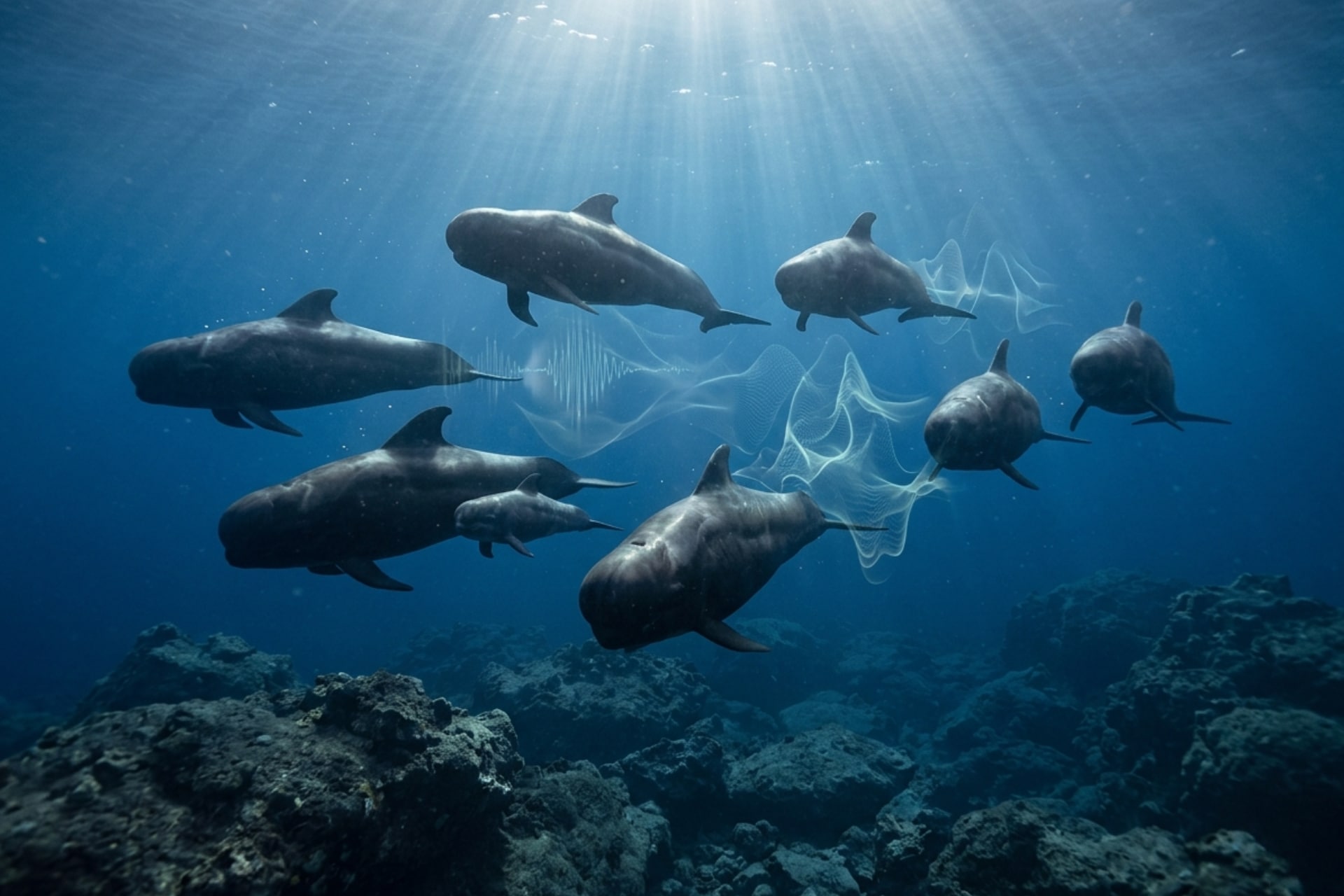
How do they catch prey in the dark of the deep ocean? Pilot whales rely heavily on echolocation. By emitting high-frequency clicks and listening to the returning echoes, they can detect, track, and intercept fast-moving squid in environments where sunlight does not penetrate.
Are there differences in diet between male and female pilot whales? Limited evidence suggests that both sexes target similar prey; however, because males are significantly larger than females, they may require higher absolute caloric intake, leading to longer or more frequent deep dives during foraging sessions.
Do pilot whales scavenge for food? While primarily active hunters, opportunistic scavenging of dead or injured fish that have been discarded by fishing vessels has been observed, though this is not their primary method of sustenance.
Practical Considerations for Observation
For researchers and marine enthusiasts, observing pilot whale feeding behavior requires understanding their dive cycles. During peak foraging hours, pilot whales typically engage in "logging"—resting at the surface—after a series of deep, intense dives. If you are observing a pod, note that surface activity is often a recovery period following the exertion of deep-sea hunting.
If you encounter pilot whales, it is essential to maintain a respectful distance to avoid disrupting their foraging windows. As apex predators, their energy conservation is vital for their survival and the health of the broader marine ecosystem.
For those interested in contributing to conservation efforts, documenting sighting locations through regional whale-watching programs or citizen science initiatives helps biologists map current population distributions in relation to shifting prey movements. Consistent monitoring remains the most effective way to protect these intelligent creatures in an evolving oceanic climate.
Image Gallery