Does EMS Training Work for You? A Science-Based Evaluation of Results and Suitability
EMS (Electrical Muscle Stimulation) training works by utilizing external electrical impulses to elicit muscle contractions that are often more intense than those achieved through voluntary effort alone. Its effectiveness for you depend...
EMS (Electrical Muscle Stimulation) training works by utilizing external electrical impulses to elicit muscle contractions that are often more intense than those achieved through voluntary effort alone. Its effectiveness for you depends on your specific fitness goals—such as muscle hypertrophy, fat loss, or rehabilitation—and your ability to adhere to a structured, professionally supervised protocol.
Contents
Electrical Muscle Stimulation, once a niche tool reserved for physical therapy and elite sports science, has evolved into a mainstream fitness modality. By 2026, whole-body EMS (WB-EMS) has become a standardized offering in urban fitness centers globally. However, the question of whether it "works" is not a simple binary. To determine if EMS is a viable solution for your physiology and lifestyle, it is essential to understand the biological mechanisms, the evidence-based benefits, and the inherent limitations of the technology.
The Mechanism of EMS: How It Differes from Conventional Exercise
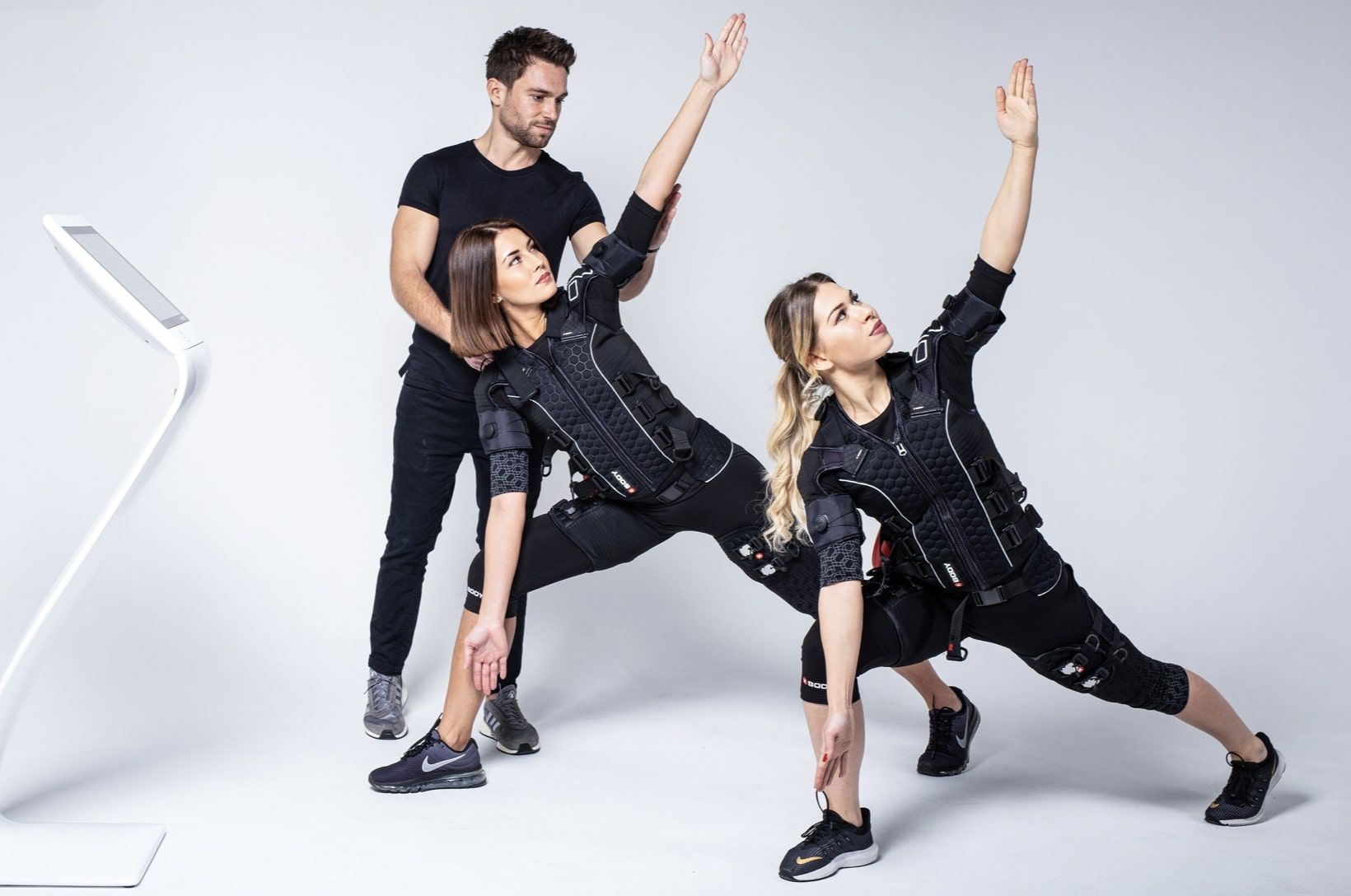
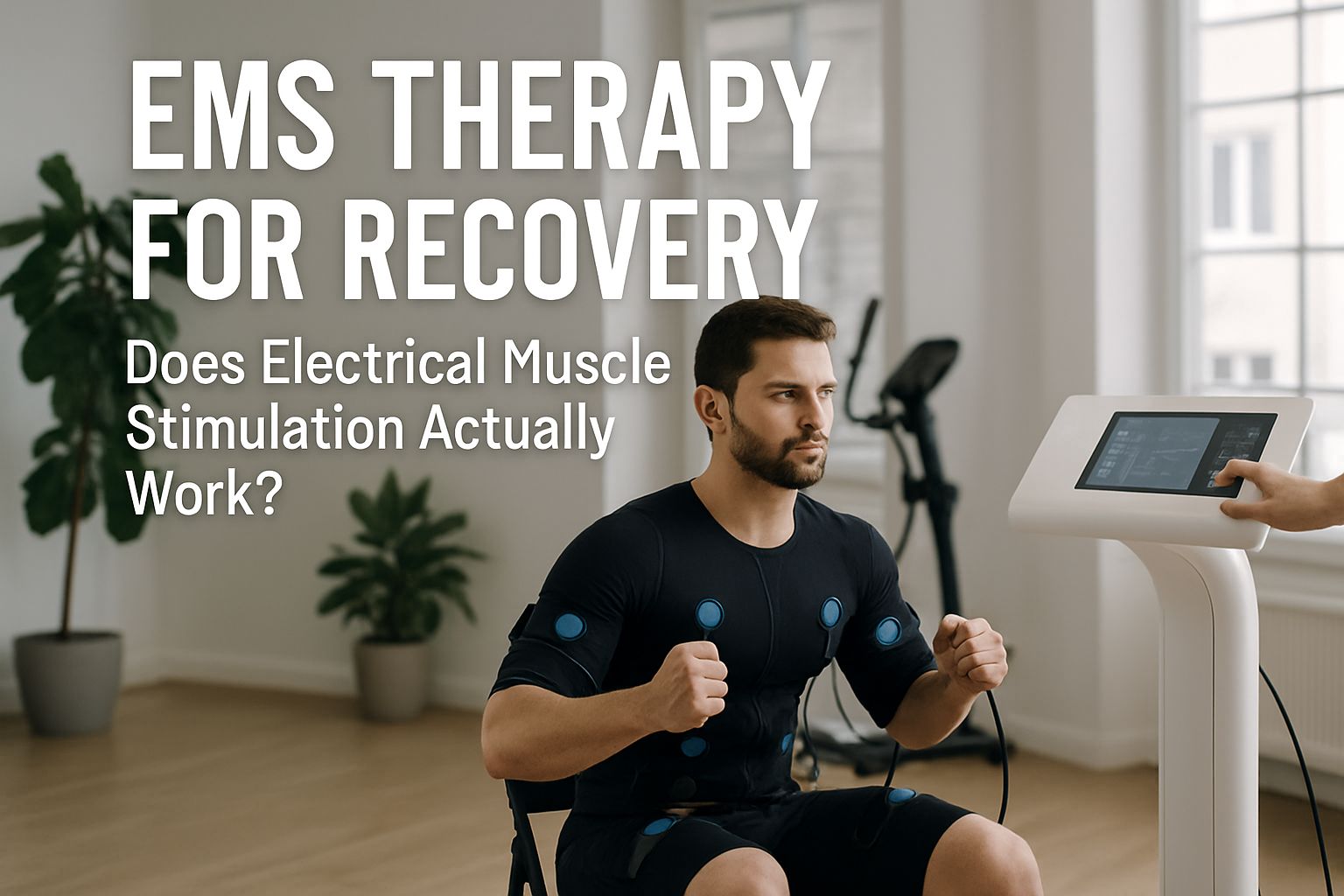
In a traditional workout, your brain sends a signal through your central nervous system to your muscles, telling them to contract. This is known as a voluntary contraction. EMS bypasses this neural pathway by delivering an electrical current directly to the motor nerves through electrodes integrated into a specialized suit or wearable device.
This process facilitates what is known as "involuntary contraction." One of the primary technical advantages of EMS is its ability to recruit a higher percentage of muscle fibers simultaneously. During a standard bicep curl, for instance, your body may only recruit 60–70% of available muscle fibers to conserve energy. EMS can push this recruitment closer to 90–100%, including the activation of fast-twitch Type II fibers, which are typically only engaged during high-intensity, explosive movements.
By 2026, advancements in pulse-width modulation and frequency control have allowed EMS devices to target deeper muscle layers that are difficult to isolate with traditional weightlifting. This "depth of stimulation" is why a 20-minute EMS session is often marketed as being equivalent to several hours in a gym; the metabolic demand per minute of exercise is significantly higher due to the sheer volume of muscle fiber recruitment.
Who Benefits Most from EMS Training?
Determining if EMS training works for you requires aligning the technology with your physical profile. While the technology is versatile, specific groups tend to see the most measurable "success."
The Time-Constrained Professional
The most significant barrier to fitness is often time. EMS sessions are typically limited to 20 minutes once or twice a week. Because the electrical impulse creates a "global" contraction across multiple muscle groups (legs, glutes, back, core, chest, and arms) simultaneously, the efficiency is unmatched. For those who cannot commit to five hours of gym time weekly, EMS provides a baseline of muscle maintenance and metabolic stimulation that prevents sedentary decline.
Athletes Seeking Explosive Power
In the realm of high-performance sports, EMS is used as a supplementary tool to enhance power output. Research published in journals like Frontiers in Physiology has consistently shown that EMS can improve vertical jump height and sprinting speed by specifically conditioning the fast-twitch fibers without the joint strain associated with heavy plyometrics.
Individuals in Rehabilitation or with Joint Sensitivity
Because EMS creates muscle tension without requiring heavy external loads (like dumbbells or barbells), it is an exceptional tool for individuals with joint issues, arthritis, or those recovering from injury. It allows for "loading" the muscle to prevent atrophy while the skeletal system remains relatively unstressed. This is particularly effective for post-operative recovery where certain ranges of motion are restricted.
Analyzing the Results: Strength, Fat Loss, and Hypertrophy
To understand if EMS training works for you, we must look at the three pillars of physical transformation:
- Strength Gains: For beginners and intermediate trainees, EMS yields rapid strength increases. This is largely due to "neural adaptation"—your body becomes better at firing its muscles. However, for elite powerlifters, the gains may be less pronounced as a standalone tool compared to heavy compound lifting.
- Body Composition and Fat Loss: EMS is not a "magic pill" for weight loss. While it burns more calories per minute than steady-state cardio during the session, the total caloric burn of a 20-minute session is still relatively modest (often between 300 and 500 calories). The real value lies in the "afterburn effect" (EPOC) and the increase in basal metabolic rate (BMR) that comes from building lean muscle mass.
- Hypertrophy (Muscle Growth): EMS can stimulate muscle growth, but it is most effective when paired with some form of resistance. Doing functional movements (squats, lunges, planks) while the suit is active provides a synergistic effect that signals the body to repair and grow muscle tissue.
Comparing EMS Training to Traditional Resistance Training
The following table provides a technical comparison to help you decide if EMS fits your current training paradigm.
| Feature | Traditional Resistance Training | Whole-Body EMS (WB-EMS) |
|---|---|---|
| Session Duration | 45–90 Minutes | 20 Minutes |
| Primary Driver | External Load (Weights) | Electrical Impulse (Neuromuscular) |
| Joint Impact | High (depending on load) | Very Low |
| Muscle Recruitment | Partial (Voluntary) | High/Global (Involuntary) |
| Ideal Frequency | 3–5 Times per week | 1–2 Times per week |
| Supervision | Optional (Self-guided) | Mandatory (Certified Trainer) |
| Cost Per Session | Low to Moderate | Moderate to High |
Safety Standards and Contraindications
Even though EMS is effective, it is not suitable for everyone. Because the electrical current affects the entire body’s neuromuscular system, certain medical conditions represent absolute contraindications.
- Cardiac Issues: Individuals with pacemakers or heart arrhythmias must avoid EMS, as the impulses can interfere with medical devices or heart signals.
- Pregnancy: EMS is not recommended during pregnancy due to the risk of abdominal muscle stimulation and unknown effects on fetal development.
- Epilepsy: The stimulation may lower the seizure threshold in susceptible individuals.
- Kidney Disease: Intense muscle stimulation releases creatine kinase (CK) into the bloodstream. While this is normal after any hard workout, an excessive spike can tax the kidneys. It is vital to stay hydrated and ensure you are working with a certified professional who monitors the intensity levels.
A significant risk factor associated with improper EMS use is rhabdomyolysis, a condition where muscle fibers break down too rapidly and release their contents into the bloodstream. This is why EMS should never be performed daily and why initial sessions must be low-intensity to allow the body to adapt to the unique stimulus.
Why EMS Might Not Work for You
If you have tried EMS and didn't see results, it usually stems from one of three factors:
- Lack of Nutritional Support: Muscle growth and fat loss are heavily dependent on protein intake and caloric balance. No amount of electrical stimulation can overcome a poor diet.
- Insufficient Intensity: Some at-home "consumer-grade" belts or suits do not provide enough milliamps (current) to reach the motor threshold. For EMS to work, the sensation should be powerful and slightly uncomfortable, though never painful.
- Inconsistency: Like any fitness program, the benefits of EMS are cumulative. Stopping after three or four sessions will not yield long-term physiological changes.
FAQs About EMS Training Effectiveness
Can EMS training replace the gym entirely?
For most people, EMS should be viewed as a supplement rather than a total replacement. While it is excellent for strength and tone, it does not provide the same cardiovascular benefits as aerobic exercise or the functional range-of-motion development found in traditional weightlifting or yoga. By 2026, the gold standard for fitness is often a hybrid approach: one EMS session and two traditional workouts per week.
Is EMS training painful?
The sensation is often described as a "tingling" or "buzzing" accompanied by a strong, deep muscle contraction. While it can be intense, it should not be painful. A certified trainer will adjust the levels for each muscle group based on your feedback and tolerance.
How many sessions are needed to see results?
Most users report feeling a difference in muscle "firmness" or posture within 3-4 sessions. Measurable changes in strength and body composition typically become evident after 8-12 weeks of consistent training (at 1-2 sessions per week).
Can EMS help with back pain?
Yes, EMS is particularly effective for chronic lower back pain. By stimulating the deep stabilizing muscles of the core and the erector spinae without requiring the patient to perform complex or painful movements, it can strengthen the "internal corset" that supports the spine.
Is the electrical current safe for the long term?
Research conducted over several decades in clinical settings suggests that low-frequency electrical stimulation is safe for long-term use, provided that the user does not have contraindications and follows recovery protocols. The current stays within the skeletal muscle and does not reach internal organs like the heart (when using certified equipment).
Expert Recommendation and Next Steps
If you are considering EMS training, the most effective path forward is to book an introductory session at a facility that utilizes medical-grade equipment and employs certified WB-EMS trainers. Ensure that you disclose your full medical history during the intake process.
To maximize the "work" EMS does for you, focus on hydration both before and after your session to assist with kidney function and muscle recovery. Treat EMS as a high-intensity workout; prioritize 48 to 72 hours of rest between sessions to allow the muscle tissue to repair. If your goal is aesthetic, pair EMS with a high-protein diet to provide the building blocks necessary for the new muscle tissue the technology is stimulating.
Image Gallery