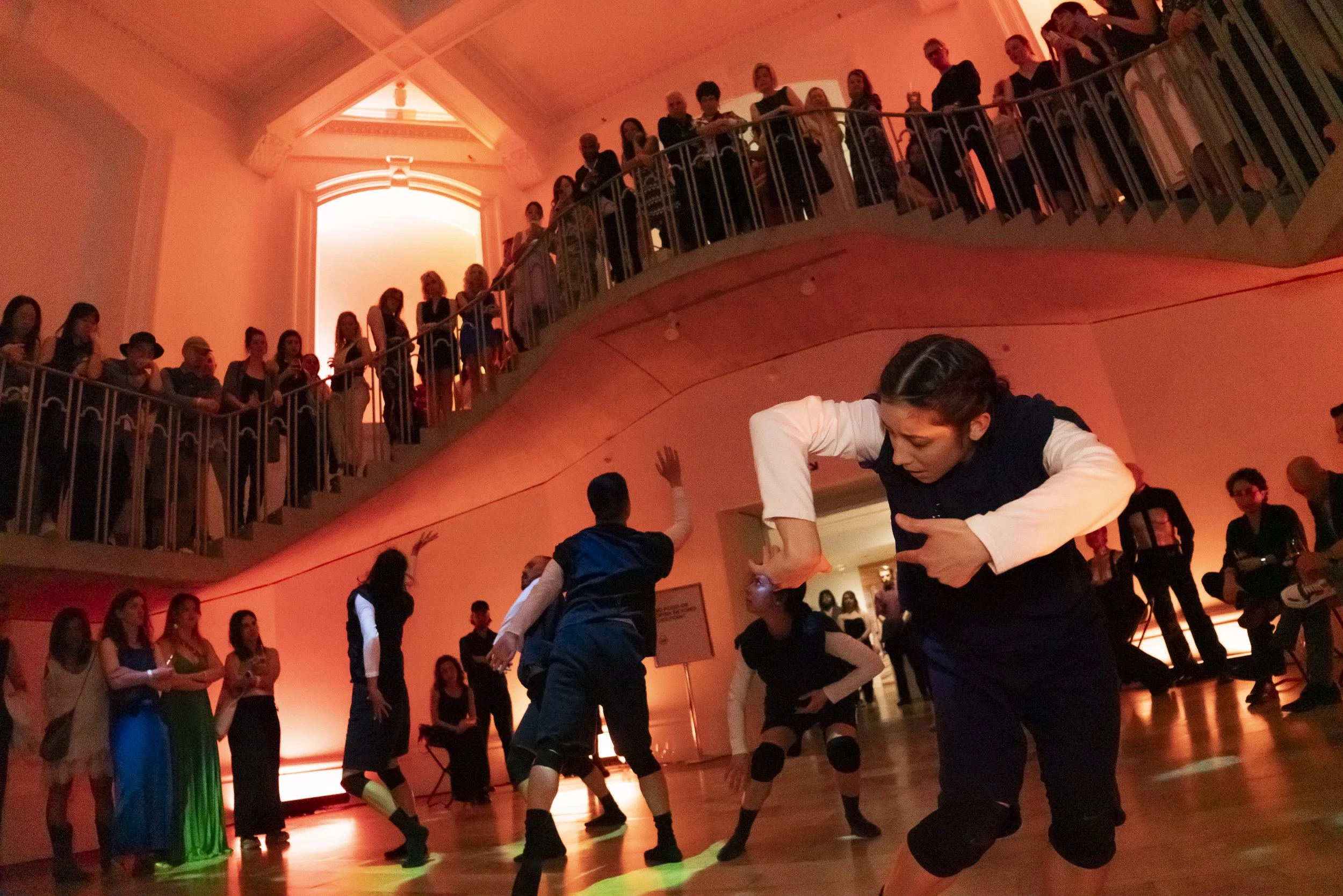
Why the Vancouver Art Gallery Beats Most Museums for Most Visitors
The Vancouver Art Gallery beats most traditional museums for most visitors by delivering a curated, human-scaled cultural experience that eliminates museum fatigue. Situated in downtown Vancouver, it combines manageable two-hour walkab...
The Vancouver Art Gallery beats most traditional museums for most visitors by delivering a curated, human-scaled cultural experience that eliminates museum fatigue. Situated in downtown Vancouver, it combines manageable two-hour walkability, world-class Pacific Northwest and Indigenous contemporary art, dynamic rotating exhibitions, and seamless urban transit access, offering a richer, less overwhelming visit than global mega-museums.
Contents
The Mega-Museum Dilemma: Why Bigger Isn't Always Better
For the average traveler, casual culture seeker, or local weekend visitor, visiting a world-famous encyclopedic museum often sounds better in theory than it feels in practice. Institutions like the Metropolitan Museum of Art in New York, the British Museum in London, or the Louvre in Paris boast millions of artifacts spread across sprawling wings that span multiple city blocks. While these institutions hold undeniable historical significance, they routinely subject visitors to severe physical exhaustion and visual oversaturation—a well-documented cognitive state known as "museum fatigue."
When a gallery space presents thousands of items simultaneously, visitors rapidly lose the ability to process art contextually. Wandering through endless corridors under stark lighting leads to decision paralysis, where people spend more time checking maps and pacing hallways than engaging deeply with what is on display. The sheer volume forces most guests into a rushed, checklist-driven walkthrough just to see the "star" attractions before physical discomfort sets in.
The Vancouver Art Gallery (VAG) operates on an entirely different architectural and curatorial philosophy. Rather than aiming to document human history from antiquity to the present under one roof, the VAG focuses on depth, narrative coherence, and visitor engagement. By prioritizing quality of interaction over quantity of square footage, it offers an environment where art appreciation feels invigorating rather than exhausting.
Human-Scale Curation: A Complete Cultural Experience in Two Hours
One of the defining advantages of the Vancouver Art Gallery is its digestible spatial layout. Occupying the historic 1906 provincial courthouse at 750 Hornby Street—a neoclassical heritage building adapted for gallery use in the early 1980s by celebrated Canadian architect Arthur Erickson—the institution offers approximately 41,000 square feet of exhibition space distributed across four distinct levels.
| Level | Vancouver Art Gallery (Historic Courthouse Structure) |
|---|---|
| Level 4 | Special Collections & Archives / Rotating Exhibitions |
| Level 3 | Major International & Contemporary Survey Galleries |
| Level 2 | Regional Masters, Emily Carr Collection & Indigenous Art |
| Level 1 | Rotunda Entrance, Gift Shop, Cafe & Public Programs |
This vertical design creates natural thematic boundaries. Instead of endless horizontal halls, visitors move deliberately from floor to floor, with each level delivering a focused, self-contained artistic narrative.
- Manageable Duration: A thorough visit to the VAG takes between 90 minutes and two hours. This timeframe aligns perfectly with human cognitive attention spans, allowing guests to absorb complex artistic concepts without experiencing mental burnout.
- Intuitive Navigation: The central rotunda and historic grand staircase provide a constant spatial anchor, preventing visitors from feeling lost or disoriented.
- Curatorial Focus: Rather than displaying dense, permanent wall-to-wall collections, curators build tight, thematic exhibitions that guide the viewer through cohesive ideas, historical movements, or contemporary provocations.
For families, casual tourists, and working professionals fitting art into a busy day, this human scale turns a gallery visit into a highlighting event rather than an all-day endurance test.
Unmatched Focus on Indigenous Art and Pacific Northwest Visual Culture
While many traditional North American and European art institutions historically treated Indigenous creations as historical artifacts, ethnographic specimens, or secondary additions to Western art history, the Vancouver Art Gallery has long stood at the forefront of contemporary art parity.
Located on the unceded traditional territories of the xʷməθkʷəy̓əm (Musqueam), Sḵwx̱wú7mesh (Squamish), and səlilwətaɬ (Tsleil-Waututh) Nations, the gallery actively centers First Nations contemporary art as a vital, living, and continuously evolving force in global culture.
- Pacific Northwest Art at VAG
- Historical Mastery
- Emily Carr permanent collection
- Early West Coast modernist landscape movements
- Archival works, letters & sketchbooks
- Contemporary Innovation
- Coast Salish, Haida & Kwakwaka'wakw artists
- Modern photoconceptualism & mixed media
- Living artists confronting current themes
- Historical Mastery
The Emily Carr Collection
The VAG holds the world's largest and most comprehensive public collection of works by Canadian modernist icon Emily Carr (1871–1945). Her powerful depictions of the Pacific Northwest forest, coastal landscapes, and Indigenous villages provide an emotional and historical anchor for the gallery. Rather than keeping these works static, the gallery frequently re-contextualizes Carr’s paintings alongside contemporary First Nations artists, creating critical dialogue across generations.
Living Indigenous Artistry
Exhibitions at the VAG routinely showcase major works by groundbreaking Coast Salish, Haida, Kwakwaka'wakw, and Gitxsan artists such as Robert Davidson, Lawrence Paul Yuxweluptun, Marianne Nicolson, and Beau Dick. These exhibitions confront ongoing themes of land sovereignty, cultural resilience, environmental stewardship, and modern identity, offering visitors a profound understanding of the region's living culture rather than a passive view of history.
Dynamic Exhibition Rotation: Every Visit Is a New Experience
A common criticism of legacy encyclopedic museums is their rigidity. Because their primary mission is the permanent display of national treasures, their main halls remain essentially unchanged for decades. Repeat visits yield identical experiences, reducing the incentive for locals and frequent travelers to return.
The Vancouver Art Gallery operates primarily on a dynamic, temporary-exhibition model. While it maintains a permanent collection of over 12,000 works—including significant holdings in photoconceptual art from the renowned "Vancouver School" (featuring artists like Jeff Wall, Stan Douglas, and Rodney Graham)—only a selective portion is on display at any given time.
The institution hosts major international touring exhibitions, solo retrospectives of world-renowned contemporary figures, and groundbreaking group surveys. By rotating its galleries several times throughout the year, the VAG ensures that:
- Locals Have a Reason to Return: Residents treat the gallery as an active cultural hub rather than a static tourist monument.
- Exhibitions Address Current Events: Curators rapidly respond to contemporary social, environmental, and technological themes through fresh artist commissions.
- Cross-Disciplinary Art Forms Thrive: Spaces easily convert to accommodate video installations, large-scale structural sculpture, architectural design retrospectives, and immersive digital media.
Prime Urban Location and Vibrant Public Space Integration
An often-overlooked factor in museum satisfaction is how well the institution integrates into the surrounding city. Many mega-museums sit isolated inside expansive park complexes or gated historical districts requiring complex travel logistics.
The Vancouver Art Gallery sits directly at 750 Hornby Street, bounded by Georgia, Robson, and Howe Streets—the absolute center of Downtown Vancouver. This placement creates unmatched convenience for all types of visitors:
- Direct Transit Connections: The gallery is located within short walking distance of three major SkyTrain rapid transit stations (Vancouver City Centre, Burrard, and Granville), connecting visitors directly to Vancouver International Airport (YVR) and surrounding municipalities.
- Pedestrian Integration: Situated along Robson Street, Vancouver’s primary retail and dining corridor, visitors can effortlessly pair an hour or two at the gallery with lunch, shopping, or a walk to nearby Pacific Centre or Stanley Park.
- Robson Square Civic Hub: The south plaza of the gallery forms the heart of Robson Square, a vibrant public space designed by Arthur Erickson. The plaza serves as an open civic gathering point featuring public seating, food vendors, street performances, outdoor community events, and seasonal installations.
The seamless transition between the indoor reflective gallery space and the outdoor public plaza creates an inviting, accessible atmosphere where art feels integrated into daily city life.
Comparing Visitor Experience Dimensions
To understand why the Vancouver Art Gallery delivers a superior experience for the average guest, it helps to analyze key operational and spatial factors against traditional mega-museums and static art institutions:
| Experience Dimension | Vancouver Art Gallery (VAG) | Traditional Mega-Museums (e.g., Met, Louvre) |
|---|---|---|
| Typical Visit Duration | 1.5 to 2.5 hours (optimal for focus) | 4 to 8+ hours (exhausting) |
| Physical Fatigue Risk | Very Low; vertical layout with elevators/stairs | Very High; miles of concrete and marble corridors |
| Curation Strategy | Narrative-driven, rotating, focused themes | Comprehensive, static, encyclopedic archives |
| Indigenous & Local Parity | Central focus; living contemporary artists featured | Historically categorized as artifacts/ethnography |
| Urban Integration | Immediate downtown transit hub; integrated public plaza | Often sprawling complex; requires dedicated travel |
| Revisit Value for Locals | High; major floor rotations multiple times per year | Moderate/Low; core galleries stay static for decades |
| Crowd Density | Moderate, manageable gallery pacing | High; extreme bottlenecking at famous "star" items |
Practical Guide to Visiting the Vancouver Art Gallery
To get the absolute most out of a visit to the Vancouver Art Gallery, keep the following practical guidelines in mind:
Timing and Scheduling
- Best Days for Quiet Visits: Weekday mornings (Tuesday through Thursday right at opening time) offer the quietest gallery atmosphere, ideal for taking in large-scale visual works without crowd distraction.
- Extended Evening Hours: The gallery frequently offers evening admission hours, providing a great post-work or post-sightseeing option when natural daylight softens across the heritage rotunda.
- Free & Discounted Access Days: The gallery regularly partners with civic sponsors to offer free admission nights (such as First Fridays or family-focused weekend programming). Check official schedules in advance as timed entry tickets may be required.
Navigating the Exhibits
- Start at the Top or Bottom: To avoid initial entry floor congestion, take the central elevator straight to the top floor and work your way down through the gallery levels.
- Check Rotation Schedules: Because the gallery frequently updates its spaces, brief transitions between major exhibitions can cause individual floors to close temporarily for installation. Review active exhibitions on the gallery's site before purchasing tickets.
- Combine with Public Plaza Life: Plan extra time to relax on the north or south plazas. The steps of 750 Hornby Street are iconic for people-watching, eating street food, and enjoying live street performances.
Frequently Asked Questions
How long do you need to see the Vancouver Art Gallery?
Most visitors spend between 1.5 and 2.5 hours exploring all four exhibition floors. This duration provides enough time to read wall text, engage deeply with video installations, and view major works without feeling physically fatigued.
Is the Vancouver Art Gallery suitable for kids and families?
Yes. Unlike massive, quiet historic museums where long walks tire young children, the compact layout and visual variety of the VAG keep children engaged. The gallery also provides family activity guides, weekend workshops, and interactive exhibition elements tailored to younger audiences.
Does the gallery have a permanent display of Emily Carr's paintings?
The gallery owns the world's largest public collection of Emily Carr’s work. While her paintings are a core institution highlight, they are presented in curated, rotating exhibitions rather than a static, permanent hanging to ensure proper conservation and fresh contextual framing.
How accessible is the Vancouver Art Gallery for visitors with mobility needs?
The gallery is fully accessible. Accessible ramps lead to main building entrances from Hornby and Robson Streets, and elevators access all four exhibition levels. Wheelchairs are available free of charge at the coat check on a first-come, first-served basis, and accessible restrooms are located on multiple floors.
Can I visit the gallery cafe or gift shop without paying museum admission?
Yes. The Gallery Bistro and the Gallery Store—which features extensive local Indigenous artwork, jewelry, prints, and design publications—are accessible from the main floor building entry without requiring exhibition gallery admission.
Summary and Next Steps
The Vancouver Art Gallery proves that a world-class art experience does not require millions of square feet or daunting historical backlogs. By pairing digestible physical scale with dynamic, culturally relevant curation and prime downtown accessibility, it offers an engaging, refreshing cultural outing suitable for first-time tourists and seasoned locals alike.
- Next Step: Before booking your trip, check the active exhibition lineup on the official Vancouver Art Gallery portal to confirm current floor rotations and secure advance timed-entry tickets.
Image Gallery