NRL Minor Premiership Prize Money: Breakdown, Financial Rewards, and Rules
The NRL Minor Premiership winner receives a direct cash prize of AUD $200,000 from the Australian Rugby League Commission (ARLC). Awarded to the team finishing atop the NRL competition ladder at the conclusion of the regular season, th...
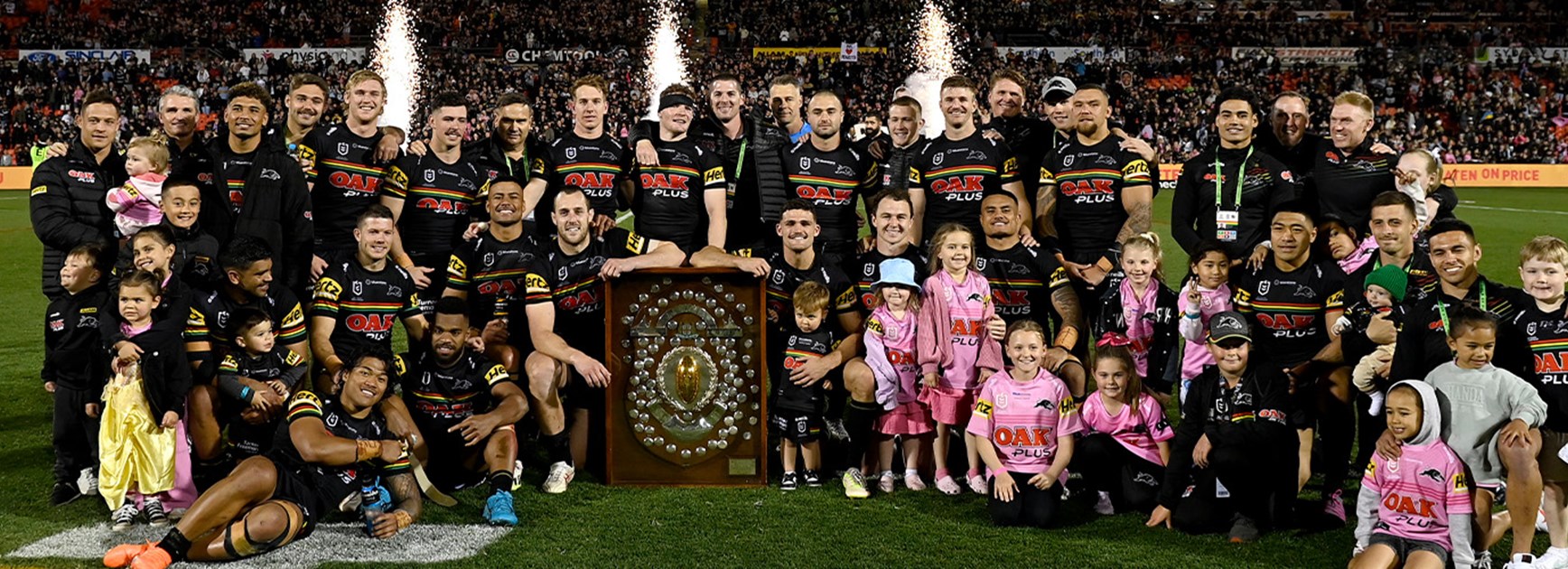
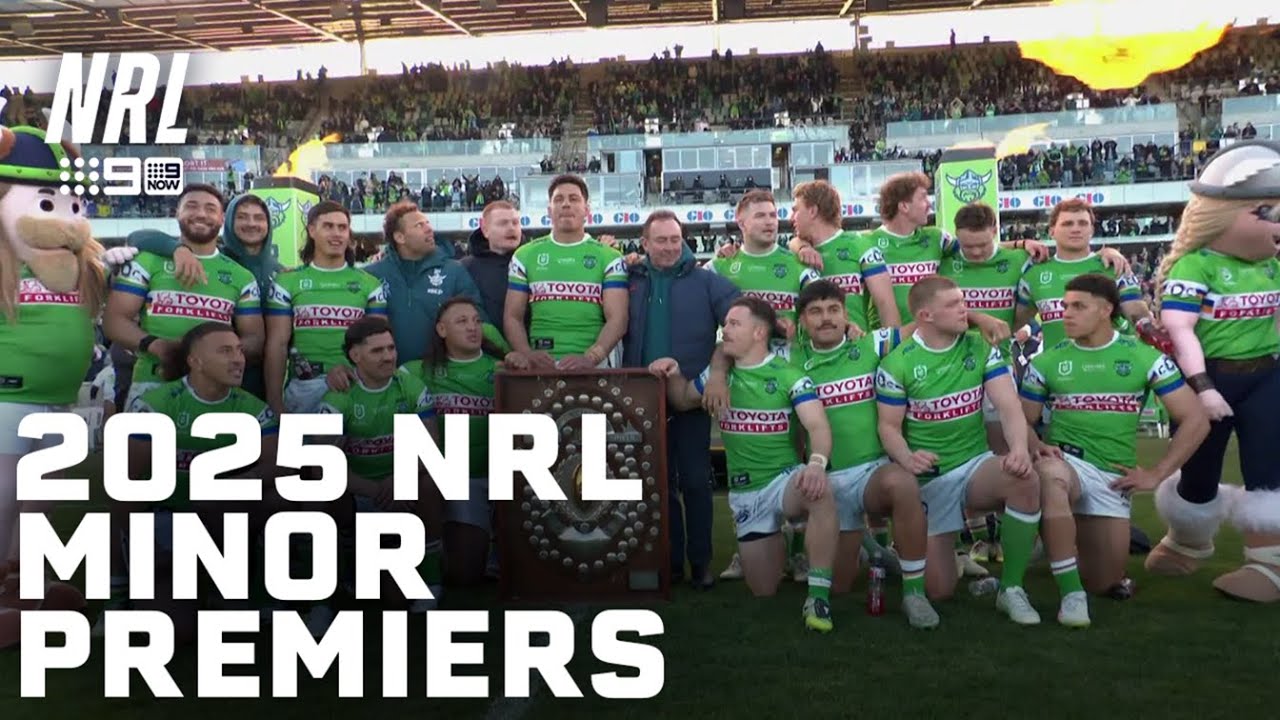
The NRL Minor Premiership winner receives a direct cash prize of AUD $200,000 from the Australian Rugby League Commission (ARLC). Awarded to the team finishing atop the NRL competition ladder at the conclusion of the regular season, this financial payout is accompanied by the prestigious J. J. Giltinan Shield and guaranteed home hosting rights during the first week of the NRL Finals Series.
Contents
Understanding the NRL Minor Premiership Financial Rewards
In the National Rugby League (NRL), the Minor Premiership represents the ultimate test of consistency over 27 regular-season rounds. While the ultimate sporting objective remains winning the Grand Final and lifting the Provan-Summons Trophy, securing the Minor Premiership carries both prestige and significant financial compensation.
The official cash prize for claiming the Minor Premiership stands at AUD $200,000. This sum is paid directly by the ARLC to the winning club's administration. However, the total economic value of finishing first on the ladder extends far beyond the base prize check.
Winning the Minor Premiership unlocks a sequence of monetary benefits, including:
- Direct Cash Payout: The $200,000 base prize allocation from the NRL central revenue pool.
- Commercial Sponsorship Triggers: Performance-based incentive bonuses embedded in major corporate partnership contracts.
- Home Finals Revenue Yields: Guaranteed hosting rights for Week 1 of the finals, generating substantial high-margin revenue through ticketing priority, hospitality packages, and local merchandise sales.
- Player Incentive Clauses: Pre-negotiated contract bonuses for players and coaching staff tied to ladder position achievements.
The award is officially tied to the historic J. J. Giltinan Shield, named after James Joseph Giltinan, an instrumental figure in the founding of rugby league in Australia in 1908. While the shield represents over a century of sporting heritage, modern professional clubs evaluate the Minor Premiership as a crucial commercial asset within their annual operating budgets.
Comprehensive Breakdown of NRL Payouts and Prize Pool
To understand where the Minor Premiership fits within the broader financial structure of professional rugby league, it is essential to examine the full distribution of prize money across the regular season and the NRL Finals Series.
The ARLC distributes prize money from a centralized revenue pool derived primarily from broadcast rights agreements with partners including Foxtel, Channel Nine, and Sky Sport NZ. The distribution model balances rewards for regular-season consistency with lucrative incentives for postseason success.
| Finishing Position / Achievement | Direct NRL Prize Money (AUD) | Primary Commercial & Operational Benefits |
|---|---|---|
| Minor Premier (1st on Ladder) | $200,000 | J. J. Giltinan Shield, guaranteed Week 1 Home Qualifying Final, sponsorship triggers |
| NRL Premier (Grand Final Winner) | ~$1,200,000 | Provan-Summons Trophy, official Premiers merchandise rights, World Club Challenge qualification |
| Grand Final Runner-Up | ~$600,000 | Silver medal payout allocation, substantial postseason broadcast exposure |
| Preliminary Finalists (3rd & 4th) | ~$200,000 - $350,000 | Gate share allocations, high-profile televised finals appearances |
| Week 2 Elimination / Semi-Finalists | ~$100,000 - $150,000 | Finalist status commercial compliance rewards |
| Top 8 Qualification (5th - 8th) | ~$50,000 - $100,000 | Finals participation bonuses and extended brand exposure |
Note: Payout allocations can vary slightly based on annual ARLC board distributions, club funding grants, and Collective Bargaining Agreement (CBA) adjustments for the season.
While the Grand Final winner receives the largest single payout of approximately $1.2 million, a team that wins both the Minor Premiership and the Grand Final accumulates over $1.4 million in direct central prize money. This dual achievement—known in Australian sport as "doing the double"—represents the peak financial return achievable in a single domestic season.
How Minor Premiership Prize Money is Distributed Within Clubs
When an NRL club receives the $200,000 Minor Premiership payout, the money does not simply sit in the club’s general operational account. Its distribution is governed by complex financial frameworks, salary cap regulations, and employment agreements established under the NRL Collective Bargaining Agreement.
- ARLC Central Payout: AUD $200,000
- Club Operational Funds
- Football Dept Budget
- Pathways & Academies
- Asset Reinvestment
- Player & Staff Bonuses
- Match Performance Caps
- Coaching Staff Triggers
- Salary Cap Compliance
- Club Operational Funds
1. Player Contract Incentive Bonuses
Many top-tier NRL players and head coaches have performance clauses written into their contracts. These clauses trigger extra payments for achievements such as:
- Finishing in the Top 4 on the NRL ladder.
- Securing the Minor Premiership.
- Reaching or winning the NRL Grand Final.
These incentive payments must be carefully managed in relation to the NRL Salary Cap. Under salary cap rules supervised by the NRL Salary Cap Auditor, any performance bonuses tied to realistic regular-season outcomes (such as making the top eight or winning the minor premiership) must be factored into the club's salary cap declarations.
2. Football Department Reinvestment
A significant portion of the cash reward is routinely re-allocated into the club's football operations department. Modern NRL organizations operate sophisticated high-performance environments. Funds are frequently directed toward:
- Upgrading recovery equipment and sports science technology.
- Expanding junior development pathways and regional talent academies.
- Funding specialist coaching staff, sports psychologists, and data analysts.
3. Staff and Administrative Cash Bonuses
While match-day players receive significant attention, front-office personnel, medical teams, strength and conditioning coaches, and operational staff often receive pool-based bonuses tied to the team's regular-season standing.
Indirect Financial Benefits: The Real Value of Top Spot
While $200,000 is a substantial sum, the true financial windfall of securing the Minor Premiership lies in the indirect commercial advantages unlocked by finishing first.
Commercial Reality in Professional Sport
The base cash prize awarded by a governing body rarely captures the true financial return of winning a regular-season championship. In modern professional rugby league, the enterprise value generated through home finals, corporate sponsorship triggers, and consumer merchandising routinely exceeds the primary cash prize by a ratio of three to one.
Home Finals Gate Receipts and Hospitality
Finishing in the top two—and specifically first—guarantees a club a home Qualifying Final in Week 1 of the finals series. For clubs with large, dedicated supporter bases, hosting a home final yields exceptional financial returns:
- Ticket Revenue Sharing: While the NRL centrally manages finals series ticketing and takes a core gate percentage, home clubs receive operational allowances, premium seating allocations, and catering percentage returns.
- Corporate Suite Monetization: Corporate boxes and VIP hospitality packages sell at premium pricing tiers during finals matches, providing direct corporate sales spikes.
- Matchday Sponsorship: On-stadium signage and digital screen activations command significantly higher rate cards during finals broadcasts viewed by millions across television and streaming platforms like Kayo Sports.
Sponsorship Performance Clauses
Major club sponsors—including front-of-jersey partners, apparel manufacturers, and stadium naming-rights holders—typically include performance escalator clauses in their commercial agreements.
Winning the Minor Premiership activates these clauses, delivering instant corporate bonuses to the club. Furthermore, the elevated broadcast coverage associated with leading the competition for weeks or months provides sponsors with greater Return on Investment (ROI), strengthening the club's bargaining position during contract renewal cycles.
Retail and Merchandise Surges
A Minor Premiership victory creates immediate retail momentum heading into September. Supporter wear, commemorative T-shirts, headwear, and framed memorabilia experience sharp increases in sales. For vertically integrated club stores and online operations, this retail spike represents high-margin commercial revenue.
Minor Premiership vs. Grand Final Victory: A Financial Comparison
In Australian sporting culture, a debates often arises regarding the relative merits of the Minor Premiership versus the Grand Final Premiership. While sports historians and purists emphasize that finishing top after 27 rounds represents the truest test of team quality, public acclaim and commercial scale overwhelmingly favor the Grand Final winner.
| Feature | NRL Minor Premiership (J. J. Giltinan Shield) | NRL Premiership (Provan-Summons Trophy) |
|---|---|---|
| Category | Regular Season Consistency | Postseason Elimination |
| Prize Money | AUD $200,000 | ~AUD $1,200,000 |
| Duration | 27 Rounds | 4 Weeks (Finals) |
| Core Focus | Depth, Consistency, Fitness | Peak Form, Pressure Mastery |
| Main Value | Home Finals Advantage | Ultimate Sporting Legacy |
The financial dynamics highlight why clubs place such a heavy emphasis on postseason performance:
- Prize Payout Ratio: The Grand Final winner receives approximately six times more in direct NRL prize money (~$1.2 million) compared to the Minor Premier ($200,000).
- Broadcast and Eyeballs: The NRL Grand Final remains one of the highest-rated annual sporting events on Australian television. The immense viewership drives unprecedented brand value for sponsors, surpassing the steady exposure generated during the regular season.
- Historical Perception: While European soccer leagues treat the regular-season top spot as the ultimate league title, Australian sport operates on a finals system. Consequently, the commercial market places a premium on the title of "Premiers" over "Minor Premiers."
Despite this disparity, winning the Minor Premiership offers the absolute best statistical path to Grand Final victory. Historically, Minor Premiers win the Grand Final at a rate far higher than any other ladder position, making the $200,000 reward a stepping stone toward the ultimate $1.2 million payout.
Historical Evolution of NRL Prize Money and Regulations
The financial landscape of the NRL has expanded dramatically over the past three decades, driven primarily by exponential growth in television broadcast rights.
The Super League Era to Early 2000s
During the late 1990s and early 2000s, following the reunification of rugby league after the Super League war, prize money for regular season achievements was modest. The Minor Premiership prize was valued under $100,000, and overall club distributions were heavily constrained by lower broadcasting returns.
The Establishment of the ARLC (2012)
The creation of the independent Australian Rugby League Commission in 2012 marked a major turning point in sports governance. The ARLC consolidated commercial rights, leading to landmark multi-billion-dollar broadcast deals with Fox Sports, the Nine Network, and international rights holders.
This influx of capital allowed the commission to increase central funding grants to clubs, ensuring all 17 NRL franchises (including modern expansions like the Dolphins) received funding exceeding the salary cap floor. As central funding grew, the ARLC standardized prize payouts, establishing the current $200,000 allocation for the J. J. Giltinan Shield winner.
Collective Bargaining Agreements and Salary Cap Linkage
The evolution of the Collective Bargaining Agreement negotiated between the NRL and the Rugby League Players Association (RLPA) transformed how prize money interacts with player compensation:
- Minimum Wage Standards: Base player salaries have risen, ensuring squad members across positions benefit from club financial success.
- Incentive Transparency: Strict guidelines now dictate how performance bonuses are reported, ensuring full transparency to prevent salary cap circumvention.
- NRLW Expansion: The growth of the NRL Women's (NRLW) competition has introduced parallel prize structures and revenue distributions, reflecting the expanding commercial footprint of the sport.
Clubs can research official regulations and governing frameworks directly through the Official NRL Governance Page.
Step-by-Step: How a Club Capitalizes on Minor Premiership Success
For a club's commercial operations team, winning the Minor Premiership requires immediate execution to maximize revenue before the postseason concludes.
Step 1: On-Field Victory Confirmed
Step 2: ARLC Cash Grant Processed ($200,000 Base Payout)
Step 3: Activate Sponsor Performance Clauses & Invoicing
Step 4: Launch Home Final Ticketing & Hospitality Sales
Step 5: Release Commemorative Merchandise & Retail Campaigns
Step 6: Reinvest Capital into Postseason & Future Football Ops
Claim the Title: Secure the top position on the NRL competition ladder at the end of Round 27.
Receive ARLC Grant Allocation: The NRL financial department processes the $200,000 prize distribution directly to the club's finance department.
Activate Commercial Escalators: The commercial team audits all existing corporate partnership agreements to invoice sponsors for performance bonuses triggered by finishing first.
Execute Home Final Sales: In coordination with venue management and the NRL, the club opens priority ticket windows for members and launches corporate hospitality packages for the Week 1 Qualifying Final.
Roll Out Retail Operations: The club's merchandise arm launches limited-edition J. J. Giltinan Shield gear and pre-order campaigns for potential finals apparel.
Reallocate Capital: The board and CEO distribute incoming capital into high-performance football operations, staff incentives, and future talent acquisition within salary cap boundaries.
Frequently Asked Questions
How much prize money does the NRL Minor Premier receive?
The NRL Minor Premier receives AUD $200,000 in direct prize money from the Australian Rugby League Commission (ARLC). In addition to the cash prize, the winning club is awarded the historic J. J. Giltinan Shield and earns home hosting rights for the first week of the NRL Finals Series.
Does the Minor Premier automatically qualify for the Grand Final?
No, winning the Minor Premiership does not automatically qualify a team for the Grand Final. It grants the team a top-seed entry into the NRL Finals Series, giving them a home Qualifying Final in Week 1 and a double chance if they lose their first match.
Is the Minor Premiership prize money included in the salary cap?
The $200,000 prize money paid directly to the club is an administrative grant and does not count against the salary cap. However, if a club pays contractual performance bonuses to individual players for winning the Minor Premiership, those payments must be declared and fit within the club's designated NRL Salary Cap limit.
Who gets the prize money if two teams finish on equal points at the top of the ladder?
If two or more teams finish equal on competition points at the end of the regular season, the Minor Premiership is decided by point differential (total points scored minus total points conceded). The team with the superior point differential finishes first, takes the J. J. Giltinan Shield, and receives the $200,000 prize money.
How does the Minor Premiership payout compare to the NRL Grand Final prize money?
The Minor Premiership winner receives AUD $200,000, while the NRL Grand Final winner receives approximately AUD $1.2 million in central prize payouts. While the Grand Final carries a much higher direct payout, winning the Minor Premiership provides financial benefits through home finals hosting and sponsorship bonuses.
Strategic Value of the J. J. Giltinan Shield
The NRL Minor Premiership prize money of $200,000 represents far more than a simple cash bonus. It serves as the baseline reward for 27 rounds of sustained elite performance in one of the world's most physically demanding professional sports competitions.
While the ultimate goal of every NRL franchise remains lifting the Provan-Summons Trophy on Grand Final night, the financial infrastructure built around the Minor Premiership ensures that regular-season dominance is appropriately compensated. Through direct cash grants, home finals hosting rights, elevated corporate sponsorship values, and retail surges, winning the J. J. Giltinan Shield provides NRL clubs with the financial foundation required to sustain long-term sporting success.
Image Gallery