How to Arrange a Dia de los Muertos Altar Set Up: A Complete Guide
To arrange a Dia de los Muertos altar, or ofrenda, you must create a multi-tiered structure—typically two, three, or seven levels—and decorate it with specific symbolic elements. Key components include photographs of the deceased, cemp...
To arrange a Dia de los Muertos altar, or ofrenda, you must create a multi-tiered structure—typically two, three, or seven levels—and decorate it with specific symbolic elements. Key components include photographs of the deceased, cempasúchil (marigolds), candles, incense, water, and the favorite foods of the departed to welcome their spirits back to the earthly realm.
Contents
Dia de los Muertos, or Day of the Dead, is a vibrant Mexican tradition celebrated from November 1st to November 2nd. Central to this celebration is the ofrenda, a ritual altar that serves not as a site of worship, but as a symbolic gateway and welcoming station for the souls of loved ones who have passed away. As we observe these traditions in 2026, the practice remains a profound intersection of indigenous Mexica (Aztec) beliefs and Spanish Catholic influences. Building an altar is an act of love, memory, and cultural preservation.
Understanding the Structure: Choosing Your Levels
The physical arrangement of the altar is the first step in the process. The number of levels you choose for your ofrenda is not merely an aesthetic choice; each configuration carries deep spiritual significance. While a simple tabletop can serve as a meaningful tribute, traditional altars are constructed with distinct tiers.
The Two-Level Altar
A two-level altar represents the simplest traditional form. It symbolizes the division between Heaven and Earth. The top level represents the celestial realm, where the souls reside, while the bottom level represents the terrestrial world where the living wait to greet them. This is an excellent choice for those with limited space or those creating their first altar.
The Three-Level Altar
The three-level altar is perhaps the most common in modern households. In a religious context, these tiers represent the Holy Trinity (Father, Son, and Holy Spirit). From an indigenous perspective, they represent the three realms: Heaven, Earth, and the Underworld (Mictlán). This structure provides ample room to organize the four primary elements of nature alongside personal mementos.
The Seven-Level Altar
The seven-level altar is the most traditional and elaborate version, particularly common in regional celebrations throughout Mexico. These seven steps represent the seven levels that a soul must traverse to reach Mictlán (the place of the dead) and find eternal rest. Each level has a specific requirement for its arrangement, making this the most complex but rewarding setup for the 2026 season.
| Level | Symbolic Representation | Typical Items Included |
|---|---|---|
| Level 1 | The Supreme Being | Images of a patron saint, the Virgin Mary, or a crucifix. |
| Level 2 | Souls in Purgatory | A candle or image dedicated to souls seeking light; often includes salt. |
| Level 3 | Purification | Salt is placed here to purify the soul’s journey and prevent corruption. |
| Level 4 | The Eucharist | Pan de Muerto (Bread of the Dead), representing the body of Christ or the earth. |
| Level 5 | Sustenance | The deceased's favorite fruits, tamales, or traditional mole dishes. |
| Level 6 | The Deceased | Primary photographs of the loved ones being honored on the altar. |
| Level 7 | Spiritual Connection | A cross made of ash, seeds, or flower petals to guide the soul. |
Essential Elements and Their Symbolic Placement
Once the structure is built—often using wooden crates, sturdy boxes, or shelving units covered in tablecloths—you must begin the process of "dressing" the altar. Every item placed on a Dia de los Muertos altar serves a specific purpose, meant to engage the senses of the visiting spirits.
The Four Elements of Nature
A complete altar must represent the four elements to maintain cosmic balance and provide the spirit with what it needs after its long journey from the afterlife.
- Earth: This is represented by the harvest. Fruits like oranges, apples, and tejocotes, as well as the Pan de Muerto, signify the bounty of the earth. The aroma of the food is said to nourish the souls, even if they cannot physically consume the offerings.
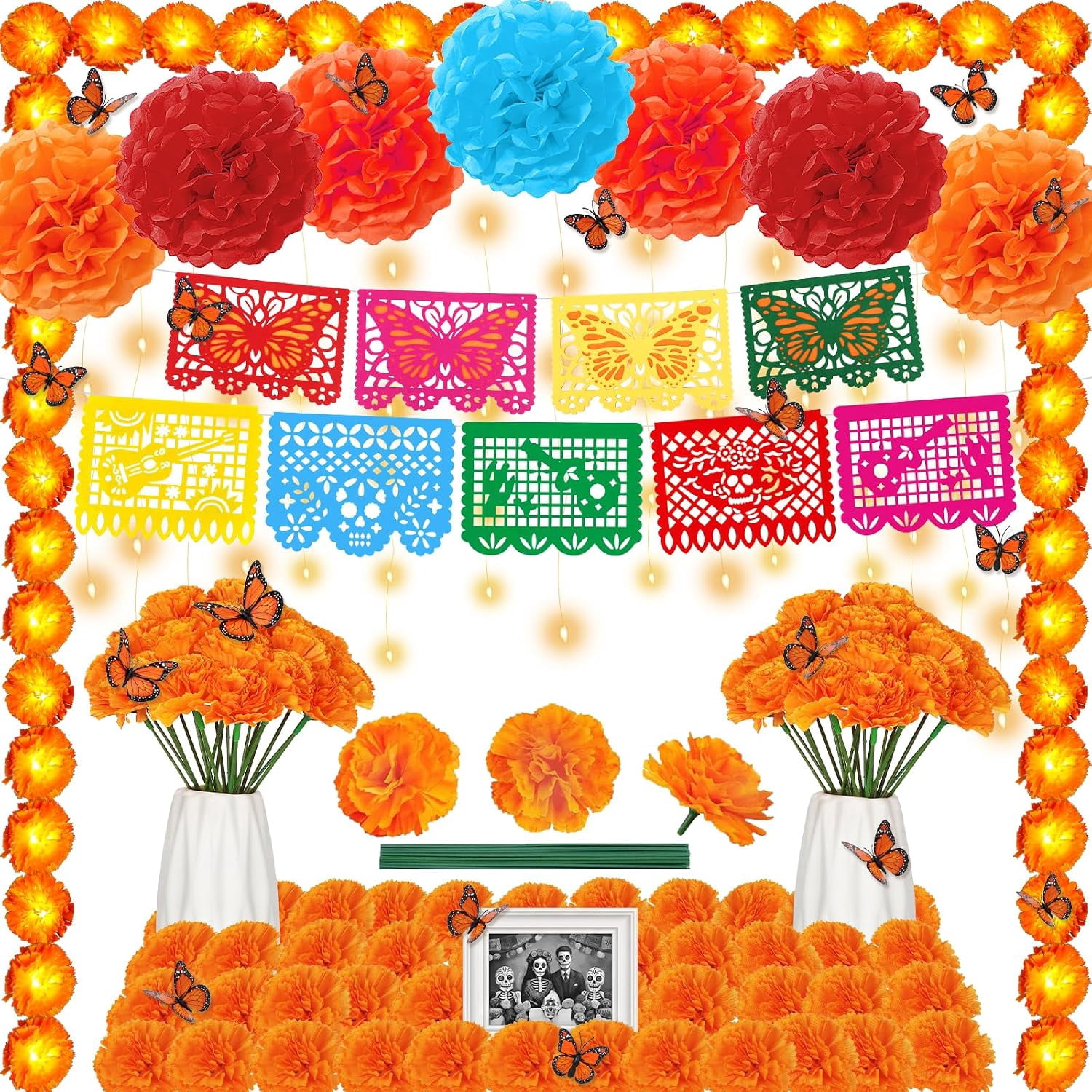
- Wind: Papel picado, or perforated paper banners, represents the air. Because the paper is lightweight and fragile, it flutters in the slightest breeze, signaling to the living that the spirits have arrived and are moving through the room.
- Water: A fresh glass of water is essential. It is placed on the altar to quench the thirst of the soul after their arduous journey from the other side. In some regions, it also symbolizes the purity of the soul.
- Fire: Candles (velas) are used to illuminate the path. Each candle represents a soul being remembered, though an extra candle is often lit for the "forgotten soul." The light serves as a beacon, ensuring the deceased do not lose their way in the darkness.
The Floral Path: Cempasúchil
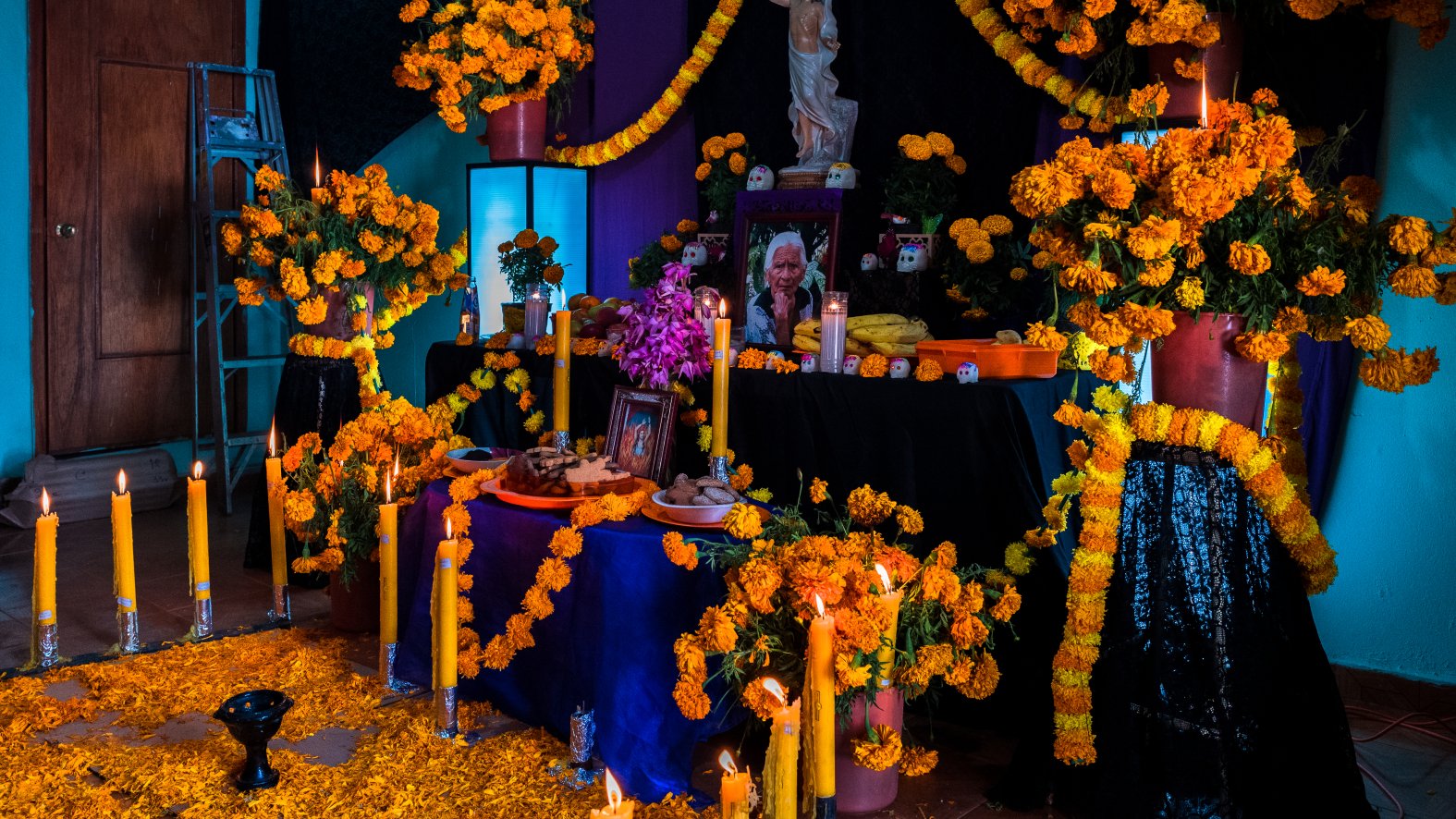
The Cempasúchil (Mexican Marigold) is known as the "flower of the dead." Its vibrant orange color and pungent, earthy scent are believed to guide the spirits to the ofrenda. When arranging your setup, do not just place them in vases. It is traditional to pull the petals apart and create a path (camino) from the entrance of the home directly to the base of the altar. This acts as a visual and olfactory map for the visiting ancestors.
Copal and Incense
Copal is a resin traditionally burned in a "sahumerio" or censer. Its distinct, pine-like smoke is used to purify the area around the altar and ward off evil spirits. By cleansing the air, the living ensure that only the intended loved ones enter the sacred space. If copal resin is unavailable, sandalwood or myrrh incense is a common modern substitute used in 2026.
Step-by-Step Instructions for the Setup
Arranging the altar should be a meditative and communal process. Follow these steps to ensure a respectful and traditional result.
1. Build the Foundation
Select a quiet area of your home where the altar will not be disturbed. Use a table or stack boxes to create your desired levels. Secure the tiers with tape or weights to ensure they can hold the weight of heavy ceramic dishes and water glasses. Cover the entire structure with a white cloth (representing purity) or colorful Mexican textiles like serapes.
2. Create the Arch
If possible, construct an arch over the top level using bamboo, reeds, or flexible wood. Decorate the arch heavily with marigolds and fruits. The arch represents the entry portal between the world of the living and the world of the dead. It is the literal "doorway" through which the spirits pass.
3. Place the Photographs
The photographs of the deceased should be the focal point of the altar. In a 7-level setup, these are typically placed on the second-to-top level. If you are honoring multiple people, arrange them clearly so each has space for their own specific offerings. It is customary to place a small mirror near the photos; this allows the spirits to see their reflection and remember they are no longer in physical form.
4. Arrange the Food and Personal Items
Place the Pan de Muerto and favorite dishes on the middle levels. If the deceased enjoyed a particular beverage, such as tequila, coffee, or a specific soda, include a small bottle or cup of it. Beyond food, include personal objects (objetos personales) that the person used in life—a pair of glasses, a deck of cards, a musical instrument, or a favorite book. For deceased children (angelitos), it is common to include toys and sweets.
5. Final Decorative Touches
Intersperse calaveras de azúcar (sugar skulls) throughout the levels. These colorful skulls represent the sweetness of life and the inevitability of death; they are often inscribed with the names of the deceased—or even the living—on the forehead. Fill any remaining gaps with more marigolds, candles, and papel picado to create a dense, vibrant, and festive appearance.
Common Mistakes to Avoid
While the ofrenda is a personal expression, there are a few common errors that can detract from the tradition:
- Using Artificial Flowers Only: While silk marigolds are durable, the scent of fresh cempasúchil is a functional part of the ritual (guiding the dead). Always try to include at least some fresh flowers or essential oils to provide that olfactory guide.
- Forgetting the Salt: Salt is one of the most critical elements for the soul’s journey. It prevents the spirit from "corrupting" or losing its essence during the transit between worlds.
- Including Living People in Photos: A Dia de los Muertos altar is strictly for those who have passed. Including a photo of a living person is considered bad luck in many traditional circles, as the altar is specifically a space for the dead.
- Neglecting the Water: Spirits are said to arrive exhausted and parched. A dry altar is considered unwelcoming.
Frequently Asked Questions
When should I start setting up the altar in 2026?
Traditionally, the altar should be completed by the evening of October 27th or 28th. Different days are dedicated to different types of souls: October 28th is for those who died tragically, October 30th and 31st are for children, and November 1st (All Saints' Day) is for all souls. The spirits are said to depart on November 2nd.
Can I include pets on my altar?
Yes. In recent years, it has become increasingly common to honor deceased pets on the ofrenda. You can include a photograph of your pet and their favorite treats or a toy. Many people dedicate October 27th specifically to the return of beloved animal companions.
Is the sugar skull meant to be eaten?
While sugar skulls are edible, those placed on the altar are primarily decorative. Over time, the sugar can harden or attract insects. If you wish to eat sugar skulls, it is best to buy separate ones for consumption and leave the dedicated "ofrenda" skulls as symbolic offerings.
How do I dispose of the food after the celebration?
By the morning of November 3rd, the spirits are believed to have "consumed" the essence and aroma of the food. While the food may still look intact, it is often said to have lost its flavor. Most families dispose of the perishable food respectfully. However, the Pan de Muerto and fruits can sometimes be eaten by the family if they are still fresh, depending on local family traditions.
Does the altar have to be inside the house?
While most personal ofrendas are built inside the home, they can also be set up in courtyards, gardens, or directly at the gravesite in the cemetery. The location is less important than the intention and the inclusion of the guiding elements like light and scent.
Practical Recommendations for 2026
For those preparing an altar for the 2026 season, sustainability and authenticity are key trends. Consider sourcing marigolds from local farmers' markets to ensure they are fresh and fragrant. If you live in an apartment where burning copal or candles is a fire hazard, high-quality LED candles and essential oil diffusers can provide the necessary light and scent without the risk.
The most important step you can take next is to gather stories. Before you place a photo on the altar, take a moment to write down or share a favorite memory of that person. The ofrenda is a physical structure, but its true power lies in the act of remembering. Ensure your setup is ready by October 31st to fully participate in the peak of the festivities on November 1st and 2nd.
Image Gallery