Analyzing Life Insurance Demand by State: Trends, Drivers, and Regional Variations
Life insurance demand varies significantly across U.S. states, shaped by local demographic profiles, regional economic conditions, cost-of-living metrics, and state-specific regulatory environments. Understanding these geographic dispa...
Life insurance demand varies significantly across U.S. states, shaped by local demographic profiles, regional economic conditions, cost-of-living metrics, and state-specific regulatory environments. Understanding these geographic disparities helps carriers optimize distribution channels and assists consumers in evaluating their coverage needs relative to regional benchmarks.
Contents
The Landscape of Life Insurance Demand Across the United States
Life insurance protection remains a critical cornerstone of household financial planning, yet the volume, type, and face value of policies purchased vary dramatically from one state to another. These variations are not random; they correlate closely with regional economic health, average household income, median age, and cultural attitudes toward risk and legacy planning.
When examining life insurance demand by state, industry analysts typically look at metrics such as aggregate policy face amounts, the percentage of the population with coverage (coverage gaps), and the popularity of specific product structures like term versus permanent life insurance. While national trade groups like the American Council of Life Insurers (ACLI) provide broad macroeconomic data, state-level insurance commissioners and market research firms drill down into localized purchasing habits.
Geographic analysis reveals that states with booming metropolitan economies often exhibit higher demand for substantial term life policies to cover mortgage liabilities and income replacement for young families. Conversely, states with older demographic profiles—such as Florida or parts of the Midwest—frequently see higher interest in permanent life insurance products, which are often utilized for estate planning, final expenses, and wealth transfer strategies.
Key Demographic and Economic Drivers of State-Level Demand
Several core variables dictate how much life insurance is demanded and purchased within a given state. Recognizing these drivers explains why demand concentrates in certain geographic corridors.
Household Income and Cost of Living
Disposable income is one of the most reliable predictors of life insurance ownership. States with higher median household incomes, such as Maryland, New Jersey, and Massachusetts, generally report higher average face values per policy. Residents in these areas have more capital to allocate toward premium payments. However, a high cost of living can sometimes create a paradox: while residents recognize the need for higher coverage amounts to replace high salaries, stretched monthly budgets can depress overall policy adoption rates among middle- and lower-income brackets.
Age Distribution and Family Structure
Demographics heavily skew regional demand. States with younger populations and higher birth rates—such as Utah, Texas, and Alaska—tend to drive steady demand for term life insurance, as young parents seek to protect their dependents' financial futures. On the other hand, states with high concentrations of retirees exhibit different purchasing patterns, focusing on products that address longevity risk, estate liquidity, and final expenses.
Employment and Group Insurance Availability
The structure of the local labor market also plays a vital role. States with high concentrations of corporate headquarters, technology hubs, or robust public sector employment often feature widespread access to group life insurance through employers. While group policies provide a baseline of protection, they are frequently insufficient for comprehensive financial security, prompting financial professionals in those states to market supplemental individual policies aggressively.
Regional Variations: Comparing Select State Markets
To understand the practical differences in life insurance demand, it is helpful to contrast how different regions approach coverage based on their unique economic and social landscapes.
| State / Region Category | Dominant Demand Drivers | Primary Product Focus | Typical Coverage Challenges |
|---|---|---|---|
| Northeast (e.g., NY, MA) | High median income, estate planning needs, dense professional services. | Permanent life insurance, high-value term policies. | High cost of living crowding out discretionary premium allocation. |
| Sunbelt / Southwest (e.g., TX, FL) | Population growth, inward migration, younger families, retirement influx. | Term life for families; final expense and permanent for retirees. | Rapidly changing local demographics and varying insurance literacy. |
| Midwest (e.g., OH, IL, MI) | Stable labor markets, multi-generational households, traditional financial values. | Balanced mix of term and whole life insurance. | Slower wage growth relative to coastal markets limiting face value increases. |
| Mountain West (e.g., UT, CO) | Younger median age, high household formation rates, outdoor-oriented lifestyles. | Affordable term life insurance for mortgage and child-rearing protection. | Managing coverage gaps as housing costs outpace baseline policy amounts. |
This comparative framework demonstrates that a one-size-fits-all marketing or regulatory approach fails to capture the nuances of regional insurance markets. Carriers must tailor their product offerings to align with what local consumers value most.
Regulatory Environments and Consumer Protection by State
The regulation of life insurance products, solvency requirements, and consumer protections occurs almost exclusively at the state level, overseen by individual state insurance departments coordinated through the National Association of Insurance Commissioners (NAIC). These regulatory differences can indirectly influence demand and product availability.
States with stringent consumer protection laws and rigorous approval processes for rate adjustments can alter how competitive the market is for carriers. For instance, some states mandate specific disclosure timelines or offer state-backed guaranty associations with varying coverage limits if an insurer becomes insolvent. Consumers in states with active, transparent insurance departments often enjoy higher consumer confidence, which can positively influence their willingness to purchase long-term financial products like permanent life insurance.
Furthermore, state-specific premium taxes and licensing requirements affect the operational costs of insurance agents and brokers. In states where distribution costs are lower, companies may invest more heavily in localized marketing and educational outreach, thereby stimulating consumer demand.
Addressing the Coverage Gap
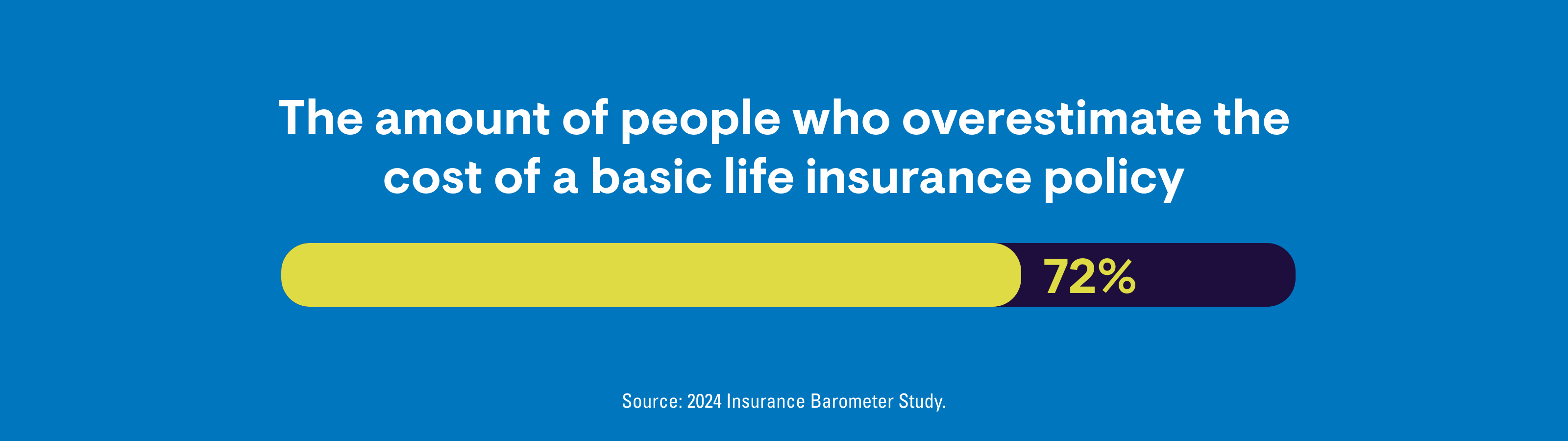
Despite the availability of diverse products, a persistent coverage gap exists across the United States. Industry studies, such as the annual Insurance Barometer Study conducted by LIMRA and Life Happens, consistently show that a significant percentage of American households feel underinsured or have no life insurance coverage at all.
This gap varies by state, often widening in areas with lower financial literacy rates or limited access to independent financial advisors. Closing this gap requires localized educational initiatives. Financial professionals, employers, and community organizations must work together to demystify life insurance, illustrating that term policies, in particular, are often far more affordable than consumers assume.
Common Misconceptions Affecting Regional Demand
- Cost Exaggeration: Many consumers across all states overestimate the cost of a standard term life insurance policy by a factor of three or more.
- Workplace Reliance: A widespread belief exists that employer-provided group life insurance is sufficient, leaving families vulnerable if the employee changes jobs.
- Perceived Complexity: The distinction between term and permanent life insurance frequently confuses consumers, delaying purchasing decisions until major life events occur.
Next Actions for Evaluating Your Coverage Needs
Evaluating whether your life insurance coverage aligns with regional norms and personal financial obligations requires a structured approach:
- Calculate Financial Liabilities: Assess your total debt, including mortgages, student loans, and credit lines, alongside future income replacement needs for dependents.
- Review Existing Policies: Inventory any group life insurance provided by your employer and determine if the death benefit would suffice if employment status changed.
- Obtain Multiple Quotes: Compare rates from licensed carriers operating in your state, factoring in your age, health status, and desired policy duration.
- Consult a Licensed Professional: Speak with an independent financial advisor or insurance broker who understands your specific state's regulatory environment and tax laws.
Image Gallery