The Truth Behind Who Invented the McFlurry Spoon and Its Iconic Design
The McFlurry spoon was invented by mechanical engineers and product developers working closely with Flurry creators and manufacturing partners at McDonald's corporate suppliers, most notably attributed to the engineering teams at, or c...
The McFlurry spoon was invented by mechanical engineers and product developers working closely with Flurry creators and manufacturing partners at McDonald's corporate suppliers, most notably attributed to the engineering teams at, or contracted by, the fast-food giant to solve a specific operational and mechanical problem during the dessert's preparation.
Contents
The Origins of the McDonald’s McFlurry
Introduced in Bathurst, New Brunswick, Canada, in 1995 by franchise owner Ron McLellan, the McFlurry quickly evolved from a local menu experiment into a global phenomenon. The dessert combined soft-serve vanilla ice cream with various candies, cookies, or syrups, thoroughly blended together to create a rich, uniform treat. However, as the product scaled across thousands of restaurants worldwide, an unexpected operational bottleneck emerged that threatened both service speed and equipment maintenance.
Preparing a McFlurry required blending mix-ins directly into thick soft-serve ice cream. In the early days, store operators experimented with standard disposable spoons or separate mixing attachments. These early methods proved inefficient, unhygienic, or mechanically flawed. If a traditional spoon was used to stir the ingredients manually, it was too slow for a high-volume drive-thru environment. If workers used a reusable metal spindle attached to the blending machine, that spindle had to be removed, cleaned, and sanitized after every single order to prevent cross-contamination of allergens like peanuts and dairy. In a bustling kitchen environment, washing a spindle between every transaction created severe delays and hygiene risks.
Recognizing these limitations, corporate leadership and equipment manufacturers realized they needed an innovative piece of disposable cutlery that could double as a machine attachment. This realization set the stage for one of the most clever, albeit frequently misunderstood, pieces of industrial design in the fast-food industry.
The Engineering Behind the Hollow Spoon
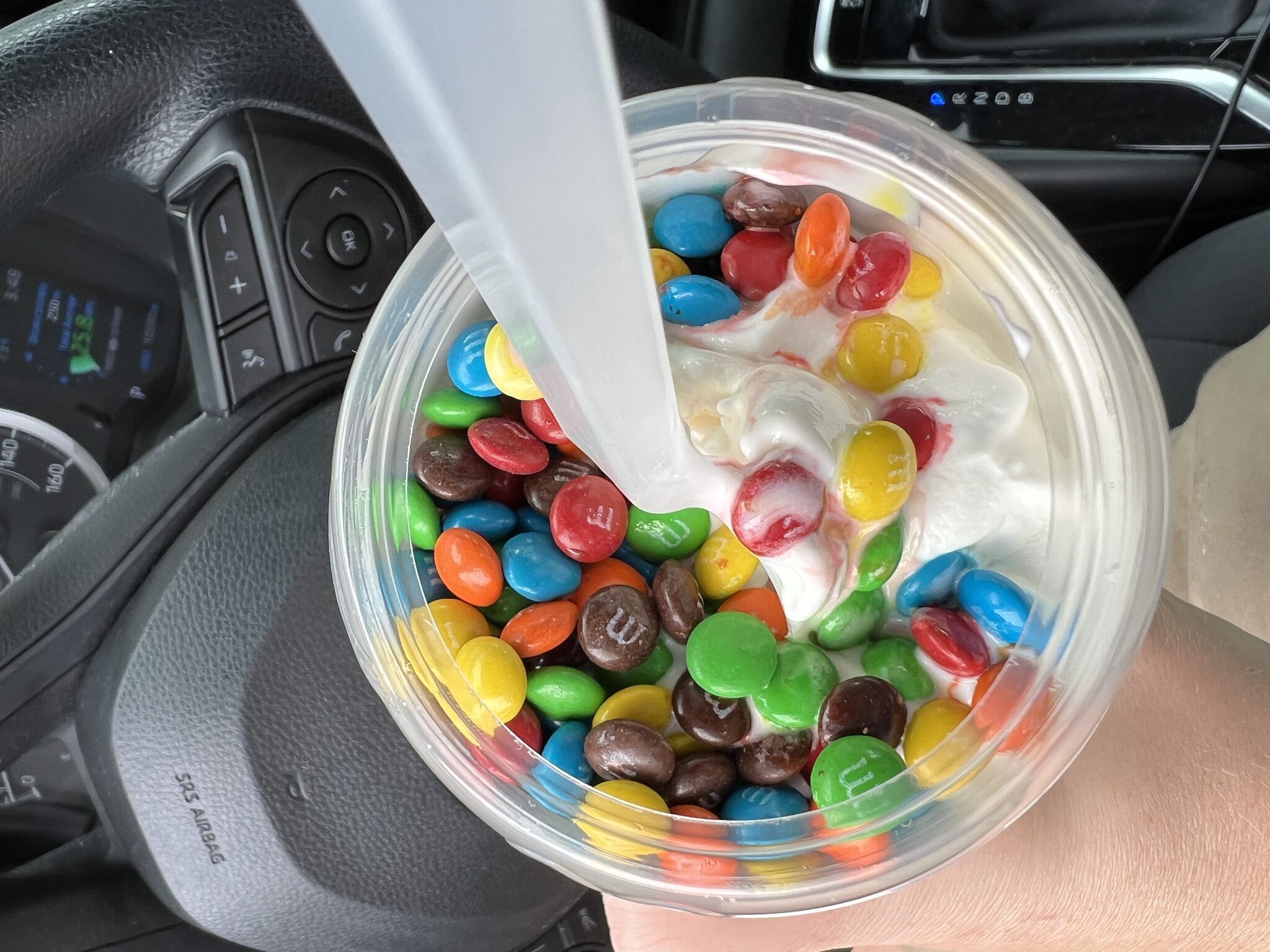
The defining characteristic of the McFlurry spoon is its hollow, rectangular handle. Far from being a random design choice or a cost-saving measure to use less plastic, this hollow architecture is the core mechanical component that solves the blending problem.
When a customer orders a McFlurry, the crew member scoops soft-serve ice cream into a branded cup, adds the chosen topping (such as crushed Oreo cookies or M&Ms), and then grabs a specialized plastic spoon. Instead of using a separate metal blade on the blender, the employee slips the hollow top of the spoon directly onto the specialized agitator shaft of the McFlurry machine.
The machine locks onto the spoon, spinning it at high speeds to thoroughly mix the candy and ice cream right inside the serving cup. Once the blending cycle finishes, the employee detaches the spoon from the machine and hands the entire dessert—with the mixing tool still serving as the eating utensil—directly to the customer. This single-use methodology eliminated the need to clean machine parts between orders, dramatically speeding up service times while satisfying strict food safety standards.
Key Functional Specifications of the McFlurry Spoon Design
| Design Element | Functional Purpose | Operational Benefit |
|---|---|---|
| Hollow Rectangular Handle | Fits snugly over the motorized spindle of the blending machine | Eliminates the need for a permanent, detachable metal mixing blade |
| Rigid Plastic Composition | Withstands high torque and rotational friction without snapping | Prevents plastic shards from entering the food during high-speed blending |
| Flat, Paddle-Like End | Efficiently churns and incorporates dense mix-ins into soft-serve | Ensures an even distribution of toppings from top to bottom of the cup |
| Single-Use Disposable Build | Discarded by the customer after consumption | Eliminates cross-contamination risks and reduces cleanup labor |
Debunking Popular Myths: The Straw Conspiracy
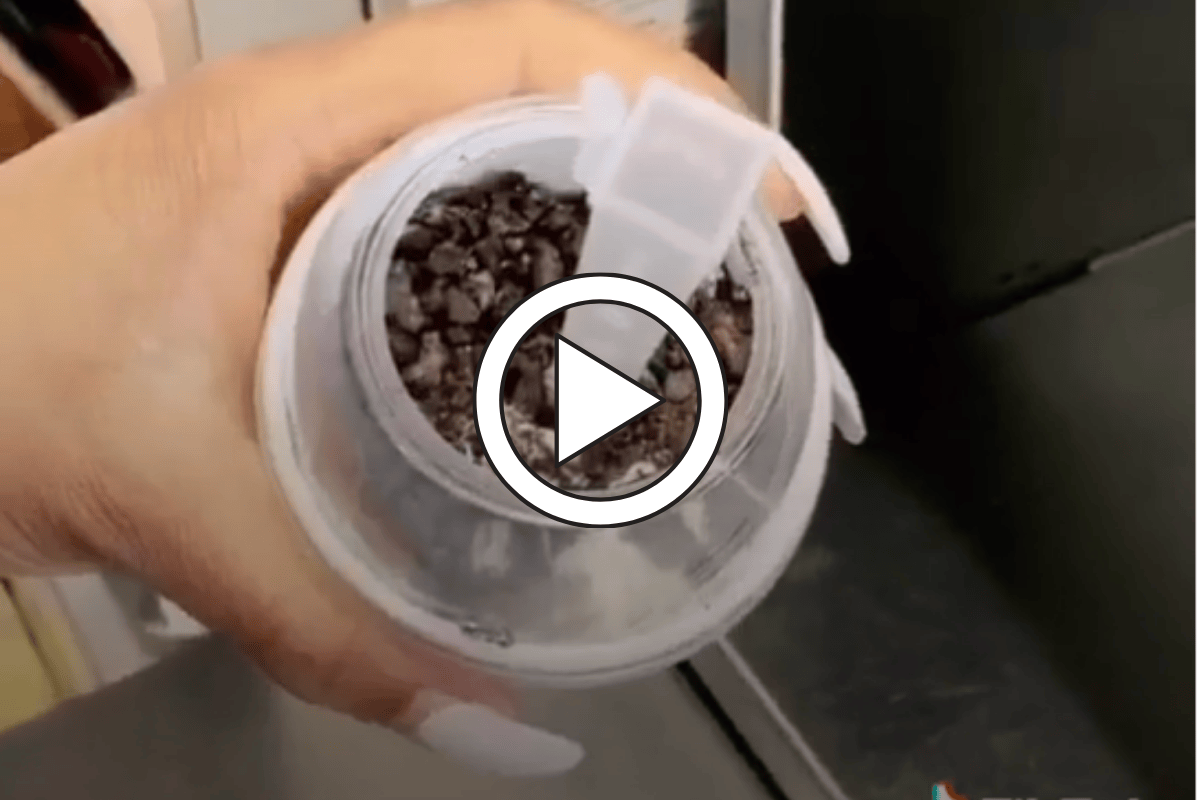
Over the years, internet culture has propagated numerous myths regarding the McFlurry spoon, most notably the persistent rumor that the handle is actually a hollow straw designed for drinking the melted remnants of the dessert. This misconception has been shared millions of times across social media platforms like TikTok, X (formerly Twitter), and YouTube, leading many consumers to attempt drinking through the top of the spoon.
Executives and official corporate communications from McDonald's have repeatedly debunked this theory. The handle is hollow strictly to accommodate the agitator shaft of the machine during the mixing process. While the top opening is technically open-ended, the plastic is thick, rigid, and unsuited for functional sipping. Furthermore, attempting to use it as a straw often results in frustration, as the melted ice cream and dense bits of candy clog the narrow opening.
Another common internet myth attributes the design to an individual inventor who allegedly sold the patent for a life-changing sum of money. While independent industrial designers and packaging manufacturers certainly pitch concepts to multinational corporations, the actual implementation of the McFlurry spoon was a collaborative engineering effort driven by McDonald's equipment suppliers and internal research and development teams rather than a single lone inventor.
Manufacturing, Material Evolution, and Environmental Pressures
As environmental regulations regarding single-use plastics have tightened globally, the production and composition of the McFlurry spoon have undergone significant transformations. Historically manufactured from virgin polypropylene or polystyrene, these spoons have faced intense scrutiny from sustainability advocates and government regulators aiming to reduce plastic waste in oceans and landfills.
In response, McDonald's has initiated widespread sustainability programs across various international markets. In regions such as the United Kingdom, Europe, and parts of Canada, traditional plastic McFlurry spoons have been replaced by alternative materials, including paper-based composites and wood.
Transitioning away from rigid plastic presented unique engineering hurdles. A paper or wooden spoon must possess enough structural integrity to withstand the intense rotational torque of a commercial blending machine without bending, splintering, or melting under friction. Packaging engineers had to redesign the interface between the spoon and the machine in certain markets where traditional plastic agitators were phased out in favor of reusable machine blades accompanied by conventional, non-spinning wooden or paper spoons.
Operational Challenges of Sustainable Spoon Alternatives
- Torque Resistance: Paper and wooden materials often struggle to handle the high-speed rotational force required to blend hard candy pieces into frozen dairy without breaking.
- Cost Constraints: Biodegradable polymers and certified sustainably sourced wood carry significantly higher unit costs than mass-produced petroleum-based plastics.
- Customer Experience: Consumers occasionally report textural differences or concerns regarding how paper-based utensils interact with cold, dense foods over extended eating periods.
Frequently Asked Questions
Why is the McFlurry spoon square and hollow?
The square, hollow handle is engineered to fit directly onto the spinning spindle of the McFlurry blending machine. This allows the spoon to act as the mixing blade itself, ensuring the ingredients are blended inside the cup without requiring restaurant staff to clean a machine part between orders.
Can you actually use a McFlurry spoon as a straw?
No. Despite widespread internet rumors, the handle is not designed to be a straw. It is hollow only to attach to the blender machine. Trying to drink through it is generally ineffective because of the thickness of the plastic and the viscosity of the dessert.
Did a single inventor get rich from inventing the McFlurry spoon?
No single individual is officially credited with a standalone patent for the design as an independent millionaire inventor. The spoon was developed through collaborative industrial engineering and product supply chains working with McDonald's equipment partners to solve a specific kitchen workflow challenge.
Why do some McFlurry spoons look different now?
Due to global regulations and corporate sustainability initiatives aimed at reducing single-use plastics, McDonald's has transitioned away from traditional plastic cutlery in many international markets, introducing wooden or paper-based alternatives that alter the spoon's appearance and texture.
Next Actions and Operational Takeaways
Understanding the history and engineering behind the McFlurry spoon highlights how fast-food corporations solve complex logistical challenges through functional product design. For consumers, recognizing that the utensil is an industrial mixing tool rather than a drinking straw clears up a common misconception. For businesses and product developers, the McFlurry spoon remains a classic case study in how modifying a disposable item to serve a dual manufacturing and consumer purpose can streamline operations on a global scale.
Image Gallery