Lisa Frank Warehouse Photos: Inside the Legendary 1990s Factory Archive
The elusive interior images of the Lisa Frank production and distribution facility capture a vibrant, neon-soaked time capsule of 1990s stationery culture. These visual records provide rare documentation of massive manufacturing floors...
The elusive interior images of the Lisa Frank production and distribution facility capture a vibrant, neon-soaked time capsule of 1990s stationery culture. These visual records provide rare documentation of massive manufacturing floors stacked floor-to-ceiling with iconic unicorn folders, rainbow stickers, and meticulously organized inventory ready for global shipment.
Contents
The Cultural Phenomenon of Lisa Frank and Its Tucson Headquarters
The corporate headquarters and manufacturing plant located in Tucson, Arizona, served as the epicenter of a multi-million-dollar stationery empire. Throughout the peak years of the brand, this facility was more than just an office building; it was a physical manifestation of the ultra-bright, whimsical aesthetic that dominated elementary school classrooms worldwide.
The exterior of the building, famously painted with gigantic, vibrant pandas, dolphins, and rainbows against the desert backdrop, signaled to visitors that they were entering a corporate environment unlike any other. However, the inner workings of the warehouse and production floors were strictly guarded trade secrets during the brand's heyday.
Authorized tours were rare, and media access was heavily controlled. Consequently, when images from inside the facility eventually surfaced in urban exploration circles and design retrospectives, they offered an unprecedented look at industrial-scale paper product manufacturing.
What Real Lisa Frank Warehouse Photos Reveal About Production
Examining the archival and photographic documentation of the operational era reveals specific industrial processes and storage methodologies used to meet massive international demand. The physical layout of the facility was massive, combining corporate executive spaces with heavy-duty warehousing.
- Massive Pallet Racking: High-bay steel shelving systems held thousands of shrink-wrapped boxes containing binders, Trapper Keepers, pencil cases, and sticker sheets.
- Specialized Printing Plates: Archival rooms housed heavy metal lithographic printing plates featuring custom neon inks that required exact color-matching protocols.
- Assembly and Kitting Lines: Long conveyor belts where workers manually assembled multi-item stationery sets, sorting loose holographic stickers into blister packs.
- Inventory Control Stations: Manual and early digital barcode tracking systems designed to handle thousands of unique SKU variations simultaneously.
The Transition from Active Plant to Abandoned Time Capsule
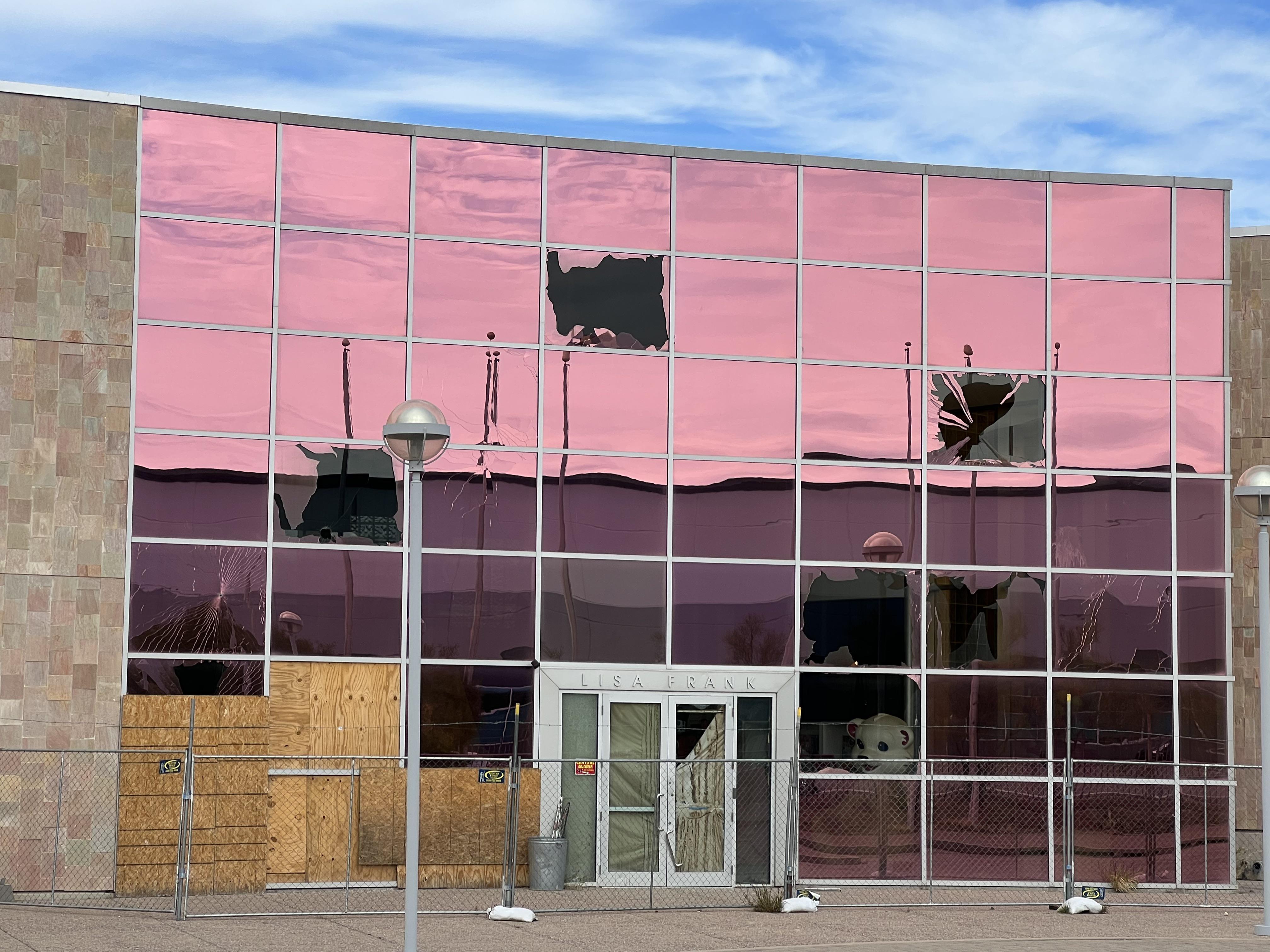
As the market shifted toward digital communication and retail consolidation in the late 2000s and 2010s, operations at the Tucson facility scaled down significantly. This operational contraction led to the creation of a different kind of visual documentation: urban exploration photography and retrospective photojournalism.
When independent photographers and former employees began sharing images of the quieter, partially vacated spaces, public fascination reached a new peak. These late-stage photographs documented untouched office cubicles featuring faded pastel carpets, remaining promotional displays, and lingering rolls of unused foil-stamped wrapping paper.
| Era of Documentation | Primary Photographic Focus | Accessibility & Legality | Notable Visual Elements |
|---|---|---|---|
| Peak Production (1990s) | Active manufacturing lines, product design rooms, bulk inventory staging. | Restricted (Corporate Employees and Press Only) | High-speed printing presses, massive stacks of finished rainbow folders, bright neon signage. |
| Wind-Down Phase (2010s) | Partially cleared administrative offices, remaining archive storage bins. | Strictly Controlled | Faded promotional posters, vintage CRT monitors, shelved product prototypes. |
| Post-Operations (Present) | Vacant architectural spaces, structural remnants, exterior murals. | Private Property / No Trespassing | Weathered exterior murals, empty warehouse floors, lingering industrial shelving. |
Why These Industrial Images Captivate Modern Collectors
The enduring appeal of these behind-the-scenes photographs lies in the sharp contrast between the hyper-manicured consumer products and the mundane reality of industrial warehousing. Fans of vintage stationery view these images through a lens of nostalgia, treating them almost as archaeological discoveries of a lost pop culture civilization.
Furthermore, the imagery highlights the physical scale of production required before global manufacturing shifted entirely to overseas hubs with fewer domestic footprints. Every folder, diary, and eraser was part of a massive logistical chain housed under one sprawling Arizona roof.
Frequently Asked Questions About Lisa Frank Facilities
Can the public visit the former Lisa Frank warehouse in Tucson?
No, the former headquarters and warehouse facilities are private property and are not open to public tours. Unauthorized entry is strictly prohibited, as the properties have changed hands and undergone various commercial redevelopments over the years.
Where can authentic historical photos of the factory be found?
Authentic images are occasionally published in retrospective design articles, architectural features on desert commercial real estate, or shared by former employees on professional networks like LinkedIn. Independent photo essays by authorized documentarians also surface periodically online.
Are there still products stored inside the abandoned warehouse?
No active commercial inventory remains inside the facilities. Most remaining stock, corporate archives, and original artwork assets were either sold off during corporate restructurings, acquired by private collectors, or moved to secure off-site storage locations.
What happened to the famous brightly painted exterior murals?
Over the years, commercial real estate turnover and natural desert weathering have impacted the exterior artwork. Some buildings associated with the brand's history have been repainted or remodeled to suit new commercial tenants, though the iconic imagery remains well-documented in digital archives.
How did the company manage such massive distribution nationwide?
The facility utilized a combination of direct freight logistics, regional distribution partnerships, and high-capacity packaging lines to supply major department stores, office supply chains, and specialty boutiques across North America during the brand's peak years.
Preserving the Visual History of 1990s Pop Culture
The photographic record of the Lisa Frank facilities serves as an important archive of late-20th-century commercial manufacturing and design culture. While the physical warehouses have transitioned into new chapters, the enduring imagery ensures that the neon-drenched legacy of the brand remains permanently captured for future generations of design historians and nostalgic collectors alike.
Image Gallery