How a Hydrating Exfoliating Body Scrub Works: The Science of Dual-Action Skincare
A hydrating exfoliating body scrub works by simultaneously removing dead skin cells through mechanical or chemical friction and infusing the newly revealed skin layers with moisture. This dual-action process uses abrasives or acids to...
A hydrating exfoliating body scrub works by simultaneously removing dead skin cells through mechanical or chemical friction and infusing the newly revealed skin layers with moisture. This dual-action process uses abrasives or acids to break cellular bonds while emollients and humectants replenish the lipid barrier, preventing irritation and dehydration.
Contents
The Biological Mechanism of Exfoliation and Hydration
To understand how a hydrating exfoliating body scrub functions, one must first look at the anatomy of the skin’s outermost layer, the stratum corneum. This layer consists of corneocytes (dead skin cells) held together by a "mortar" of lipids. Under normal conditions, the skin undergoes a natural renewal process called desquamation, where dead cells shed every 28 to 40 days. However, factors such as age, environmental pollutants, and lack of moisture can cause these cells to accumulate, leading to a dull, rough, or flaky appearance.
A hydrating scrub intervenes in this cycle by providing a controlled form of "trauma" that triggers renewal while providing the necessary tools for recovery. Unlike traditional harsh scrubs that may leave the skin feeling tight or stripped, a hydrating formula focuses on maintaining the acid mantle—the thin, slightly acidic film on the skin's surface that acts as a barrier to bacteria and moisture loss.
When you apply the scrub, the abrasive particles or chemical agents loosen the bonds between dead cells. As these cells are rinsed away, the hydrating components of the formula—usually oils, butters, or glycerin—fill the microscopic gaps left behind. This prevents Trans-Epidermal Water Loss (TEWL), which is the process where water evaporates from the skin into the atmosphere, a common side effect of over-exfoliation.
The Two Pillars of Exfoliation: Physical vs. Chemical
Hydrating body scrubs generally utilize one of two methods (or a combination of both) to achieve smooth skin. Understanding the difference is crucial for selecting a product that matches your specific skin physiology in 2026.
Physical Exfoliation (Mechanical)
Physical exfoliants rely on granulated particles to manually lift away debris. In hydrating formulations, these granules are often suspended in a rich base of oils or creams.
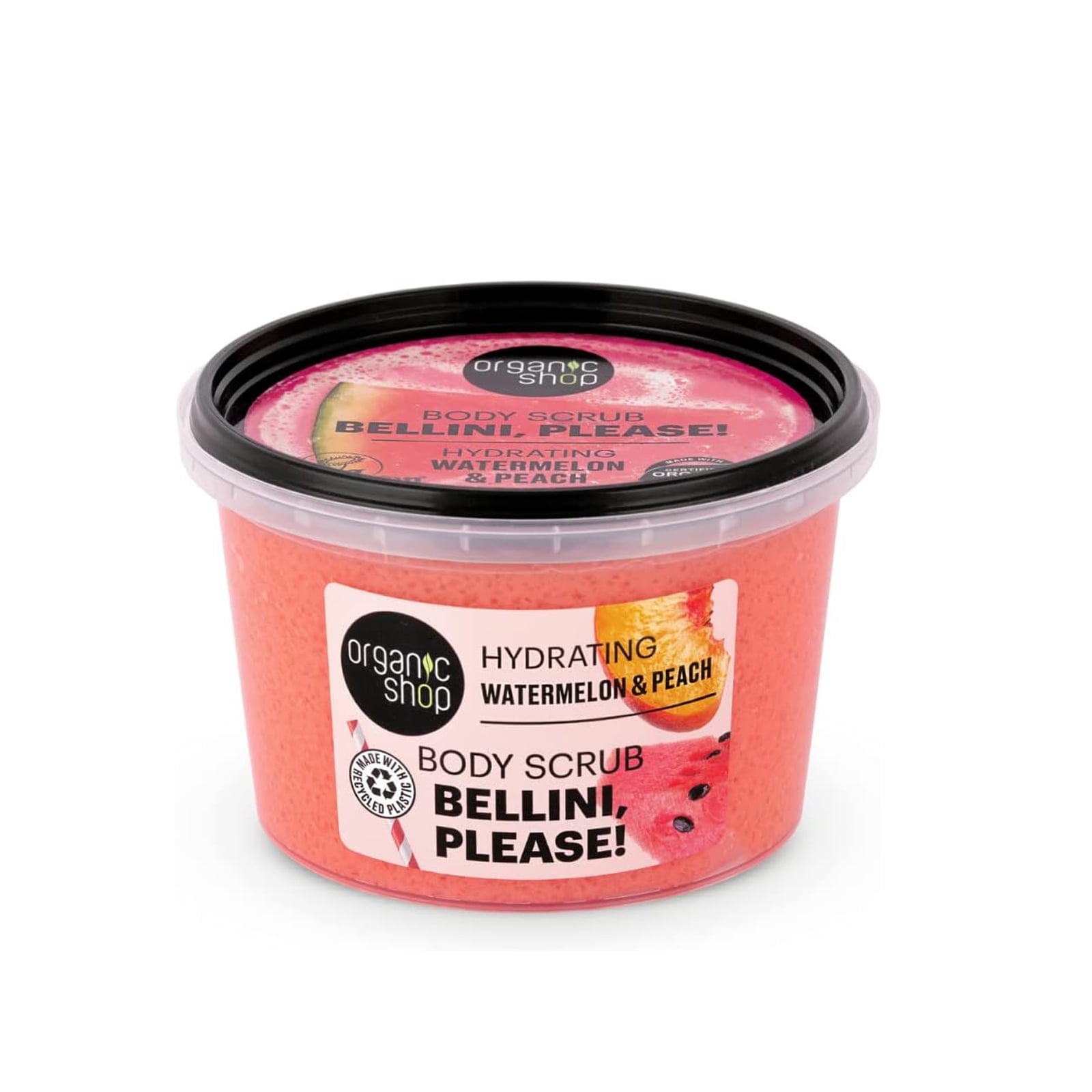
- Sugar: A natural humectant, sugar crystals are gentler than salt because they have fewer sharp edges. As you scrub, the sugar partially dissolves, releasing glycolic acid (a natural AHA) while drawing moisture into the skin.
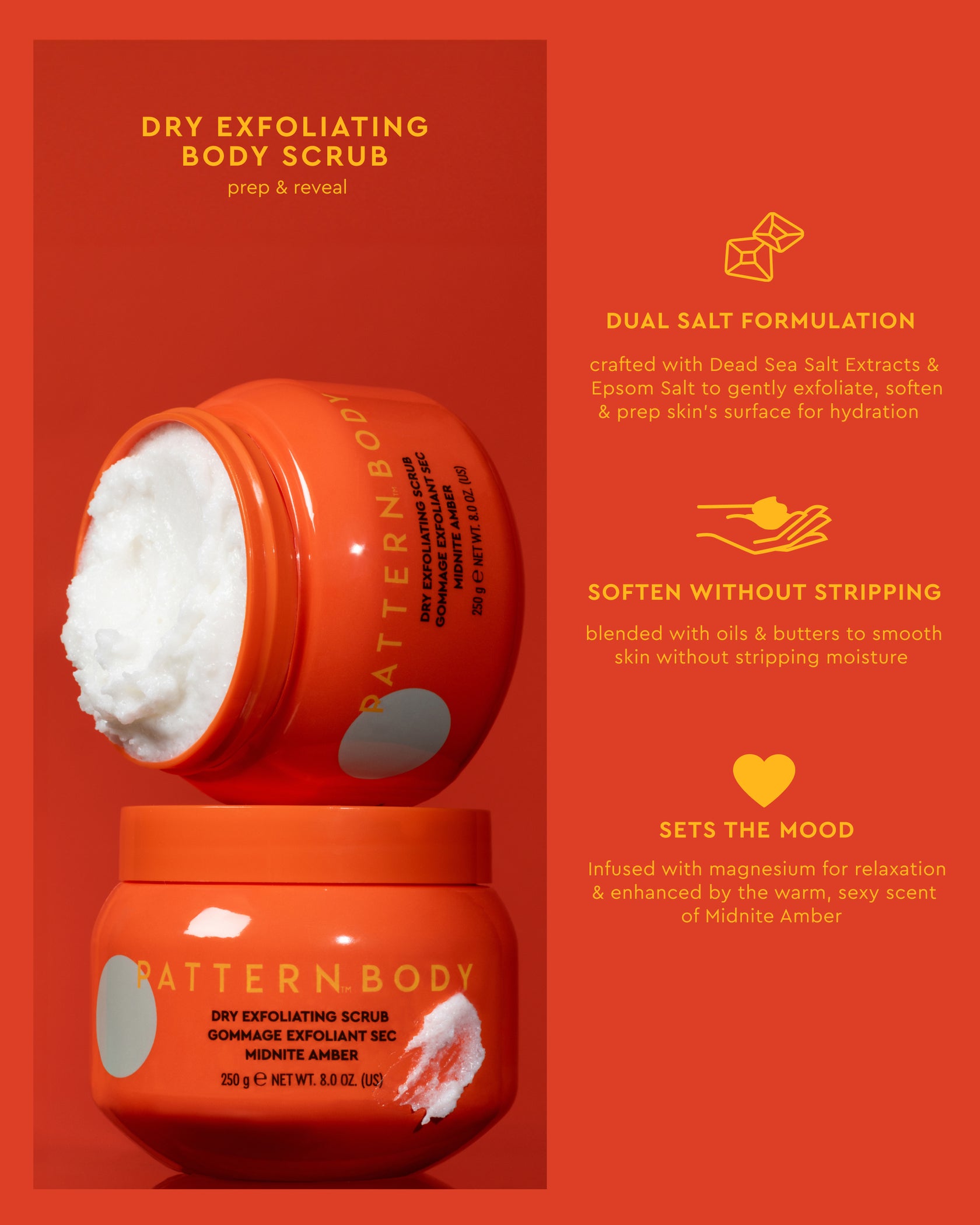
- Salt: Generally more abrasive, salt scrubs are excellent for "rough" areas like elbows and heels. They often contain minerals like magnesium and potassium, which can help reduce inflammation when paired with the right carrier oils.
- Jojoba Beads: These are spherical beads made from hydrogenated jojoba oil. Because they are perfectly round, they do not cause micro-tears in the skin, making them the gold standard for sensitive skin hydration.
Chemical Exfoliation (Enzymatic and Acid-Based)
Chemical exfoliants use biological agents to dissolve the "glue" (desmosomes) that holds dead skin cells together.
- Alpha Hydroxy Acids (AHAs): Lactic acid is the most common AHA found in hydrating scrubs. It is unique because it is both an exfoliant and a humectant, meaning it helps the skin hold onto water while it clears away debris.
- Beta Hydroxy Acids (BHAs): Salicylic acid is oil-soluble, allowing it to penetrate deep into the pores. While often used for acne, in body scrubs, it helps clear "strawberry skin" (keratosis pilaris) while accompanying oils soothe the surface.
The Role of Hydrating Agents: Humectants, Emollients, and Occlusives
The "hydrating" part of the scrub is not a single ingredient but a strategic blend of three types of moisturizing agents. Without these, the exfoliation process would likely compromise the skin barrier.
- Humectants: These ingredients, such as glycerin, hyaluronic acid, and honey, act like magnets. They pull water from the air or the deeper layers of the dermis into the stratum corneum. In a shower setting, humectants grab the steam and water on your skin and lock it into the cells.
- Emollients: Ingredients like shea butter, cocoa butter, and squalane fill in the "cracks" between skin cells. They provide that immediate feeling of smoothness and "slip." They are essential for repairing the lipid barrier that might be disturbed during the scrubbing process.
- Occlusives: These are heavier substances like petrolatum, beeswax, or certain heavy plant oils (like coconut or castor oil). They form a protective seal over the skin. In a hydrating scrub, the occlusive layer ensures that the moisture provided by the humectants does not evaporate once you step out of the shower.
Comparative Analysis of Common Scrub Bases
The effectiveness of a hydrating scrub depends heavily on the "carrier" or base that holds the exfoliating particles. Use the table below to compare how different bases interact with the skin.
| Base Type | Primary Benefit | Best For | Technical Drawback |
|---|---|---|---|
| Oil-Based (e.g., Almond/Jojoba) | High emolliency; leaves a protective film. | Dry, flaky skin; winter use. | Can make shower floors slippery; may clog pores on the back (bacne). |
| Cream/Lotion-Based | Balanced hydration; rinses off cleanly. | Normal to sensitive skin. | Lower concentration of occlusives; may require post-shower lotion. |
| Gel-Based (with AHAs) | Deep pore cleansing; lightweight. | Oily or acne-prone body skin. | Can be drying if not formulated with high glycerin content. |
| Sugar-in-Oil | Self-dissolving; dual humectant action. | General maintenance; sensitive areas. | Granules may dissolve too quickly in very hot water. |
How to Optimize the Use of a Hydrating Scrub
To ensure a hydrating scrub works as intended, the application method must respect the skin's natural recovery time. According to the American Academy of Dermatology, the frequency and technique of exfoliation can significantly impact the health of the skin barrier.
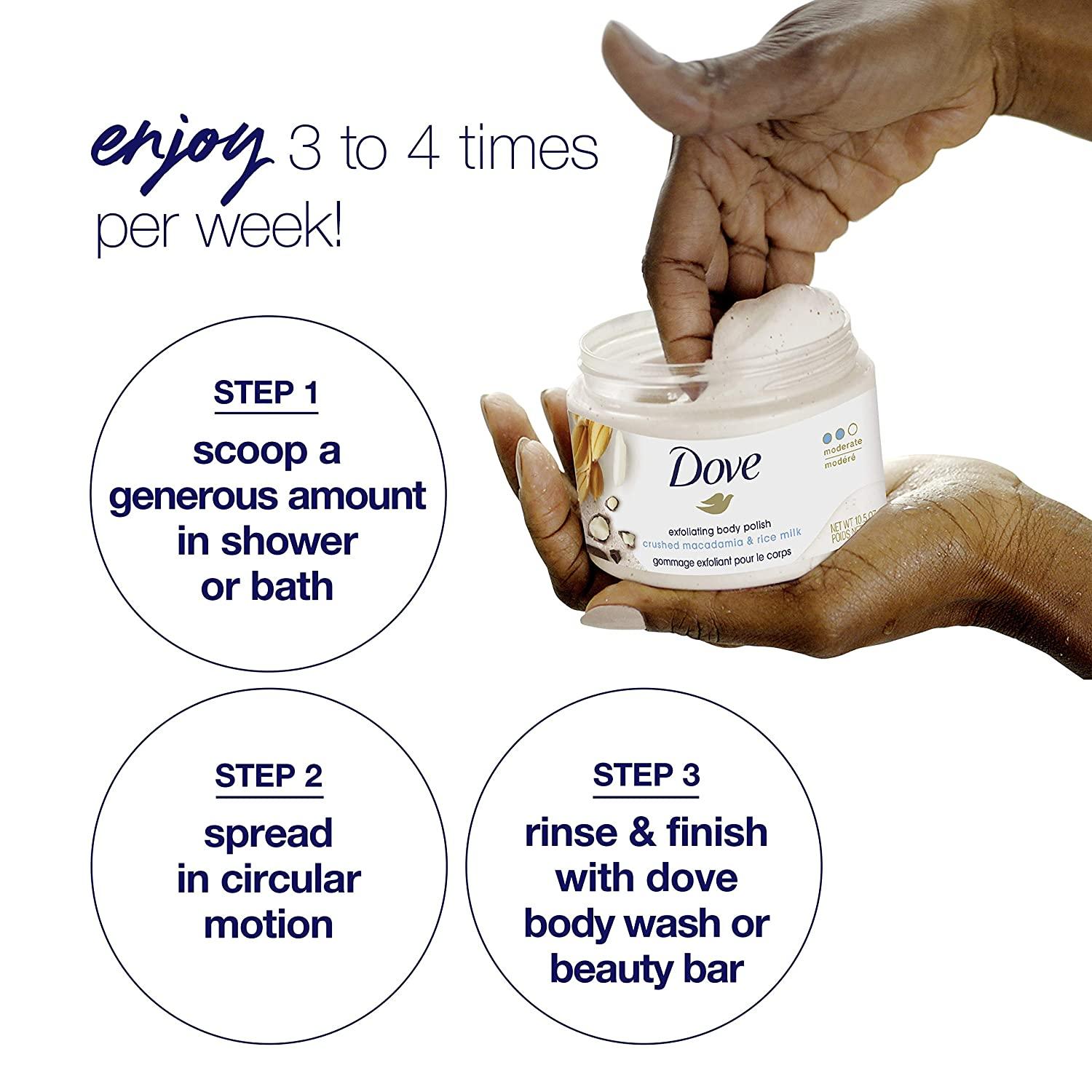
Step 1: Pre-Soaking
Allow your skin to soften in warm (not hot) water for 5 to 10 minutes. This softens the keratin in the dead skin cells, making them easier to remove without excessive force.
Step 2: Circular Application
Apply the scrub in gentle, circular motions. The pressure should be light; let the particles or acids do the work. If you are using a chemical scrub, you may need to let it sit for 2-3 minutes to allow the enzymes or acids to penetrate the cell bonds.
Step 3: Temperature Control
Rinse with lukewarm water. Using excessively hot water can strip away the very oils the hydrating scrub just deposited, defeating the purpose of the treatment.
Step 4: The "Damp Skin" Rule
When exiting the shower, pat your skin dry rather than rubbing it. Applying a secondary moisturizer while the skin is still slightly damp helps the occlusive agents in the scrub and the lotion to lock in maximum hydration.
Common Mistakes and Troubleshooting
Even the best hydrating scrub can cause issues if misused. One frequent error is over-exfoliation, which manifests as redness, stinging, or a "shiny" look to the skin that isn't related to oiliness. If this occurs, it indicates that you have scrubbed through the dead layer and are damaging the live cells underneath.
Another common issue is using a body scrub on the face. The skin on the body is significantly thicker than facial skin. Body scrubs often contain larger, more irregular particles and higher concentrations of fragrance or heavy oils that can cause micro-tears or breakouts on the face. Always keep body products below the neck.
Finally, check the shelf life. In 2026, many hydrating scrubs utilize natural oils and butters that can go rancid over time. If a scrub changes scent or color, the lipids have likely oxidized, which can create free radicals that damage the skin rather than heal it.
Frequently Asked Questions
Can I use a hydrating scrub if I have sensitive skin?
Yes, but you must choose the right exfoliant. Avoid large-grain salt or crushed shells. Instead, look for jojoba beads or lactic acid-based scrubs. These provide the necessary cell turnover without the mechanical "scratching" that triggers inflammation in sensitive skin types.
How often should I use a hydrating body scrub?
For most skin types, two to three times per week is ideal. If you have extremely dry or thin skin, once a week is sufficient. Over-using a scrub can lead to a compromised skin barrier, resulting in increased sensitivity and Paradoxical Dryness, where the skin becomes even drier because it can no longer hold moisture.
Should I use the scrub before or after shaving?
It is generally best to use a hydrating scrub before shaving. The scrub lifts ingrown hairs and removes the dead skin that can clog your razor. Furthermore, because the scrub is hydrating, it leaves a thin film of oil that acts as a pre-shave lubricant. Scrubbing after shaving can lead to intense stinging and irritation on "fresh" skin.
Will a hydrating scrub help with keratosis pilaris (KP)?
Yes, hydrating scrubs are often the first line of defense against KP, often called "chicken skin." Look for formulas that combine Salicylic Acid (BHA) with urea or shea butter. The BHA dissolves the keratin plugs in the follicles, while the hydrating base softens the surrounding skin.
Do I still need to moisturize after using a hydrating scrub?
While many hydrating scrubs leave the skin feeling soft, it is still recommended to apply a lightweight lotion or body oil afterward. The scrub "primes" the skin for absorption, meaning your post-shower moisturizer will be significantly more effective than it would be on non-exfoliated skin.
Final Recommendations for 2026
When selecting a hydrating exfoliating body scrub in 2026, prioritize formulas that list humectants (like glycerin) in the top five ingredients and utilize sustainable exfoliating particles. Avoid products with plastic microbeads, which are largely phased out globally due to environmental regulations, and instead opt for biodegradable options like bamboo powder or sugar. For the best results, match the "grit" of the scrub to your skin's current state: use salt for thick, calloused areas and sugar or enzymes for delicate areas like the chest and arms.
Image Gallery