Why 12 Step Programs for Codependency Matter in Recovery
Twelve-step programs for codependency provide a structured, peer-led framework designed to help individuals break cycles of people-pleasing, boundary loss, and emotional dependence. By offering free ongoing peer accountability, clear s...
Twelve-step programs for codependency provide a structured, peer-led framework designed to help individuals break cycles of people-pleasing, boundary loss, and emotional dependence. By offering free ongoing peer accountability, clear self-examination tools, and supportive community environments, these programs allow participants to detach lovingly from others, reclaim personal autonomy, and sustain long-term emotional recovery alongside or beyond professional therapy.
Contents
Disclaimer: The information in this article is for educational purposes only and does not constitute medical, psychiatric, or clinical advice. Individuals coping with severe mental health challenges or severe distress should consult licensed mental health professionals.
Understanding Codependency and the Role of 12-Step Fellowships
Codependency is a pattern of behavior in which an individual habitually prioritizes the needs, feelings, and problems of others above their own, often at the expense of their physical, emotional, and financial well-being. Historically emerging within the context of addiction recovery—where family members of individuals with alcohol or substance use disorders developed reactive, controlling, or enabling behaviors—the understanding of codependency expanded to encompass any relational dynamic characterized by low self-worth, excessive caretakership, and a desperate need for external validation.
While codependency is not formally classified as a standalone psychiatric disorder in the Diagnostic and Statistical Manual of Mental Disorders (DSM-5-TR), clinical psychologists and relational therapists widely recognize it as a pervasive set of maladaptive behaviors. Left unaddressed, codependency can contribute to chronic anxiety, depressive symptoms, burnout, and destructive relationship cycles.
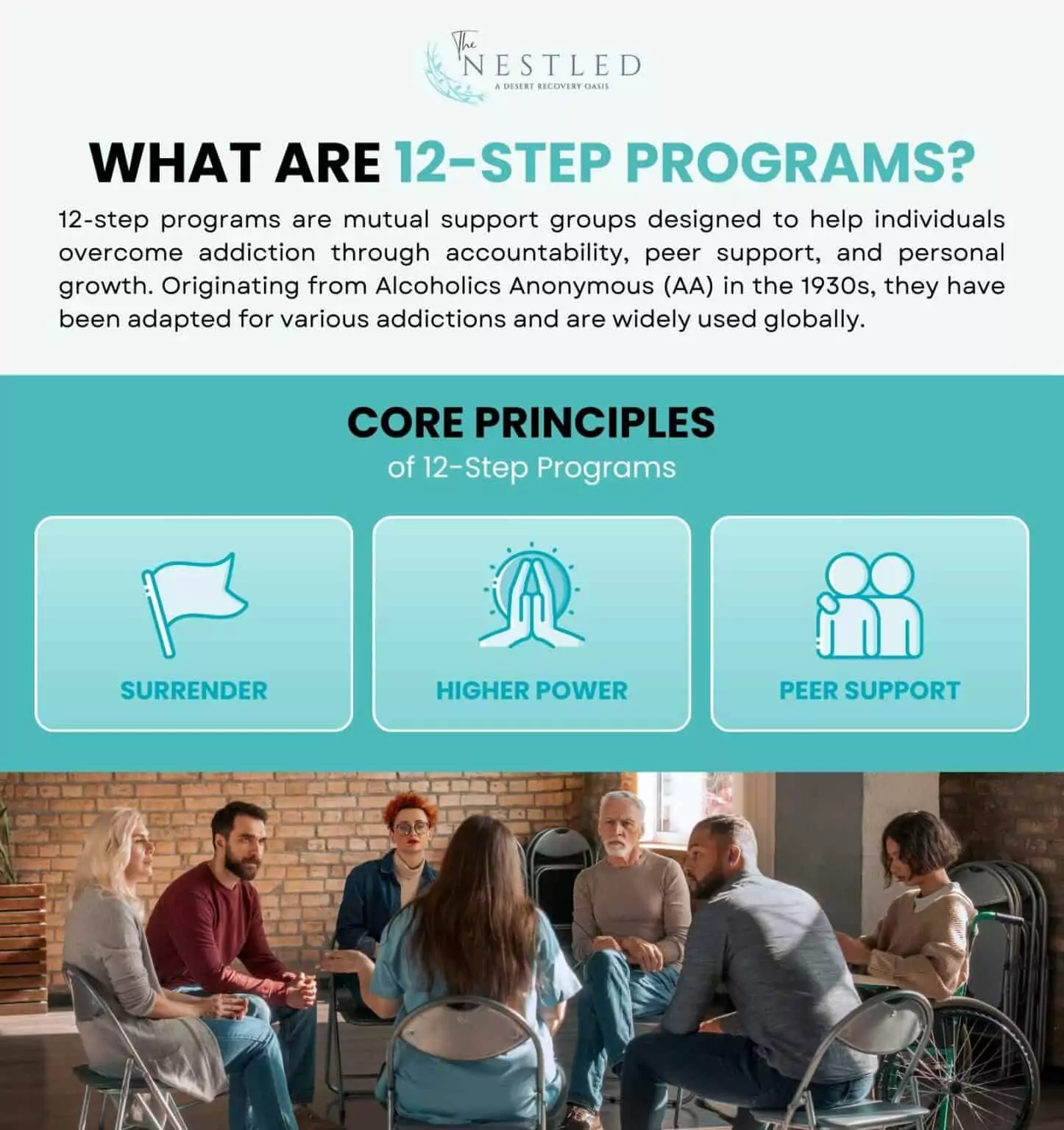
Twelve-step fellowships tailored specifically for codependency—such as Co-Dependents Anonymous (CoDA), founded in 1986, and Al-Anon Family Groups, established in 1951—apply the core principles of peer recovery original to Alcoholics Anonymous (AA) to relational patterns. Rather than focusing on abstinence from a chemical substance, codependency 12-step programs guide participants toward abstaining from maladaptive behaviors, such as manipulation, hyper-vigilance, controlling others, and self-neglect, while maintaining healthy human connections.
Core Reasons 12-Step Programs Matter in Recovery
1. Breaking the Isolation of Relational Trauma
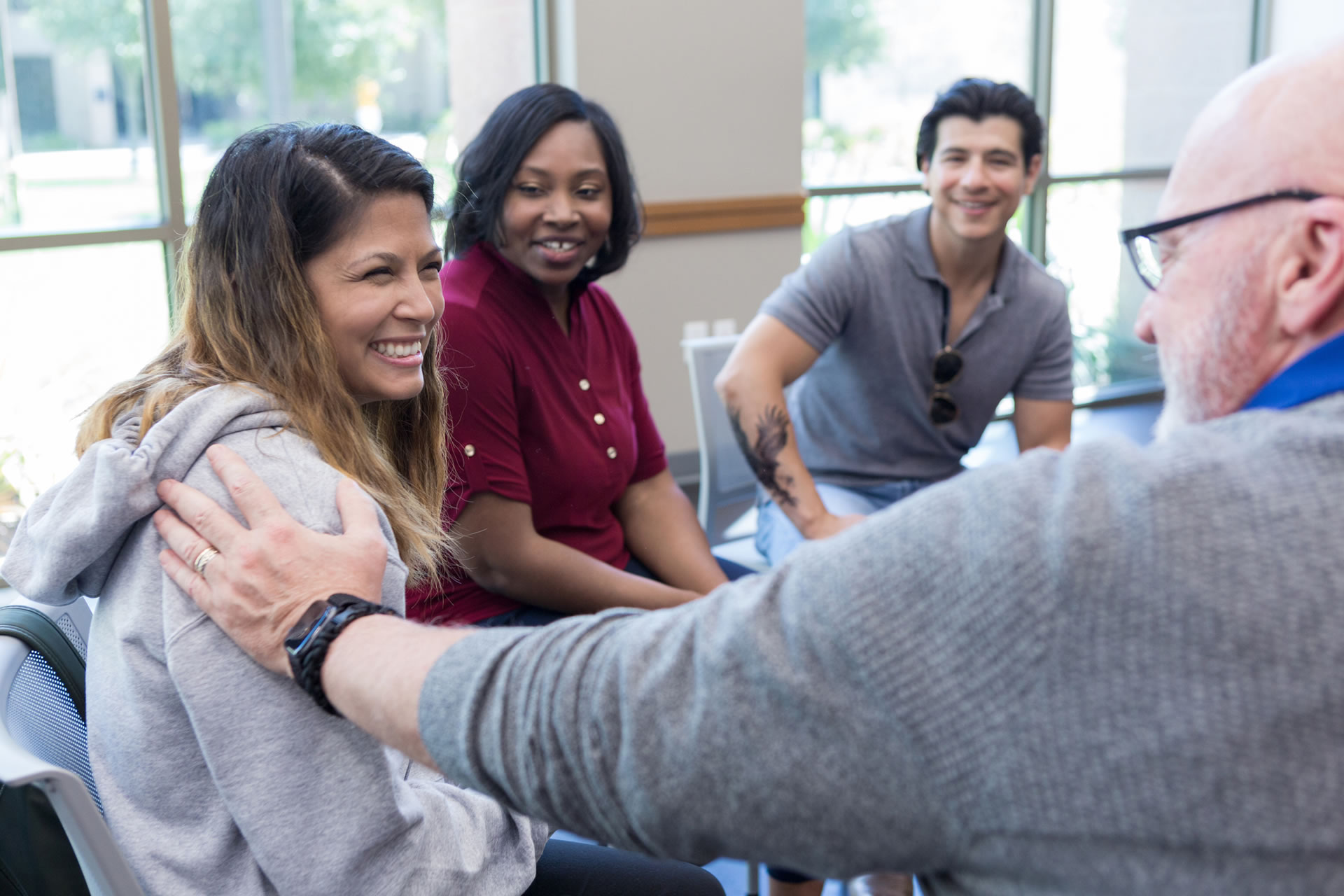
Codependent individuals frequently carry profound feelings of shame and isolation. Because their self-worth is tied to managing the emotions or behaviors of partners, parents, children, or colleagues, they often feel entirely responsible for relational failures. Attending 12-step meetings provides an environment where members share their lived experiences without judgment. Hearing peers articulate identical struggles—such as the inability to say "no," staying in abusive dynamics, or feeling resentment after compulsively helping others—normalizes the experience and dismantles the isolation that keeps codependent patterns hidden.
2. Shifting Focus from Others to the Self
The core symptom of codependency is externalization: monitoring everyone else’s mood, safety, and actions while remaining oblivious to one’s own feelings, bodily needs, and values. Twelve-step programs systematically redirect focus inward. Through literature readings, daily reflection, and group discussions, members learn to identify what they feel, what they need, and where their responsibility ends and another person's begins.
3. Establishing a Free, Accessible Support System
Professional therapy is invaluable, but weekly or bi-weekly 50-minute clinical sessions may not satisfy the need for daily reinforcement when breaking ingrained emotional habits. Twelve-step fellowships operate worldwide through in-person gatherings, teleconferences, and online platforms without dues or fees. This accessibility ensures that recovery support is available continuous to anyone, regardless of socio-economic status or health insurance coverage.
4. Enforcing Strict Group Boundaries (The "No Crosstalk" Rule)
One of the most therapeutic structural elements of codependency 12-step meetings is the prohibition of crosstalk. Crosstalk refers to giving advice, interrupting, offering unsolicited feedback, or attempting to "fix" another member when they share. For codependents—who instinctively attempt to resolve others' problems or seek immediate advice for their own—this rule creates a unique boundary. Members learn to listen attentively without intervening and practice speaking candidly without receiving unsolicited judgments or directives.
How 12-Step Programs Complement Professional Therapy
While 12-step programs provide vital community support, they are not a replacement for specialized clinical interventions, such as cognitive-behavioral therapy (CBT), eye movement desensitization and reprocessing (EMDR), or psychodynamic psychotherapy. Instead, 12-step fellowships and professional mental healthcare work synergistically to create a robust recovery matrix.
| Recovery Component | Professional Therapy | 12-Step Fellowships |
|---|---|---|
| Primary Focus | Clinical diagnosis, trauma processing, and individualized intervention plans | Peer support, practical daily application, and spiritual/character growth |
| Facilitation | Licensed mental health professionals (LCSW, LMFT, PsyD, MD) | Peer-led by members using structured program literature |
| Cost & Access | Fee-based, insurance-dependent, scheduled appointments | Free (voluntary contributions), multi-session weekly access globally |
| Interpersonal Dynamics | One-on-one confidential dynamic or clinician-led structured group | Large community network, shared vulnerability, sponsor relationships |
| Boundary Practice | Theoretical strategy and therapeutic alliance boundary modeling | Real-time social execution through strict meeting rules (e.g., no crosstalk) |
Therapists frequently encourage clients dealing with relational trauma or enabling behaviors to join CoDA or Al-Anon. Therapy provides the space to process deep-seated childhood origins of codependency, while 12-step meetings offer daily opportunities to practice self-reflection, boundary setting, and detachment in a supportive peer environment.
Primary Fellowships Addressing Codependency
Several 12-step fellowships address codependency directly or through related family dynamics. Understanding the differences among these groups helps individuals choose the right meeting for their specific circumstances.
- Identifying the Right Codependency 12-Step Group
- Primary Focus: General Relational Issues
- CoDA (Co-Dependents Anonymous)
- Primary Focus: Addiction in Family
- Al-Anon (Alcohol Impact)
- Nar-Anon (Narcotics Imp.)
- ACA (Adult Children of Alcoholics/Dysfunctional)
- Primary Focus: General Relational Issues
Co-Dependents Anonymous (CoDA)
Founded in 1986, CoDA is dedicated exclusively to helping individuals develop healthy, fulfilling relationships. CoDA literature outlines patterns and characteristics of codependency categorized under five core areas: Denial, Low Self-Esteem, Compliance, Control, and Avoidance. It is open to anyone desiring healthy and loving relationships.
Al-Anon Family Groups
Established in 1951 by Anne B. and Lois W. (wife of Alcoholics Anonymous co-founder Bill W.), Al-Anon is tailored for friends and family members of individuals who struggle with alcoholism. It focuses on helping loved ones regain emotional stability whether or not the alcoholic achieves sobriety, emphasizing principles like "loving detachment."
Adult Children of Alcoholics & Dysfunctional Families (ACA)
ACA focuses on individuals who grew up in alcoholic or otherwise dysfunctional households. ACA addresses the root causes of codependency by helping adult children heal early childhood trauma, work through grief, re-parent themselves, and dismantle rigid defense mechanisms developed in chaotic home environments.
Nar-Anon Family Groups
Similar in structure to Al-Anon, Nar-Anon is specifically oriented toward individuals affected by a family member or loved one's drug addiction. It provides peer support geared toward navigating the severe crises, boundary violations, and emotional turmoil associated with illicit or prescription substance abuse.
Applying the 12 Steps to Codependency: Key Milestones
The 12 steps were originally created to achieve abstinence from alcohol, but when applied to codependency, they serve as a framework for unlearning relational compulsion and developing internal self-worth.
Step 1: Admitting Powerlessness Over Others
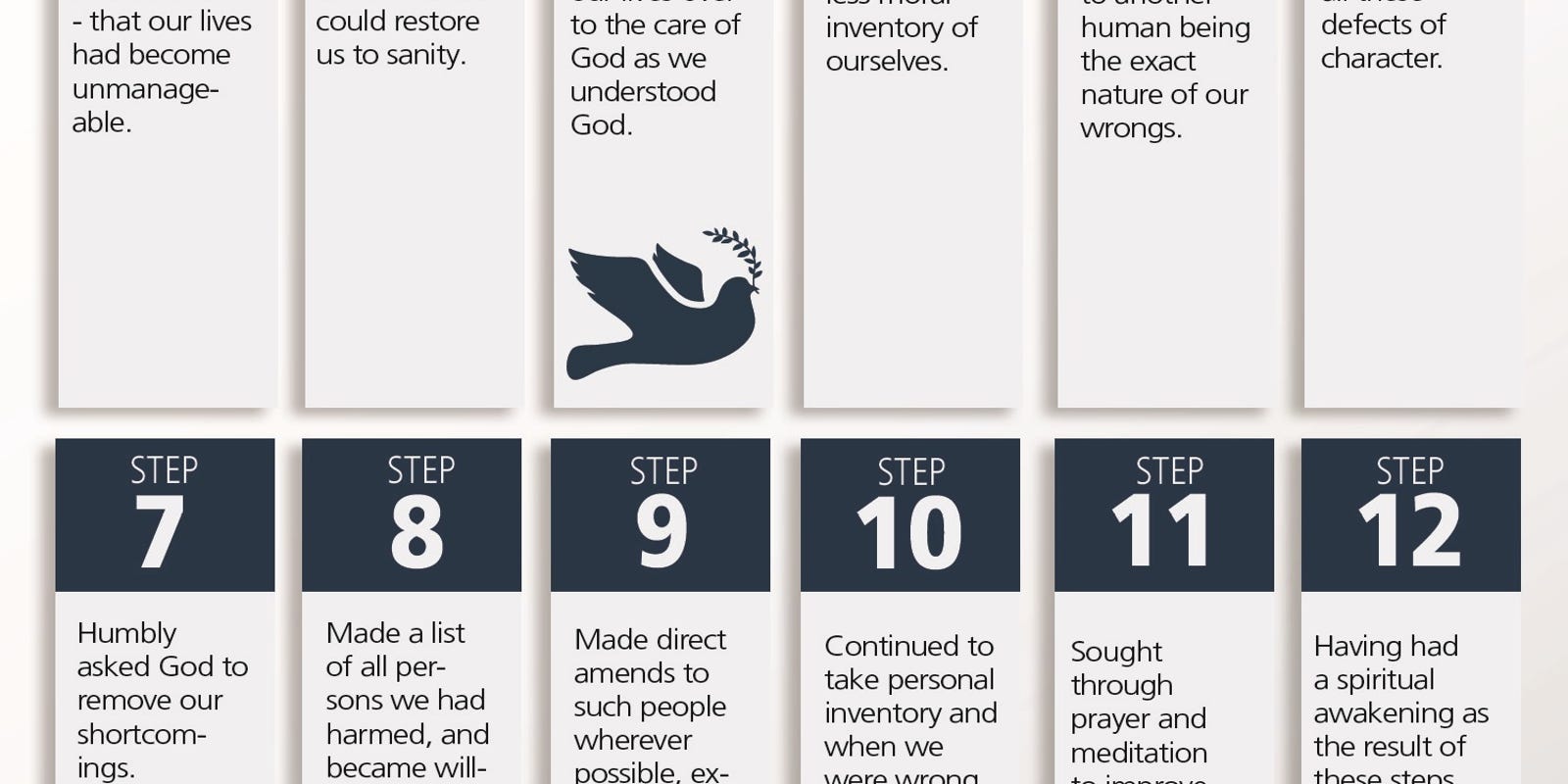
“We admitted we were powerless over others—that our lives had become unmanageable.”For a codependent person, powerlessness does not mean helplessness in one's own life. Rather, it means accepting that one cannot control, fix, change, or cure another person's emotions, addiction, choices, or mental state. Admitting unmanageability acknowledges the physical and emotional exhaustion caused by constantly trying to manage someone else's life.
Steps 4 & 5: Conducting a Moral and Relational Inventory
“Made a searching and fearless moral inventory of ourselves.”In substance recovery, Step 4 often focuses on past harms caused to others. In codependency recovery, Step 4 involves identifying patterns of self-neglect, chronic people-pleasing, subtle manipulation disguised as help, and unspoken expectations. Step 5 involves sharing this inventory with a trusted sponsor or peer, bringing hidden shame into the open.
Steps 8 & 9: Restoring Boundaries and Making Self-Amends
“Made a list of all persons we had harmed... Made direct amends to such people wherever possible...”While making amends to others for controlling or reactive behavior is part of this stage, codependency recovery uniquely emphasizes making amends to oneself. This includes forgiving oneself for staying in unsafe situations, stopping self-neglect, and committing to holding healthy personal boundaries going forward.
Step 12: Spiritual Awakening and Healthy Service
“Having had a spiritual awakening as the result of these steps, we tried to carry this message to others...”In codependency, carrying the message must be executed carefully. Members practice offer peer support without falling back into caretakership or trying to "rescue" new members. Service in Step 12 means sharing experience, strength, and hope while respecting the autonomy and path of others.
Overcoming Common Misconceptions and Challenges
Misinterpreting "Powerlessness"
A frequent obstacle for newcomers is resisting the term "powerlessness." Individuals who have suffered abuse or neglect may feel that admitting powerlessness reinforces victimization. In codependency fellowships, powerlessness refers strictly to the inability to force change upon other autonomous human beings. Recognizing this reality frees individuals to direct their personal power toward choices, boundaries, and behaviors they can control: their own.
The "Higher Power" Concept for Secular Participants
Because 12-step literature originated in the mid-20th century, it includes spiritual language, such as referencing a "Higher Power" or "God as we understood Him." This can alienate secular, agnostic, or atheist participants. Modern 12-step programs explicitly emphasize that a Higher Power can be any non-judgmental entity outside the self—such as the collective wisdom of the recovery group, nature, conscience, or the process of recovery itself. Many meetings are explicitly secular.
Resisting the Urge to Fix Others in Meetings
Codependents are often conditioned to act as advisors, caretakers, or fixers. Sitting in meetings without offering advice to someone expressing distress can feel uncomfortable at first. However, adhering to the "no crosstalk" rule provides essential practice in allowing others to experience their own feelings and find their own solutions.
Practical Steps to Get Started in a Fellowship
To incorporate a 12-step program into a recovery strategy, consider the following actionable steps:
- Identify the Primary Focus: Determine whether your primary struggle relates to general codependent behaviors (CoDA), living with an active or recovering alcoholic/addict (Al-Anon/Nar-Anon), or childhood family dysfunction (ACA).
- Attend Multiple Meetings: Try at least six different meetings before deciding if a fellowship is right for you. Formats, leadership styles, and group demographics vary significantly between individual groups.
- Obtain Program Literature: Acquire core texts, such as the CoDA Book, How Al-Anon Works, or ACA's Big Red Book, to study the foundational principles outside of meeting hours.
- Connect with a Sponsor or Mentor: A sponsor is a seasoned member who has worked through the 12 steps and offers one-on-one guidance through the program material.
- Establish Healthy Daily Habits: Use recovery tools like the "24-Hour Plan," daily meditation guides, and telephone recovery networks to practice detachment in daily interactions.
Frequently Asked Questions
What is the primary difference between Al-Anon and CoDA?
Al-Anon is specifically tailored for individuals who are impacted by someone else's alcoholism or substance use disorder. Co-Dependents Anonymous (CoDA) is broader, addressing codependent patterns in any type of relationship—including romantic, familial, professional, or social dynamics—regardless of whether addiction is present.
Can 12-step programs for codependency replace professional therapy?
No. Twelve-step programs provide invaluable peer support, community, and daily accountability, but they do not provide medical diagnosis, trauma processing, or clinical mental health treatment. Combining 12-step work with licensed therapy typically yields the most comprehensive recovery outcomes.
What does "detachment with love" mean in codependency recovery?
"Detachment with love" means emotionally disentangling yourself from another person’s problems, choices, and emotional reactions without harboring anger or resentment. It involves letting others experience the natural consequences of their actions while maintaining your own peace of mind and self-care.
How much does it cost to join a codependency 12-step group?
There are no financial prerequisites, registration fees, or mandatory dues for joining 12-step fellowships like CoDA or Al-Anon. Groups are fully self-supporting through voluntary member contributions, which help pay for meeting space rent, literature, and virtual hosting costs.
What should I do if I am uncomfortable with the spiritual aspects of the 12 steps?
Spiritual language can be adapted to fit your personal worldview. Fellowships welcome secular members, and a "Higher Power" can be understood simply as the recovery group itself, the power of human connection, or universal ethical principles.
Next Steps for Recovery
If codependent patterns are interfering with your mental health, self-esteem, or personal relationships, exploring a 12-step group is a practical, accessible starting point. Begin by searching online directories for Co-Dependents Anonymous (CoDA), Al-Anon, or Adult Children of Alcoholics (ACA) to find local or virtual meetings. Consider pairing meeting attendance with a consultation from a licensed marriage and family therapist (LMFT) or mental health counselor specializing in relational dynamics to build a personalized recovery plan.
Image Gallery