Understanding Nail Psoriasis Pitting and Its Impact on Health and Quality of Life
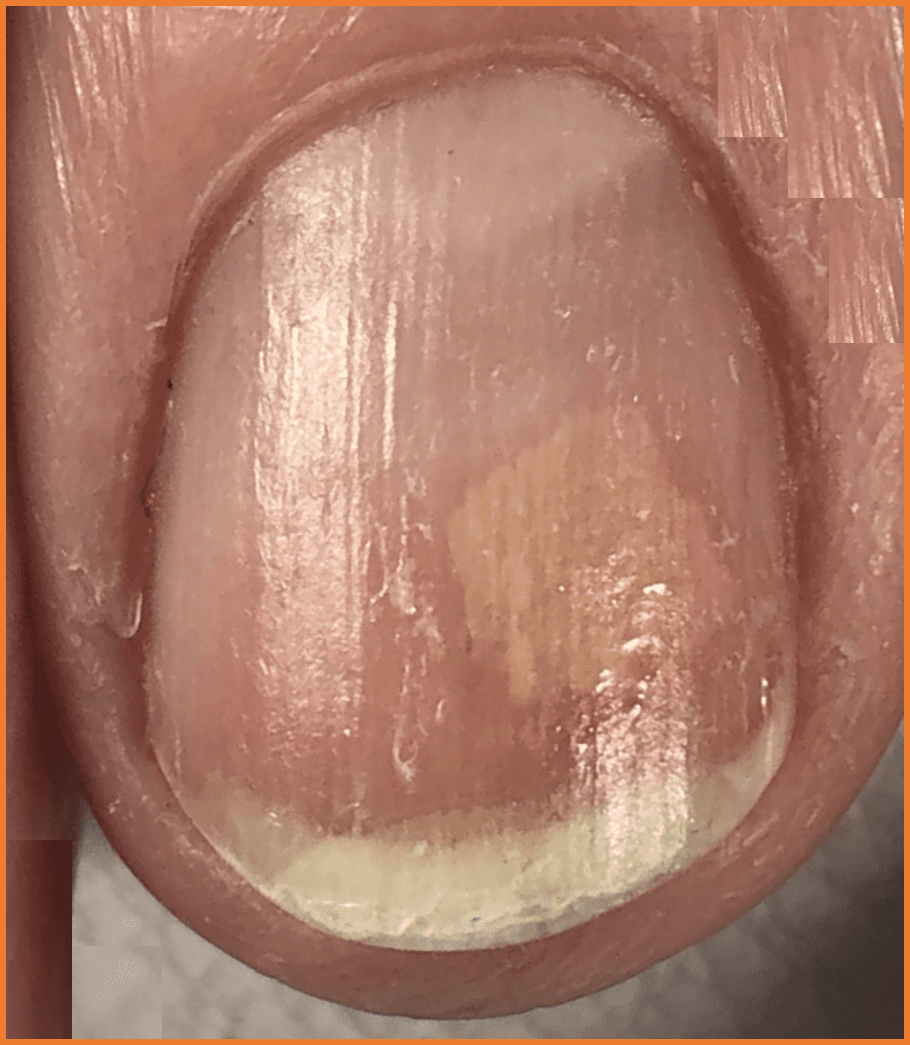
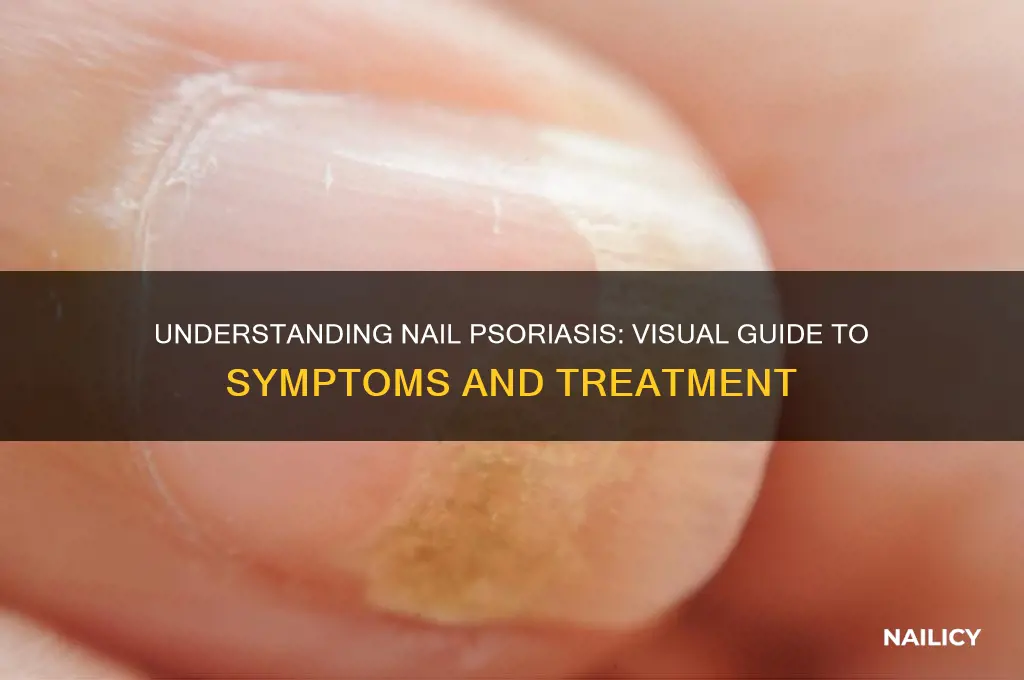
Nail psoriasis pitting manifests as small, irregular depressions on the nail surface, often resembling the texture of a thimble. These pits occur when psoriasis affects the nail matrix, the tissue beneath the cuticle where nail cells a...
Nail psoriasis pitting manifests as small, irregular depressions on the nail surface, often resembling the texture of a thimble. These pits occur when psoriasis affects the nail matrix, the tissue beneath the cuticle where nail cells are generated. While often perceived as a cosmetic concern, this condition serves as a significant clinical indicator of systemic inflammation and potential psoriatic arthritis.
Contents
The Biology Behind Nail Pitting
To understand nail psoriasis, one must first recognize the nail as a complex appendage. The nail matrix is the primary site of keratinization, the process by which living cells become the hardened, protective plate we recognize as a nail. When psoriatic disease activity is present, the inflammatory processes disrupt the normal formation of these cells.
In patients with nail psoriasis, inflammatory cells infiltrate the proximal nail matrix. This localized immune response causes the nail plate to develop focal areas of abnormal, parakeratotic cells. These cells are weaker and less cohesive than healthy keratinocytes. As the nail grows outward, these clusters of weakened cells flake away, creating the characteristic depressions known as pits.
Because the nail matrix is deeply embedded beneath the cuticle, damage at this stage is often reflected across the entire surface of the nail plate as it advances. The depth and distribution of these pits often correlate with the severity of the underlying immune dysregulation.
Clinical Significance and Systemic Connections
The presence of pitting is rarely an isolated event. Clinical evidence shows a strong correlation between nail psoriasis and the development of psoriatic arthritis (PsA). The nail matrix and the distal interphalangeal (DIP) joint—the joint nearest the fingertip—share a close anatomical and functional link through the extensor tendon insertion.
When the nail matrix is inflamed, the inflammation can extend to the adjacent entheses (the points where tendons or ligaments attach to bone). This phenomenon explains why many individuals experiencing nail pitting also report tenderness, swelling, or stiffness in their finger or toe joints. Dermatologists often view nail pitting as a "red flag" that necessitates screening for PsA, even in patients who do not yet report joint pain.
Distinguishing Pitting from Other Conditions
It is essential to differentiate psoriasis-related pitting from other nail abnormalities, as the treatment paths differ significantly.
- Onychomycosis (Fungal Infection): Unlike psoriasis, fungal infections typically cause the nail to thicken, discolor (yellow or brown), and become brittle. Fungi rarely cause symmetrical, uniform pitting.
- Alopecia Areata: This condition can cause fine, longitudinal pitting. However, these pits are typically more uniform and follow linear patterns rather than the random, erratic distribution of psoriatic pits.
- Eczema: While eczema can affect the skin surrounding the nail, it typically causes ridging or roughness rather than the distinct, discrete punctate depressions seen in psoriasis.
- Lichen Planus: This may cause thinning of the nail plate or longitudinal ridging, but rarely presents with deep, crater-like pitting.
Comparing Common Nail Psoriasis Manifestations
| Manifestation | Visual Characteristics | Underlying Process |
|---|---|---|
| Pitting | Small, crater-like indentations | Abnormal cell turnover in the nail matrix |
| Leukonychia | White spots or areas of discoloration | Parakeratosis in the mid-nail plate |
| Onycholysis | Separation of the nail from the nail bed | Inflammation and fluid accumulation in the bed |
| Splinter Hemorrhages | Tiny red/brown lines under the nail | Ruptured capillaries in the nail bed |
The Impact on Daily Function and Quality of Life
For many, the physical impact of nail psoriasis extends beyond the surface of the nail. Severe pitting can lead to a structurally compromised nail plate, making the nail more prone to splitting, cracking, or breaking. This compromises the nail’s primary function: protecting the sensitive, nerve-rich fingertip.
When the nail bed becomes tender or painful, fine motor tasks become difficult. Typing, buttoning a shirt, or picking up small objects can become uncomfortable. Furthermore, there is a profound psychosocial dimension to the condition. Because nails are constantly visible, those affected often experience significant embarrassment or social anxiety, leading to a tendency to hide their hands or feet in professional and social settings.
Management and Therapeutic Approaches
Managing nail psoriasis requires a two-pronged strategy: addressing the systemic immune response and utilizing localized treatments to protect the nail plate.
- Topical Treatments: High-potency corticosteroids or vitamin D analogues (such as calcipotriene) applied to the cuticle and surrounding skin can help reduce inflammation at the matrix. Because the nail is a tough barrier, these are often combined with urea or salicylic acid to increase penetration.
- Systemic and Biologic Therapies: Since nail psoriasis is strongly linked to overall psoriatic disease, dermatologists frequently prescribe systemic medications or biologics. These agents target specific proteins in the immune system to dampen the inflammatory response throughout the body, often resulting in significant clearing of the nails.
- Physical Protection: Maintaining short, clean nails helps prevent secondary trauma and potential infection. Avoiding harsh detergents and wearing gloves during household chores can prevent further irritation of the nail bed.
Frequently Asked Questions
Can nail psoriasis pitting be cured permanently? While there is no permanent "cure," nail psoriasis can be effectively managed. With consistent treatment, many patients see a significant reduction in pitting and an improvement in nail health. However, because the nail plate grows slowly, it can take six to twelve months to see the full results of a treatment regimen.
Is nail pitting contagious? No. Nail psoriasis is a non-communicable, immune-mediated condition. It cannot be transmitted through touch or shared surfaces, unlike fungal nail infections.
How often should I have my nails checked by a doctor? Patients with diagnosed psoriasis should have their nails evaluated during every routine dermatological check-up. If you notice new pitting, significant changes in nail color, or pain, you should schedule a consultation to screen for potential joint involvement or psoriatic arthritis.
Do over-the-counter creams work for nail pitting? Most over-the-counter moisturizers can soothe the skin around the nail but generally lack the therapeutic strength to penetrate the nail matrix and stop the underlying inflammatory process. Prescription-strength topicals or systemic medications are usually required for effective management.
Does nail pitting affect only fingernails? No, it affects both fingernails and toenails. In many cases, it appears on the toenails first, but it is equally important to monitor the health of fingernails due to their role in daily fine motor tasks.
Moving Forward with Professional Guidance
If you suspect you are experiencing nail psoriasis, the most critical next step is to obtain a professional diagnosis. Because of the link between nail pitting and systemic conditions like psoriatic arthritis, a dermatologist—often in consultation with a rheumatologist—can provide the necessary clinical assessment. Avoid attempting to "file down" or aggressively clean out the pits, as this can damage the nail bed and increase the risk of secondary infections. Instead, prioritize a treatment plan that addresses the root of the inflammation to restore both the appearance and function of your nails.
Image Gallery