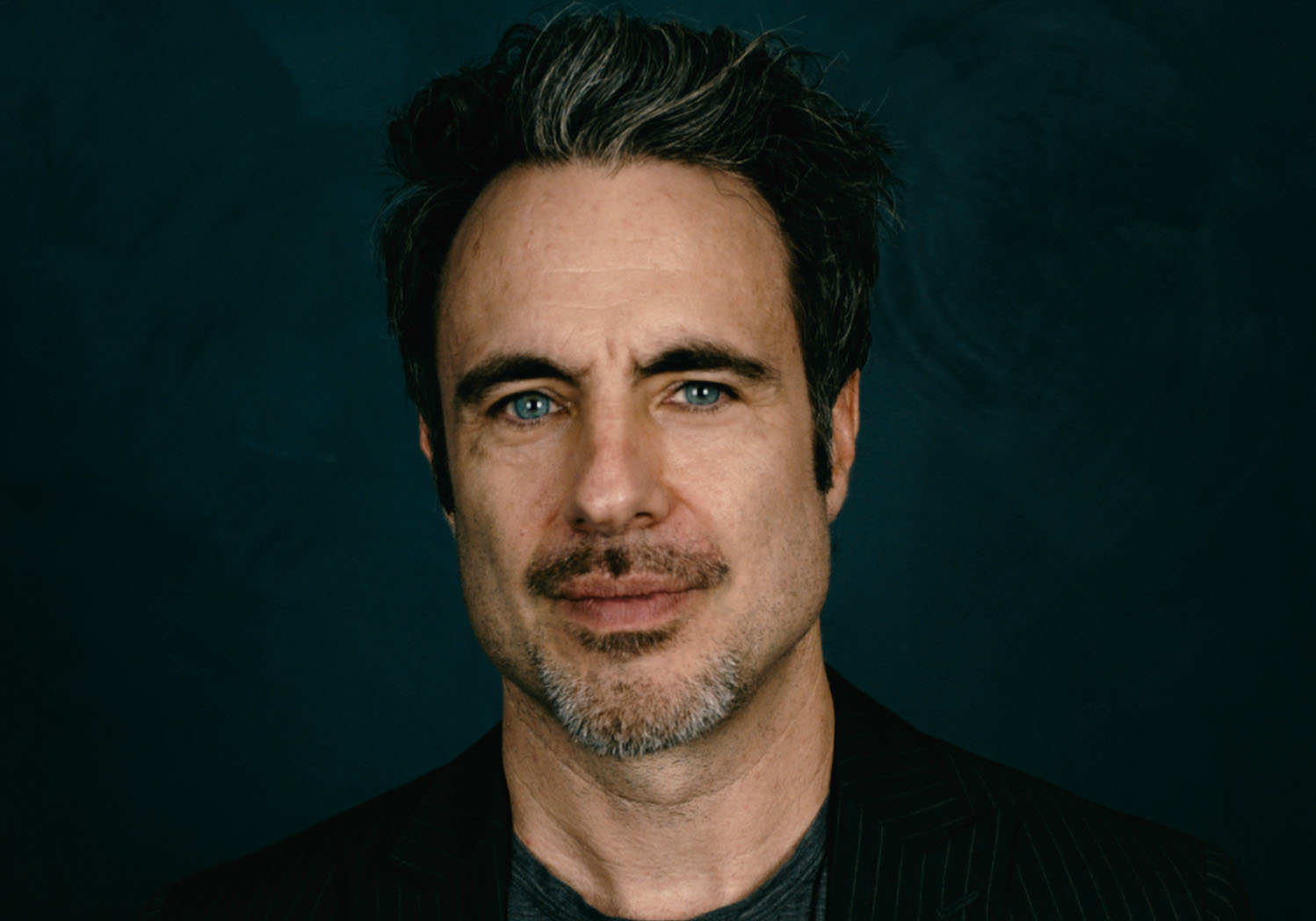
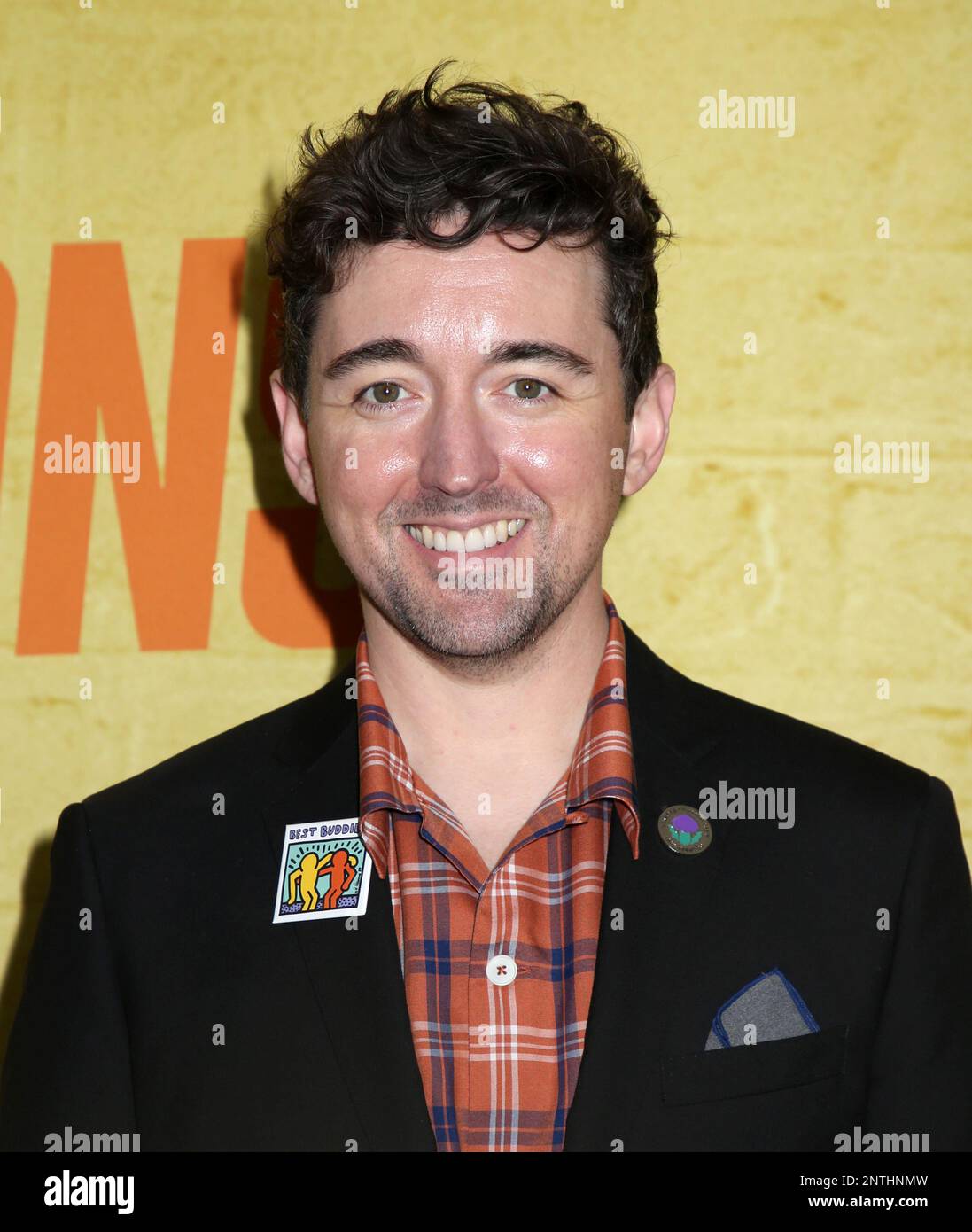
Understanding the Matt Cook Model Profile: Career Scope and Industry Positioning
The "Matt Cook model profile" refers to the professional identity and portfolio of Matt Cook, a figure associated with fitness, lifestyle, and fashion modeling. His profile typically encompasses a blend of commercial print work, fitnes...
The "Matt Cook model profile" refers to the professional identity and portfolio of Matt Cook, a figure associated with fitness, lifestyle, and fashion modeling. His profile typically encompasses a blend of commercial print work, fitness industry representation, and digital influence. Understanding this profile requires examining his transition from specialized fitness advocacy to broader lifestyle modeling and the standard industry expectations for such talent in 2026.
Contents
The Evolution of the Matt Cook Professional Identity
In the context of the contemporary modeling industry, a "model profile" serves as the primary currency for talent. For a professional like Matt Cook, this profile is not merely a collection of photographs; it is a curated document of his brand versatility. Over the years, the industry has shifted away from narrow definitions—such as exclusively runway or high-fashion print—toward a holistic representation that includes personal branding and audience engagement.
Matt Cook’s profile reflects a strategic alignment with the "fitness-lifestyle" niche. This segment of the industry is highly competitive, requiring models to maintain a specific level of physical conditioning while also possessing the capability to transition into commercial advertising for wellness, apparel, and consumer lifestyle products. In 2026, talent in this space must demonstrate not only physical aesthetics but also professional reliability and the ability to work with commercial production teams across various media formats.
Essential Components of a Professional Modeling Profile
To understand how a profile like Matt Cook’s is structured, one must look at the standard industry elements expected by agencies and casting directors. A comprehensive model profile acts as a digital résumé and a visual catalog.
Digital Comp Card and Portfolio
The foundation of the profile is the comp card, or "composite card," which summarizes vital statistics. For models in the fitness sector, these stats include height, chest, waist, and suit size, alongside high-resolution images that showcase versatility—ranging from "commercial friendly" shots to more "rugged" or "editorial" aesthetics.
Agency Representation and Booking Channels
A professional model’s profile is usually managed through agency representation. Agencies act as the intermediary, vetting opportunities and ensuring that the model’s brand remains consistent with the types of campaigns they are booked for. In the current market, models are often evaluated on their ability to execute brand directives, whether those involve static photography, video commercials, or social media content integration.
Market Positioning in the Fitness and Lifestyle Niche
The fitness and lifestyle industry occupies a unique space in professional modeling. Unlike high-fashion modeling, where the focus is on the garment, fitness modeling centers on the aspirational quality of the individual. The Matt Cook model profile is strategically positioned to appeal to brands that prioritize health, vitality, and durability.
Comparison of Modeling Specializations
| Specialization | Primary Focus | Key Performance Indicator |
|---|---|---|
| Fitness Modeling | Physique, health, activewear | Brand alignment, physical conditioning |
| Commercial Modeling | Relatability, diverse demographics | Sales conversion, mass-market appeal |
| Editorial Modeling | High-fashion concepts, artistry | Runway presence, artistic vision |
| Fitness/Lifestyle Hybrid | Blend of physique and daily life | Audience engagement, brand versatility |
The hybrid approach demonstrated by profiles like Matt Cook’s allows for greater longevity in the industry. By bridging the gap between hardcore fitness and general lifestyle, a model increases the number of potential casting calls they are eligible for.
Requirements and Industry Standards for 2026
Entering the professional sphere or maintaining a high-level profile in 2026 necessitates adherence to several industry-wide standards. Casting directors look for specific attributes that go beyond the initial photograph.
Physical Maintenance and Consistency
Consistency is the most vital requirement for any model in this niche. Agencies expect talent to maintain their measurements within a narrow margin to ensure that samples or pre-purchased wardrobe items fit correctly during shoot days. Failure to maintain these standards can lead to loss of bookings and a tarnished reputation in a sector that relies heavily on repeat business.
Digital Presence and Professional Conduct
Modern modeling requires an understanding of digital media. A model’s profile is often augmented by their professional social media presence. In 2026, this does not necessarily mean "influencer" status, but rather a professional online presence that shows a model is easy to work with, responsive to production teams, and capable of representing a brand responsibly.
Troubleshooting Common Profile Gaps
Many aspiring models or those looking to pivot into this sector often find that their profiles lack depth. If a profile is not garnering interest from agencies or casting directors, it is usually due to one of the following factors:
- Outdated Imagery: The industry moves quickly. If a portfolio does not include work or test shoots from the last 12–18 months, it is considered stale.
- Lack of Versatility: If every image in a profile looks identical, casting directors cannot visualize the model in different roles. A successful profile must show the model in various settings, such as casual, professional, active, and formal.
- Missing Contact/Representation Data: A professional profile must clearly list the agency of record or a direct point of contact. Obscurity in how to book the talent is the most frequent reason for missed opportunities.
FAQ: Frequently Asked Questions
What is the primary function of a model profile? The primary function of a model profile is to provide casting directors and brands with a standardized overview of a model’s physical stats, experience, and range, allowing them to quickly determine if the model fits the creative vision of a specific project.
How often should a professional model update their portfolio? Industry standards suggest refreshing a portfolio every 6 to 12 months. This ensures that the images reflect the model’s current look and that the work shown remains relevant to current trends in advertising and fashion.
Is social media presence required for a professional model? While not mandatory in the traditional sense, a professional social media presence is highly encouraged in 2026. It serves as an extension of the profile and allows brands to see how a model presents themselves to an audience, which is a key factor in modern casting decisions.
What should an aspiring model include in their initial profile submission? A submission should include a clean, professional comp card, a link to an updated digital portfolio (often hosted on an agency website or a professional landing page), and clear contact information.
How does fitness modeling differ from general commercial modeling? Fitness modeling requires a specific, usually athletic, physical build and is often tied to health, nutrition, or athletic apparel brands. General commercial modeling is more broad, focusing on the ability to represent the "everyday person" or specific demographics in advertising.
Final Recommendation
For those examining the Matt Cook model profile as a template for professional development, the key takeaway is the importance of versatility and consistent branding. If you are looking to build or enhance a similar profile, prioritize high-quality, professional photography that showcases you in multiple contexts rather than a single niche. Ensure that your physical statistics are documented accurately and that your contact or agency information is easily accessible. Regularly audit your materials to ensure they reflect your current look and professional capabilities, as the industry in 2026 remains highly focused on visual clarity and ease of access for casting teams.
Image Gallery