How Life Insurance Policy Execution Works: A Complete Guide to the Claims Process
Life insurance policy execution is the multi-step administrative and legal process of verifying a policyholder’s death and distributing the death benefit to designated beneficiaries. It begins with formal notification to the insurer, f...
Life insurance policy execution is the multi-step administrative and legal process of verifying a policyholder’s death and distributing the death benefit to designated beneficiaries. It begins with formal notification to the insurer, followed by the submission of required documentation—primarily a certified death certificate—and ends with the insurer’s settlement of the claim through various payout options.
Contents
Understanding the Life Insurance Execution Timeline
When a policyholder passes away, the "execution" of the policy—often referred to in the industry as the claims settlement process—does not happen automatically. While life insurance companies in 2026 utilize advanced data-matching technology to cross-reference the Social Security Administration’s Death Master File, the onus remains on the beneficiaries to initiate the formal claim.
The timeline for execution generally spans from 30 to 60 days, though straightforward claims can be processed in as little as a week. Delays typically occur due to missing paperwork, the need for further investigation during the "contestability period," or complexities regarding the cause of death. Understanding the chronological flow is essential for managing financial expectations during a period of bereavement.
Immediate Actions After the Insured's Passing
The first step in execution is identifying whether a policy exists and which company issued it. Beneficiaries should search for physical policy documents, check bank statements for premium payments, or consult with the deceased’s financial advisor. In 2026, most major insurers provide digital portals where beneficiaries can start the claim process by entering the deceased’s Social Security number and policy ID.
Formal Notification of the Insurer
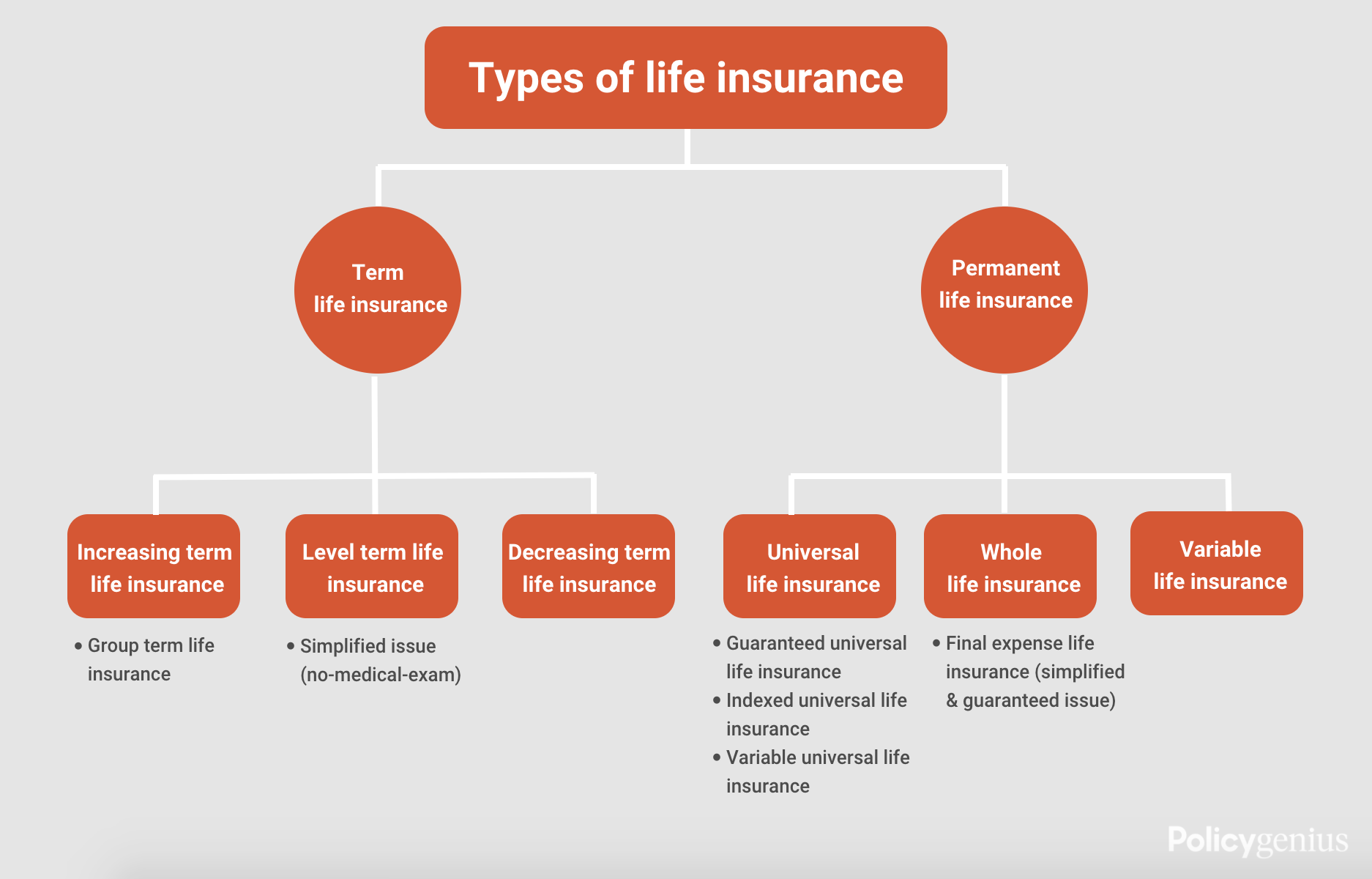
Once the insurer is identified, the claimant must provide a "Notice of Loss." This is a formal statement informing the company that the insured has died. This notice triggers the insurer’s claims department to send a "claims kit," which contains the necessary forms and instructions tailored to the specific policy type—whether it is term life, whole life, or universal life insurance.
The Core Requirements for Filing a Claim
Execution cannot proceed without legal proof. Insurers are legally obligated to ensure they are paying the correct amount to the correct individual to prevent insurance fraud and satisfy regulatory audits.
Essential Documentation Checklist
To execute a claim, the beneficiary must typically provide:
- A Certified Copy of the Death Certificate: This is the most critical document. It must usually include the cause of death.
- The Claimant’s Statement: A completed form where the beneficiary provides their contact information, relationship to the deceased, and preferred payout method.
- The Original Policy Document: While not always required if digital records are clear, having the original paper policy can expedite the process if there are discrepancies.
- Proof of Identity: A government-issued ID for the beneficiary to ensure the funds are not being diverted to an unauthorized party.
The Role of the Death Certificate
The death certificate serves as the "trigger" for the contract's fulfillment. Insurers examine the "Cause of Death" section to ensure the passing does not fall under specific policy exclusions. For instance, most policies have a "suicide clause" (typically active for the first two years) or exclusions for high-risk activities not disclosed during the underwriting phase. If the death certificate lists a cause that requires further investigation, the execution process may be paused for a medical records review.
Navigating the Payout and Settlement Options
One of the most important aspects of policy execution is selecting how the funds are received. Beneficiaries are often presented with several settlement options, each with different tax and financial planning implications.
Lump-Sum Payouts
The most common form of execution is the lump-sum payout. The insurer issues a single check or electronic transfer for the full face value of the policy. For the beneficiary, this provides immediate liquidity. Under current 2026 tax guidelines, death benefits paid as a lump sum are generally not subject to federal income tax, though they may impact the total value of the deceased's estate for estate tax purposes.
Interest Income and Annuity Options
Instead of a lump sum, a beneficiary may choose to leave the proceeds with the insurance company to earn interest. In this scenario, the insurer acts similarly to a bank, paying out only the interest earned on the principal. Alternatively, the beneficiary can opt for an "annuity" settlement, where the death benefit is converted into a stream of guaranteed income for a set number of years or for the remainder of the beneficiary’s life.
Retained Asset Accounts
Some insurers default to a "Retained Asset Account" (RAA). In this arrangement, the insurer keeps the funds but gives the beneficiary a book of drafts (similar to a checkbook). The beneficiary can write checks against the balance as needed. While this provides flexibility, the interest rates on these accounts are often lower than what could be achieved through independent investment vehicles.
Comparison of Life Insurance Settlement Options
| Settlement Method | Primary Benefit | Drawback | Tax Implication |
|---|---|---|---|
| Lump Sum | Immediate access to total funds | Risk of rapid depletion | Principal is tax-free |
| Fixed Period | Guaranteed income for a set time | No access to principal | Interest portion is taxable |
| Life Income | Income for the life of beneficiary | Payments stop upon death* | Interest portion is taxable |
| Interest Only | Preserves principal for heirs | Lower monthly payments | All interest is taxable |
| Retained Asset | Flexibility like a checking account | Often lower interest rates | Interest earned is taxable |
| Note: Some life income options include a "period certain" to protect against early death of the beneficiary. |
Potential Obstacles and the Contestability Period
Execution is not always a friction-less process. If a policy is relatively new, the insurer has the legal right to "contest" the claim.
The Two-Year Contestability Rule
In the United States, most life insurance policies include a two-year contestability period. If the insured dies within two years of the policy’s effective date, the insurer can investigate the original application for "material misrepresentations." If the insured failed to disclose a pre-existing condition or a high-risk hobby (like skydiving) that would have affected the premium or eligibility, the insurer may deny the claim and simply refund the premiums paid.
Exclusions and Accidental Death Claims
If the policy includes an "Accidental Death" rider (Double Indemnity), the execution process requires additional proof that the death met the specific definition of an accident. If the death was due to natural causes, the rider will not pay out. Furthermore, if the insured died while committing a felony or while under the influence of illegal substances (depending on the policy language), the insurer may have grounds to deny execution.
Tax Implications and Estate Planning in 2026
While the death benefit itself is usually income-tax-free, the execution of a policy can trigger other financial complexities. If the policyholder owned the policy at the time of death, the face value is included in their gross estate.
As of 2026, estate tax exemptions remain a critical focal point for high-net-worth individuals. If the addition of the life insurance payout pushes the estate value above the federal threshold, a significant portion of the inheritance could be lost to taxes. To circumvent this, many policyholders use an Irrevocable Life Insurance Trust (ILIT). When a policy is executed through an ILIT, the trust owns the policy, effectively removing the proceeds from the taxable estate and allowing for a smoother, tax-efficient transfer of wealth to the heirs.
FAQ
How long does a beneficiary have to claim a life insurance policy?
There is generally no strict "expiration date" for a life insurance claim as long as the policy was in force at the time of death. However, if the funds remain unclaimed for several years (typically 3 to 7 years depending on the state), the insurance company is required to turn the money over to the state’s unclaimed property office under "escheatment" laws. It is always best to file the claim as soon as the death certificate is available.
What happens if the primary beneficiary died before the insured?
If the primary beneficiary is deceased and no "contingent" (secondary) beneficiary was named, the policy execution follows the "succession" rules defined in the contract. Usually, this means the death benefit is paid to the estate of the insured. This can lead to delays as the funds must go through probate court before being distributed to heirs according to a will or state law.
Can a life insurance company deny a claim after 20 years?
Denials after the two-year contestability period are rare but possible. The most common reason for a late-stage denial is "fraud." If the insurer can prove that the policy was obtained through intentional, egregious fraud (such as someone else taking the medical exam), they may contest the claim. Additionally, if the policy lapsed due to non-payment of premiums before the death occurred, no benefit will be paid.
Is the death benefit taxable if I choose an annuity payout?
The principal amount of the death benefit remains tax-free. However, any interest or investment gains that accrue while the insurer holds the money are considered taxable income. When you receive annuity payments, the insurer will provide a 1099-INT or 1099-R form detailing which portion of the payment is a non-taxable return of principal and which portion is taxable interest.
What if the original life insurance company has gone out of business?
Insurance companies are heavily regulated at the state level. If an insurer becomes insolvent, the State Guaranty Association in the policyholder's state typically steps in to cover claims, up to certain limits (usually $300,000 to $500,000 depending on the jurisdiction). Policy execution would then be managed through the guaranty association's administrative channels.
Practical Recommendations for Policy Execution
To ensure a seamless execution of a life insurance policy, beneficiaries should take the following steps:
- Request Multiple Death Certificates: Most institutions require original certified copies, not photocopies. Requesting 5–10 copies from the funeral director is a standard best practice.
- Contact the National Association of Insurance Commissioners (NAIC): If you suspect a policy exists but cannot find the paperwork, use the NAIC's "Life Insurance Policy Locator Service" to search for missing policies.
- Consult a Tax Professional: Before selecting a settlement option, especially for policies exceeding $500,000, consult with a CPA or estate attorney to understand how the payout will interact with your current tax bracket and estate plan.
- Update Beneficiaries Regularly: For policyholders, ensure your beneficiary designations are current. Life changes like divorce, birth, or death can complicate the execution process if the policy documents are not updated to reflect your current intent.
For more information on state-specific regulations or to locate a lost policy, visit the National Association of Insurance Commissioners (NAIC) or the Social Security Administration (SSA) to verify death reporting requirements.
Image Gallery