What Is Honda HPD? Meaning, Racing Heritage, and Street Packages Explained
Honda HPD stands for Honda Performance Development, the dedicated motorsport and high-performance division established by American Honda Motor Co. in 1993. While originally created to power championship race cars in IndyCar and IMSA, H...
Honda HPD stands for Honda Performance Development, the dedicated motorsport and high-performance division established by American Honda Motor Co. in 1993. While originally created to power championship race cars in IndyCar and IMSA, Honda uses the HPD badge on consumer vehicles as a race-inspired appearance and accessory package for models like the Ridgeline, Passport, Pilot, and Civic.
Contents
The Origins and History of Honda Performance Development
To fully understand what HPD represents on a modern road vehicle, it helps to examine its roots in American motorsport. Founded in 1993 and headquartered in Santa Clarita, California, Honda Performance Development was created to lead Honda's entry into North American open-wheel racing, specifically the CART IndyCar World Series.
Prior to HPD's creation, Honda relied heavily on external Japanese engineering hubs and third-party engine builders for international competition. By establishing HPD in Southern California, American Honda created a localized technical center capable of designing, developing, and rebuilding high-revving racing engines from the ground up.
- 1993: HPD Founded in Santa Clarita, CA
- 2004–2011: Exclusive Engine Supplier for IndyCar & Multiple Indy 500 Wins
- 2007–2023: IMSA Prototype Dominance (ARX Series & Acura ARX-06 GTP)
- 2024: Rebranded as Honda Racing Corporation USA (HRC US)
Over three decades, HPD grew from a targeted engine workshop into a powerhouse encompassing multiple racing disciplines:
- IndyCar Racing: HPD gained prominence by supplying engines to top-tier IndyCar teams. Between 2006 and 2011, Honda served as the single engine supplier for the IndyCar Series, achieving a record of zero engine-related failures during the Indianapolis 500 across several consecutive running years.
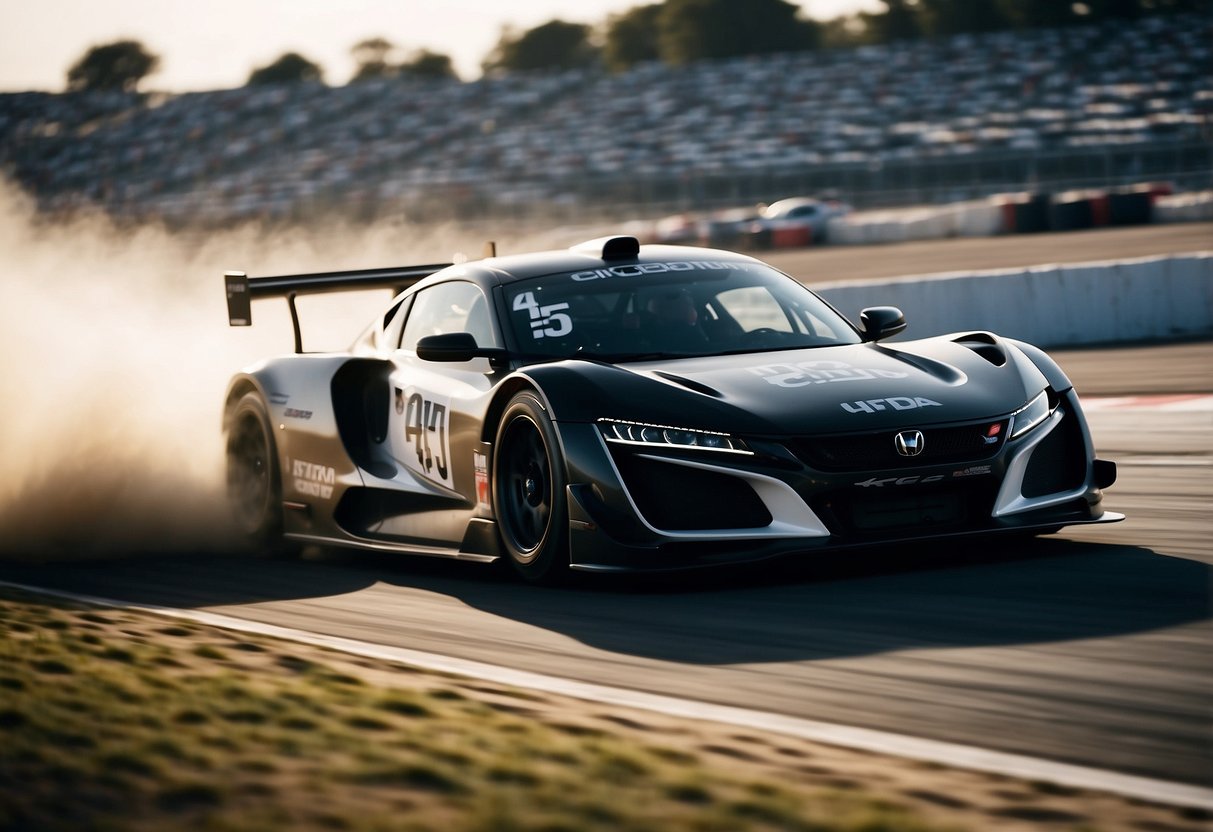
- IMSA Sports Car Racing: HPD engineered custom sports prototype chassis and twin-turbo V6 powerplants under the Acura ARX banner. These vehicles secured multiple drivers', teams', and manufacturers' championships in the IMSA WeatherTech SportsCar Championship, culminating in top-tier Grand Touring Prototype (GTP) hybrid competition.
- Grassroots and Off-Road Racing: Beyond professional circuits, HPD developed turnkey engines and support programs for grassroots karting, Formula F, Formula 4, rallycross, and the brutal Baja 1000 off-road race, where HPD-powered Ridgeline race trucks earned multiple class victories.
In early 2024, Honda officially rebranded Honda Performance Development to Honda Racing Corporation USA (HRC US). This corporate shift unified Honda's global racing operations—including Formula 1, IndyCar, and endurance racing—under the single HRC banner. Despite this corporate renaming, the HPD moniker remains widely recognized in automotive culture and continues to serve as an established accessory line and trim package across Honda's dealership network.
What Does an HPD Package Include on Production Vehicles?
While HPD built bespoke V6 racing engines and carbon-composite chassis for the racetrack, its application on consumer street vehicles serves a different purpose. On showroom floors, an HPD Package is an official Honda Genuine Accessory option designed to give everyday trucks, SUVs, and hatchbacks a bolder, motorsport-inspired aesthetic.
Unlike high-performance sub-brands from other automakers that overhaul engines and suspensions, standard consumer HPD packages are primarily cosmetic and styling enhancements. They allow owners to customize their vehicles with factory-backed parts that carry racing pedigree without altering core mechanical efficiency or ride comfort.
Typical Honda HPD Package Components:
- Bronze or Gloss-Black Alloy Wheels
- Bold Fender Flares & Wheel Arch Cladding
- Sporty Front Grille Mesh & Trim
- Lower Door Accent Cladding
- Exterior HPD Decals & Tailgate Badging
Key Components of Factory HPD Packages
While specific components vary depending on the model and vehicle year, most factory-approved HPD appearance packages include a consistent set of exterior upgrades:
- Distinctive Alloy Wheels: One of the most recognizable features of an HPD package is a custom set of alloy wheels. On trucks and SUVs like the Ridgeline and Passport, these are often finished in a rugged bronze or dark metallic coat.
- Aggressive Fender Flares: HPD packages frequently add widened, blacked-out wheel arch moldings. These flares protect the paint from road debris while giving the vehicle a wider, more athletic stance.
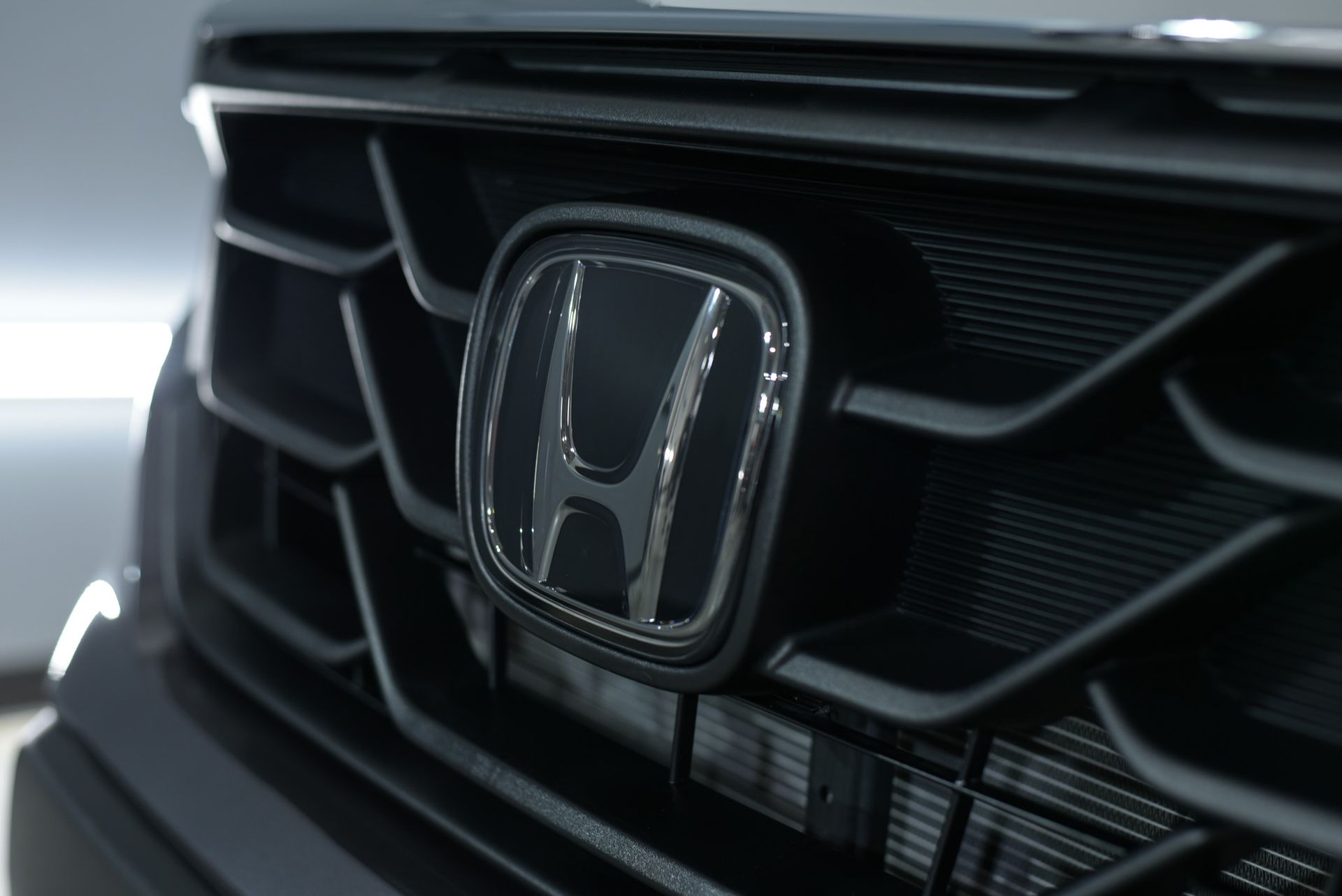
- Specialized Front Grille and Trim: Vehicles equipped with HPD trim often receive gloss-black or matte-black front grille surrounds, dark lower bumper accents, and unique side cladding along the rocker panels.
- HPD Graphics and Badging: To distinguish the package, Honda adds official HPD graphics along the rear bed sides or lower doors, accompanied by a metallic HPD emblem on the tailgate or trunk lid.
- Underbody Accessories: On select truck and SUV packages, HPD styling includes skid-plate-style lower trim overlays and functional oil pan skid protection designed for light off-road trail use.
Model-Specific HPD Implementations
- Honda Ridgeline HPD: The Ridgeline was among the first modern consumer vehicles to prominently highlight the HPD package. Available across multiple trim levels, it includes 18-inch bronze or black HPD wheels, aggressive bed graphics, a custom front grille, and rugged fender flares that highlight Honda's success in the Baja 1000.
- Honda Passport & Pilot HPD: For Honda's midsize and three-row SUVs, the HPD treatment emphasizes a sportier, adventure-ready look. It incorporates lower door accent cladding, dark-painted wheels, black front grilles, and distinct badging that complements the vehicle's structural lines.
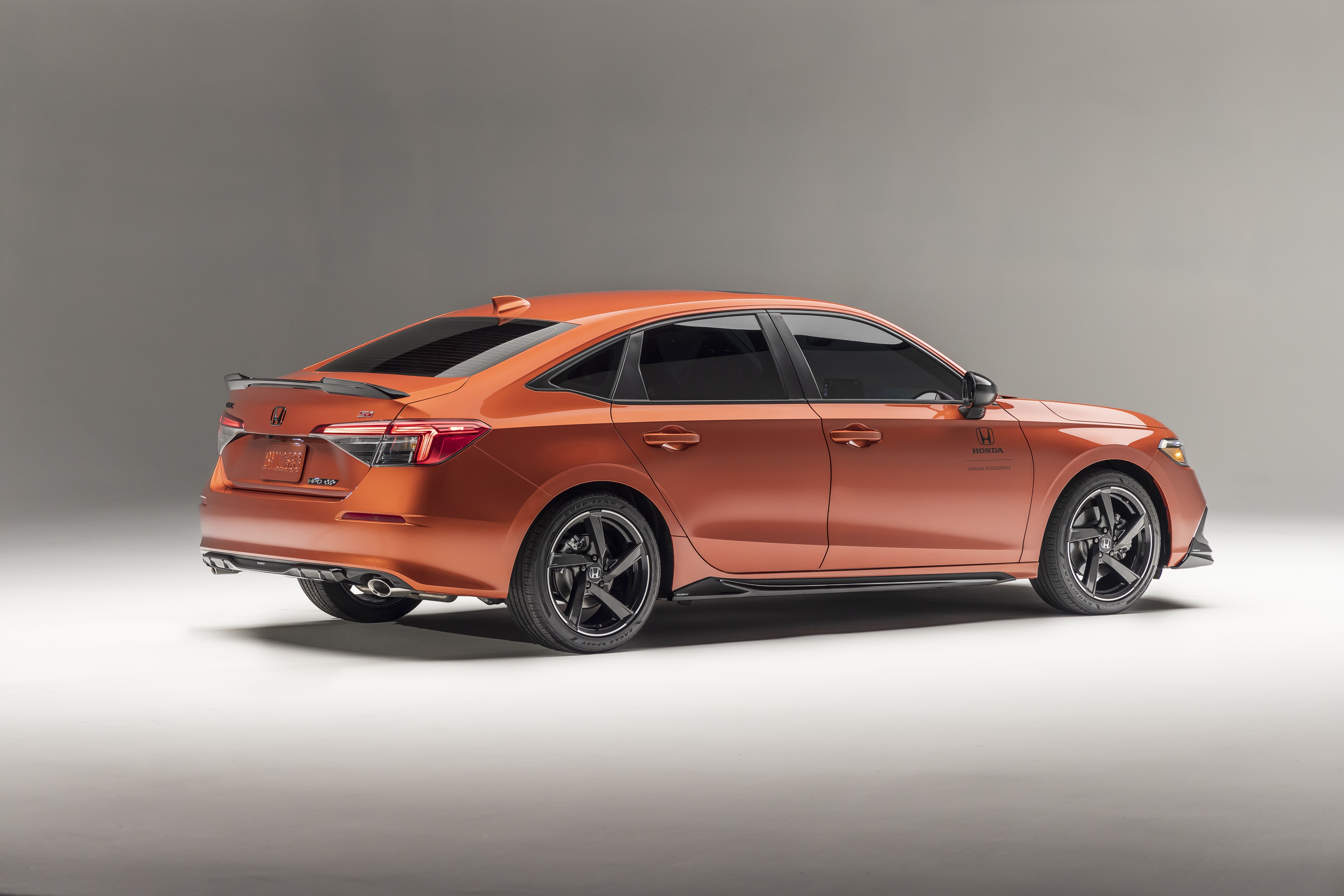
- Honda Civic HPD: On compact sedans and hatchbacks, the HPD package shifts away from off-road styling toward street aerodynamics. Civic HPD packages typically feature a front lip spoiler, side sill skirts, a rear decklid or tailgate spoiler, and gloss-black emblems.
Does an HPD Package Increase Horsepower?
A common point of confusion among car buyers is whether ordering an HPD package adds mechanical performance or horsepower.
For standard consumer vehicles (such as a factory-ordered Ridgeline HPD or Civic HPD), the HPD package does not increase engine horsepower, torque, or top speed. The powertrain, exhaust system, electronic control unit (ECU) tuning, and suspension geometry remain identical to the base trim level on which the package is installed.
Standard Production HPD Package:
- Horsepower Increase: NO (0 hp gain)
- Suspension Modification: NO (Factory tuning preserved)
- Brakes & Exhaust: NO (Standard OEM components)
- Aesthetic & Protection: YES (Wheels, body cladding, badges)
However, it is worth distinguishing consumer accessory packages from HPD/HRC crate motors and race parts. Through official motorsports channels, Honda Performance Development historically sold actual performance-enhancing hardware—such as race-tuned ECU controllers, civic track suspension kits, brake upgrades, and sealed racing engines—to professional racing teams and track-day enthusiasts. Unless you are purchasing specialized motorsport hardware directly through Honda's racing program, a consumer vehicle with an HPD badge is strictly an visual enhancement package.
HPD vs. Type R, Si, and TrailSport: Understanding the Differences
Honda offers several sub-brands and badge designations across its vehicle lineup. Understanding how HPD compares to engineering variants like Si, Type R, and TrailSport helps clarify what you are buying.
- Honda Vehicle Lineup
- HPD Package
- Focus: Styling
- Mechanical: None
- Si / Type R
- Focus: Track/Pavement
- Mechanical: High
- TrailSport
- Focus: Off-Road
- Mechanical: Mid
- HPD Package
1. HPD vs. Civic Si & Civic Type R
- Civic Si: The Si (Sport Injected) is a distinct factory trim engineered specifically for dynamic pavement driving. It features a tuned turbocharged engine, a short-throw six-speed manual transmission, helical limited-slip differential, stiffer chassis bracing, and sport-tuned suspension dampers.
- Civic Type R: The Type R represents the absolute peak of Honda street performance. It includes a high-output turbocharged engine producing over 300 horsepower, dual-axis strut front suspension, Brembo multi-piston brakes, track-focused aerodynamics, and extensive chassis re-engineering.
- How HPD Differs: While Si and Type R are fully re-engineered high-performance models, HPD is an aesthetic appearance package. An owner can actually add an HPD accessory package onto a Civic Si or standard Civic to complement its looks, but the HPD package itself does not convert a base model into an Si or Type R.
2. HPD vs. TrailSport
- TrailSport: TrailSport is Honda's rugged utility trim level designed specifically for off-road capability. Unlike visual-only packages, TrailSport models include functional mechanical upgrades such as raised ground clearance, off-road-tuned suspension springs and dampers, steel skid plates, all-terrain tires, and recalibrated i-VTM4 all-wheel-drive systems.
- How HPD Differs: HPD focuses on motorsport styling (bronze wheels, decals, spoilers), whereas TrailSport modifies actual chassis dynamics for mud, rocks, and unpaved trails. Notably, buyers can combine HPD exterior accessories with TrailSport models on vehicles like the Pilot and Passport to get both functional off-road hardware and race-inspired styling.
Honda Badge Comparison
| Designation | Primary Focus | Mechanical Upgrades? | Standard Features | Typical Models |
|---|---|---|---|---|
| HPD Package | Exterior Motorsport Styling | No | Bronze/Black wheels, fender flares, lip spoilers, graphics, badging | Ridgeline, Passport, Pilot, Civic |
| Civic Si | Balanced Street Performance | Yes (Engine, Suspension, LSD) | Sport-tuned turbo engine, manual transmission, limited-slip differential | Civic Sedan |
| Type R | Track-Capable Performance | Yes (Extensive Overhaul) | High-output engine, Brembo brakes, functional aero, wide-body chassis | Civic Hatchback |
| TrailSport | Off-Road & Trail Capability | Yes (Suspension, AWD, Tires) | All-terrain tires, steel skid plates, lifted suspension, trail-tuned AWD | Pilot, Passport, Ridgeline |
Practical Buying Guide: Costs, Installation, and Warranty
If you are considering adding an HPD package to a new or existing Honda vehicle, understanding pricing, installation routes, and warranty coverage is essential.
Factory vs. Dealer Installation
The HPD package can enter the buying process in two distinct ways:
- Factory/Port Installed: When building a new vehicle online or ordering through a dealership, the HPD package can be selected as a factory option. The package components are installed at the assembly plant or processing port before arriving at the dealership, and its cost is fully integrated into the vehicle's Monroney window sticker (MSRP).
- Dealer Installed: Because HPD components are official Honda Genuine Accessories, owners can purchase and install the package after buying the vehicle. If you purchase a standard Honda Ridgeline or Civic, you can buy HPD wheels, spoilers, and flares directly from a dealership parts department and have them installed by certified technicians.
HPD Purchase Routes:
- Port/Factory Option
- Integrated into Window Sticker (MSRP)
- Covered by 3-Yr/36k New Vehicle Warranty
- Post-Purchase Dealer
- Purchased via Parts Department
- Covered by 1-Yr/12k or Remaining Bumper-to-Bumper
Cost Expectations
The price of an HPD package varies by model and the specific contents included:
- Trucks & SUVs (Ridgeline, Passport, Pilot): Comprehensive HPD packages—which include specialized alloy wheels, fender flares, lower body cladding, and graphics—typically range between $1,500 and $2,900, depending on whether wheel replacement is included.
- Sedans & Hatchbacks (Civic): Aero-focused HPD packages—consisting of front underbody spoilers, side skirts, rear spoilers, and tail badges—generally range between $800 and $1,400, excluding labor fees for post-purchase installation.
Warranty Coverage
Because HPD components are official OEM accessories manufactured or vetted by American Honda, they maintain full factory warranty protection:
- If installed at the time of new vehicle purchase, HPD accessories are covered under Honda's 3-year / 36,000-mile New Vehicle Limited Warranty.
- If purchased and installed after new vehicle delivery by an authorized Honda dealer, the parts are covered for 12 months or 12,000 miles, or for the remainder of the 3-year / 36,000-mile new car warranty—whichever provides longer coverage.
Purchasing genuine HPD packages ensures that components meet factory fitment, rust resistance, and crash-safety standards, avoiding the fitment issues and voided warranties sometimes associated with unbranded aftermarket body kits.
Frequently Asked Questions
What does HPD stand for on a Honda truck?
On Honda trucks like the Ridgeline, HPD stands for Honda Performance Development. It indicates that the truck is equipped with an official styling package featuring bronze or black alloy wheels, protective fender flares, dark front grilles, and HPD bed graphics inspired by Honda's off-road racing trucks.
Is HPD replacing Type R or Si?
No. HPD does not replace the Type R or Si lines. Si and Type R are factory-engineered performance vehicles with upgraded engines, transmissions, and suspension systems. HPD packages are cosmetic accessory options designed to enhance the visual appeal of standard, Si, or TrailSport models.
What is the difference between HPD and HRC?
HPD (Honda Performance Development) was the North American motorsport division established in 1993. In 2024, Honda rebranded HPD to HRC US (Honda Racing Corporation USA) to unite all global racing activities under one name. However, the "HPD" emblem remains in use as a commercial brand for accessory styling packages on consumer road cars.
Can I install an HPD package on an older Honda?
Yes. Official HPD accessories—such as wheels, spoilers, and door cladding—can be purchased individually through authorized Honda parts departments. As long as the components are designed for your vehicle's specific model generation, they can be installed on pre-owned vehicles.
Does the HPD package affect vehicle resale value?
Factory-backed accessory packages generally retain better value than generic aftermarket modifications. Because HPD packages consist of official Honda parts backed by factory warranties, they often enhance curb appeal and resale interest on used car markets, particularly on trucks like the Ridgeline.
Summary and Key Takeaways
For prospective car buyers and Honda enthusiasts, the HPD badge represents a blend of authentic motorsports heritage and practical street styling:
- Motorsport Legacy: HPD (Honda Performance Development) is the legendary racing division behind Honda's success in IndyCar, IMSA, and off-road racing, now operating globally under the HRC US banner.
- Visual Enhancement: On street vehicles like the Ridgeline, Passport, and Civic, an HPD package adds aggressive, race-inspired styling—including custom wheels, body cladding, spoilers, and decals.
- No Mechanical Power Increase: Unlike track-engineered Si or Type R models, consumer HPD packages do not alter engine horsepower or suspension geometry.
- Factory Warranty Backed: Unlike third-party aftermarket body kits, HPD components are Honda Genuine Accessories, fully integrated into dealer options and protected under Honda's factory warranty.
If you want the visual stance and aggressive styling of Honda's racing fleet while maintaining full everyday drivability, fuel efficiency, and original factory warranty coverage, choosing an HPD-equipped model is an excellent option.
Image Gallery