The Real Cost of Workers Compensation Supplies: Beyond the Invoice
The real cost of workers compensation supplies encompasses much more than the sticker price of medical equipment or wound care kits; it includes administrative overhead, regulatory compliance fees, delivery logistics, and the long-term...
The real cost of workers compensation supplies encompasses much more than the sticker price of medical equipment or wound care kits; it includes administrative overhead, regulatory compliance fees, delivery logistics, and the long-term financial impact of recovery delays. In 2026, stakeholders must account for a total cost of ownership that often exceeds the base invoice by 20% to 40% due to systemic friction.
Contents
The workers' compensation landscape has shifted significantly. While medical inflation remains a perennial concern, the "soft costs" associated with procurement and distribution of durable medical equipment (DME) and ancillary supplies have become the primary drivers of claim volatility. To understand the real cost, one must look past the initial billing code and examine the entire lifecycle of the supply—from the moment a physician prescribes it to the moment the injured worker achieves maximum medical improvement (MMI).
The Hidden Anatomy of Medical Supply Markups
When an insurance carrier or a self-insured employer receives a bill for a knee brace or a specialized mattress, they are looking at a figure that has been touched by multiple entities. In the current 2026 market, the discrepancy between the manufacturing cost and the final billed amount is driven by a complex chain of intermediaries.
Pharmacy Benefit Managers (PBMs) and Ancillary Networks Most supplies are routed through ancillary networks or PBMs. While these entities provide valuable discount structures and centralized billing, their administrative fees are baked into the "real cost." These networks provide a necessary service by vetting vendors and ensuring compliance with state-specific fee schedules, but the margin they retain represents a significant portion of the total spend.
Administrative Friction and Adjuster Time One of the most overlooked "real costs" is the labor involved in procuring supplies. When a claims adjuster spends three hours coordinating the delivery of a hospital bed or troubleshooting a late shipment of compression stockings, the cost of that adjuster’s time must be added to the supply’s price tag. In 2026, with the average cost of claim handling rising, these "friction costs" can sometimes exceed the value of the supply itself, particularly for low-cost, high-frequency items.
Utilization Review (UR) Expenses Before a supply can even be ordered, it must often pass through Utilization Review. The fee for a physician or nurse to review the medical necessity of a specific piece of equipment is a direct cost associated with that supply. If a $200 brace requires a $150 UR session to be approved, the "real cost" is effectively $350.
The Impact of State Fee Schedules and Regulatory Compliance
Workers' compensation is a creature of state law, and the cost of supplies is heavily dictated by regional regulations. As we look at the landscape in 2026, the variation between states like California, Texas, and New York remains a critical factor in financial forecasting.
State fee schedules are designed to cap costs, but they also create administrative complexity. Providers must ensure that every item is billed with the correct HCPCS (Healthcare Common Procedure Coding System) code and that any "By Report" (BR) items are documented with sufficient clinical justification. The labor required to maintain this level of forensic billing accuracy is a cost that providers pass on to payers through higher base rates.
Furthermore, regulatory changes regarding "rent-to-own" provisions for DME have shifted the cost-benefit analysis. In many jurisdictions, once a rental fee reaches a certain percentage of the purchase price, the equipment is deemed "purchased." Monitoring these thresholds requires sophisticated software and manual oversight, both of which contribute to the real cost of the supply.
The "Cheap" Trap: How Low-Quality Supplies Drive Up Total Claim Costs
A common mistake in workers' compensation management is prioritizing the lowest initial purchase price without considering the clinical outcomes. In 2026, data analytics have proven that sub-standard supplies are a primary driver of claim "creep"—the gradual increase in claim duration and cost.
Durability and Replacement Cycles A low-cost orthotic that breaks after three weeks of use requires a second prescription, a second shipment, and a second fitting. This doubling of administrative effort and logistics makes the "cheap" option twice as expensive as a high-quality, durable alternative.
Clinical Efficacy and Recovery Speed The primary goal of any workers' compensation intervention is to return the employee to work. If a patient is provided with an inferior TENS unit or a poorly designed ergonomic chair that fails to alleviate their symptoms, their recovery stalls. Every day of delay in returning to work results in additional temporary total disability (TTD) payments and increased medical monitoring costs. The "real cost" of a $50 saving on a medical supply could be $5,000 in additional indemnity payments.
Logistics, Delivery, and the "Last Mile" Problem
In the modern 2026 economy, logistics play a massive role in the total cost of supplies. This is particularly true for heavy or specialized equipment like bariatric beds, oxygen concentrators, or motorized wheelchairs.
- Expedited Shipping: When a discharge planner identifies a need for home equipment on a Friday afternoon for a Saturday discharge, the cost of expedited shipping and weekend setup can dwarf the cost of the equipment.
- Rural Accessibility: Delivering and servicing equipment in remote areas involves significant travel fees and technician time.
- Returns and Recalls: The administrative nightmare of handling a defective product—including the return shipping, the temporary replacement, and the communication with the injured worker—is a massive hidden expense.
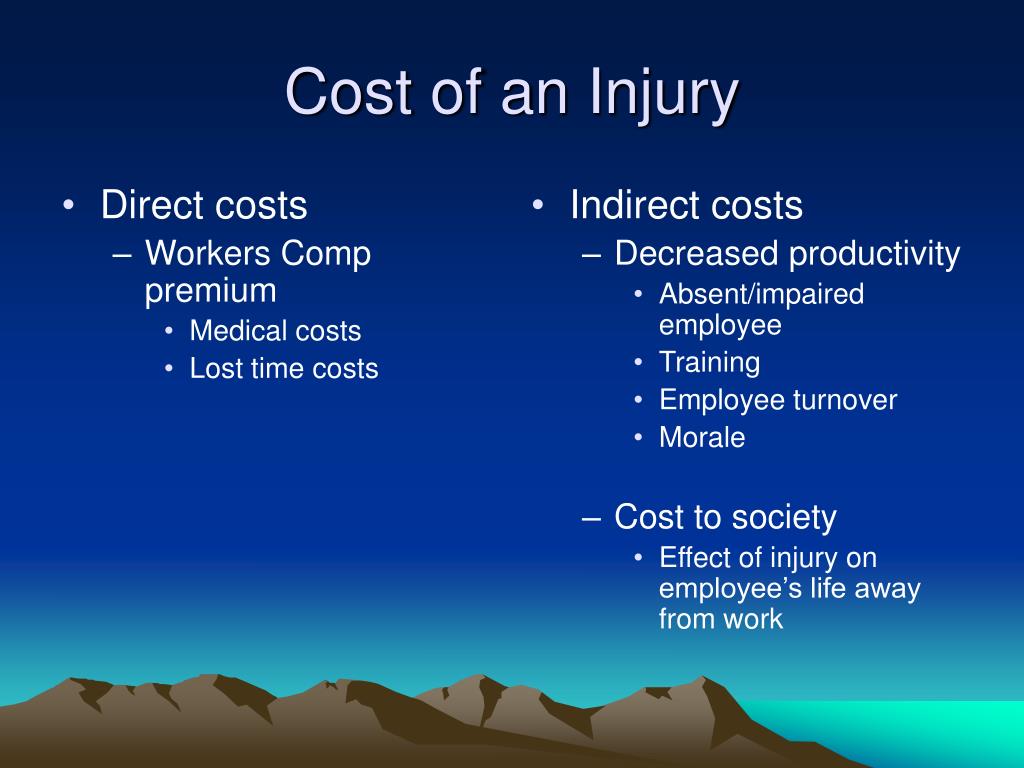
Comparing Direct vs. Indirect Cost Factors in 2026
To visualize the difference between the billed amount and the total expenditure, consider the following breakdown of common supply categories.
| Supply Category | Average Invoice Price (2026 Est.) | Hidden/Indirect Costs | Total Real Cost Impact |
|---|---|---|---|
| Standard DME (Knee Braces, Walkers) | $150 - $450 | UR fees, shipping, adjuster coordination | 1.3x Invoice |
| Complex DME (Power Chairs, Hospital Beds) | $2,500 - $15,000 | Custom fitting, maintenance, home mods | 1.5x Invoice |
| Wound Care Supplies (Dressings, Negative Pressure) | $50 - $200 (per kit) | Frequent re-ordering, nurse education | 1.4x Invoice |
| Orthotics/Prosthetics | $1,000 - $25,000 | Multiple fittings, adjustment labor | 1.6x Invoice |
The Role of Technology in Mitigating Supply Costs
By 2026, technology has become the primary tool for controlling the real cost of workers' compensation supplies. Integrated platforms that connect the treating physician, the adjuster, and the vendor in real-time help to eliminate many of the friction points mentioned above.
E-Prescribing for DME Just as e-prescribing revolutionized pharmacy, digital ordering for supplies has reduced errors and shortened lead times. When a physician orders a supply through a portal that automatically checks for fee schedule compliance and preferred vendor availability, the "soft costs" of manual processing are drastically reduced.
Predictive Analytics Modern claims systems now use AI to predict when a supply will need to be replaced. For example, if a patient is using wound care supplies, the system can flag a delay in healing that might suggest the need for a more advanced (and expensive) supply earlier in the process, preventing the much higher cost of a localized infection or hospital readmission.
Frequently Asked Questions
Why is the billed price for workers' compensation supplies higher than retail?
Workers' compensation supplies are billed according to state-mandated fee schedules which must cover the cost of the item plus the administrative burden of mandatory reporting, clinical documentation, and the extended payment cycles common in insurance. Unlike a retail transaction, a workers' comp provider must navigate complex billing requirements and risk-of-denial, which are factored into the pricing structure.
How does shipping and delivery affect the total claim cost?
In workers' compensation, timing is critical for recovery. Delayed delivery of a essential supply can postpone physical therapy or a return-to-work date, leading to increased indemnity costs. Consequently, the "real cost" includes the logistics fees and the potential financial penalty of a stalled recovery if delivery fails.
Can using cheaper supplies actually increase my insurance premiums?
Yes. If inferior supplies lead to slower recovery times, re-injury, or complications (like infection from low-quality dressings), the total cost of the claim increases. Since insurance premiums are often based on "experience rating" (the history of claim costs), higher total claim spending will eventually lead to higher premiums for the employer.
What is the impact of "Utilization Review" on supply costs?
Utilization Review (UR) is the process where a third party evaluates the medical necessity of a supply. The cost of this review (often several hundred dollars) is an indirect cost that must be added to the purchase price of the supply. If the UR process is inefficient, it can also lead to delays that increase the indemnity portion of the claim.
How do 2026 regulations impact DME rentals?
Current 2026 guidelines in many states have tightened the "rent-to-purchase" conversion rules. This means payers must more aggressively monitor how long equipment is rented. If an item is rented for 10 months when it could have been purchased for the cost of 5 months' rent, the "real cost" is essentially doubled due to poor oversight.
Practical Recommendations for Cost Control
To manage the real cost of workers' compensation supplies in 2026, stakeholders should move away from "price-per-unit" thinking and adopt a "total outcome" perspective.
- Centralize Procurement: Use a single, integrated ancillary network that provides transparent data on shipping times, UR hit rates, and clinical outcomes. This reduces the "adjuster friction" cost.
- Prioritize Quality for Chronic Cases: For long-tail claims, investing in high-end, durable supplies early can prevent the recurring costs of replacements and complications.
- Automate the "Last Mile": Use vendors that offer real-time tracking and confirmed delivery receipts integrated directly into the claims management system. This eliminates the need for manual follow-up calls.
- Audit the "Soft Costs": Periodically review the time spent by staff on supply-related issues. If your team is spending 20% of their day troubleshooting DME deliveries, your "real cost" is unsustainable, regardless of the discounts you've negotiated on the supplies themselves.
By focusing on these hidden drivers, organizations can transition from simply paying bills to actively managing the financial and clinical health of their workers' compensation programs.
Image Gallery