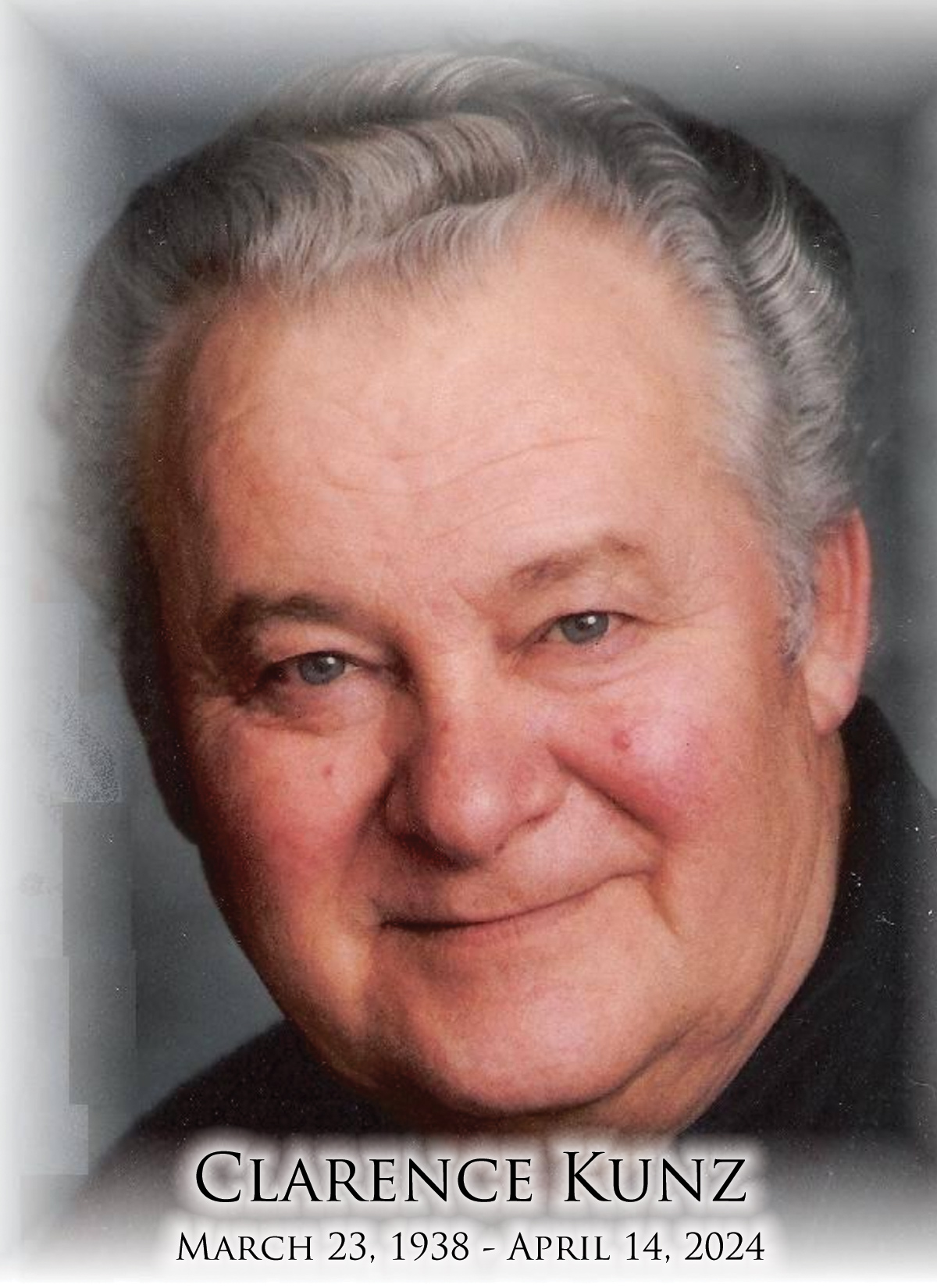
Ellinger-Kunz Funeral Home: A Guide to Professional End-of-Life Planning and Services
Ellinger-Kunz Funeral Home serves as a dedicated resource for families in Springfield, Illinois, providing comprehensive funeral, memorial, and cremation services. As a staple in the local community, the facility manages the logistical...
Ellinger-Kunz Funeral Home serves as a dedicated resource for families in Springfield, Illinois, providing comprehensive funeral, memorial, and cremation services. As a staple in the local community, the facility manages the logistical and emotional requirements of end-of-life arrangements, ensuring that all services adhere to state regulations and professional funeral industry standards for 2026.
Contents
Understanding the Role of Professional Funeral Services
The transition following the loss of a loved one involves significant administrative and logistical hurdles. Ellinger-Kunz Funeral Home operates to streamline these processes, acting as a liaison between families, medical facilities, and government offices. Their primary function is to uphold the dignity of the deceased while alleviating the burden of legal and logistical documentation from the grieving family.
Core Administrative Responsibilities
The professional staff at a funeral home facilitates several critical tasks required by law:
- Death Certificate Filing: Coordinating with attending physicians or medical examiners to ensure the timely filing of death certificates with the Illinois Department of Public Health.
- Transportation Logistics: Arranging for the secure transfer of the deceased from the place of death to the funeral home or crematory.
- Permit Acquisition: Securing necessary burial or transit permits required for interments or transportation across state lines.
- Obituary Coordination: Assisting with the placement of death notices in local publications and digital archives.
Available Services at Ellinger-Kunz
Navigating the options for final disposition requires an understanding of what is available and how each choice impacts both the service structure and the overall costs. For 2026, the facility offers a spectrum of services tailored to meet diverse cultural, religious, and personal preferences.
Comparison of Service Modalities
Families often weigh the benefits of traditional burial against cremation. The following table provides a technical comparison of these modalities to assist in decision-making.
| Feature | Traditional Burial | Direct Cremation | Memorial Service |
|---|---|---|---|
| Primary Focus | Casket interment in a cemetery | Thermal reduction of remains | Honoring life without remains present |
| Logistical Scope | Extensive (Cemetery coordination) | Minimal (Crematory coordination) | Flexible (Venue choice) |
| Timeline | Generally 3-7 days post-death | Flexible, depending on permit approval | Highly customizable |
| Legal Documentation | Death certificate, burial permit | Death certificate, cremation permit | Death certificate |
The Process of Pre-Planning and Advanced Directives
Pre-planning funeral arrangements has become a standard approach for families seeking to reduce financial and emotional stress during an eventual bereavement. By locking in arrangements in 2026, families often hedge against inflation and ensure that the final service aligns exactly with the deceased’s stated wishes.
Institutional Knowledge on Funding When pre-funding a funeral, it is essential to utilize established financial instruments such as funeral trusts or life insurance assignments. These mechanisms are designed to protect assets and ensure that the funds are available specifically for funeral expenses at the time of need. Consulting with a funeral director regarding the portability of these plans is a critical step in the planning process.
Essential Considerations for Illinois Residents
Operating within the State of Illinois necessitates compliance with specific statutes governed by the Illinois Funeral Directors Association and the Illinois Department of Financial and Professional Regulation. Ensuring that a funeral home is fully licensed is a primary step for any consumer.
- Verification of Licensure: Always confirm that the funeral home holds an active establishment license.
- General Price List (GPL): Federal Trade Commission (FTC) regulations require all funeral homes to provide a copy of their General Price List upon request. This document must itemize every service and product provided.
- Casket Selection: Consumers have the right to purchase caskets from third-party vendors without incurring additional handling fees from the funeral home.
- Embalming Requirements: Embalming is not required by law in Illinois for most funerals, though it may be requested for open-casket viewings or specific transport requirements.
Troubleshooting Common Administrative Challenges
Families often encounter confusion regarding insurance and social security benefits during the planning phase. Below are practical steps to mitigate common administrative delays.
- Social Security Notification: Funeral directors typically report a death to the Social Security Administration (SSA) using the deceased's Social Security Number. Families should still follow up with the local SSA office to verify the status of potential survivor benefits.
- Insurance Policy Verification: Ensure that the policy is currently in force and request a beneficiary claim form early in the process. Some policies require a certified copy of the death certificate, which the funeral home can assist in obtaining.
- Veterans Benefits: If the deceased served in the armed forces, provide a copy of the DD214 discharge papers to the funeral home immediately to coordinate military honors or interment at a veterans’ cemetery.
Frequently Asked Questions
What is the first step when a death occurs at home? If the death is expected and the person was under hospice care, contact the hospice nurse first. If the death was unexpected, contact local emergency services (911) before calling the funeral home.
How many death certificates should I order? Generally, it is recommended to order 5 to 10 certified copies. You will need them for closing bank accounts, settling insurance policies, and handling property transfers.
Can I hold a funeral service in a church instead of the funeral home? Yes. Funeral homes frequently coordinate with local churches or alternative venues to conduct services, handling the transportation and setup at the off-site location.
Is cremation considered a form of final disposition? Yes, cremation is a legal form of final disposition. After cremation, the remains can be interred in a cemetery plot, placed in a columbarium, or kept by the family.
Does Medicare cover funeral expenses? No. Traditional Medicare and Medicare Advantage plans do not cover funeral, burial, or cremation expenses. These costs are considered personal or estate expenses.
Professional Guidance for Your Family
Selecting a funeral service provider requires transparency and clear communication. The team at Ellinger-Kunz is positioned to guide you through these requirements with professionalism. For those beginning the planning process in 2026, we encourage an initial consultation to review current service offerings, pricing structures, and necessary documentation to ensure your family's needs are met with precision and care.
Image Gallery