Mastering ANCC Practice Exams: Your 2026 Strategic Preparation Guide
Navigating American Nurses Credentialing Center (ANCC) practice exams requires a structured approach that mirrors the blueprint of the actual board certification tests. Success depends on understanding question taxonomies, diagnosing k...
Navigating American Nurses Credentialing Center (ANCC) practice exams requires a structured approach that mirrors the blueprint of the actual board certification tests. Success depends on understanding question taxonomies, diagnosing knowledge gaps through targeted assessments, and applying evidence-based test-taking strategies to achieve a passing score on your first attempt.
Contents
Passing an ANCC certification examination—whether for Family Nurse Practitioner (FNP-BC), Adult-Gerontology Acute or Primary Care Nurse Practitioner (AGACNP-BC, AGPCNP-BC), Psychiatric-Mental Health Nurse Practitioner (PMHNP-BC), or specialized nursing roles like Nursing Informatics and Nurse Executive—demands more than rote memorization. It requires clinical judgment, advanced pharmacological reasoning, and mastery of the specific exam blueprint established by the ANCC. Utilizing high-yield practice exams is the single most effective method to bridge the gap between clinical experience and standardized testing success.
Understanding the ANCC Exam Blueprint and Question Design
The ANCC designs its examinations to evaluate a candidate's advanced nursing knowledge, professional practice standards, and independent clinical decision-making capabilities. Unlike tests that rely heavily on simple recall, ANCC exams use complex, scenario-based questions that test higher-order cognitive levels such as analysis, synthesis, and evaluation.
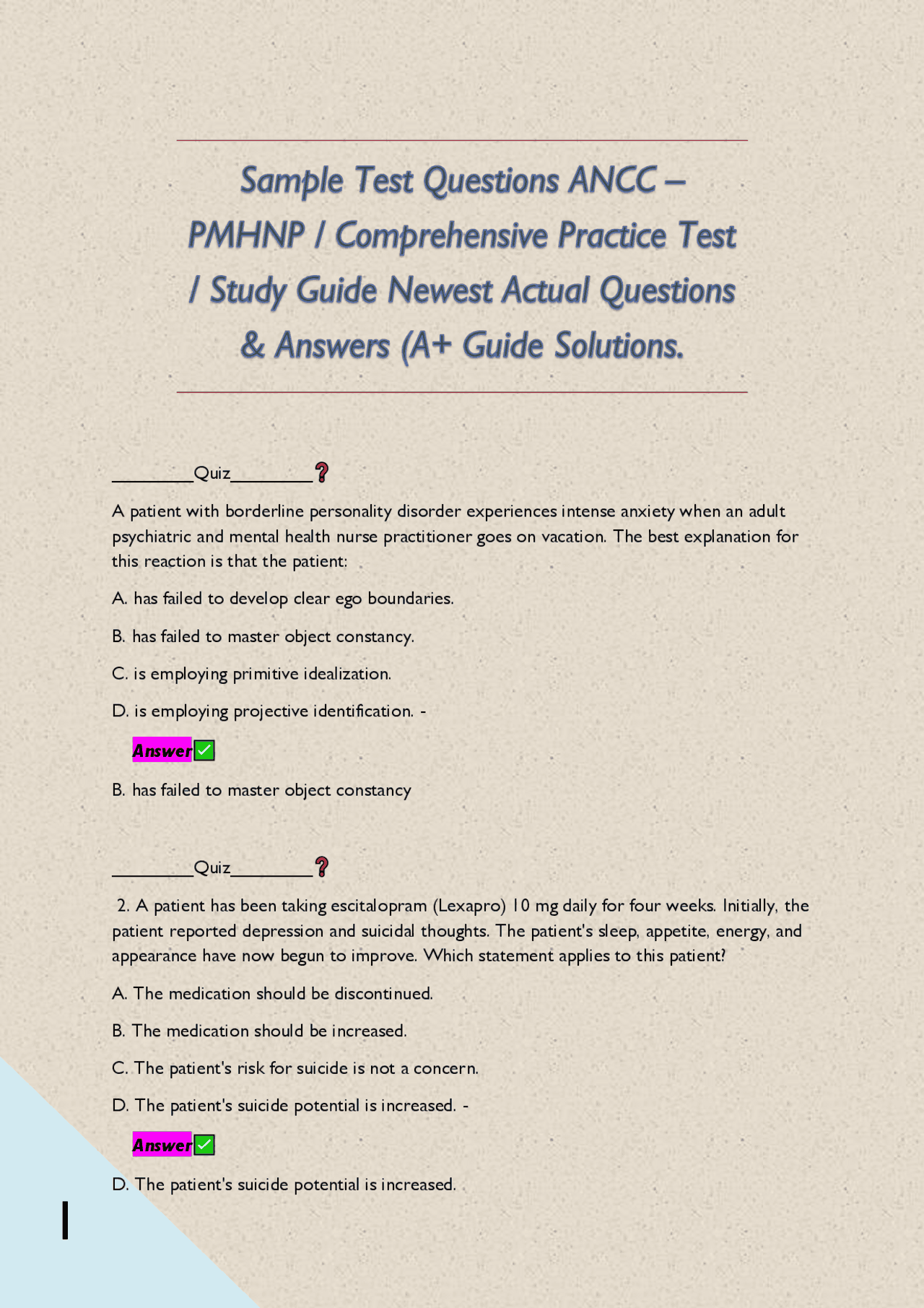
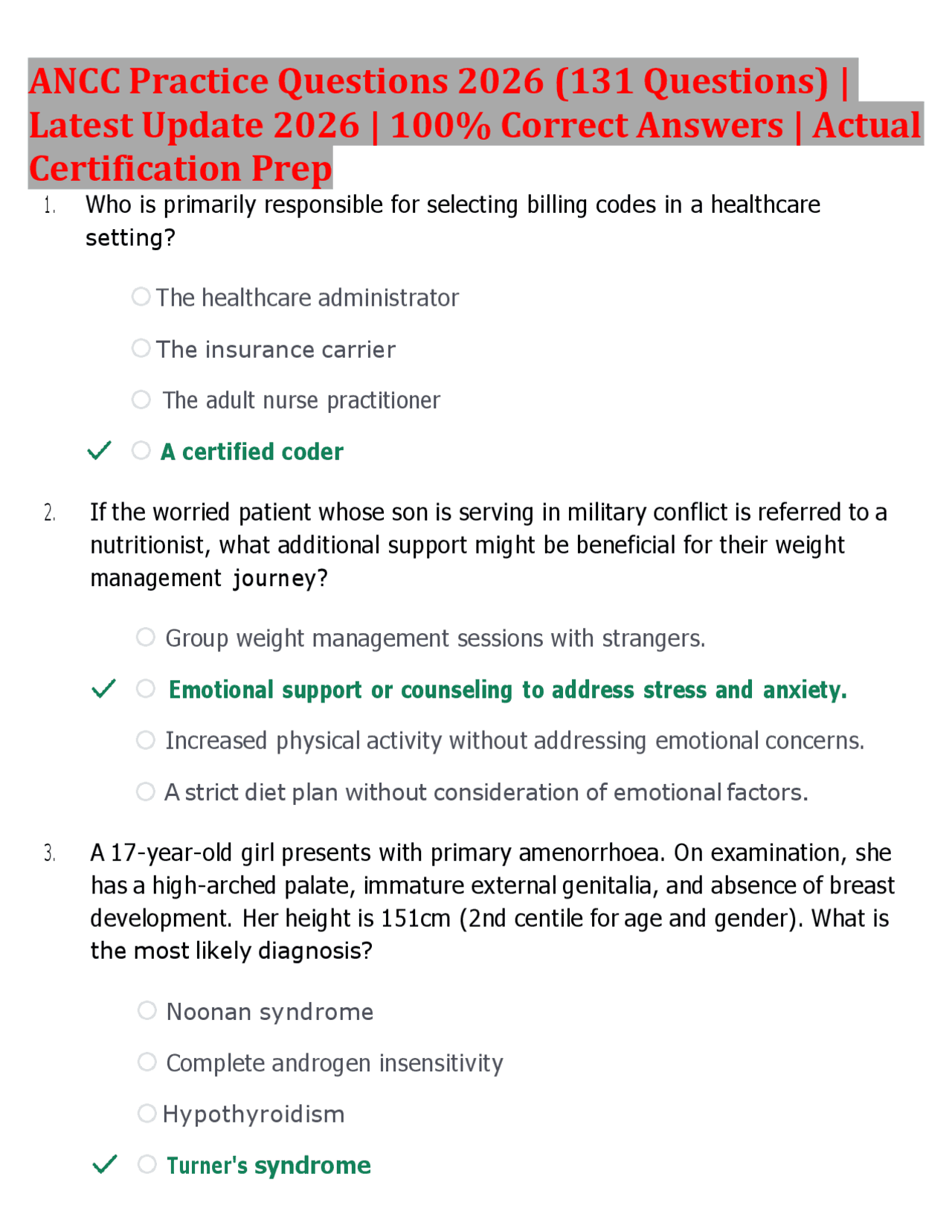
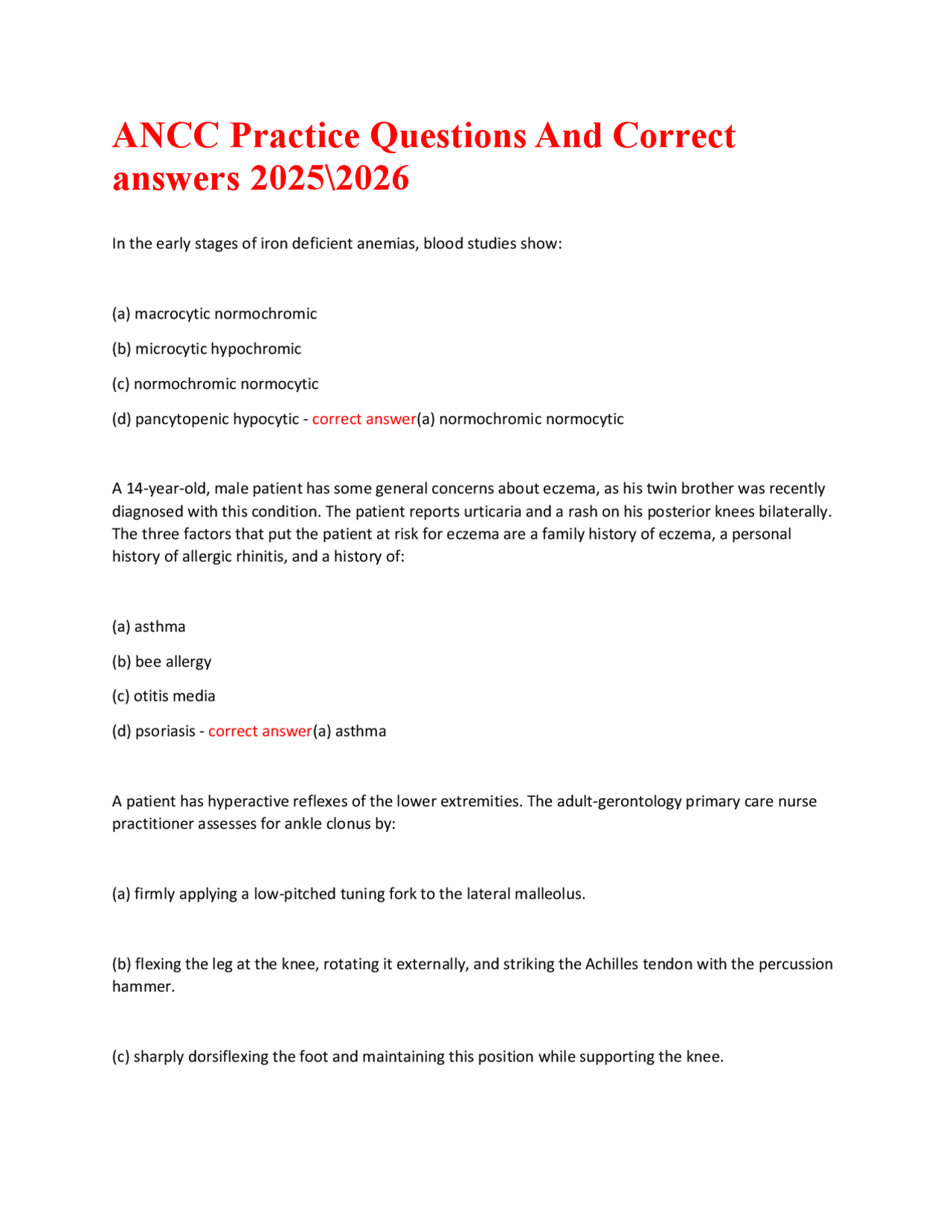
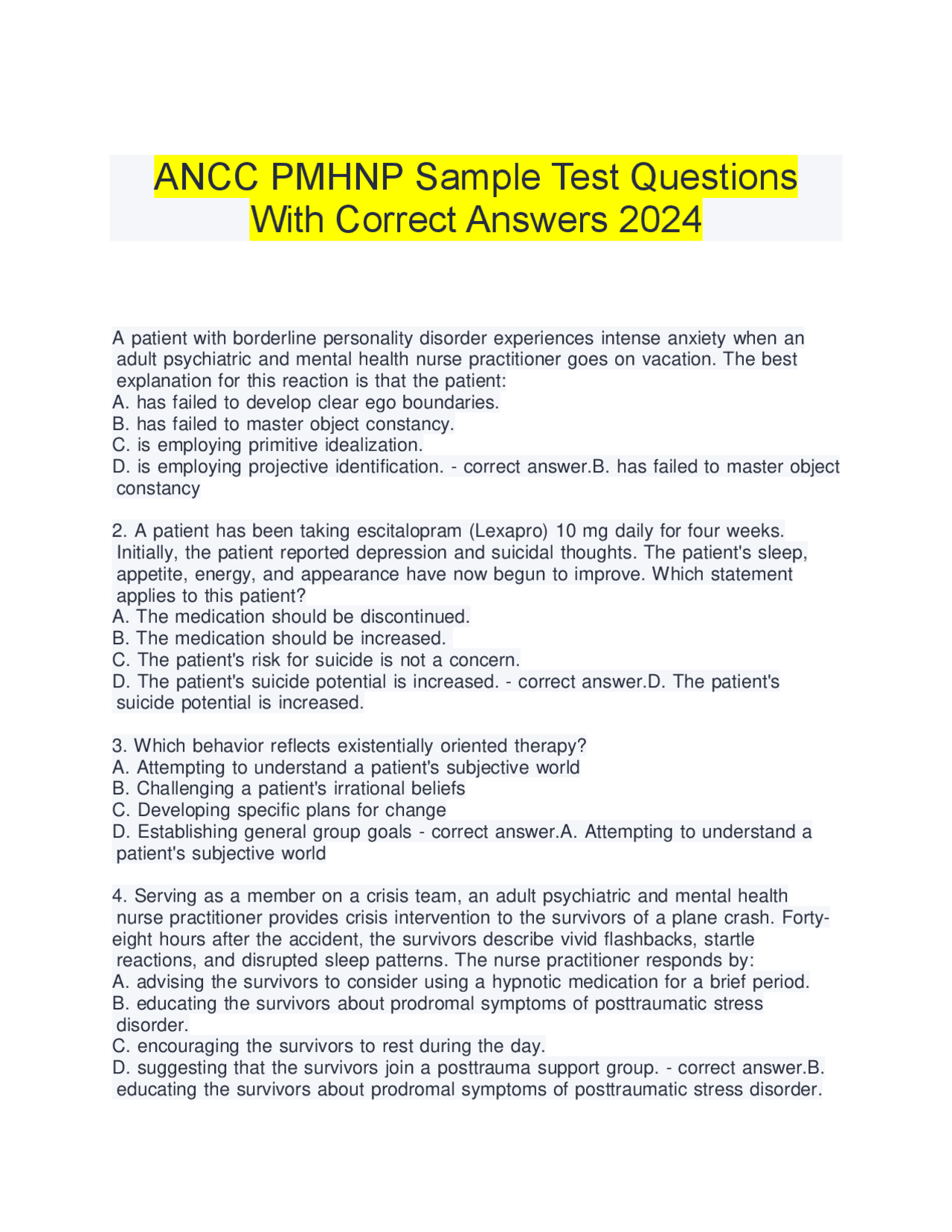
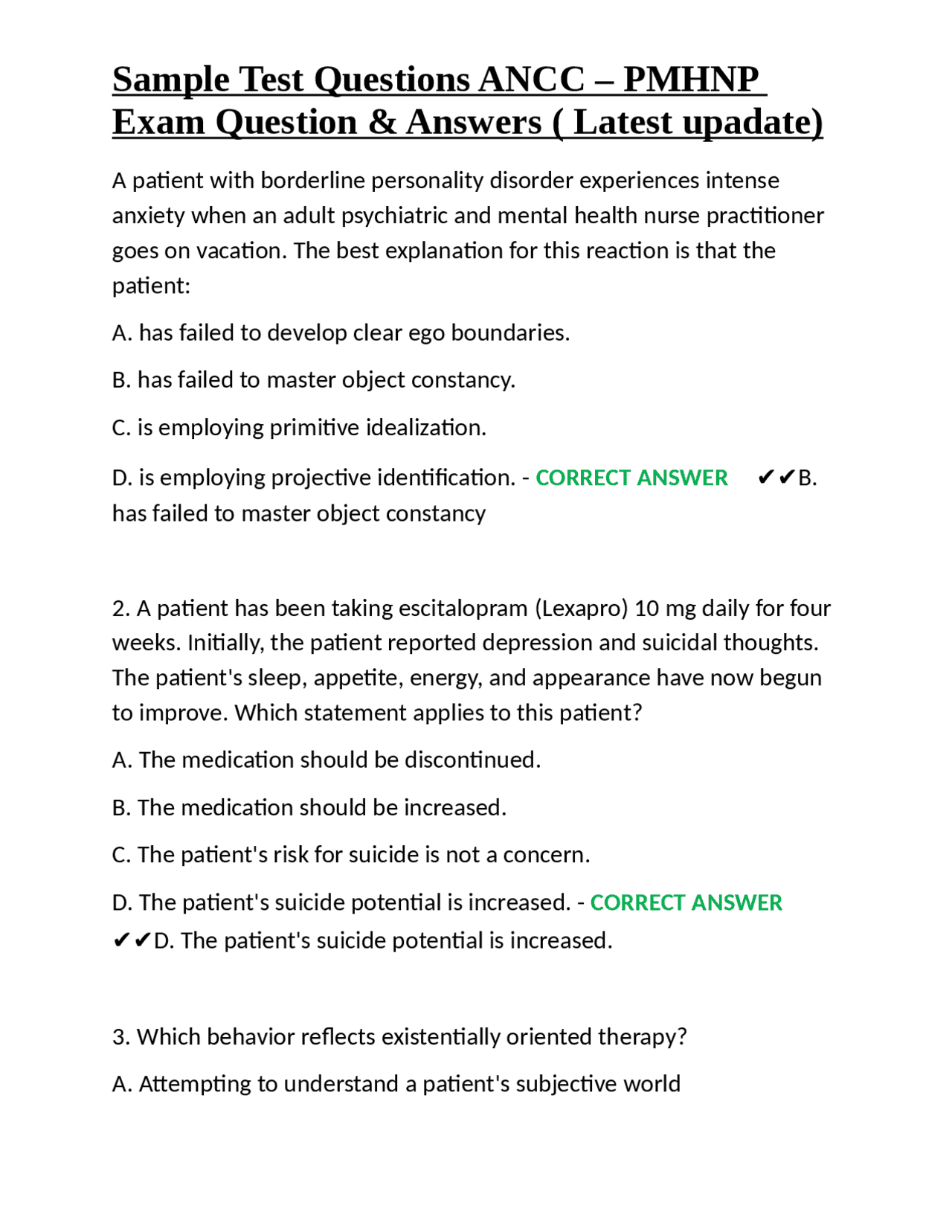
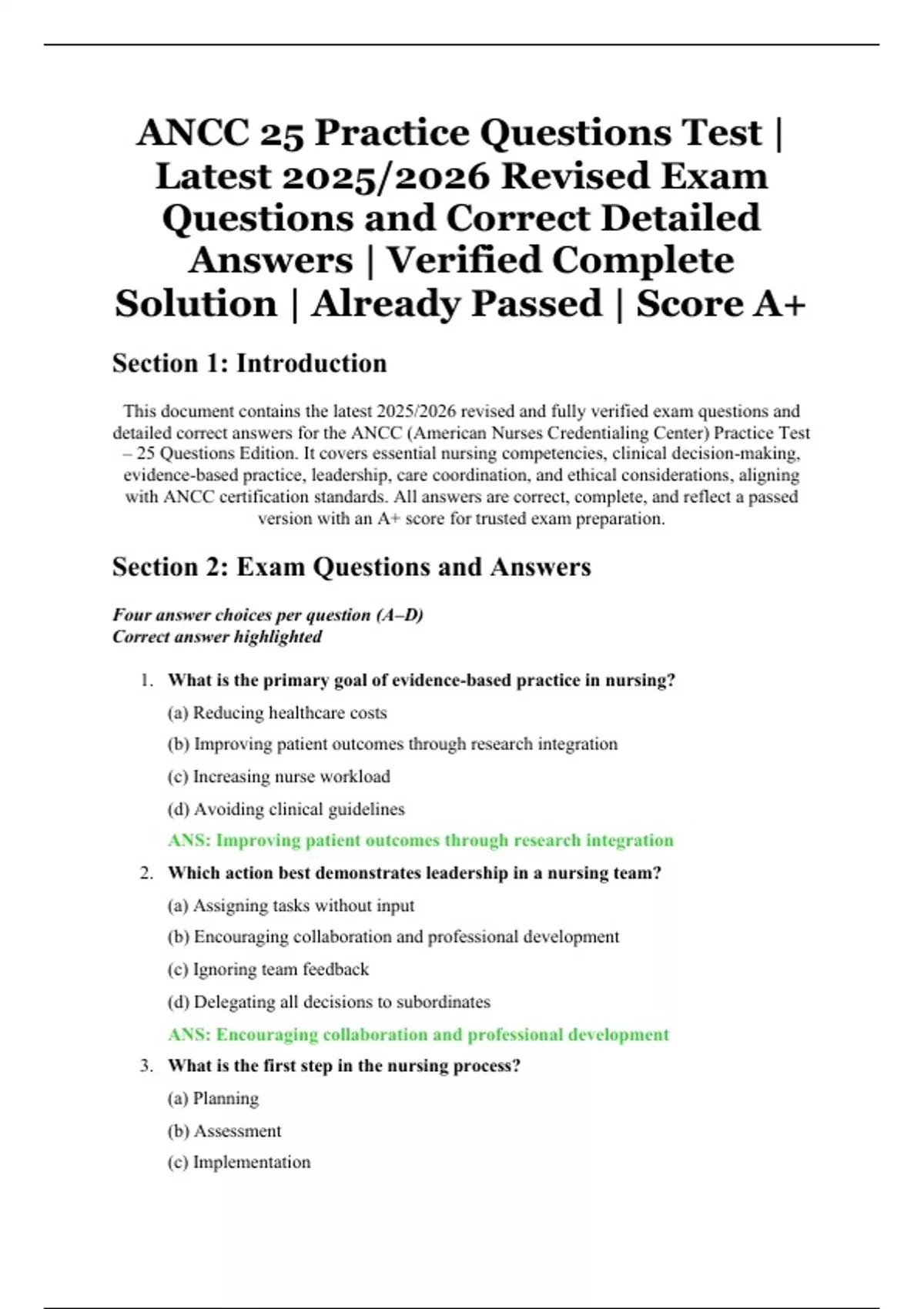
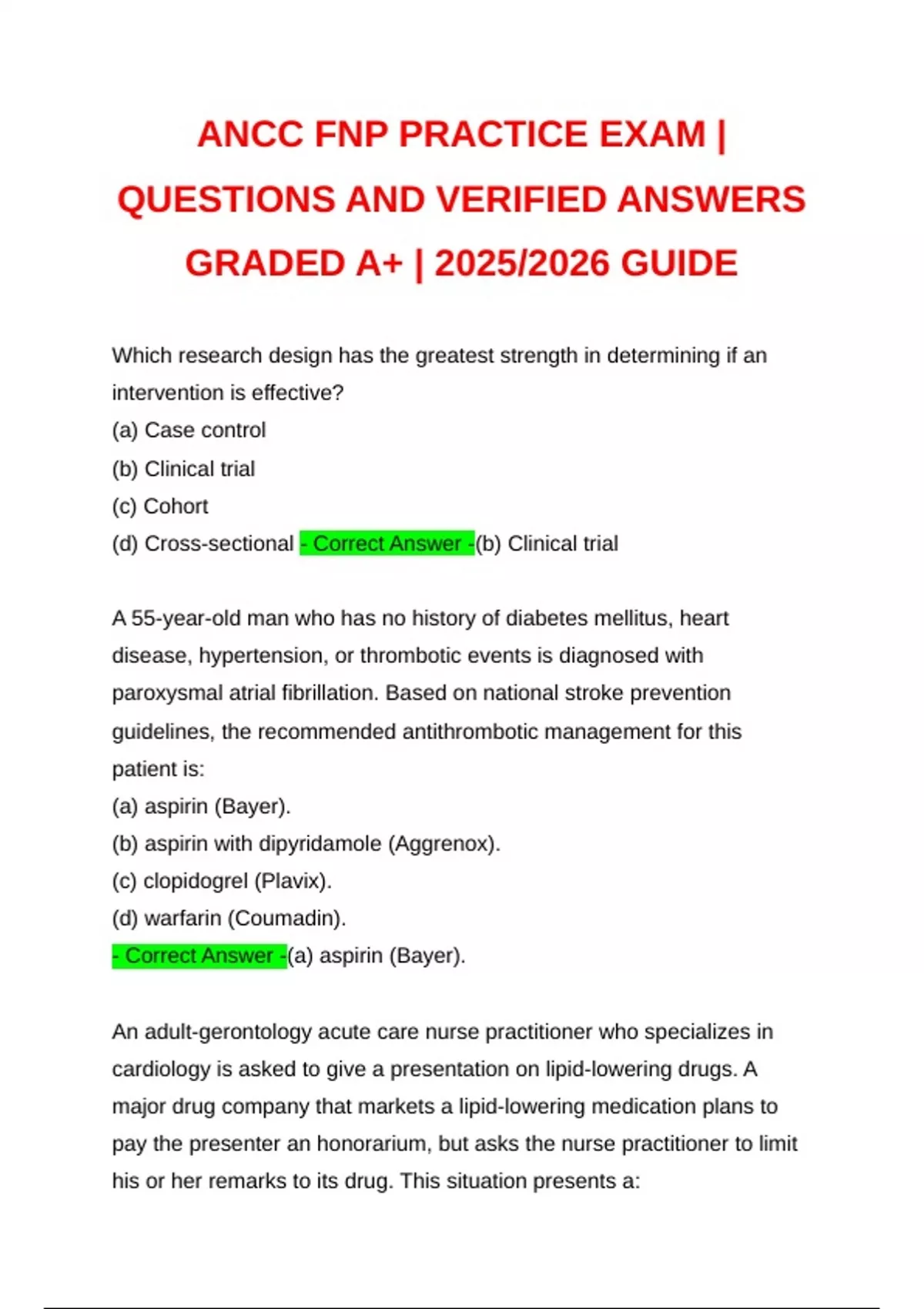
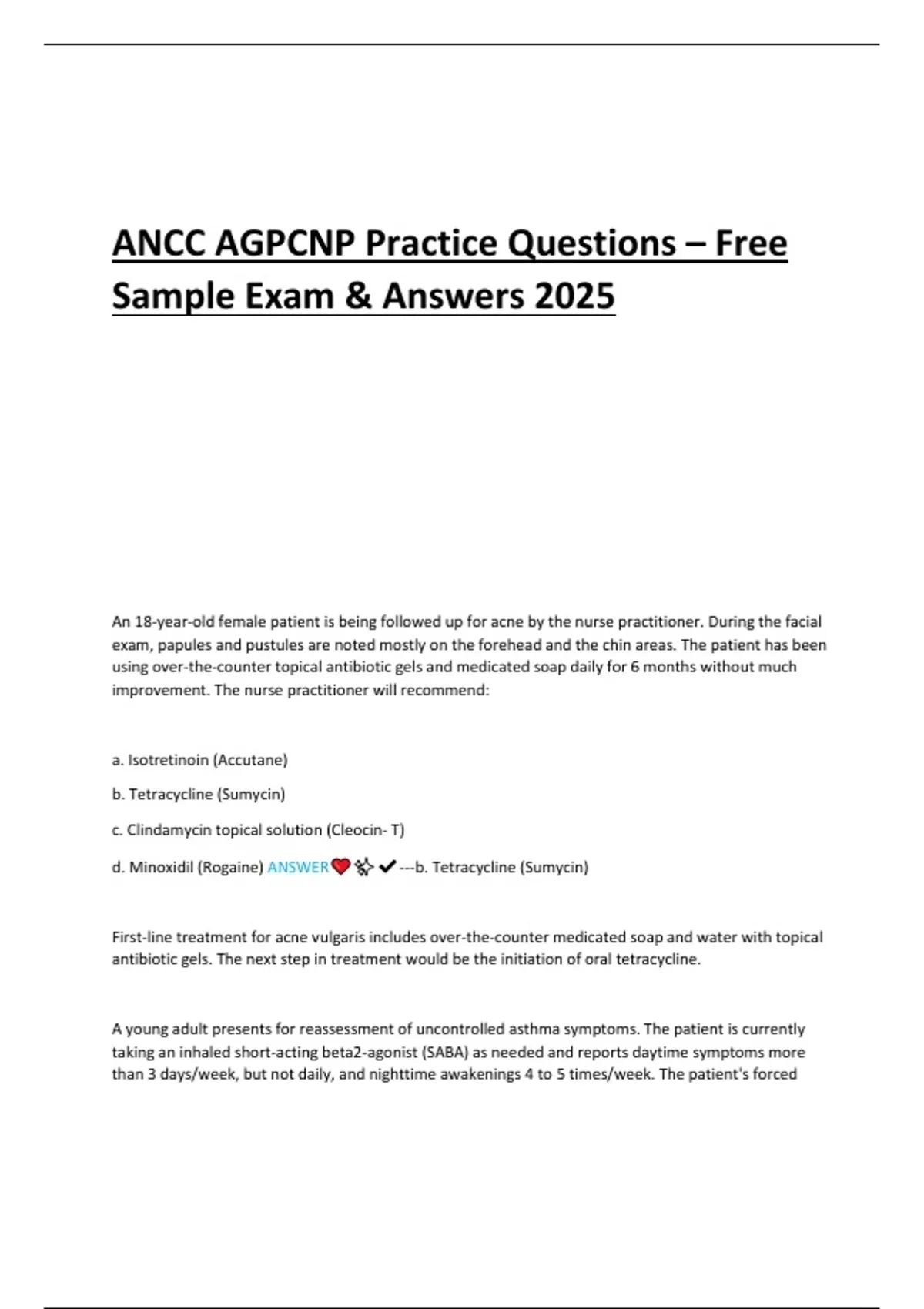
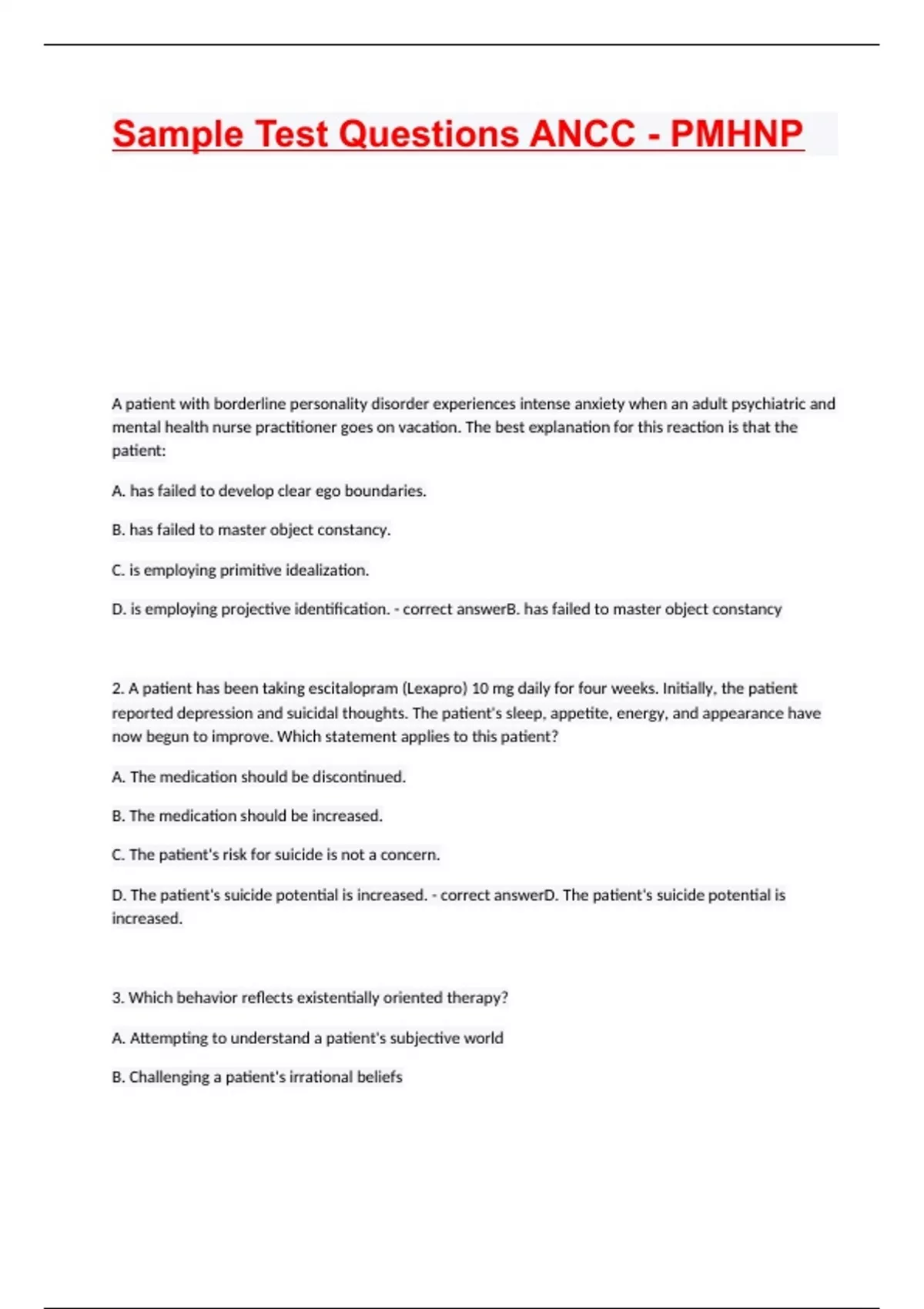
High-quality ANCC practice exams reflect the rigorous structure of the official testing engine. Familiarity with the question types reduces test anxiety and builds efficiency.
- Standalone Items: Traditional multiple-choice questions presenting a clinical vignette followed by four potential answers, requiring the identification of the single best diagnostic or management choice.
- Multi-Select Items: Questions that require the test-taker to select all correct options from a list of five or more choices, frequently used to assess comprehensive treatment plans or complex symptom presentations.
- Drag-and-Drop or Ordering Items: Interactive formats that require sequencing clinical steps, prioritizing triage protocols, or matching pathophysiology to diagnostic markers.
- Hotspot Items: Questions asking the candidate to identify a specific anatomical location or region on an image or chart.
| Exam Domain Focus | General Weighting | Primary Clinical Competency Tested |
|---|---|---|
| Assessment & Diagnosis | 25% - 35% | History taking, physical examination, diagnostic test selection, and differential diagnosis formulation. |
| Clinical Management | 30% - 40% | Pharmacology, non-pharmacological interventions, risk management, and patient education. |
| Professional Role | 15% - 25% | Ethics, legal standards, interprofessional collaboration, and quality improvement frameworks. |
| Health Promotion | 10% - 15% | Disease prevention, screening guidelines, epidemiology, and population health initiatives. |
Core Criteria for Selecting High-Yield Practice Exams
Not all practice resources deliver equal value. Utilizing outdated or poorly written question banks can instill false confidence or train candidates to answer questions using flawed clinical logic. Evaluating potential practice exam platforms requires a rigorous examination of their underlying development process.
Effective practice questions must align directly with the current ANCC test content outlines. They should provide detailed rationales for both correct and incorrect options, explaining the underlying pathophysiology, pharmacological mechanism, or guideline recommendation.
Evaluating Practice Exam Quality Rationales Depth: Ensure the platform explains why the correct choice is superior and why the remaining three distractors fail. A simple statement of the correct answer is insufficient for advanced practice preparation. Peer Review Validation: Look for question banks authored, reviewed, and endorsed by board-certified advanced practice registered nurses (APRNs) who have successfully navigated the exact exam you are targeting. Adaptive Technology: Prioritize platforms that simulate the computer-adaptive or linear testing environment of Prometric centers, offering timed modes, scoring breakdowns by domain, and performance analytics.
Step-by-Step Methodology for Utilizing Practice Exams
Integrating practice tests into a comprehensive study schedule transforms passive reading into active, high-yield learning. Treating practice exams merely as a measure of readiness limits their utility; they should serve as primary diagnostic tools.
- Baseline Diagnostic Assessment: Take a full-length, timed diagnostic practice exam at the very beginning of your study period without prior preparation. This establishes your baseline score and identifies weak domains.
- Detailed Performance Audit: Analyze your incorrect and guessed answers systematically. Categorize errors into knowledge deficits, misread questions, timing issues, or second-guessing.
- Targeted Content Remediation: Dedicate study sessions to your lowest-scoring domains using primary literature, current clinical practice guidelines, and advanced pathophysiology texts before attempting another full-length exam.
- Progressive Simulation Testing: Take subsequent practice exams under strict testing conditions—no notes, strict time limits, and minimal distractions—every two to three weeks to track improvement and build mental endurance.
- Final Review Phase: In the final two weeks before your official exam date, focus exclusively on reviewing rationale logs, reinforcing high-yield pharmacology, and refining your pacing strategy.
Comparing Preparation Strategies: Practice Exams vs. Textbook Reading
Relying solely on textbooks often leads to passive absorption of information without developing the clinical application skills required by the ANCC. Combining both approaches yields the highest pass rates.
| Preparation Method | Strengths | Limitations | Cost / Time Investment |
|---|---|---|---|
| Comprehensive Textbooks | Provides deep foundational knowledge and exhaustive pathophysiological details. | Lacks interactive application; easy to read passively without retaining clinical nuances. | Moderate cost; extremely time-consuming. |
| Online Practice Question Banks | Simulates exact exam format; exposes weak domains; trains test-taking stamina through detailed rationales. | Can lead to memorization of specific questions if utilized improperly rather than understanding concepts. | Moderate to high cost; highly efficient time investment. |
| Live Review Courses | Offers structured pacing, expert tips, and condensed summaries of high-yield topics. | Passive listening format; less effective if foundational knowledge is weak. | High cost; fixed schedule commitment. |
Common Pitfalls and Troubleshooting During Practice Sessions
Candidates frequently encounter predictable obstacles when navigating extensive practice question banks. Recognizing these traps allows you to adjust your strategy before test day.
- Over-Memorizing Questions: Memorizing the correct letter choice of a practice question provides zero value if you encounter a differently phrased question on the actual exam. Always focus on mastering the underlying clinical concept and rationale.
- Ignoring Incorrect Rationales: Reviewing only the questions you got right wastes half the learning opportunity. Dissecting why distractors are incorrect teaches you how the ANCC constructs plausible alternative answers.
- Mismanaging Time: Struggling to finish practice exams within the allocated time limit indicates a need to practice pacing. Learn to eliminate obvious incorrect answers quickly and flag ambiguous questions rather than getting stalled.
- Failing to Simulate Testing Conditions: Taking practice exams while pausing to look up answers or taking extended breaks distorts your score and fails to build the mental stamina required for a three-to-four-hour board exam.
Expert Insights for Test Day Execution
Maximizing your performance on the day of your ANCC examination requires careful attention to physical, mental, and strategic factors.
- Trust Your First Instinct: Clinical experience often triggers an immediate correct response. Changing an answer based on anxiety or over-analysis frequently leads to an incorrect choice unless you discover clear evidence in the question stem that invalidates your first choice.
- Read the Entire Question Stem Carefully: Pay close attention to qualifying words such as "first," "best," "next," "except," or specific patient demographics. These modifiers completely alter what the ANCC considers the correct clinical action.
- Prioritize Safety and Stabilization: When evaluating clinical scenarios involving acute distress, remember the core principles of triage and stabilization. Prioritize life-saving interventions, airway management, and hemodynamic stabilization over diagnostic testing or routine screening.
- Manage Cognitive Fatigue: Utilize scheduled or unscheduled breaks to clear your mind, stretch, and reset your focus. Maintain steady hydration and nutrition during breaks to sustain optimal cognitive function throughout the testing window.
To ensure your preparation aligns with the most current standards, review the official ANCC certification page to verify content outline updates, eligibility requirements, and application procedures before scheduling your examination.
Image Gallery