Why the Right Auburn Mold Testing and Remediation Matters
Choosing the right Auburn mold testing and remediation specialist is critical for protecting your property’s structural integrity and the health of its occupants. In 2026, professional intervention ensures that moisture sources are ide...
Choosing the right Auburn mold testing and remediation specialist is critical for protecting your property’s structural integrity and the health of its occupants. In 2026, professional intervention ensures that moisture sources are identified, spore counts are accurately measured, and containment protocols prevent cross-contamination, ultimately preserving your asset’s long-term market value.
Contents
Mold is more than a cosmetic nuisance or a minor cleaning chore; it is a biological contaminant that requires a systematic, scientific approach to manage. In Auburn, where seasonal humidity levels and specific architectural styles can create the perfect breeding ground for fungal growth, the "right" approach makes the difference between a permanent solution and a recurring, expensive nightmare. Whether you are a homeowner dealing with a basement leak or a property manager overseeing an apartment complex, understanding the technical nuances of mold management is essential.
The Auburn Climate and Its Impact on Mold Growth
The geographic location of Auburn plays a significant role in why mold is a persistent issue for local property owners. Whether dealing with the humid subtropical climate of Auburn, Alabama, or the damp, temperate conditions of Auburn, Washington, moisture management is a constant struggle.
In 2026, building science has evolved to recognize that modern, airtight homes often trap moisture more effectively than older structures. When high outdoor humidity meets cool indoor surfaces—such as air-conditioned drywall or basement masonry—condensation occurs. This interstitial condensation is often hidden behind walls, where mold can thrive undetected for months. The right remediation professional understands these local environmental stressors and uses advanced thermal imaging to locate moisture pockets that the untrained eye would miss.
The Difference Between Professional Testing and DIY Kits
Many Auburn residents are tempted to purchase over-the-counter mold test kits from local hardware stores. However, these kits are frequently misleading and lack the context required for a safe living environment.
The Limitations of DIY Kits
Most DIY kits consist of a Petri dish that captures settling spores. Because mold spores are omnipresent in the natural environment, these dishes will almost always grow "something." This often leads to unnecessary panic or, conversely, a false sense of security if the specific toxic species present does not grow well on the provided medium. These kits do not provide spore counts per cubic meter, nor do they compare indoor samples with outdoor control samples—a vital step in professional diagnostics.
The Professional Diagnostic Advantage
Professional mold testing in Auburn involves a multi-faceted approach. A qualified industrial hygienist or mold inspector will perform:
- Ambient Air Sampling: Capturing a known volume of air to determine the concentration of spores compared to the natural background levels outside.
- Surface Swabbing or Tape Lifts: Identifying the specific genus and species of mold present on visible growth.
- Cavity Sampling: Testing the air inside wall voids where hidden leaks may be occurring.
- Moisture Mapping: Using hygrometers and moisture meters to find the "root cause" of the growth, ensuring that remediation isn't just a temporary fix.
Health Implications of Substandard Remediation
The primary reason why the "right" remediation matters is human health. In 2026, the medical community continues to emphasize the risks associated with Mycotoxins and Microbial Volatile Organic Compounds (mVOCs).
Exposure to elevated mold levels can lead to a range of health issues, often categorized under Chronic Inflammatory Response Syndrome (CIRS) or General Mold Sensitivity. Symptoms include:
- Respiratory Distress: Increased asthma attacks, chronic coughing, and wheezing.
- Neurological Impacts: "Brain fog," fatigue, and headaches associated with toxic species like Stachybotrys chartarum (black mold).
- Allergic Reactions: Persistent sneezing, skin rashes, and red, itchy eyes.
If a remediation job is handled incorrectly—for example, if a contractor sprays bleach on porous wood and calls it "fixed"—the mold may actually release more spores as a defense mechanism. This "bloom" can spread contaminants throughout the HVAC system, turning a localized problem into a building-wide health crisis.
The Importance of Industry Standards: IICRC S520
The hallmark of the "right" Auburn mold professional is strict adherence to the ANSI/IICRC S520 Standard for Professional Mold Remediation. This document is the gold standard in 2026 for how mold should be handled.
The S520 outlines three conditions of mold:
- Condition 1 (Normal): An indoor environment that may contain settled spores but is otherwise "clean."
- Condition 2 (Settled Spores): An area with an accumulation of spores but no active growth.
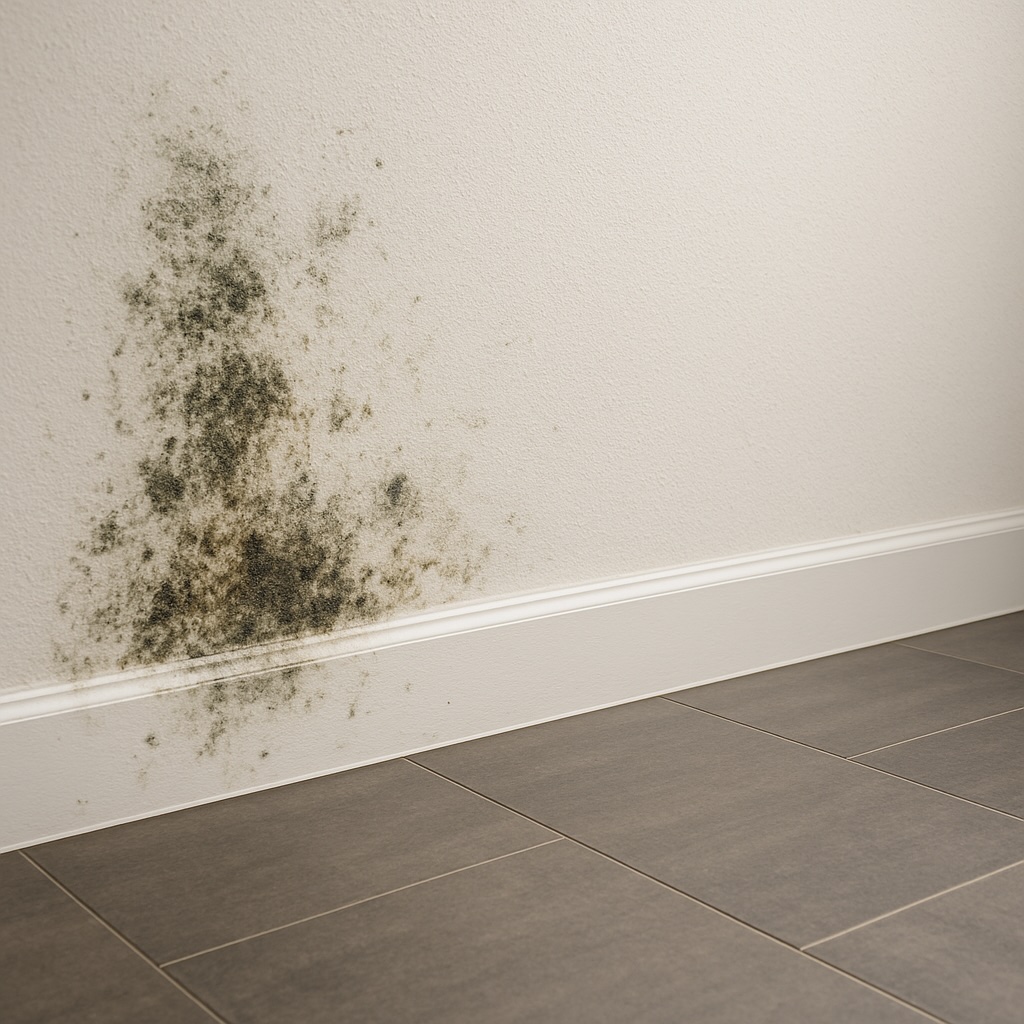
- Condition 3 (Actual Growth): Areas with visible growth or high concentrations of spores that require physical removal.
The right professional will not just "kill" the mold; they will remove it. Dead mold spores can be just as allergenic and toxic as live ones. Therefore, any contractor suggesting that "fogging" or "spraying" alone is a sufficient solution is not following the industry-best practices required for Auburn properties.
Strategic Comparison of Mold Management Approaches
| Feature | DIY / "Handyman" Approach | Professional Remediation (IICRC Certified) |
|---|---|---|
| Root Cause Analysis | Often ignored; focuses on visible spots. | Comprehensive moisture mapping and leak detection. |
| Containment | Rare; spores often spread to other rooms. | HEPA-filtered negative air pressure and 6-mil poly barriers. |
| Removal Method | Bleach or biocides (ineffective on porous surfaces). | Physical removal, HEPA vacuuming, and antimicrobial cleaning. |
| Personal Protective Equipment (PPE) | Basic mask or none. | Full-body Tyvek suits and N-95 or P-100 respirators. |
| Verification | Visual "looks clean" check. | Post-Remediation Verification (PRV) by a third party. |
| Long-term Cost | High (mold usually returns). | Lower (addressed correctly the first time). |
Financial and Legal Consequences for Auburn Property Owners
In 2026, the financial stakes for mold management are higher than ever. For homeowners, a history of mold issues that were not professionally remediated can lead to significant hurdles during the sale of a property. Many buyers now demand a "Clearance Letter" from a certified inspector before closing.
Real Estate Disclosure Laws
In most jurisdictions, including those surrounding Auburn, sellers are legally required to disclose known latent defects, including mold. If a homeowner attempts a DIY fix and the mold returns after the sale, they may be liable for "failure to disclose" or "negligent remediation." Hiring the right professional provides a paper trail of certificates and warranties that protects the seller's liability.
Insurance Coverage Nuances
Insurance companies are increasingly strict about mold claims. Most policies cover mold only if it results from a "covered peril," such as a sudden pipe burst. However, if mold is the result of long-term seepage or "lack of maintenance," claims are often denied. A professional remediation company can help document the source of the loss, providing the evidence needed to facilitate a smoother claims process with your provider.
The Step-by-Step Process of Proper Remediation
When you hire the right specialist in Auburn, the process follows a logical, safety-first sequence. Understanding these steps allows property owners to hold their contractors accountable.
- Assessment and Scope of Work: The process begins with an inspection and a written plan detailing exactly what will be removed and how the area will be dried.
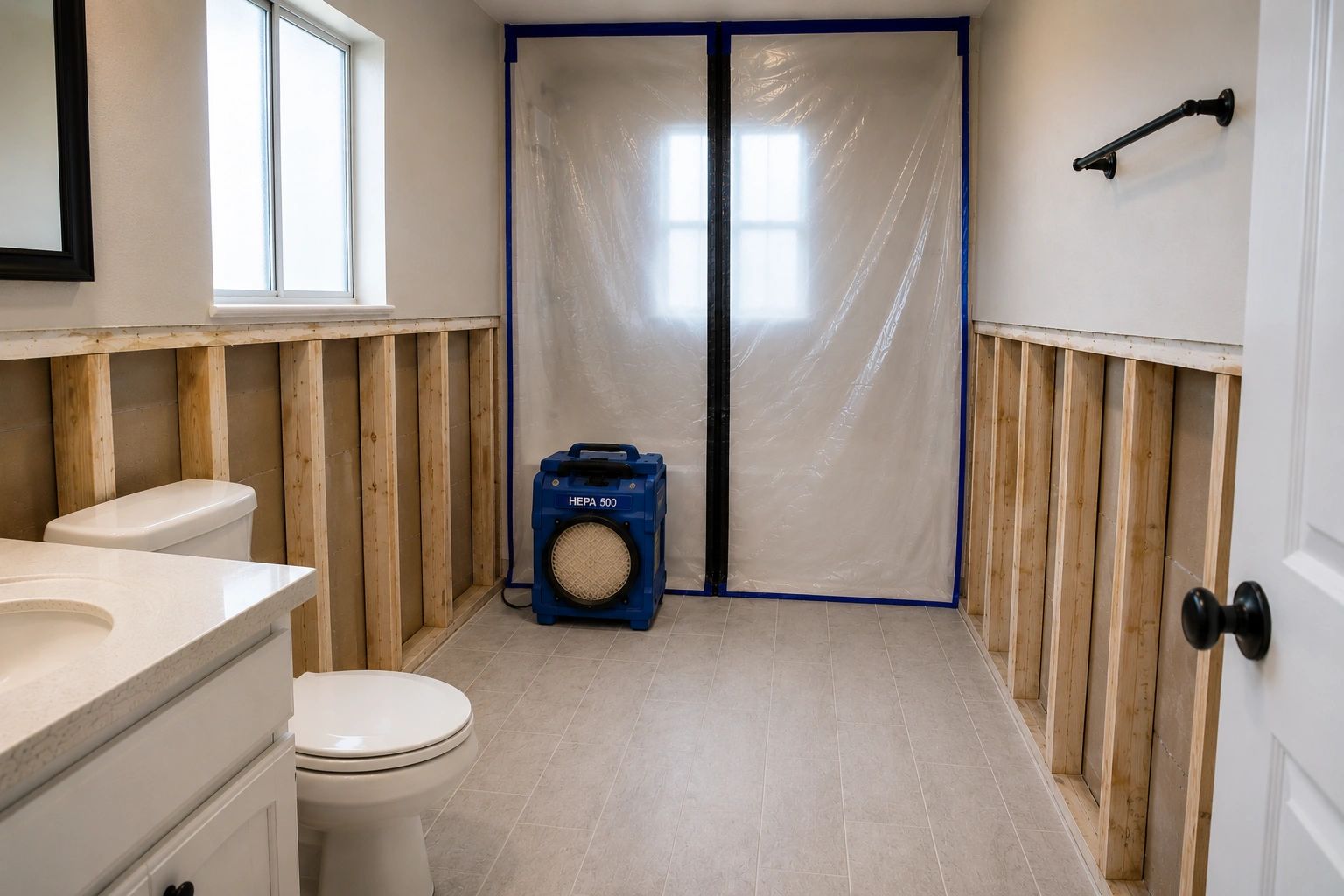
- Establishment of Containment: Before any demolition begins, the crew sets up plastic barriers and air scrubbers. This ensures that when a moldy piece of drywall is moved, the billions of spores released are trapped by HEPA filters rather than floating into the kitchen or bedrooms.
- Physical Removal: Porous materials (drywall, insulation, carpeting) are bagged and removed. Non-porous materials (studs, concrete) are wire-brushed or sanded to remove the hyphae (the "roots" of the mold).
- Cleaning and Decontamination: All surfaces in the containment zone are HEPA-vacuumed and wiped down with a specialized antimicrobial solution.
- Professional Drying: Industrial-grade dehumidifiers and air movers are used to bring the moisture content of the remaining structural members down to safe levels (usually below 15%).
- Post-Remediation Verification (PRV): A separate, third-party inspector should test the air inside the containment area to ensure spore counts are within acceptable limits before the barriers are taken down and reconstruction begins.
Frequently Asked Questions
Can I just use bleach to kill mold on my Auburn basement walls?
No. Bleach is primarily water-based. While the chlorine may kill mold on the surface, the water soaks into porous materials like wood or drywall, actually feeding the mold roots (hyphae) deeper inside. This often results in the mold returning stronger within weeks. The EPA specifically recommends against using bleach as a routine mold cleanup method for porous surfaces.
How long does the professional mold remediation process take?
For a standard residential area in Auburn, the process typically takes between 3 to 7 days. This includes the setup of containment, the actual cleaning, and the 24-48 hours required for industrial dehumidification to ensure the structure is dry.
Will my homeowners' insurance pay for mold remediation?
It depends on the source of the moisture. If the mold was caused by a sudden, accidental water discharge (like a water heater failure), it is often covered. If it was caused by a slow window leak or high humidity due to a poorly sized HVAC system, it is usually considered a maintenance issue and is not covered. Always check your specific policy for "Mold Endorsements."
Is "black mold" really more dangerous than other types?
While Stachybotrys chartarum (often called black mold) is known for producing mycotoxins, many other types like Aspergillus or Penicillium can cause significant health issues in large quantities. The "right" approach treats all significant indoor mold growth as a potential health hazard, regardless of its color.
Can I stay in my house during the remediation?
In many cases, yes, provided the affected area is properly contained with plastic barriers and negative air pressure. However, if the mold is in the HVAC system or if the occupants have severe allergies or compromised immune systems, it is often recommended to vacate the property until the final clearance testing is passed.
Choosing the Right Specialist: Final Recommendations
To ensure you are hiring the right Auburn mold testing and remediation team, always verify three things: certification, insurance, and references. Look for companies certified by the IICRC (Institute of Inspection, Cleaning and Restoration Certification) or the ACAC (American Council for Accredited Certification). These organizations require rigorous training and ongoing education.
Furthermore, ensure the company carries "Pollution Liability" insurance. Standard general liability policies often have exclusions for mold and fungi. If a contractor without the right insurance causes a cross-contamination event, you may have no recourse for the damages.
By prioritizing professional diagnostics and adhering to established industry standards, Auburn property owners can protect their health, their homes, and their financial interests against the persistent threat of mold growth.
Image Gallery