How Tennessee Voluntary Group Term Life Insurance Works: A 2026 Guide
Tennessee voluntary group term life insurance is an optional, employee-paid benefit that allows workers to purchase additional life insurance coverage through their employer's group policy. It operates via convenient payroll deductions...
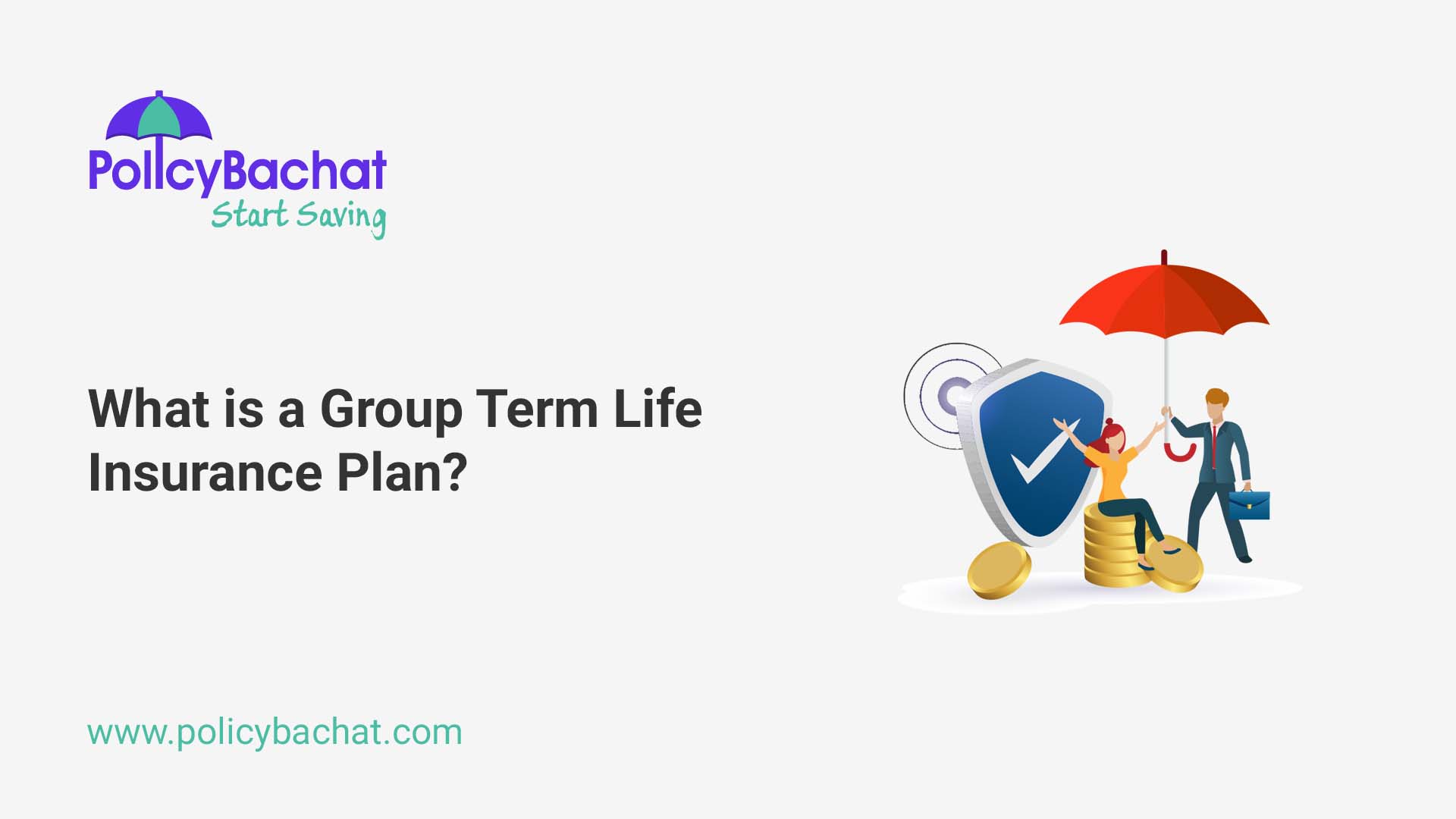
Tennessee voluntary group term life insurance is an optional, employee-paid benefit that allows workers to purchase additional life insurance coverage through their employer's group policy. It operates via convenient payroll deductions, typically offering lower "group" rates than individual policies. Most plans provide a "guaranteed issue" amount during initial eligibility, meaning coverage is granted without a medical exam, though higher coverage amounts or late enrollments usually require proof of good health.
Contents
Understanding the mechanics of voluntary group term life insurance is essential for Tennessee residents, whether they are state employees or working in the private sector. While the core concepts remain consistent, the specific limits, costs, and enrollment windows depend heavily on the employer’s contract with the insurance carrier.
The Structure of Voluntary Group Term Coverage
To understand how this insurance works in Tennessee, one must first break down the term itself. "Voluntary" signifies that the employee elects to participate and pays 100% of the premium. This is distinct from "Basic" life insurance, which many Tennessee employers provide at no cost to the employee. "Group" refers to the fact that the policy is issued to the employer as a single entity, covering a collection of people, which spreads the risk and reduces administrative costs. "Term" means the policy provides coverage for a specific period—typically as long as the employee remains with the company—and does not build cash value.
In Tennessee, the state government is one of the largest providers of these plans. For state and higher education employees, the program is administered through the Tennessee Department of Treasury and currently utilizes carriers like Securian Financial (Minnesota Life Insurance Company). Private sector employees in the state follow similar structures but may be subject to different carrier rules under the Employee Retirement Income Security Act (ERISA).
Eligibility and Enrollment Windows
In 2026, eligibility for Tennessee voluntary group term life insurance generally begins on the first day of the month following a short waiting period after hire. There are three primary windows for enrollment:
- Initial Eligibility Period: This is the most critical window. New hires typically have 31 days from their start date to enroll in voluntary coverage. During this time, many plans offer a "Guaranteed Issue" (GI) amount. This means the insurance company will approve a certain level of coverage (e.g., $250,000 or 3x annual salary) without asking medical questions or requiring a physical.
- Annual Enrollment: Tennessee state employees and many private firms hold an annual open enrollment period. During this time, employees can sign up for the first time or increase their existing coverage. However, unlike the initial hire window, late entrants are almost always required to submit Evidence of Insurability (EOI).
- Qualifying Life Events (QLE): Significant life changes—such as marriage, divorce, the birth of a child, or a spouse losing their own insurance—allow employees to modify their coverage outside of the standard enrollment windows.
Coverage Limits and Multiples of Salary
Tennessee plans usually offer coverage based on increments of $10,000 or as a multiple of the employee's annual salary. For instance, the Tennessee state employee plan often allows members to choose coverage amounts up to seven times their annual salary, with a maximum cap (often reaching $500,000 or more in 2026).
Dependent Coverage
Most voluntary group term programs in Tennessee also allow employees to purchase coverage for their dependents.
- Spouse Coverage: Often capped at 50% of the employee’s voluntary amount or a specific flat dollar limit (e.g., $30,000 to $250,000).
- Child Coverage: Usually offered as a flat amount (e.g., $5,000, $10,000, or $15,000) that covers all eligible children under one premium.
It is important to note that if an employee does not elect coverage for themselves, they are frequently ineligible to purchase coverage for their spouse or children.
Understanding Premiums: Age-Banded Rating
One of the most distinct features of how voluntary group term life insurance works in Tennessee is the pricing structure. Premiums are not "level" like they are in many private individual policies. Instead, they are age-banded.
As the insured individual moves into a new five-year age bracket (e.g., moving from the 35–39 bracket to the 40–44 bracket), the premium automatically increases on a specific date, usually January 1st of the following year. While group rates are generally competitive, the cost can become significantly higher as an employee nears retirement age.
Premium Comparison Example (Estimated 2026 Rates)
| Age Bracket | Monthly Rate per $1,000 of Coverage | Monthly Premium for $100,000 Coverage |
|---|---|---|
| Under 30 | $0.040 | $4.00 |
| 35–39 | $0.070 | $7.00 |
| 45–49 | $0.130 | $13.00 |
| 55–59 | $0.380 | $38.00 |
| 65–69 | $1.080 | $108.00 |
| 75+ | $2.050+ | $205.00+ |
Note: These rates are illustrative of 2026 trends for Tennessee group policies. Actual rates depend on the employer's specific contract and the group's overall risk profile.
Evidence of Insurability (EOI) and Underwriting
Evidence of Insurability is the process where an insurance company assesses an individual's health to determine the risk of insuring them. In Tennessee, if you request coverage above the Guaranteed Issue amount or enroll after your initial 31-day hire window, you must complete an EOI form.
The EOI process in 2026 is largely digital. It involves a health questionnaire covering medical history, current medications, and lifestyle factors. Based on the responses, the carrier may:
- Approve the coverage immediately.
- Request additional medical records from a physician.
- Require a "paramedical" exam (blood work, blood pressure, etc.).
- Deny the additional coverage (though this does not affect any existing basic or GI coverage).
Portability and Conversion Rights
A common concern for Tennessee workers is what happens to their life insurance if they leave their job, retire, or if the employer terminates the group policy. Tennessee law and standard group contracts generally provide two avenues for maintaining coverage:
1. Portability
Portability allows an employee to "port" or take their group term coverage with them when they leave. This is usually only available if the employee is not leaving due to a total disability. The advantage of portability is that the rates remain "group-based," though they may be slightly higher than the active employee rates. Ported coverage remains term insurance and usually ends at a certain age (often 70 or 75).
2. Conversion
Conversion allows the employee to convert their term policy into an individual permanent (whole life) policy. Unlike portability, conversion does not require medical underwriting. This is a vital protection for employees with terminal illnesses or chronic conditions who might be otherwise uninsurable on the open market. However, the premiums for a converted permanent policy are significantly higher than the group term rates.
In Tennessee, employees typically have a strict 31-day window from the date their group coverage ends to apply for either portability or conversion. Missing this deadline usually results in a total loss of the coverage.
Tax Implications and IRC Section 79
The Internal Revenue Service (IRS) regulates group term life insurance under Section 79 of the Internal Revenue Code. For Tennessee employees, the first $50,000 of total group term life insurance (combining both Basic and Voluntary) is generally tax-free.
If the total amount of coverage exceeds $50,000, the "imputed cost" of the coverage above that limit is considered a taxable benefit. This amount is calculated using the IRS "Premium Table I" and is reported as taxable income on the employee’s W-2. Because voluntary coverage is paid with after-tax dollars by the employee in most Tennessee plans, this tax implication often only applies if the employer-paid portion exceeds $50,000.
Claims and Beneficiary Designations
How the claim process works in Tennessee depends on the designation of beneficiaries. Unlike a will, a life insurance policy is a legal contract that pays out directly to named individuals, bypassing probate.
- Primary Beneficiaries: The first in line to receive the death benefit.
- Contingent Beneficiaries: Receive the benefit only if the primary beneficiaries are deceased.
- Minor Children: In Tennessee, insurance companies cannot pay death benefits directly to minors. If a minor is named without a legal guardian or trust in place, the court may need to appoint a guardian ad litem, which can delay the payout and incur legal fees.
To file a claim, the beneficiary must submit a certified death certificate and a completed claim form to the Tennessee employer’s HR department or directly to the carrier (such as Securian or MetLife). Under Tennessee law, insurers are generally required to process claims "with reasonable promptness" once all documentation is received.
Frequently Asked Questions
Can I cancel my Tennessee voluntary life insurance at any time?
Yes. Unlike the enrollment window, which is restricted, most Tennessee employers allow employees to cancel their voluntary life insurance at any time through their benefits portal or HR office. However, if you cancel and decide you want the insurance back later, you will almost certainly be required to submit Evidence of Insurability (EOI) and could be denied based on your health.
Is voluntary group term life insurance better than an individual policy?
It depends on your health and age. For those with pre-existing medical conditions, voluntary group term is often better because of the "Guaranteed Issue" window where no medical exam is required. For young, healthy non-smokers, an individual 20-year or 30-year level-term policy might offer lower, locked-in rates that do not increase every five years like group age-banded rates do.
Does Tennessee voluntary life insurance cover accidental death?
Most voluntary plans in Tennessee offer an optional "Accidental Death & Dismemberment" (AD&D) rider. This provides an additional payout (often doubling the benefit) if the death is a direct result of an accident. It also provides partial payments for the loss of limbs, sight, or hearing. However, standard voluntary life insurance covers death by most causes (illness, natural causes, etc.), whereas AD&D is strictly for accidents.
What happens if I am diagnosed with a terminal illness?
Many Tennessee group policies include an Accelerated Death Benefit rider. This allows an insured individual who is diagnosed with a terminal illness (usually with a life expectancy of 12 months or less) to receive a portion of their death benefit while they are still living. This can be used to cover medical expenses or end-of-life care. The remaining balance is paid to the beneficiaries upon the individual's death.
How do I update my beneficiaries in Tennessee?
For state employees, updates are typically handled through the Edison system or the Partners for Health portal. Private sector employees should use their company’s Human Capital Management (HCM) software or paper forms provided by HR. It is recommended to review these designations every two years or after any major life event.
Recommendation for Tennessee Employees
If you are a new employee in Tennessee, the most effective action you can take is to maximize the Guaranteed Issue amount during your initial 31-day hire window. This is the only time you are guaranteed coverage regardless of your medical history. Even if you plan to purchase a private individual policy later, having a base of group coverage provides an immediate safety net.
Before the next annual enrollment, compare your current age-banded group rate against an individual term quote. If you are healthy, you may find that securing a private policy in 2026 allows you to lock in a lower rate for several decades, protecting you from the steep premium hikes that occur in group plans after age 50.
Image Gallery