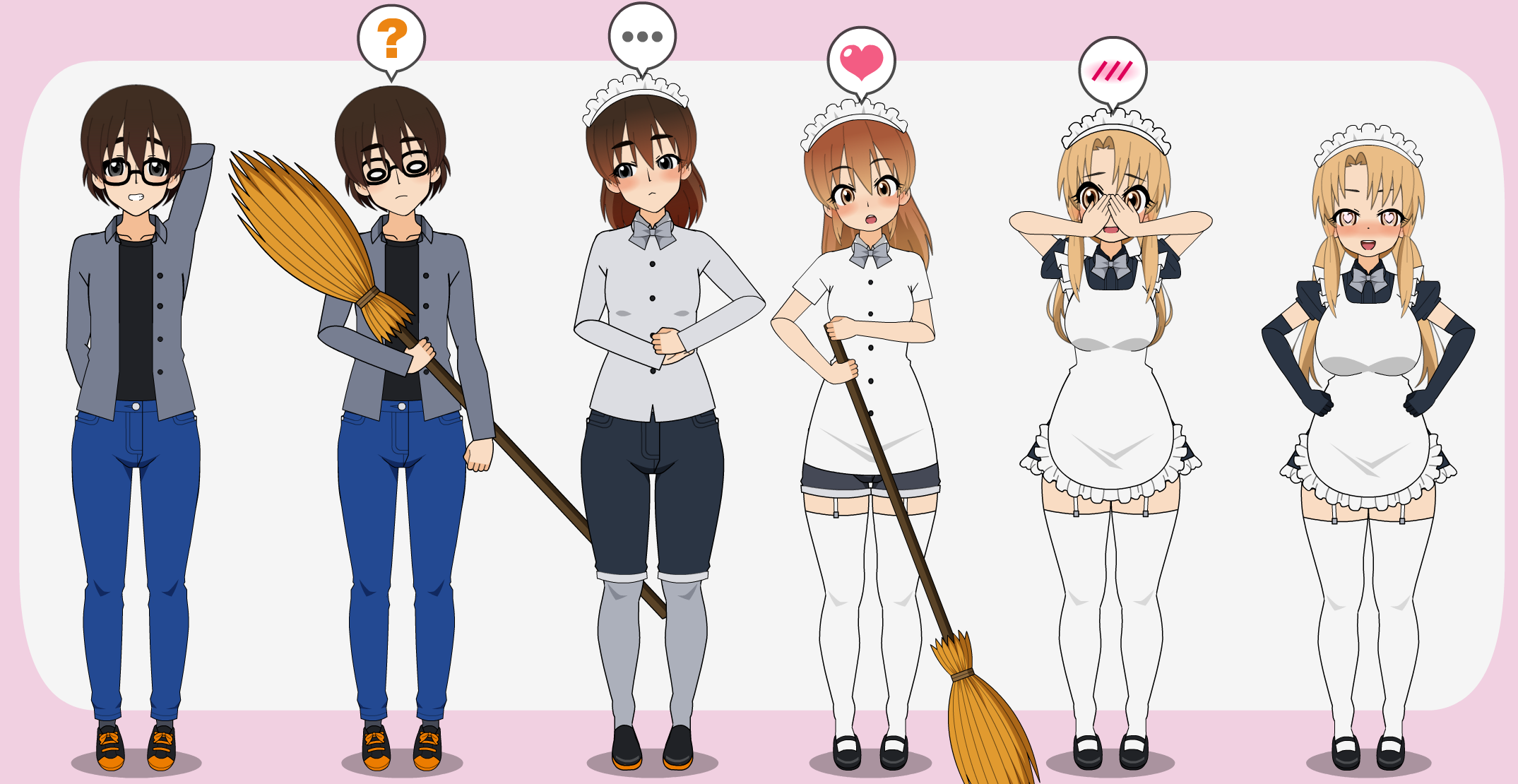
Comprehensive Guide to M2F Comics: Discovery, Creation, and Cultural Impact in 2026
M2F (Male-to-Female) comics represent a vital and rapidly growing niche within webcomics, graphic novels, and independent digital publishing platforms. These stories focus on transgender female characters, identity exploration, magical...
M2F (Male-to-Female) comics represent a vital and rapidly growing niche within webcomics, graphic novels, and independent digital publishing platforms. These stories focus on transgender female characters, identity exploration, magical transformations, and slice-of-life narratives that resonate deeply with queer audiences and broader speculative fiction enthusiasts alike.
Contents
Understanding the landscape of M2F comics requires examining how these stories are created, distributed, and evaluated by readers and creators in 2026. This comprehensive guide explores the structural taxonomy of these narratives, platform distribution channels, artistic conventions, and the technical workflows required to bring authentic trans-feminine stories to life in the modern digital publishing ecosystem.
Defining the M2F Comics Niche and Core Narrative Themes
The M2F comics genre encompasses a diverse array of storytelling styles, ranging from grounded contemporary romance and slice-of-life drama to high-concept sci-fi, fantasy, and magical transformation tropes. Unlike mainstream media that frequently relies on cisgender creators or stereotypical framing, contemporary M2F comics are predominantly driven by trans creators who bring lived experience and nuanced perspectives to their work.
At its core, the niche serves multiple functions for its readership:
- Validation and Representation: Providing relatable protagonists navigating gender dysphoria, social transition, medical milestones, and interpersonal relationships.
- Escapism and Speculative Fiction: Utilizing tropes like body-swap magic, mad science experiments, or alien biology to explore gender fluidity and self-actualization in fantastical settings.
- Community Building: Fostering spaces where marginalized readers find solidarity, humor, and shared emotional processing through serialized webcomic updates and fan interactions.
Popular Sub-Genres and Tropes Within Trans-Feminine Comics
Navigating the M2F comics space reveals distinct sub-genres that cater to varying reader preferences. Creators often utilize established genre frameworks to explore internal emotional truths.
1. Slice-of-Life and Transition Journeys
These narratives focus on the mundane yet profound realities of social and medical transition. Plots typically follow characters managing coming-out conversations with family, navigating bureaucratic name changes, starting hormone replacement therapy (HRT), and building supportive friend networks. The tension in these stories is character-driven, relying on emotional authenticity rather than external conflict.
2. Magical Transformation and Body-Swapping
A staple of independent webcomics, magical realism allows creators to externalize internal dysphoria. Protagonists may touch a cursed artifact, drink an alchemical potion, or wake up in a parallel universe where their physical form matches their internal identity. This sub-genre balances lighthearted comedy with deeper explorations of identity shock and eventual self-acceptance.
3. Sci-Fi and Cyberpunk Enhancements
Set in futuristic or dystopian worlds, sci-fi M2F comics often incorporate advanced cybernetics, genetic engineering, or body modification technology. In these settings, physical transition is integrated with broader themes of bodily autonomy, corporate control, and transhumanism, allowing protagonists to reclaim their bodies from oppressive technological regimes.
Distribution Platforms and Publishing Ecosystems
Publishing M2F comics requires strategic utilization of modern digital platforms. Because traditional publishing houses have historically underserved trans narratives, independent webcomic platforms and crowdfunding models have become the primary engines for industry growth.
- Webtoon and Tapas: Serialized vertical-scroll platforms that allow independent creators to reach massive, global audiences through mobile-optimized formats.
- Global Webcomics Platforms: Global Webcomics platforms allow independent creators to publish serialized episodes, build dedicated subscriber bases, and monetize through ad revenue sharing and fast-pass models.
- Global Creative Crowdfunding: Platforms like Kickstarter and Patreon serve as vital lifelines for physical graphic novel collections, allowing creators to bypass traditional gatekeepers and secure direct funding from their communities.
- Indie Web Hosting (Global WebComic Hosts): Many creators maintain independent web domains utilizing specialized content management systems to retain full ownership and creative control over their intellectual property.
Comparative Analysis of Publishing Platforms for M2F Creators
Choosing the right platform dictates monetization potential, audience reach, and formatting constraints. The following comparison highlights the primary distribution avenues available to M2F comic creators.
| Platform | Primary Format | Monetization Method | Audience Reach | Creative Freedom |
|---|---|---|---|---|
| Serialized Mobile Platforms | Vertical Scroll (Long Strip) | Ad Revenue, Fast Pass, Coin Systems | High (Millions of active users) | Moderate (Subject to content guidelines) |
| Crowdfunding Platforms | Physical Books / PDF Omnibus | Direct Backer Pledges, Merch Tiers | Targeted (Existing fanbase required) | Absolute (Full creative control) |
| Independent Web Hosting | Traditional Page / Scroll | Patreon Integration, Merch Sales | Low to Moderate (Requires organic SEO/social media) | Absolute (Full creative control) |
| Digital Comic Marketplaces | CBZ/PDF Downloads | Direct Digital Sales, Commission Splits | Moderate (Genre-specific enthusiasts) | High (Standard content warnings apply) |
Step-by-Step Workflow for Creating and Launching an M2F Comic
Producing a serialized comic requires disciplined project management, technical proficiency, and narrative structuring. Creators aiming to launch a successful trans-feminine webcomic must execute a structured developmental pipeline.
- Conceptualization and Scriptwriting: Define the core theme, character arcs, and overall narrative scope. Establish whether the story is a short episodic webcomic or a long-form graphic novel.
- Character Design and Visual Development: Design protagonist models that reflect diverse body types, ethnic backgrounds, and transition stages. Ensure character silhouettes are easily recognizable in panel layouts.
- Choosing the Page Format: Select between traditional multi-panel comic pages or mobile-optimized vertical scrolling formats, keeping in mind how pacing changes between the two.
- Penciling, Inking, and Coloring: Establish a sustainable art style that prevents burnout. Many independent creators utilize digital art suites like Clip Studio Paint or Procreate to streamline panel layout and lettering.
- Lettering and Accessibility: Ensure dialogue bubbles follow logical reading orders. Utilize clean, legible fonts and incorporate descriptive alt-text for visually impaired readers.
- Platform Optimization and Marketing: Build a presence on social media platforms, participate in queer webcomic anthologies, and establish a consistent publishing schedule to retain audience engagement.
Technical Considerations and Digital Art Tools
Executing professional-grade M2F comics demands mastery of specific digital tools and industry-standard workflows. Creators must balance visual appeal with efficient file management.
- Software Standards: Clip Studio Paint EX remains the industry standard for comic illustration, offering specialized panel framing tools, 3D model references for difficult anatomy, and advanced speech bubble generators. Adobe Photoshop and Procreate are also widely utilized for painting and sketching phases.
- Resolution and Color Profiles: For web distribution, artwork should be exported at 72 to 300 DPI in the sRGB color space to ensure accurate color reproduction across mobile devices and desktop monitors. For print editions, files must be converted to 300 DPI in the CMYK color space.
- File Management and Backup: Utilizing cloud-backed storage solutions prevents catastrophic data loss during multi-year comic projects. Layered working files (PSD or CLIP) should be regularly archived.
Pros and Cons of Producing and Reading Trans-Centric Comics
Engaging with the M2F comics ecosystem presents unique advantages and operational hurdles for both creators and consumers.
Advantages
- Emotional Resonance: Offers profound validation and visibility for readers who rarely see themselves reflected in mainstream media.
- Passionate Community: Cultivates loyal, highly engaged fanbases willing to support independent creators through crowdfunding and merchandise purchases.
- Creative Autonomy: Empowers marginalized voices to tell authentic stories without corporate sanitization or forced narrative tropes.
Disadvantages
- Harassment and Algorithmic Bias: Independent queer creators frequently face coordinated review bombing, targeted harassment, and strict algorithmic filtering on mainstream webcomic platforms.
- Financial Sustainability: Monetizing webcomics independently is notoriously difficult, often requiring creators to balance full-time day jobs with demanding weekly drawing schedules.
- Burnout Risks: The intensive labor required for penciling, inking, coloring, and lettering can easily lead to physical and mental exhaustion without proper pipeline management.
Frequently Asked Questions About M2F Comics
Where can I find high-quality M2F comics to read?
Readers can discover numerous titles on serialized webcomic applications like Webtoon and Tapas, independent web domains run by creators, and queer-focused digital zines. Searching specific tags such as "trans protagonist," "gender swap," or "slice-of-life" on indie creator platforms yields targeted results.
Are all M2F comics written by transgender creators?
While a significant and growing majority of popular trans-feminine comics are created by trans authors and artists, allies also contribute to the genre. However, works by authentic trans creators are generally preferred by readers for their nuanced representation and avoidance of harmful stereotypes.
What digital tools do most webcomic artists use?
The majority of digital comic artists utilize Clip Studio Paint EX, Adobe Photoshop, or Procreate paired with drawing tablets from brands like Wacom, Huion, or iPad Pro setups. These tools streamline sketching, panel division, inking, and digital lettering.
How do independent M2F comic creators make money?
Creators monetize their work through a combination of platform ad-revenue sharing, paid early-access chapters on Patreon, crowdfunding campaigns for physical book printings, and the sale of merchandise such as prints, stickers, and apparel.
How do I start creating my own trans-feminine webcomic?
Begin by outlining a concise story arc, designing your main characters, and practicing a simplified art style that you can produce consistently. Start with a short prologue or a few standalone episodes before committing to a long-term serialized schedule.
Conclusion and Strategic Next Steps
M2F comics occupy a vital space in modern digital publishing, bridging the gap between imaginative speculative fiction and deeply personal identity exploration. Whether you are an aspiring creator looking to launch your first webcomic or a reader seeking authentic representation, understanding the platforms, technical workflows, and community standards ensures a rewarding experience. Take the next step by exploring independent webcomic directories, supporting queer creators on crowdfunding platforms, or sketching out your own narrative framework today.
Image Gallery