Why Married and Lonely Feelings Persist: Understanding Emotional Disconnection
Loneliness within a marriage persists when the emotional intimacy between partners erodes, leaving a void that physical presence cannot fill. This phenomenon often stems from a breakdown in meaningful communication, unmet emotional nee...
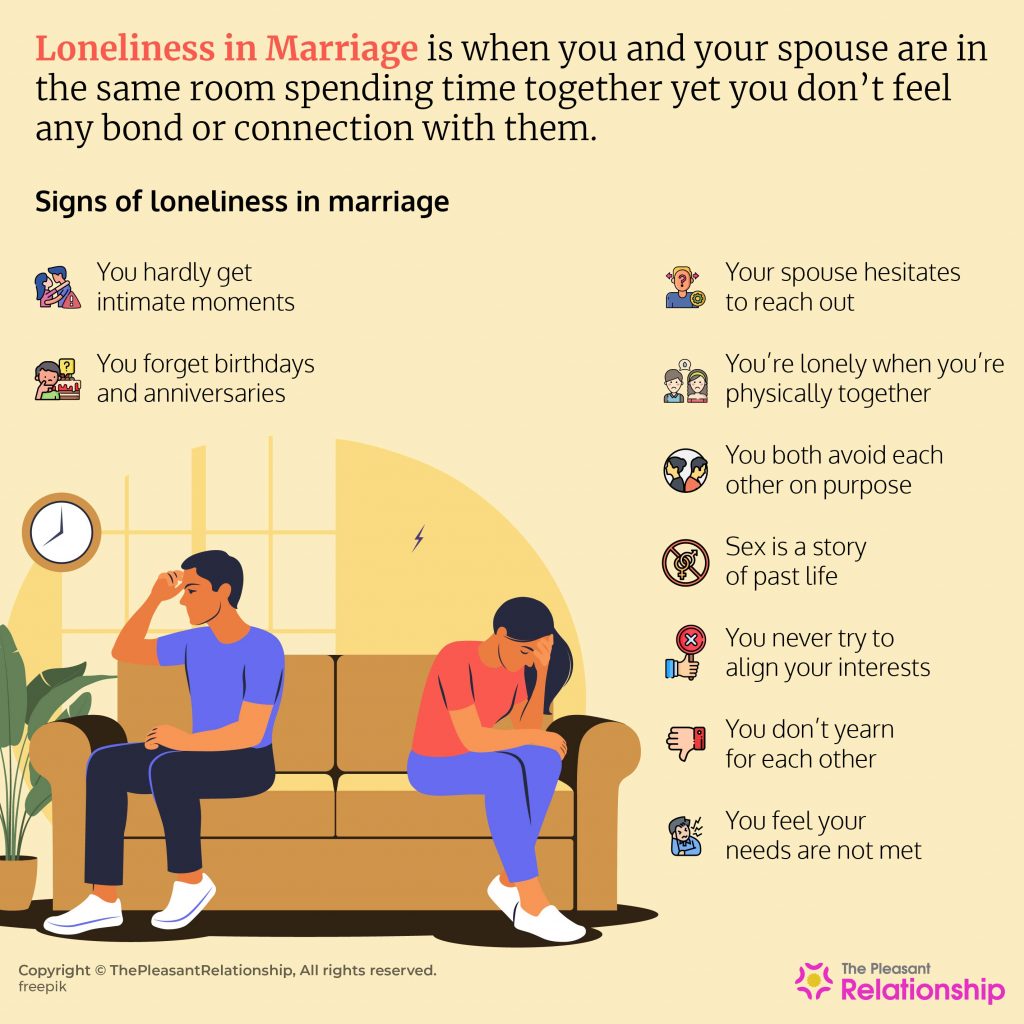
Loneliness within a marriage persists when the emotional intimacy between partners erodes, leaving a void that physical presence cannot fill. This phenomenon often stems from a breakdown in meaningful communication, unmet emotional needs, or unresolved conflicts that lead to "roommate syndrome," where partners coexist functionally but remain emotionally isolated from one another.
Contents
The Psychological Mechanics of Marital Loneliness
Loneliness is often misunderstood as the absence of people, but in the context of a long-term partnership, it is more accurately defined as the absence of attunement. In 2026, psychological research continues to emphasize that the quality of a connection matters far more than the frequency of interaction. When a spouse feels that their inner world—their fears, joys, and daily stresses—is no longer being witnessed or validated by their partner, a sense of profound isolation begins to take root.
This persistence of loneliness is frequently tied to the "Emotional Bank Account," a concept popularized by the Gottman Institute. In healthy marriages, partners constantly make "bids for connection"—small gestures like a touch, a shared joke, or a request for attention. When these bids are consistently ignored or met with hostility, the emotional balance turns negative. Over time, the rejected partner stops making bids to protect themselves from further pain, leading to a state of chronic emotional withdrawal.
The persistence of these feelings is often a defense mechanism. If a partner feels that vulnerability leads to judgment or indifference, they will retreat into a "shell." While this protects them from immediate hurt, it ensures that the loneliness remains, as true intimacy requires the very vulnerability they are now avoiding.
The Evolution into "Roommate Syndrome"
Many couples find themselves in a state where the logistics of life—parenting, household management, and financial planning—take precedence over the relationship itself. This transition into "Roommate Syndrome" is a leading reason why lonely feelings persist even in stable, long-term marriages.
In this state, the "we-ness" of the couple is replaced by two individuals running parallel lives. The communication becomes purely transactional. You might discuss who is picking up the dry cleaning or the 2026 tax filing requirements, but you rarely discuss your internal states. This functional efficiency creates a facade of a working marriage, which can make the underlying loneliness even more confusing and painful. Because "everything looks fine" on the surface, partners may feel guilty for their unhappiness, leading them to suppress these feelings rather than addressing them.
Impact of Digital Distraction and "Phubbing"
As we move through 2026, the impact of digital devices on marital intimacy has become more pronounced. "Phubbing"—the act of snubbing someone in a social setting by looking at your phone—is a primary driver of marital dissatisfaction. When one partner consistently prioritizes a screen over the presence of their spouse, it sends a powerful message: "Whatever is on this device is more important than you."
This behavior disrupts "co-regulation," the process by which partners help soothe each other's nervous systems through presence and eye contact. Chronic phubbing leads to a fragmented connection where partners are physically in the same room but mentally and emotionally miles apart. The persistence of loneliness in these cases is reinforced by the dopamine loops of social media and digital entertainment, which provide a temporary escape from marital boredom but prevent the deep, focused attention required to rebuild intimacy.
Comparison: Healthy Connection vs. Chronic Loneliness
Understanding the distinction between a temporary "dry spell" and persistent marital loneliness is crucial for determining the next steps.
| Feature | Healthy Emotional Connection | Persistent Marital Loneliness |
|---|---|---|
| Communication | Vulnerable, expressive, and empathetic. | Transactional, superficial, or avoidant. |
| Conflict Resolution | Issues are addressed and resolved. | Issues are ignored or lead to "stonewalling." |
| Physical Intimacy | Occurs naturally as an extension of closeness. | Feels obligatory, rare, or non-existent. |
| Response to "Bids" | Partners acknowledge and turn toward each other. | Bids are missed, ignored, or rejected. |
| Shared Future | Active planning and shared excitement. | Feelings of dread or indifference about the future. |
| Support System | Spouses are each other's first point of contact. | Spouses seek emotional support elsewhere first. |
The Role of Attachment Styles
The persistence of lonely feelings is often rooted in the individual attachment styles of the partners. Those with an anxious attachment style may feel lonely if they do not receive constant reassurance, while those with an avoidant attachment style may inadvertently create loneliness by pulling away when they feel overwhelmed by emotional demands.
When an anxious partner is paired with an avoidant partner, a "pursue-withdraw" cycle often develops. The anxious partner senses a distance and pushes for closeness, which the avoidant partner perceives as pressure, causing them to withdraw further. This cycle is incredibly resilient and can cause loneliness to persist for years unless both partners recognize the pattern and work to create a "secure base" for one another.
Barriers to Resolving Loneliness
Why don't couples simply talk about it? Several barriers prevent the resolution of these feelings:
- Fear of Conflict: Many people believe that bringing up their loneliness will cause a fight or lead to divorce. They choose the "silent' loneliness over the "loud" pain of a confrontation.
- Resentment: When loneliness has persisted for a long time, it often turns into resentment. A partner may feel, "Why should I try if they haven't tried for years?"
- Lack of Skills: Many individuals simply do not have the vocabulary or the emotional intelligence to express their needs without sounding accusatory.
- External Stressors: In 2026, economic pressures and the demands of modern work-life balance can leave partners with very little "emotional bandwidth" to invest in the relationship.
Practical Steps to Counteract Persistent Loneliness
Addressing these feelings requires a shift from passive observation to active intervention. It is not enough to wait for the feelings to pass; the underlying dynamics of the relationship must change.
Re-establishing the "Daily Check-in"
A fundamental step is moving beyond transactional communication. Couples should implement a non-negotiable 15-minute daily period where phones are put away, and the conversation is limited to emotional updates. This is not the time to discuss chores or schedules, but a time to share feelings, stressors from work, or personal aspirations.
Seeking Professional Guidance
If the "pursue-withdraw" cycle is deeply ingrained, external help is often necessary. Emotionally Focused Therapy (EFT) is a highly effective modality designed to help couples identify their negative cycles and build more secure attachments. In 2026, many therapists offer specialized intensive weekend workshops that can jumpstart this process for couples who feel they have hit a wall.
The Power of Novelty
Research shows that engaging in new, challenging activities together releases oxytocin and dopamine, which can help break the monotony of "roommate syndrome." This "shared novelty" helps partners see each other in new lights, moving them out of their calcified roles and back into a space of mutual discovery.
Frequently Asked Questions
Is it normal to feel lonely in a marriage?
While it is common to experience brief periods of disconnect, persistent loneliness is not a "normal" part of a healthy marriage. It is a signal that the emotional needs of one or both partners are not being met. Ignoring this signal can lead to depression, infidelity, or the eventual dissolution of the marriage.
Can a marriage survive if only one person feels lonely?
It is difficult. Loneliness in one partner usually indicates a systemic issue in the relationship. Even if the other partner feels "fine," they are likely living in a relationship that lacks true depth. For the marriage to thrive, both partners must acknowledge the loneliness as a shared problem rather than an individual one.
How do I tell my partner I’m lonely without blaming them?
Use "I" statements to focus on your internal experience rather than their perceived failures. Instead of saying, "You never talk to me," try, "I have been feeling really lonely lately, and I miss the closeness we used to have. I would love for us to find some time to reconnect."
How long does it take to fix a lonely marriage?
The timeframe varies depending on how long the disconnect has persisted. If the couple is committed to change, significant improvements in emotional "safety" can be felt within a few months. However, rebuilding deep intimacy and dismantling years of resentment often requires a sustained effort over a year or more.
What is the difference between being "alone" and being "lonely"?
Being alone is a physical state of solitude, which can be refreshing and necessary. Loneliness is a subjective emotional state where you feel unseen, misunderstood, or rejected, even when someone is sitting right next to you. In a marriage, you are rarely "alone," but you can be devastatingly "lonely."
Final Recommendation
If you find that lonely feelings persist in your marriage, the first and most vital step is acknowledgment. Do not minimize your feelings or wait for a "better time" to address them. Start by identifying one specific area—such as the daily check-in or reducing screen time—where you can re-introduce intentionality into your relationship. If these small steps do not yield a change in the emotional atmosphere, consider scheduling a consultation with a licensed marriage and family therapist to explore the deeper attachment patterns at play.
Image Gallery