How to Find Mobile Homes for Rent Near You: 2026 Guide to Pricing, Inspection, and Communities
Finding mobile homes for rent near you requires searching specialized manufactured housing portals, local property management listings, and dedicated land-lease communities. Renters can choose between homes situated inside managed mobi...
Finding mobile homes for rent near you requires searching specialized manufactured housing portals, local property management listings, and dedicated land-lease communities. Renters can choose between homes situated inside managed mobile home parks or on private acreage. In 2026, verifying HUD code compliance, lot lease inclusions, utility configurations, and structural integrity ensures a safe and affordable lease contract.
Contents
Understanding Manufactured and Mobile Home Rental Structures
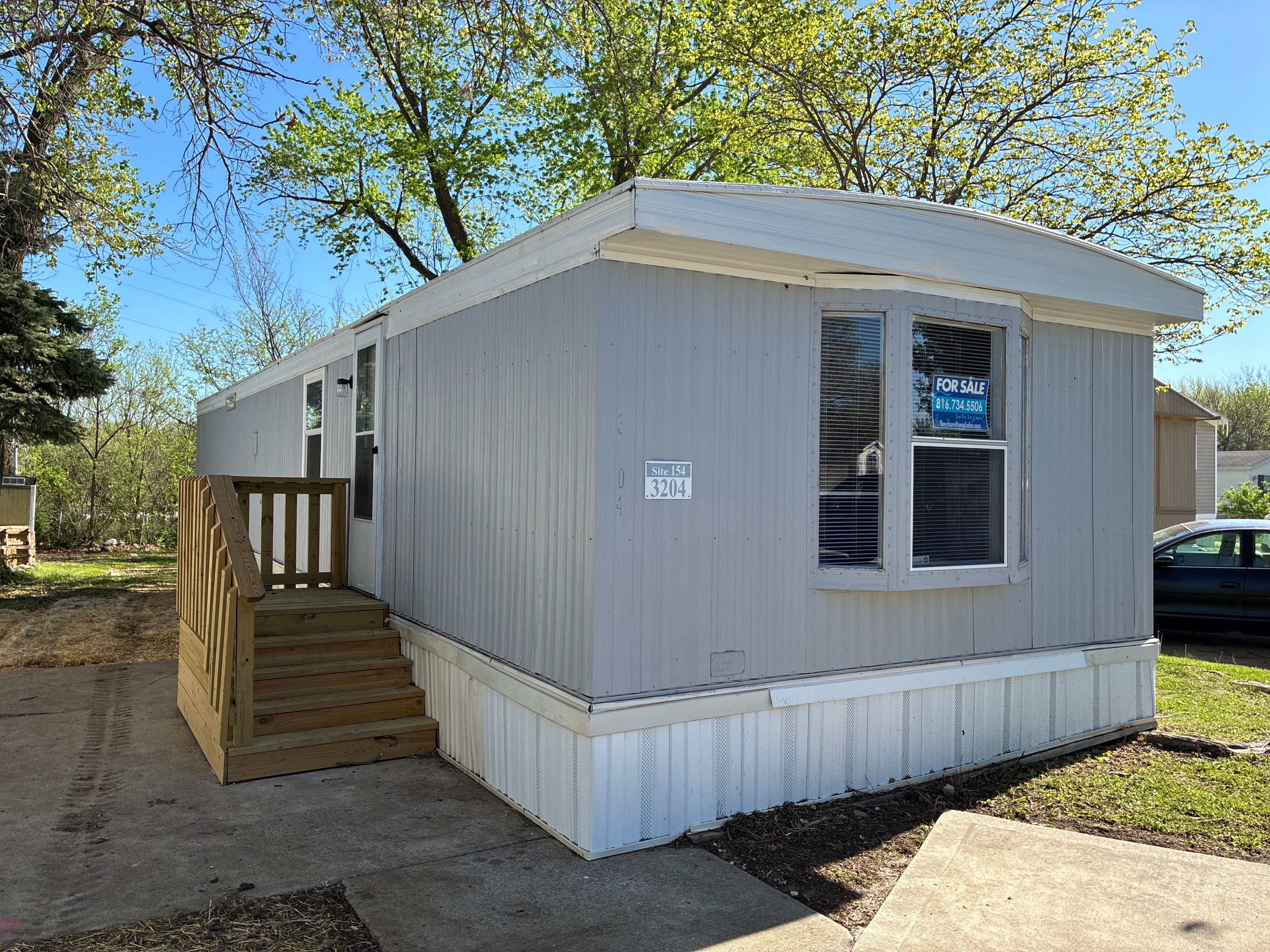
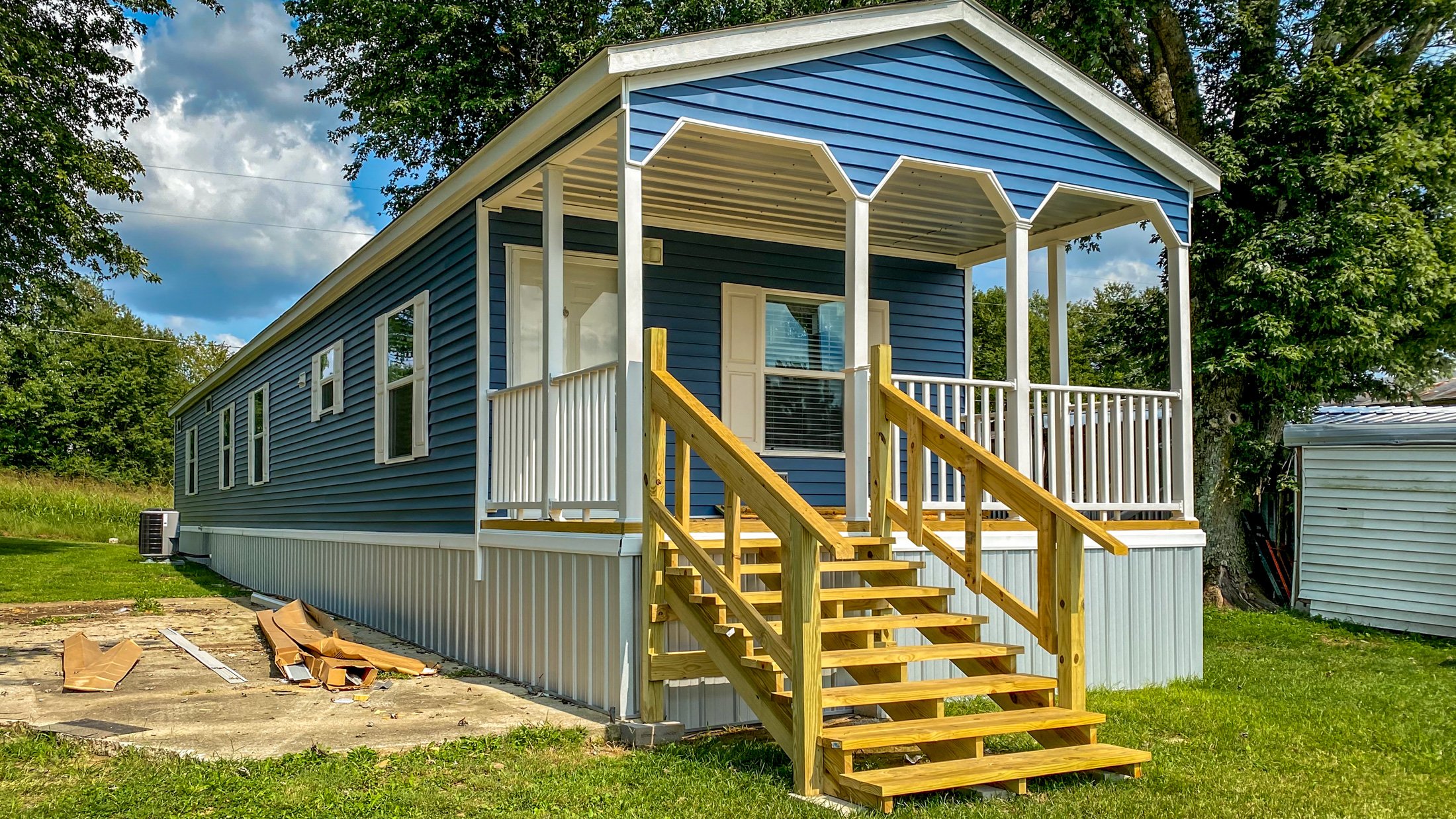
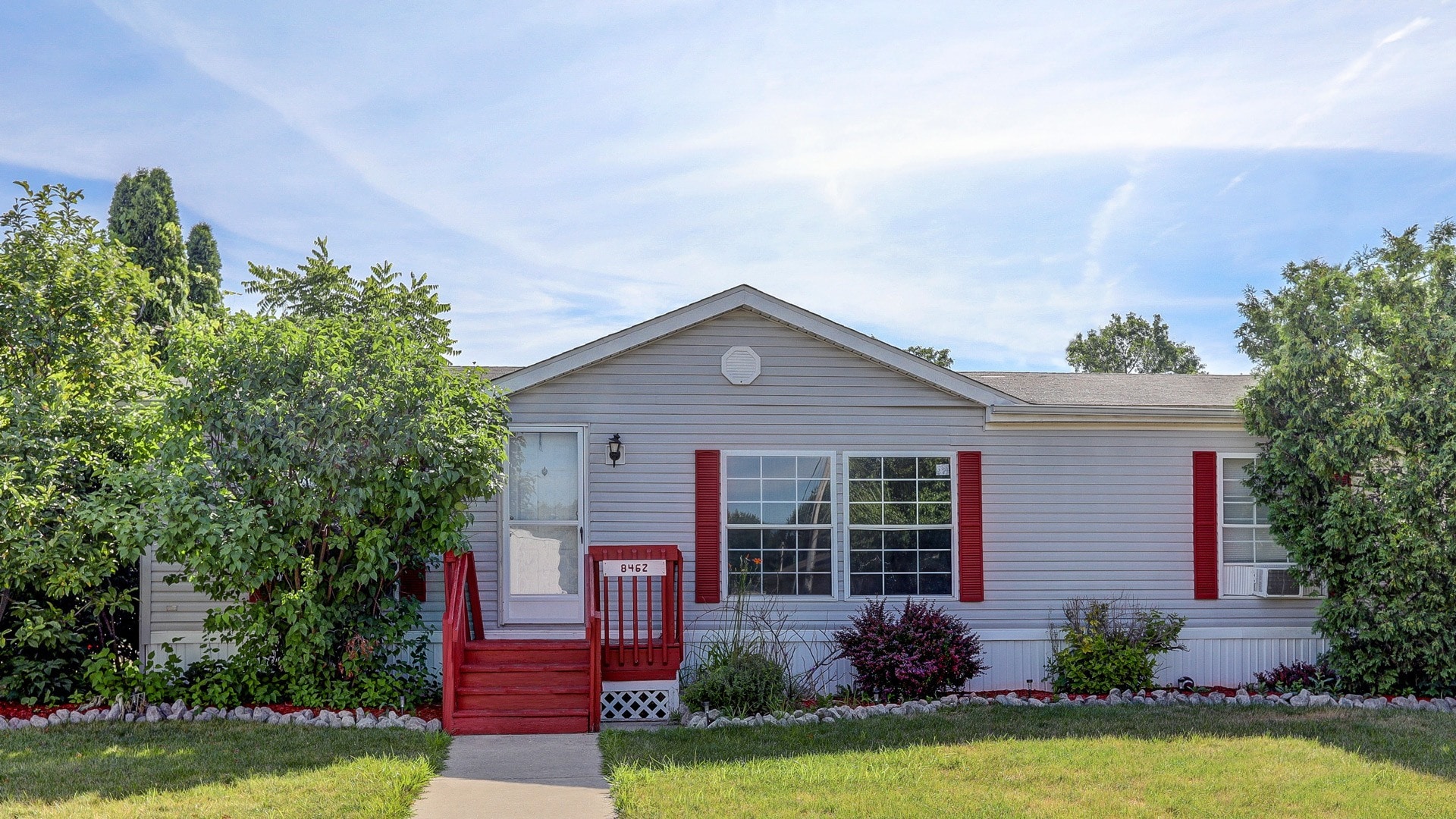
Searching for detached rental housing often leads to manufactured homes, commonly referred to as mobile homes. Understanding how these properties are structured, managed, and regulated is critical before signing a lease agreement. The manufactured housing sector is split into two primary physical layouts: homes located within managed communities (land-lease parks) and homes situated on private, independent lots.
Incorrect block / code fence check! DO NOT USE CODE BLOCKS!
(Self-correction: Ensure absolute zero code blocks or backticks are used in the output.)
Pre-1976 Mobile Homes vs. Post-1976 Manufactured Homes
The terminology surrounding factory-built housing carries distinct legal and structural definitions governed by federal law:
- Mobile Homes (Pre-June 15, 1976): Terminology strictly applies to factory-built housing constructed prior to June 15, 1976. These units were built without unified federal structural standards, leading to variations in building quality, wiring safety, and insulation capabilities.
- Manufactured Homes (Post-June 15, 1976): Refers to structures built after the enactment of the Federal Manufactured Home Construction and Safety Standards, administered by the U.S. Department of Housing and Urban Development (HUD). HUD-code homes feature standardized building codes covering structural durability, thermal efficiency, plumbing, and electrical safety.
Renters evaluating older rental stock should verify whether the unit adheres to modern HUD standards or if retrofitted safety measures—such as upgraded aluminum-to-copper wiring connectors and modern circuit breakers—have been installed.
Land-Lease Communities vs. Private Lot Rentals
When searching for local mobile home rentals, the underlying property structure dictates monthly obligations, community regulations, and maintenance divisions:
- In-Park Rentals (Land-Lease Communities): The home sits on a plot of land leased from a community operator. In a traditional rental scenario, the landlord owns both the structure and pays the lot rent to the park owner, or a corporate park operator owns and rents out the home directly. Tenants gain access to community amenities such as clubhouse facilities, common area landscaping, trash collection, and on-site management. However, tenants must adhere strictly to community park rules, which often restrict vehicle parking, exterior paint colors, and pet breeds.
- Private Lot Rentals (Standalone Acreage): The home is placed on private, fee-simple real estate owned by an individual landlord. These properties offer enhanced privacy, larger yard footprints, and fewer operational restrictions. However, private lot rentals often place utility management—such as septic tank pumping, well water filtration maintenance, and propane supply delivery—directly on the tenant.
2026 Financial Overview: Rental Rates, Lot Fees, and Utility Structures
Navigating the financial landscape of manufactured home rentals requires looking beyond the baseline monthly rent figure. Total occupancy costs vary depending on structural size, geographic location, and utility configurations.
| Property Category | Average Monthly Rent (2026 National Range) | Typical Included Utilities & Services | Primary Additional Out-of-Pocket Costs |
|---|---|---|---|
| Single-Wide (In-Park Community) | $850 – $1,350 | Trash collection, common area lighting, community park amenities | Sub-metered electric, water/sewer, lot fee adjustments |
| Double-Wide (In-Park Community) | $1,250 – $1,850 | Trash collection, road snow removal, park amenities | Electric, natural gas/propane, cable/internet, pet fees |
| Single-Wide (Private Acreage) | $950 – $1,450 | Well water, private septic usage (varies by lease) | Propane fuel refills, electrical grid usage, lawn upkeep |
| Double-Wide (Private Acreage) | $1,400 – $2,200 | Well water, private septic (varies by lease) | Electrical grid usage, full grounds maintenance, fuel/gas |
| Traditional 2-Bedroom Apartment | $1,500 – $2,100 | Water, sewer, trash (varies by complex) | Electric, gas, reserved parking fees, storage unit fees |
Decoding the Lot Rent Factor
A critical point of confusion for prospective tenants is the distinction between structural rent and land-lease fees (lot rent).
- Subleased Units (Direct Landlord Rentals): When renting from an individual homeowner inside a community, the total advertised rent typically includes the park's monthly lot fee. It is vital to confirm this in writing. If a landlord lists a home for $900 per month, verify explicitly whether the park's $450 lot rent is included within that $900 or billed separately.
- Direct Park Rentals: When renting directly from the community management company, the lease agreement explicitly itemizes the home lease rate and the underlying lot usage fee.
Utility and Infrastructure Metrics
Utility costs for manufactured housing differ from traditional masonry or stick-built apartments due to structural layout and exposure to exterior elements:
- Heating Fuel Sources: Many manufactured homes utilize bottled liquid propane (LP) or fuel oil rather than municipal natural gas. Heating costs during winter months depend heavily on local fuel delivery rates and tank rental terms.
- Electrical Amp Service: Older mobile homes may feature 100-amp electrical panels, whereas modern double-wide units are equipped with 200-amp panels capable of supporting high-draw central air conditioning systems and electric vehicle chargers.
- Water and Waste Systems: In-park homes typically use sub-metered municipal water lines or community-owned shared wells. Private lot units frequently utilize private water wells and sub-surface septic systems, requiring clear contractual agreement regarding who pays for periodic septic tank pumping.
Comprehensive Manufactured Home Inspection Checklist for Renters
Prior to executing a lease agreement and transferring security deposits, prospective tenants must perform a thorough physical inspection of the manufactured home. Factory-built structures possess unique maintenance failure points that differ from traditional stick-built housing.
Crucial Inspection Protocol: Never sign a residential lease for a manufactured home without inspecting the crawlspace area, verifying the presence of the structural HUD Data Plate, and checking the operational status of the thermal envelope.
1. Structural Integrity and Subflooring Verification
Manufactured homes use a central structural frame constructed of steel I-beams supported by concrete piers or stacked masonry blocks. Renters should evaluate the following structural elements:
- Subfloor Soft Spots: Walk every square foot of the interior floor, paying close attention to wet zones around toilets, water heaters, kitchen sinks, and exterior doors. Older units often utilized particleboard subfloors, which lose structural integrity when exposed to minor plumbing leaks, causing noticeable sagging or soft spots.
- Skirting Condition: The exterior perimeter skirting acts as the home's primary barrier against moisture, wind drift, and animal intrusion. Verify that skirting panels are securely anchored, ventilated according to local building codes, and free of structural gaps or pest infestation marks.
- Belly Pan and Insulation Integrity: Below the subfloor lies a thick protective membrane known as the belly pan (or bottom board), which encloses floor insulation and plumbing runs. Request a view under the home to ensure the belly pan is intact. A torn or hanging belly pan leads to lost thermal energy, frozen pipes in winter, and open access for rodents.
2. HUD Certification Label and Data Plate
Every manufactured home built since June 15, 1976, must possess two essential pieces of identification verifying structural compliance:
- HUD Certification Label (Red Tag): A stamped metal plate affixed to the exterior rear tail-end of each transportable section of the home.
- HUD Data Plate: A paper sheet pasted inside the main electrical panel, bedroom closet, or kitchen cabinet. This document provides critical data, including the home’s manufacturing date, serial number, structural wind zone rating (Zone I, II, or III), and thermal comfort insulation zone (Roof Load and Thermal Zones). Verify that the home's climate rating matches your local geographic requirements to prevent extreme winter or summer utility bills.
3. Plumbing System Inspections
Plumbing configurations in manufactured homes present unique maintenance challenges:
- Polybutylene Pipe Identification: Homes built between 1978 and 1995 often contain polybutylene plumbing pipes—flexible gray plastic piping prone to sudden joint micro-fractures and total line failure. If grey polybutylene pipes are present, inspect all visible fittings under sinks for signs of current or past leaking.
- PEX Piping Upgrades: Modern or remediated manufactured homes feature cross-linked polyethylene (PEX) tubing, identifiable by blue, red, or white flexible piping, which offers superior frost resistance and long-term joint durability.
- Heat Tape Functionality: In colder northern climates, exposed water supply pipes running from the ground up through the belly pan require electric heat tape to prevent freezing. Inspect whether the supply line heat tape is operational and plugged into an approved Ground Fault Circuit Interrupter (GFCI) outlet beneath the home.
Navigating Community Rules, HOA-Style Regulations, and Leases
Renting a manufactured home inside a managed park involves entering a dual-governance environment: the individual landlord-tenant lease agreement and the community's general Rules and Regulations (often referred to as Park Guidelines).
Understanding Community Park Rules
Community rules are legally enforceable policies designed to maintain property valuations, aesthetic consistency, and resident safety. Key operational restrictions include:
- Pet Weight and Breed Restrictions: Land-lease communities frequently enforce strict limitations on animal size, total pet count, and specific dog breeds. A landlord's approval of your pet does not override park management rules; both entities must approve your application.
- Vehicle Parking Caps: Many parks prohibit street parking entirely to clear lane space for emergency response vehicles. Verify the number of assigned driveway spaces allocated to the unit.
- Exterior Maintenance Obligations: Park rules usually dictate who must maintain landscaping, mow the lawn, trim trees, and wash exterior vinyl siding. Clarify in the lease contract whether these tasks fall on you, the individual landlord, or the park management staff.
Sub-Leasing Approvals and Screening Procedures
When renting a home located within a land-lease community from a private owner, tenants must undergo a dual-screening process:
- Landlord Screening: Focuses on monthly rental payment capability, employment verification, personal references, and general creditworthiness.
- Park Management Screening: Focuses on criminal background checks, identity verification, and previous tenancy records.
Failing to secure formal written approval from the community park office prior to moving in can result in illegal occupancy notices, towing of tenant vehicles, or immediate eviction proceedings initiated by the park owner against the homeowner.
Step-by-Step Guide: How to Find and Secure a Mobile Home Rental
Finding quality mobile homes for rent requires leveraging specialized online portals, conducting targeted local searches, and thoroughly vetting landlords.
Incorrect block / code fence check! DO NOT USE CODE BLOCKS!
(Self-correction: Ensure absolute zero code blocks or flowcharts are present.)
Step 1: Utilize Targeted Search Channels
Expand beyond standard residential search engines to locate available inventory:
- Specialized Housing Marketplaces: Platforms like MHVillage and ManufacturedHomes.com focus exclusively on mobile and manufactured home listings, allowing users to filter specifically by rentals, single-wide/double-wide options, and park locations.
- Direct Community Inquiries: Many land-lease park managers maintain internal vacancy lists that are never published on national real estate sites. Calling local park offices directly or visiting community bulletin boards often yields unlisted rental availability.
- Local Property Management Firms: Contact local regional real estate brokerages that specialize in rural housing, suburban manufactured subdivisions, and multi-family management.
Step 2: Vet the Listing and Prevent Fraud
Rental scams disproportionately target prospective manufactured housing tenants due to remote ownership structures:
- Verify Landlord Ownership: Cross-reference the advertised owner's name with public county property tax records to confirm title ownership of both the home and the land parcel.
- Never Wire Funds Remotely: Do not send wire transfers, peer-to-peer app payments, or cash deposits without conducting an in-person physical walk-through of the home interior and meeting the verified landlord or property manager.
- Confirm Park Standing: Speak directly with the community park manager to confirm that the landlord's lot rent payments are current and that the unit is not under active code violation enforcement.
Step 3: Complete Applications and Finalize Lease Agreements
Once a suitable home is identified, complete the operational steps to lock in the tenancy:
- Submit Dual Applications: Complete the separate background screening paperwork required by both the individual property owner and the community park office.
- Review Maintenance Responsibilities: Ensure the lease explicitly details who covers HVAC service costs, plumbing line freeze repairs, belly pan repairs, lawn care, and roof sealing.
- Conduct a Written Move-In Inspection: Document all existing conditions—such as wall blemishes, carpet stains, window seal failures, and cabinet wear—on a signed move-in checklist with high-resolution photo documentation.
Comparative Analysis: Housing Options Evaluation
Selecting the right rental option depends on financial capacity, desired space, privacy requirements, and tolerance for lawn maintenance.
| Feature / Criteria | In-Park Manufactured Home | Private Acreage Manufactured Home | Traditional Suburban Apartment |
|---|---|---|---|
| Privacy & Noise Isolation | Moderate; close proximity to neighbors within park layout | High; isolated on private lot with zero shared walls | Low-to-Moderate; shared interior walls, ceilings, and hallways |
| Outdoor Yard Space | Small-to-Medium dedicated lot area | Large; typically 0.5 to 5+ acres of private land | Shared communal grounds; private balcony/patio only |
| Maintenance Demands | Tenant/Landlord handles skirt, yard, and minor structural items | Tenant/Landlord handles full yard, septic, and fuel systems | Building management handles all exterior and interior repairs |
| Parking Facilities | Dedicated private driveway (1-3 cars) | Private driveway, carport, or detached garage space | Shared parking lot or structured parking garage |
| Community Amenities | Clubhouse, pool, playground, communal events (varies) | None; fully self-contained private infrastructure | Swimming pool, fitness center, parcel lockers, dog parks |
| Regulatory Rules | High; subject to landlord lease AND strict park rules | Moderate; subject to county zoning and landlord lease | High; complex management rules and community guidelines |
Troubleshooting and Tenant Protections Under Federal and State Laws
Understanding your legal rights as a manufactured home renter prevents predatory lease terms and ensures safe living conditions.
Federal HUD Regulations and Safety Guarantees
The HUD Code governs manufacturing and structural assembly, requiring homes to maintain basic structural integrity, weatherization performance, and fire safety systems. Landlords are legally required to maintain homes in a habitable condition. Essential habitability standards require:
- Fully functioning heating systems capable of maintaining safe interior temperatures during winter extremes.
- Intact thermal envelopes, including sealed windows, uncompromised roof membranes, and fully enclosed belly pans.
- Safe electrical systems meeting National Electrical Code (NEC) standards for manufactured structures.
State Manufactured Home Residency Acts
Many states enforce dedicated legal frameworks—often called Manufactured Home Residency Acts—that grant specific protections to residents living in land-lease communities:
- Utility Markups: In many jurisdictions, park operators and landlords are legally prohibited from charging arbitrary markups on sub-metered utility bills, restricting charges to the exact wholesale rates billed by public utility providers.
- Notice of Park Rule Changes: Landlords and community owners must provide written notice (typically 30 to 60 days) prior to enforcing new community regulations or adjusting recurring fees.
- Eviction Protections: Park managers cannot arbitrarily deny tenancy renewals without just cause, such as non-payment of rent, documented rule violations, or planned community redevelopments.
Frequently Asked Questions
How do I find manufactured homes for rent near me?
Search dedicated manufactured housing portals like MHVillage, check local property management listings, and directly call regional land-lease community offices. Visiting parks in person often reveals available units that are not posted on national real estate sites.
Is lot rent included when renting a manufactured home?
In most standard sub-lease agreements where you rent from a private owner, the advertised monthly rent includes the underlying park lot fee. However, you must verify this in writing with the landlord prior to signing to ensure you do not receive a separate lot invoice from park management.
What is the primary structural difference between a mobile home and a manufactured home?
The technical difference is the construction date relative to federal safety regulations. Factory-built homes constructed prior to June 15, 1976, are legally classified as mobile homes, while units constructed after that date under standardized HUD building and safety codes are classified as manufactured homes.
Are manufactured home rentals covered by standard residential tenant protections?
Yes, renting a manufactured home entitles you to state and local residential landlord-tenant protections regarding safe habitability, security deposit returns, and formal eviction processes. Additional statutory protections may apply if the home resides inside a regulated land-lease park.
Who is responsible for maintaining the home's skirting and belly pan?
Standard lease agreements typically assign structural structural components—such as maintaining the belly pan, structural beams, roof membrane, and original HVAC systems—to the landlord. Daily upkeep, preventing weed growth against skirting, and avoiding plumbing freezes often fall under tenant operational responsibilities.
Can I rent a manufactured home using housing choice vouchers (Section 8)?
Yes, many private landlords and commercial manufactured housing communities accept Housing Choice Vouchers (Section 8). The home must pass a localized housing quality standards (HQS) inspection conducted by the local public housing authority to ensure structural safety and HUD compliance.
Actionable Strategy: Securing Your Ideal Rental
Finding a reliable mobile home for rent requires balancing physical inspection, rule verification, and clear financial terms:
- Establish Budget Limits: Factor in potential heating fuel (propane), sub-metered utilities, and potential lot fee splits alongside the advertised rent.
- Inspect Key Thermal Components: Prioritize units with fully intact belly pans, modern PEX plumbing, soft-spot-free subflooring, and operational heat tape setup.
- Confirm Regulatory Compliance: Ensure both the individual property owner and the community park office clear your tenancy applications in writing prior to transferring funds.
By applying these industry parameters, verifying HUD compliance tags, and performing rigorous physical inspections, prospective renters can secure comfortable, affordable, and durable manufactured housing in their local area.
Image Gallery