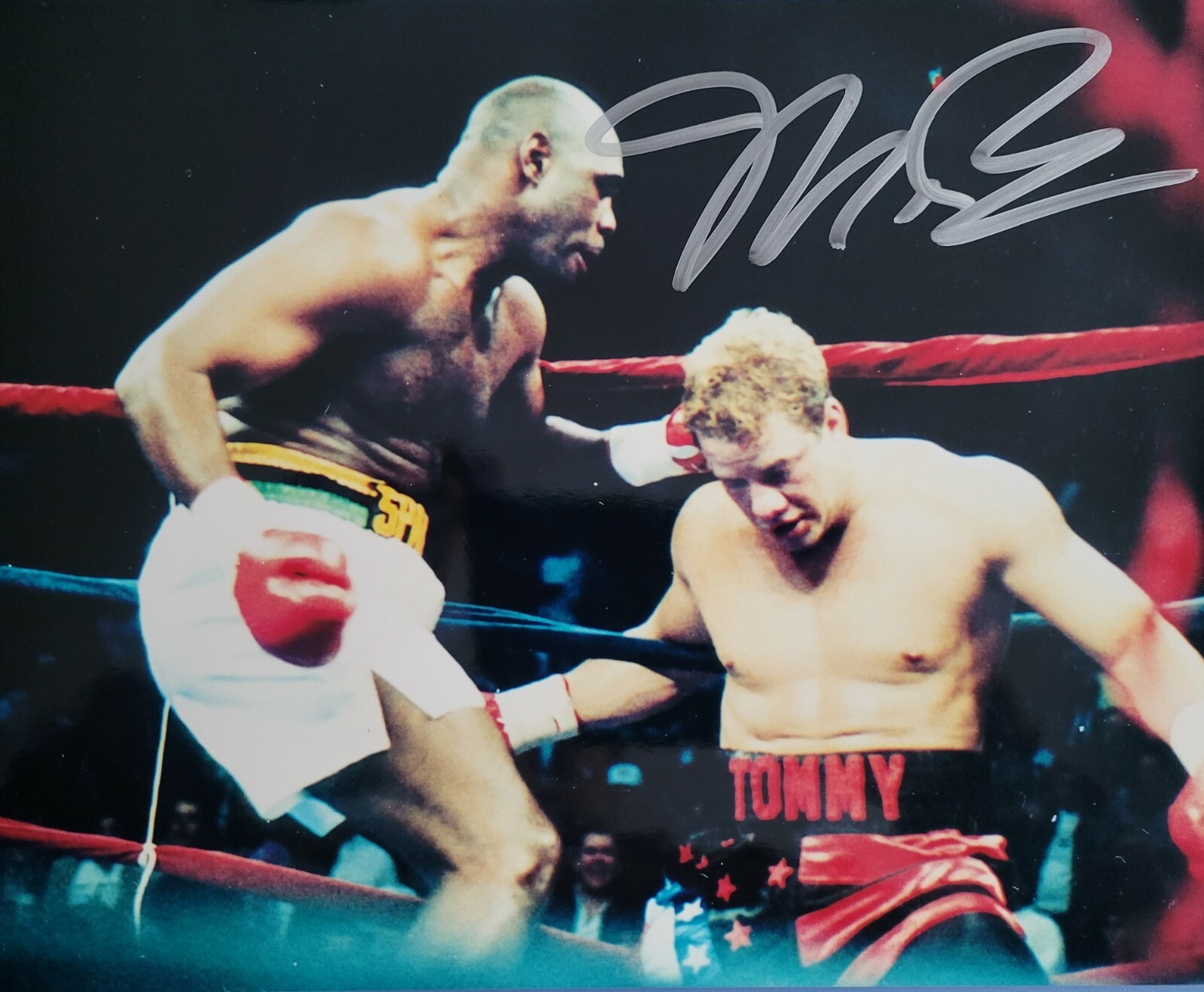
Tommy "The Duke" Morrison Net Worth at His Death: Financial Legacy Examined
Tommy "The Duke" Morrison held a complex financial status at his death in September 2013, characterized by millions earned during his boxing peak, subsequent legal battles, health challenges, and ultimate asset depletion. While public...
Tommy "The Duke" Morrison held a complex financial status at his death in September 2013, characterized by millions earned during his boxing peak, subsequent legal battles, health challenges, and ultimate asset depletion. While public estimates regarding his exact estate value at the time of his passing varied significantly, historical records, court documents, and boxing earnings reports indicate that his liquid wealth was heavily diminished compared to his prime earning years in the early 1990s.
Contents
The Rise of "The Duke": Peak Boxing Earnings and Commercial Success
To understand Tommy Morrison’s financial state at the end of his life, it is necessary to examine the height of his professional boxing career. Emerging from Jay, Oklahoma, Morrison rose rapidly through the heavyweight ranks due to his devastating left hook and charismatic persona. His marketability reached mainstream heights when he portrayed Tommy Gunn in Rocky V (1990), a role that expanded his public profile beyond sports enthusiasts to global audiences.
Following his cinematic exposure, Morrison secured high-profile bouts against premier heavyweights of the era. His defining moment inside the squared circle occurred on June 7, 1993, when he defeated George Foreman by unanimous decision to win the vacant World Boxing Organization (WBO) heavyweight title. This championship victory, combined with subsequent television appearances and promotional agreements, generated substantial revenue.
During his peak earning years, Morrison commanded multi-million-dollar purses. For his defense against Michael Bentt in October 1993—where he suffered a first-round knockout loss—and his lucrative bouts against other top-tier contenders, Morrison earned substantial sums. Industry estimates place his cumulative career boxing earnings between several million and upwards of ten million dollars before taxes, management fees, promotional cuts, and lifestyle expenses were deducted.
The Turning Point: HIV Diagnosis and Legal Troubles
The trajectory of Morrison’s career, and consequently his long-term financial stability, shifted dramatically in February 1996. Prior to a scheduled defense against Arthur Weathers in Las Vegas, a pre-fight HIV test administered by the Nevada State Athletic Commission returned positive results. Morrison was immediately suspended, and his boxing license was revoked.
The diagnosis halted his ability to earn primary income through championship-level prize fighting. Although Morrison subsequently contested the accuracy of the test in the years immediately following—occasionally attempting unverified ring comebacks in jurisdictions with less stringent oversight—his suspension effectively closed the door on high-purse bouts in major athletic commissions.
Concurrently, Morrison faced mounting legal and personal challenges. Throughout the late 1990s and 2000s, he dealt with arrests related to weapons and drug charges, culminating in prison sentences in Oklahoma. Legal defense costs, court fines, and the absence of a steady income stream rapidly depleted the liquid assets accumulated during his championship reign.
Financial Status and Estate Valuation at Death
When Tommy Morrison passed away on September 1, 2013, at a hospital in Omaha, Nebraska, at the age of 44, public interest naturally turned to his financial legacy. Unlike elite contemporaries who established enduring promotional enterprises or structured generational wealth, Morrison left behind a fragmented estate.
Public records and statements from family members indicated that at the time of his death, Morrison possessed minimal liquid cash or high-value real estate holdings. Years of medical care associated with his advanced illness, combined with intermittent incarceration and periods of unemployment, had exhausted the majority of his boxing earnings.
Furthermore, historical context reveals that many fighters of Morrison's era lacked the structured financial advisory support, pension protections, and royalty agreements common in modern sports management. Consequently, reports regarding his net worth at death consistently point to a near-zero or negligible official estate valuation, despite his status as a former world heavyweight champion and cinematic figure.
| Career Phase | Approximate Timeline | Primary Revenue Sources | Financial Status |
|---|---|---|---|
| Amateur & Early Pro | Mid-to-Late 1980s | Regional fight purses, local sponsorships | Moderate earnings, foundational growth |
| Peak Championship | 1990–1993 | Rocky V salary, WBO title purses, major TV broadcasts | Multi-million dollar inflows, high peak wealth |
| Suspension & Decline | 1996–2006 | Occasional independent bouts, personal appearances | Rapid asset depletion, legal expenses |
| Final Years & Death | 2007–2013 | Private living, minimal professional income | Severe financial hardship, negligible estate |
Factors Contributing to the Depletion of Boxing Wealth
The financial decline experienced by Tommy Morrison is reflective of broader historical patterns within professional combat sports. Several distinct factors explain how a multi-million-dollar earner arrived at financial insolvency by the end of his life:
- High Overhead and Management Cuts: Professional boxers during the 1990s typically forfeited 20% to 30% of their gross purses to trainers, managers, promoters, and sparring partners, significantly reducing take-home pay.
- Tax Liabilities: Large lump-sum earnings are subject to heavy federal and state tax burdens. Failure to properly structure or defer these liabilities often results in severe subsequent tax debt.
- Medical and Legal Expenses: Sustained legal battles, defense counsel fees, and medical treatments related to his long-term health condition created continuous financial outflows after his active career ceased.
- Lack of Diversified Investments: Unlike athletes who successfully transition into commercial real estate, business ownership, or media broadcasting, Morrison's income relied almost exclusively on direct physical combat. Once that avenue closed, replacement income was minimal.
Frequently Asked Questions
What was Tommy Morrison's net worth when he died?
At the time of his death in 2013, public records and estate evaluations indicated that Tommy Morrison had a negligible or near-zero net worth. While he earned millions during his boxing peak in the early 1990s, legal troubles, medical costs, and prolonged unemployment depleted his liquid assets.
How much did Tommy Morrison make fighting George Foreman?
For his June 1993 championship bout against George Foreman, Morrison earned a multi-million-dollar purse that represented the single largest payday of his professional career, estimated to be in the range of $1.5 million to $2 million before deductions.
How did Tommy Morrison lose his boxing license?
Morrison's boxing license was indefinitely suspended in February 1996 by the Nevada State Athletic Commission after a pre-fight blood test returned a positive result for HIV. This diagnosis effectively ended his career in major boxing jurisdictions.
Did Tommy Morrison receive money from Rocky V?
Yes. Morrison was compensated for his role as Tommy Gunn in the 1990 film Rocky V. However, like his boxing purses, these earnings were absorbed over the decades by living expenses, taxes, and legal fees.
Conclusion and Legacy
Tommy "The Duke" Morrison remains one of the most compelling and tragic figures in modern heavyweight boxing history. While his athletic achievements inside the ring—culminating in his WBO world title victory over George Foreman and his memorable cinematic turn—secured his place in sports culture, his financial reality at death serves as a stark reminder of the financial volatility professional athletes face when career-ending disruptions occur without long-term wealth preservation.
Image Gallery