World Health Organization (WHO) Net Income and Financial Performance Explained
As a specialized agency of the United Nations, the World Health Organization (WHO) does not generate "net income" in the traditional corporate sense of profit. Instead, it reports a Net Result, representing the difference between total...
As a specialized agency of the United Nations, the World Health Organization (WHO) does not generate "net income" in the traditional corporate sense of profit. Instead, it reports a Net Result, representing the difference between total revenue (contributions) and expenses. For the most recent fiscal periods leading into 2026, the WHO manages a biennial budget exceeding $6.8 billion, funded by member states and private donors.
Contents
The financial health of the World Health Organization is a subject of intense global scrutiny, particularly as the world navigates post-pandemic recovery and new health threats in 2026. To understand the "net income" of the WHO, one must look past the terminology of private equity and examine the complex framework of international public sector accounting. Unlike a commercial entity that seeks to maximize shareholder value, the WHO’s financial objective is to ensure that its revenue—primarily derived from sovereign nations and philanthropic giants—is fully utilized to meet its General Programme of Work (GPW).
Understanding WHO’s Financial Structure: Revenue vs. Net Result
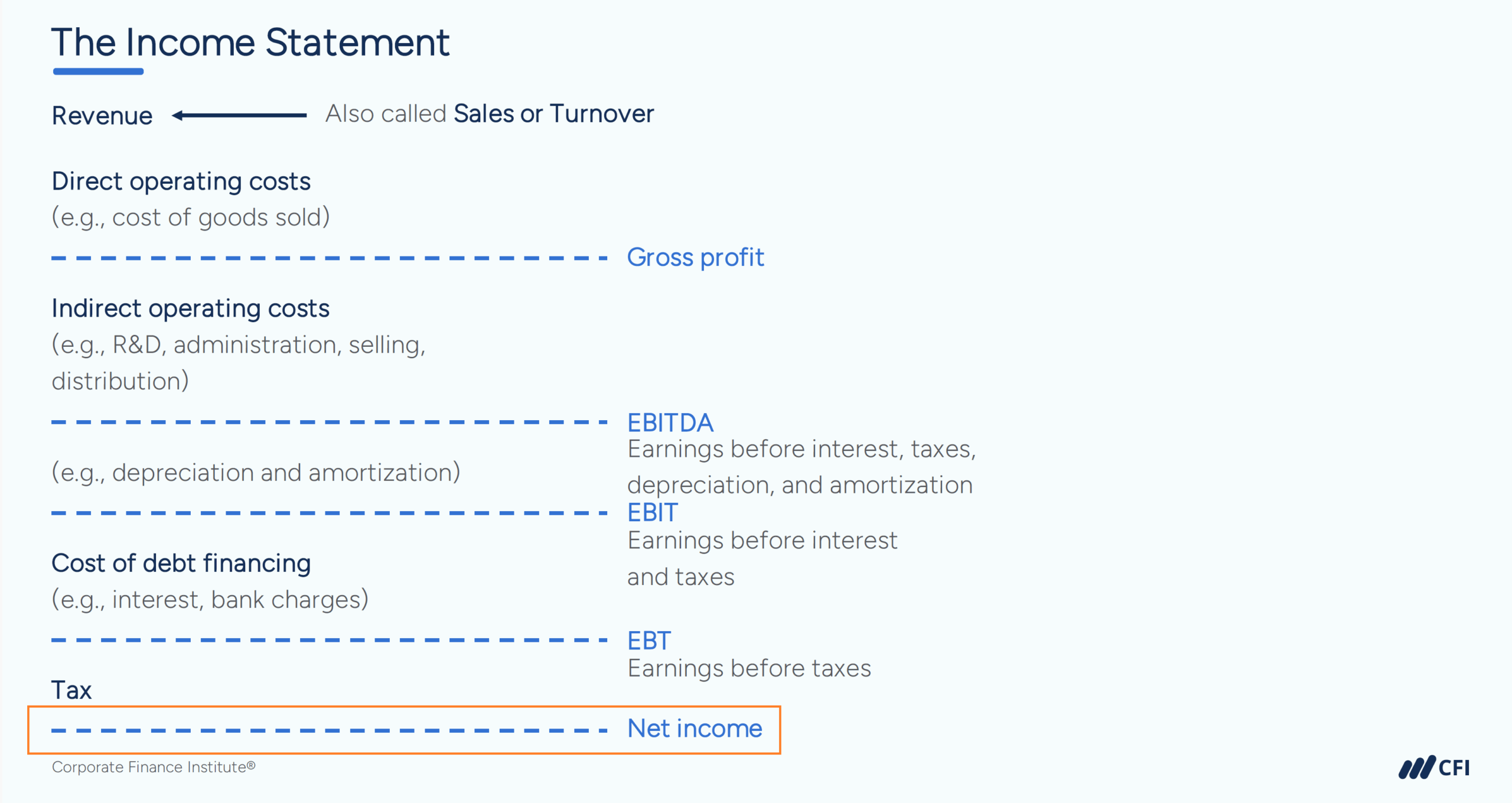
In the world of international non-profits, the term "net income" is substituted with the Net Result. Because the WHO follows the International Public Sector Accounting Standards (IPSAS), its financial statements distinguish between "Revenue" and "Expenses."
If the WHO ends a fiscal year with a positive Net Result, it does not mean it has earned a profit for stakeholders. Rather, it indicates that certain funds—often "earmarked" or restricted for specific multi-year projects—have been received but not yet fully spent. Conversely, a negative Net Result often reflects the timing of when long-term donor pledges are recorded versus when the cash is actually disbursed for operations.
The Composition of Revenue
The WHO's "income" is split into two primary categories:
- Assessed Contributions: These are the dues member states pay to be part of the organization. The amount is calculated based on a country's wealth and population. Historically, these were the bedrock of the WHO, but they now represent a smaller fraction of the total budget.
- Voluntary Contributions: These are additional funds provided by member states or other partners (like the Bill & Melinda Gates Foundation). These are often "specified," meaning the donor dictates exactly how the money must be used, which limits the WHO's operational flexibility.
The 2024–2025 and 2026–2027 Budget Cycles
As of 2026, the WHO is operating within the framework of the 14th General Programme of Work (GPW 14), which spans 2025–2028. This period marks a historical shift in how the organization is financed. Following years of advocacy regarding the "financing crisis," the World Health Assembly approved a landmark plan to increase assessed contributions to 50% of the core budget by the 2030–2031 biennium.
For the 2024–2025 biennium, the base budget was set at approximately $6.83 billion. As we move through 2026, the preliminary figures for the next cycle suggest a continued upward trajectory to account for inflation, increased emergency response needs, and the integration of advanced data analytics into global disease surveillance.
The Role of the "Investment Round"
In 2024 and 2025, the WHO launched its first-ever "Investment Round." This was a strategic move to secure predictable, flexible funding at the start of a four-year cycle rather than relying on ad-hoc donations. By 2026, the success of this initiative has become clear: it has allowed the WHO to reduce its reliance on "tightly earmarked" funds, which previously forced the organization to over-fund certain popular diseases (like Polio) while under-funding critical systemic needs like basic healthcare infrastructure in developing regions.
Where the Money Comes From: Top Contributors
The "income" of the WHO is heavily concentrated among a few major donors. This concentration has historically led to concerns regarding the organization’s independence. However, the shift toward higher assessed contributions (membership dues) is designed to rebalance this power dynamic.
| Contributor Type | Major Entities | Typical Percentage of Total Revenue |
|---|---|---|
| Member States (Assessed) | USA, China, Japan, Germany, UK | 15% - 20% (Increasing by 2026) |
| Member States (Voluntary) | Germany, USA, Norway, Kuwait | 40% - 50% |
| Philanthropic Foundations | Bill & Melinda Gates Foundation, Bloomberg Philanthropies | 10% - 15% |
| Intergovernmental Orgs | European Commission, Gavi, The Vaccine Alliance | 5% - 10% |
| Other Sources | Private sector, NGOs, Interest income | < 5% |
Note: Percentages vary by biennium based on emergency appeals and specific global health crises.
Key Expenditures: Where the "Income" Is Spent
To understand the net position of the WHO, one must analyze the "Expense" side of the ledger. The WHO allocates its budget across several "pillars" aligned with its strategic goals. In 2026, the primary areas of expenditure include:
1. Universal Health Coverage (UHC)
This is typically the largest segment of the budget. It involves helping countries strengthen their health systems, train medical staff, and ensure that citizens can access essential medicines without financial hardship.
2. Health Emergencies
The WHO Health Emergencies Programme (WHE) is the frontline for outbreak response. This includes the management of the Contingency Fund for Emergencies (CFE), which allows the WHO to deploy resources within 24 hours of a crisis. Expenditure in this category is highly volatile, spiking during pandemics or major regional outbreaks.
3. Communicable and Non-Communicable Diseases
While Polio eradication remains a significant expenditure line (often funded by dedicated voluntary contributions), there is a growing shift in 2026 toward addressing non-communicable diseases (NCDs) like diabetes, cardiovascular disease, and cancer, which now account for the majority of global deaths.
4. Corporate Services and Enabling Functions
Roughly 10-12% of the budget is spent on the "back office"—the administrative, legal, and IT infrastructure required to run a global organization with thousands of employees across six regional offices and 150 country offices.
Financial Transparency and the Program Budget Portal
For those seeking to verify the "net income" or real-time financial status of the WHO in 2026, the WHO Program Budget Portal is the primary resource. This interactive tool provides a granular look at:
- Flow of funds: Where money is coming from and which office is receiving it.
- Implementation rates: How much of the allocated budget has actually been spent.
- Results-based reporting: Linking dollars spent to specific health outcomes, such as vaccination rates or the number of health workers trained.
This level of transparency is mandatory under the governance rules established by the World Health Assembly. It serves as an audit trail for taxpayers in member states to ensure their "assessed contributions" are being managed effectively.
Common Misconceptions About WHO’s Finances
Is the WHO "Rich"?
While a $6.8 billion biennial budget sounds massive, it is relatively small compared to the budgets of large municipal health departments in the United States or major global corporations. For perspective, the WHO's annual budget is often less than that of a single large university hospital system in a high-income country.
The "Earmarking" Problem
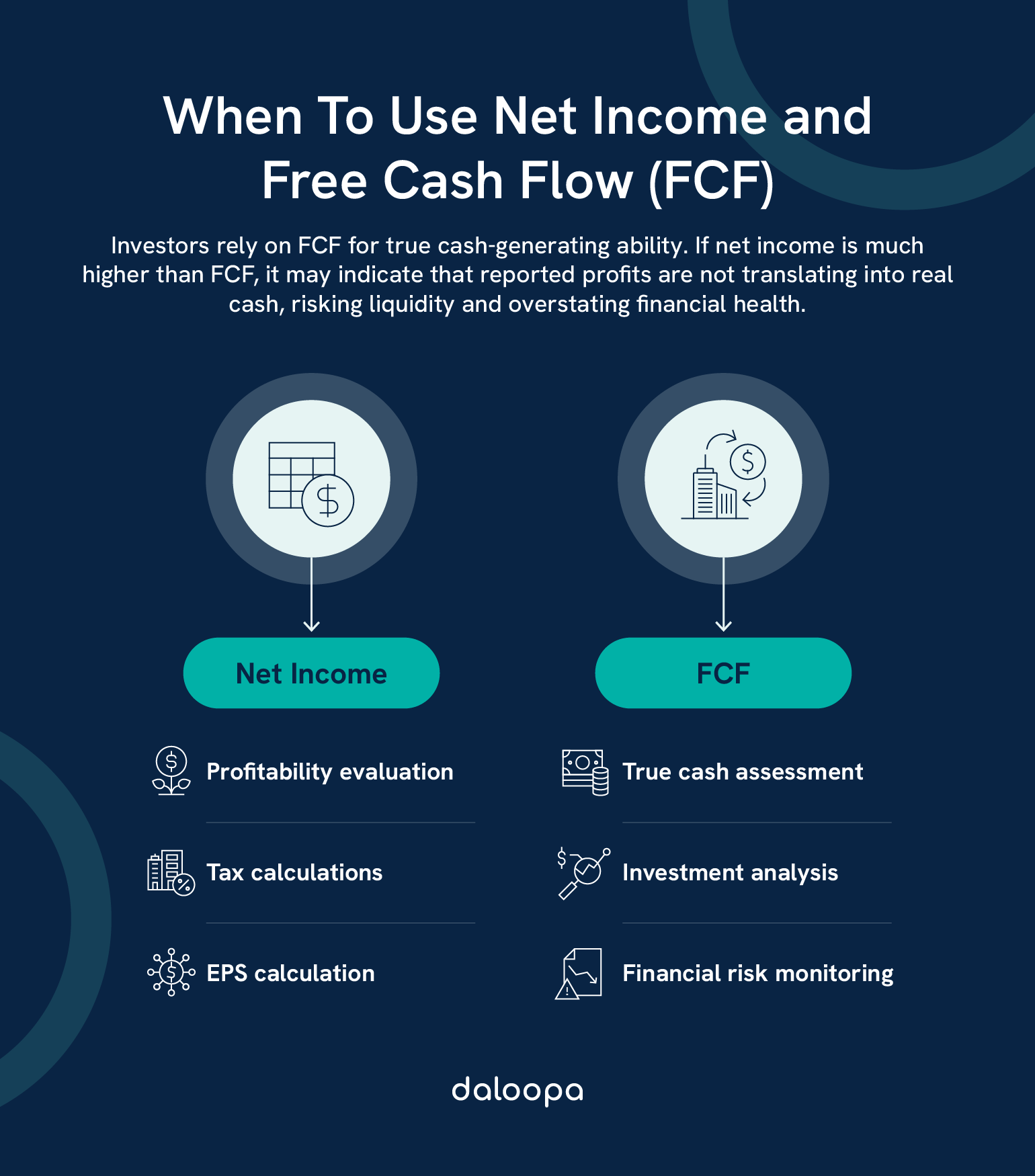
One of the most persistent technical challenges for the WHO's financial officers is that they cannot move money between "buckets" easily. If a donor gives $10 million specifically for Malaria research in Africa, the WHO cannot use a "surplus" in that account to cover a deficit in an Emergency Response fund for a sudden earthquake. This leads to a paradoxical situation where the WHO may show a positive "net income" on paper while simultaneously being broke in its emergency response accounts.
Currency Fluctuations
As a global organization reporting in US Dollars but operating in nearly every currency on earth, the WHO is highly susceptible to exchange rate volatility. A strengthening dollar can effectively reduce the "purchasing power" of contributions made in Euros or Yen, impacting the final Net Result at the end of the biennium.
Professional Financial Oversight
The WHO's financial statements are subject to both internal and external audits. The External Auditor is typically the Auditor General of a member state (for example, the Comptroller and Auditor General of India or the Supreme Audit Institution of another nation), elected by the World Health Assembly for a specific term. Their reports provide an independent opinion on whether the "net income" and financial position are fairly represented.
Frequently Asked Questions
Does the WHO pay dividends or have shareholders? No. The WHO is a specialized agency of the United Nations. It has no shareholders and does not pay dividends. Any surplus funds are carried forward to the next budget cycle to be used for global health programs as mandated by member states.
Who is the largest donor to the WHO in 2026? Historically, the United States and Germany have vied for the top spot. However, the ranking often depends on whether you look at "Assessed Contributions" (where the US is usually the highest) or total contributions including "Voluntary" funds, where Germany and the Bill & Melinda Gates Foundation frequently provide significant amounts.
What happens if a country doesn't pay its "net income" dues? Under Article 7 of the WHO Constitution, if a member state fails to meet its financial obligations (assessed contributions), the World Health Assembly has the power to suspend its voting privileges and services to which the member is entitled.
Can the WHO go bankrupt? Theoretically, the WHO could face a liquidity crisis if major donors withdrew support simultaneously. However, because it is backed by international treaties and member state commitments, it functions as a "going concern" supported by the global community. Its move toward sustainable financing in 2026 was specifically designed to prevent such a crisis.
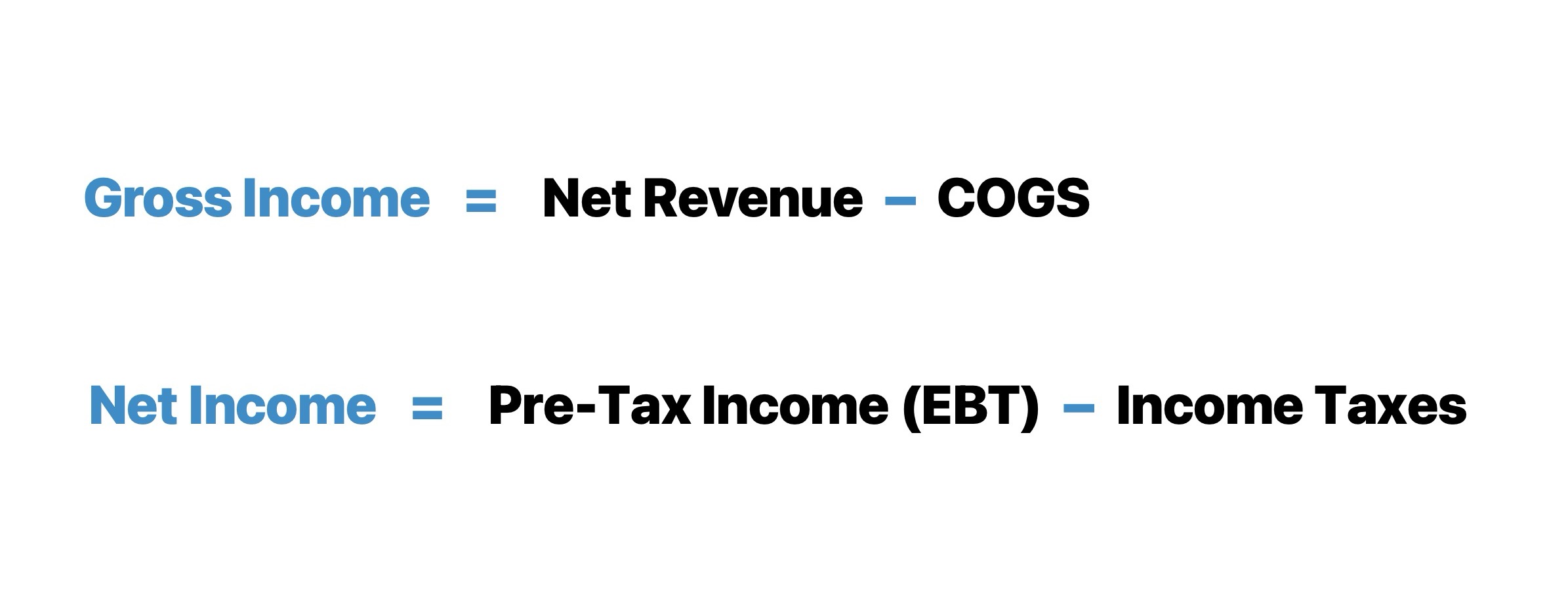
How does the WHO calculate its "Net Result"? The Net Result is calculated as: Total Revenue (Assessed + Voluntary + Other Income) minus Total Expenses (Staff costs, Medical supplies, Grants, Travel, etc.). This figure is audited annually and published in the Financial Report.
What is the impact of the 2026 World Health Assembly on the budget? The 2026 Assembly is critical for reviewing the implementation of the GPW 14 and adjusting the 2026–2027 budget based on the mid-term performance. It is the forum where member states vote on whether to approve increases in their dues to reach the 50% sustainable funding target.
Next Steps for Financial Inquiry
To gain the most accurate, up-to-date figures for the current fiscal year, users should visit the WHO Statement of Financial Performance found within the annual Financial Report. These documents provide the definitive "bottom line" for the organization's net position, including detailed breakdowns of assets, liabilities, and fund balances.
Image Gallery