Gavin Creel’s Legacy in Musical Theatre: Artistry, Advocacy, and Performance
Gavin Creel was a Tony and Olivier Award-winning powerhouse whose influence on musical theatre spanned more than two decades. Known for his crystalline high tenor voice and magnetic stage presence, he redefined the modern leading man i...
Gavin Creel was a Tony and Olivier Award-winning powerhouse whose influence on musical theatre spanned more than two decades. Known for his crystalline high tenor voice and magnetic stage presence, he redefined the modern leading man in productions like Thoroughly Modern Millie, Hair, and Hello, Dolly!, while leaving an indelible mark on the industry through his tireless LGBTQ+ advocacy.
Contents
The Formative Years and the "Golden Boy" Debut
Gavin Creel’s trajectory in musical theatre is often cited as the gold standard for aspiring performers. A graduate of the University of Michigan’s prestigious musical theatre program, Creel was part of the "Maize and Blue" pipeline that has fueled Broadway for decades. His education provided a rigorous foundation in both classical technique and contemporary performance, which would become his trademark.
In 2002, Creel skyrocketed to fame as Jimmy Smith in the original Broadway production of Thoroughly Modern Millie. Playing opposite Sutton Foster, Creel established himself as a quintessential leading man for the 21st century. Unlike the stoic baritones of the Golden Age, Creel brought a youthful, pop-inflected energy to the stage. His performance earned him his first Tony Award nomination for Best Actor in a Musical, a rare feat for a Broadway debut. This role showcased his ability to handle complex physical comedy while delivering soaring, effortless vocals—a combination that would define his career.
During this early period, Creel was instrumental in bridging the gap between traditional theatre and the emerging "pop-theatre" sound. His voice possessed a unique "ping" that allowed him to cut through large orchestrations without losing the emotional intimacy of the lyrics. This technical proficiency made him the first choice for composers looking to modernize the Broadway soundscape.
The Evolving Leading Man: From Pop-Rock to Classic Revivals
As the first decade of the 2000s progressed, Creel refused to be pigeonholed. While he could have easily spent his career playing "boy next door" roles, he sought out projects that challenged the status quo of musical theatre. In 2009, he took on the role of Claude in the Broadway revival of Hair.
This production, directed by Diane Paulus, was a watershed moment for Creel. His portrayal of the conflicted, draft-dodging Claude was praised for its raw vulnerability. It moved away from the "clean-cut" image of his earlier work and leaned into the counter-culture grit of the 1960s. The production eventually transferred to the West End, further cementing Creel’s international reputation and earning him another Tony nomination.
Creel’s versatility was further demonstrated when he stepped into the role of Bert in the London production of Mary Poppins. Taking on a role popularized by Dick Van Dyke required a specific blend of athletic dance ability and whimsical charm. Creel’s ability to master the Cockney accent and the gravity-defying "Step in Time" proscenium walk proved that he was as much a technical craftsman as he was a natural talent.
West End Triumph and The Book of Mormon
One of the most significant chapters in Creel’s career was his involvement with The Book of Mormon. He originated the role of Elder Price in the first national tour before heading to London to lead the West End premiere in 2013. His performance in London was a critical sensation, earning him the 2014 Olivier Award for Best Actor in a Musical.
The role of Elder Price is notoriously demanding, requiring a "super-tenor" range and a highly specific comedic timing that balances arrogance with earnestness. Creel’s rendition of "I Believe" became a definitive version of the song, characterized by his unwavering vocal control and the ability to find the humanity within a satirical character.
His return to the Broadway production of The Book of Mormon later in his career solidified his status as one of the most reliable and sought-after performers in the industry. By this point, Creel had achieved a rare level of respect among his peers, known not just for his talent, but for his "theatre-first" work ethic and his mentorship of younger cast members.
Technical Artistry: Vocal Range and Performance Style
To understand Gavin Creel’s impact on musical theatre, one must analyze the technical aspects of his performance. Creel was a high tenor with a range that frequently touched the "alto" territory, yet his voice maintained a masculine resonance and a robust "mix."
The "Creel Sound"
His vocal technique was characterized by a seamless transition between his chest voice and head voice. In contemporary musical theatre, this "mix" is essential for singing pop-rock scores without damaging the vocal folds. Creel’s ability to sustain high B-flats and Cs with a clear, vibrato-rich tone influenced a generation of male performers. He avoided the "nasal" quality often associated with high-tenor singing, opting instead for a warm, round sound that felt grounded in the character's emotions.
Physicality and Presence
Beyond his voice, Creel was a master of physical storytelling. Whether he was tumbling across the stage in Hello, Dolly! or portraying the stillness of a man facing a moral crisis in Into the Woods, his movements were intentional. He possessed a natural "spark"—an ability to draw the audience's eye even when he wasn't the focal point of a scene. This "X-factor" is what made him an effective ensemble leader and a captivating protagonist.
The Hello, Dolly! Era and Tony Recognition
In 2017, Creel achieved what many considered the pinnacle of his career: winning the Tony Award for Best Featured Actor in a Musical for his role as Cornelius Hackl in the revival of Hello, Dolly!. Performing alongside Bette Midler and David Hyde Pierce, Creel delivered a performance that was widely described as a "masterclass in supporting acting."
His portrayal of Cornelius was infused with a sense of wonder and comedic desperation. The song "It Only Takes a Moment" became a highlight of the production, showcasing his ability to pivot from high-energy slapstick to sincere, romantic balladry. His Tony win was not just a recognition of that specific role, but a "body of work" honor for a performer who had consistently elevated every production he touched.
| Production | Role | Award/Recognition | Location |
|---|---|---|---|
| Thoroughly Modern Millie | Jimmy Smith | Tony Nomination | Broadway |
| Hair | Claude | Tony Nomination | Broadway / West End |
| The Book of Mormon | Elder Price | Olivier Award (Win) | West End |
| Hello, Dolly! | Cornelius Hackl | Tony Award (Win) | Broadway |
| Waitress | Dr. Pomatter | - | Broadway / West End |
| Into the Woods | Cinderella's Prince/Wolf | - | Broadway / Tour |
| Walk on Through | Creator/Performer | - | Off-Broadway |
Advocacy and Industry Impact: Broadway Impact
Creel’s legacy extends far beyond the footlights. He was a pioneer in using his platform for social change. In 2009, he co-founded Broadway Impact, an organization dedicated to mobilizing the theatre community in support of marriage equality.
At a time when many actors were still hesitant to be openly political, Creel was vocal and visible. Broadway Impact played a crucial role in the legal fight against Proposition 8 in California and helped organize rallies that brought national attention to LGBTQ+ rights. Creel’s advocacy was never a side project; it was integrated into his identity as an artist. He believed that the theatre was a space for empathy and that this empathy should translate into legislative change.
By 2026, the industry continues to look to the Broadway Impact model as a blueprint for how the arts can intersect with activism. His work helped pave the way for the more socially conscious and politically active Broadway of today.
Final Works and Posthumous Legacy (2024–2026)
In the final years of his life, Creel turned his attention to original creation. His solo show, Walk on Through: Confessions of a Museum Novice, commissioned by the Metropolitan Museum of Art, showcased his evolution as a songwriter and storyteller. The piece was an intimate look at his relationship with art and his own vulnerability, marking a departure from the "larger-than-life" characters he was known for.
Gavin Creel passed away in September 2024 at the age of 48, following a battle with a rare form of cancer (metastatic melanotic schwannoma). The news of his death resulted in an unprecedented outpouring of grief from the global theatre community. In 2026, his legacy is preserved through the Gavin Creel Memorial Scholarship at the University of Michigan, which supports students who exhibit both artistic excellence and a commitment to advocacy.
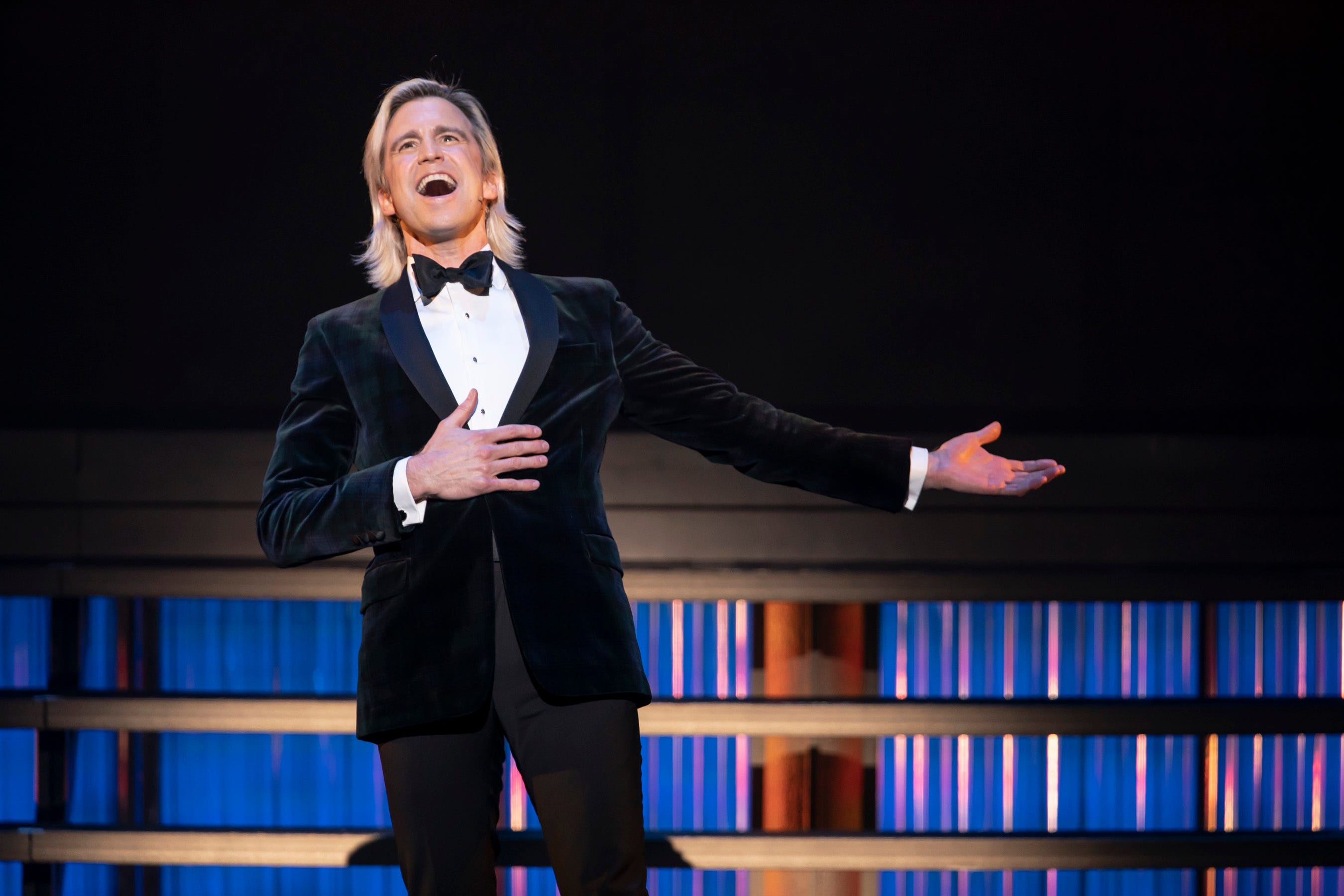
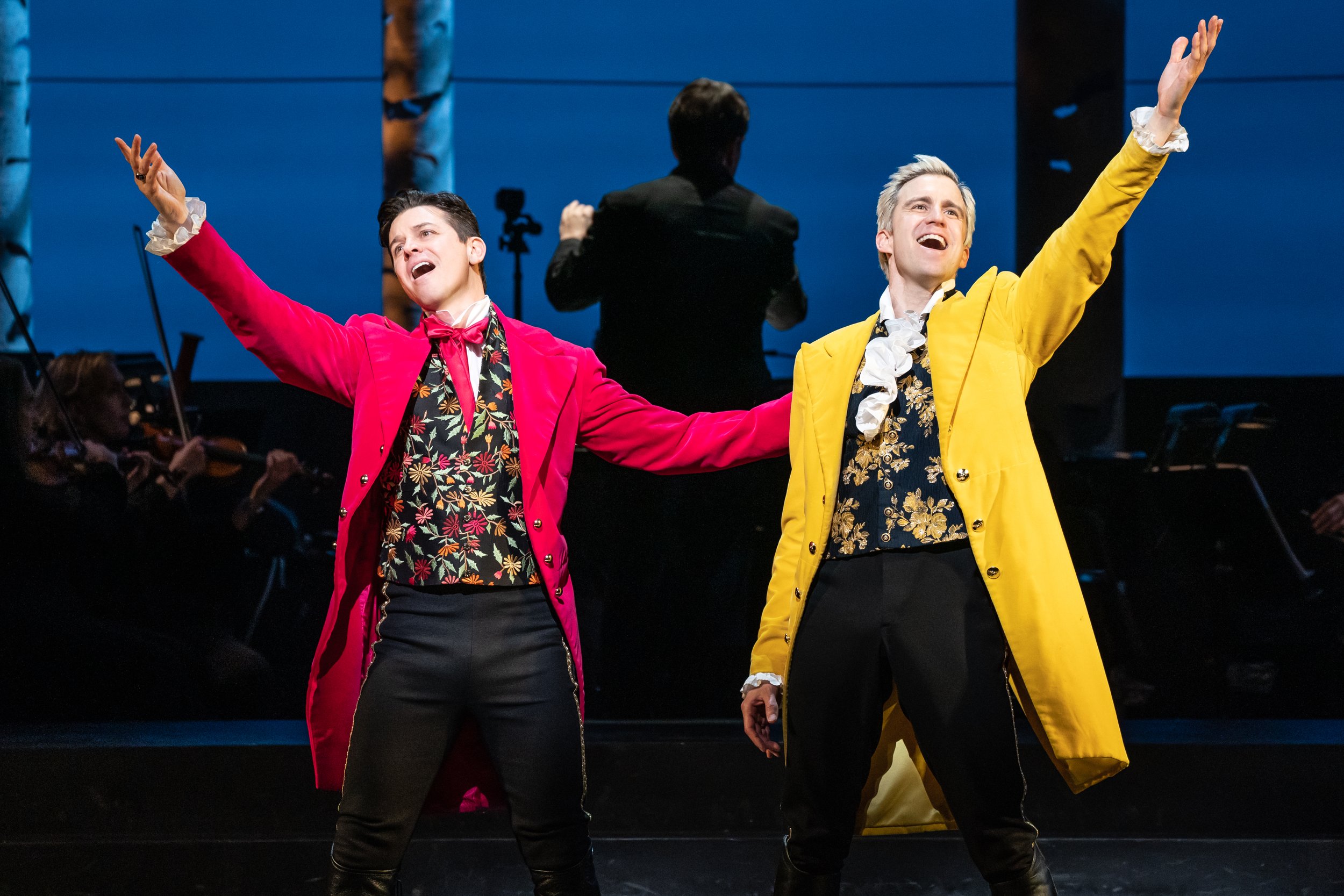
His performances in the 2022 revival of Into the Woods as Cinderella’s Prince and the Wolf remain some of his most celebrated late-career work. These performances were captured via the filmed Broadway production, ensuring that future generations can study his comedic timing and vocal prowess.
FAQs About Gavin Creel in Musical Theatre
What was Gavin Creel’s vocal range?
Gavin Creel was a high tenor, known for a powerful and flexible range that extended comfortably into the fourth octave. He was particularly celebrated for his "money notes"—high A, B-flat, and C—which he could deliver with either a pop-rock belt or a classical legitimacy. This versatility allowed him to move between vastly different styles of musical theatre.
How many Tony Awards did Gavin Creel win?
Gavin Creel won one Tony Award, for Best Featured Actor in a Musical in 2017 for his performance as Cornelius Hackl in Hello, Dolly!. He received two other Tony nominations: Best Actor in a Musical for Thoroughly Modern Millie (2002) and Best Actor in a Musical for Hair (2009).
Did Gavin Creel perform in the West End?
Yes, Creel had a significant career in London’s West End. He starred as Mary Poppins’ sidekick, Bert, in Mary Poppins, and originated the role of Elder Price in the London premiere of The Book of Mormon. The latter earned him the 2014 Laurence Olivier Award for Best Actor in a Musical.
What was the cause of Gavin Creel's death?
Gavin Creel passed away on September 30, 2024, due to metastatic melanotic schwannoma, a rare and aggressive form of cancer. He had been diagnosed only months earlier, in July 2024. His death at 48 was a profound loss to the Broadway community.
What is Broadway Impact?
Broadway Impact is a non-profit organization co-founded by Gavin Creel, Rory O’Malley, and Jenny Kanelos in 2009. Its primary mission was to organize the theatre community to fight for marriage equality in the United States. It remains a key example of how Broadway professionals can organize for civil rights and social justice.
Final Recommendation for Theatre Students and Fans
To truly appreciate Gavin Creel’s contribution to musical theatre, one should watch the filmed 2022 Broadway production of Into the Woods. It captures his ability to embody two distinct, stylized characters while maintaining flawless vocal execution. For those interested in his creative process, listening to the cast recording of Walk on Through provides a deeper look into his skills as a lyricist and composer.
Image Gallery