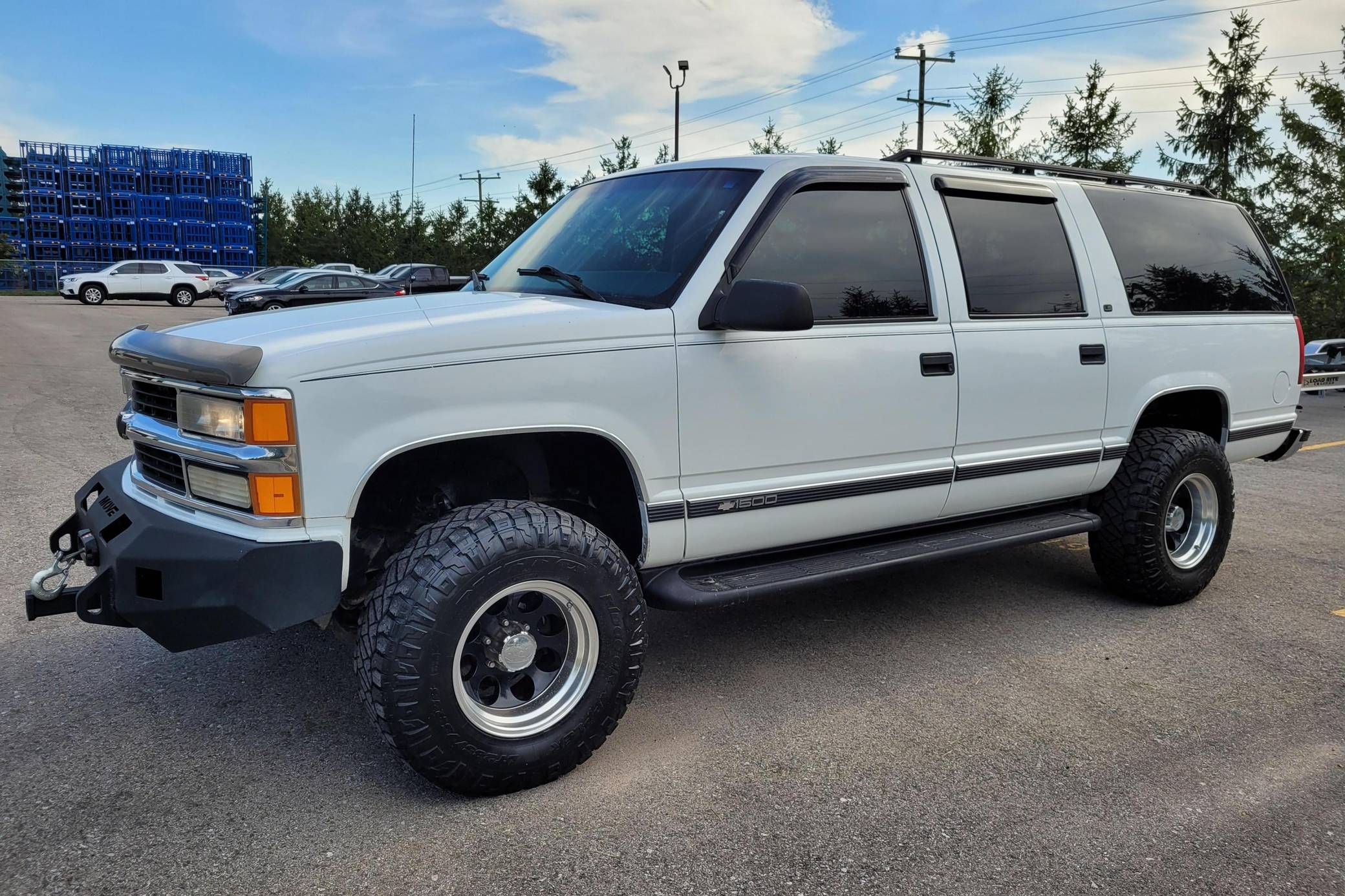
1999 Chevrolet Suburban 1500: A Comprehensive Technical Maintenance and Ownership Guide
The 1999 Chevrolet Suburban 1500 remains a cornerstone of the GMT400 platform, valued in 2026 for its mechanical simplicity, robust V8 powertrain, and immense utility. As a final-year representative of the classic eighth-generation des...
The 1999 Chevrolet Suburban 1500 remains a cornerstone of the GMT400 platform, valued in 2026 for its mechanical simplicity, robust V8 powertrain, and immense utility. As a final-year representative of the classic eighth-generation design, this vehicle requires a disciplined maintenance regimen focused on cooling system integrity, transmission fluid longevity, and chassis lubrication to ensure continued operational reliability.
Contents
Understanding the GMT400 Platform Legacy
The 1999 model year represents the maturation of the GMT400 chassis, which began production in 1988. For enthusiasts and daily drivers in 2026, the 1500 series Suburban is favored for its compatibility with widely available components and its non-intrusive electronic architecture. Unlike modern vehicles heavily reliant on proprietary software, the 1999 Suburban uses the Vortec engine series, which offers a balance of torque and efficiency that remains relevant for towing and heavy-duty transport.
The 1500 designation denotes the half-ton chassis rating, which features a smoother suspension geometry compared to the 2500 series. This makes it an ideal candidate for long-distance highway travel, provided the suspension components are kept within factory specifications.
Technical Specifications and Powertrain Dynamics
The heart of the 1999 Chevrolet Suburban 1500 is typically the 5.7L Vortec 5700 V8 engine (L31). This small-block engine is renowned for its reliability if the intake manifold gaskets and cooling systems are maintained.
| Component | Technical Specification |
|---|---|
| Engine Type | 5.7L Vortec 5700 V8 (L31) |
| Horsepower | 255 hp @ 4,600 rpm |
| Torque | 330 lb-ft @ 2,800 rpm |
| Transmission | 4L60-E 4-Speed Automatic |
| Drivetrain | RWD or Push-Button 4WD |
| Towing Capacity | Up to 7,500 lbs (Properly Equipped) |
The Role of the 4L60-E Transmission
The 4L60-E transmission is the standard gearbox for the 1500 series. By 2026, many of these units have undergone at least one rebuild. The primary failure point in this transmission is often the heat-induced degradation of the solenoids and the wear of the reaction shell. Installing an auxiliary transmission cooler is the single most effective modification for owners looking to extend the life of this unit during towing operations in the summer months.
Essential Maintenance Protocols for 2026
Maintaining a vehicle that is over 25 years old requires a proactive rather than reactive approach. In 2026, parts availability remains excellent through both OEM and high-quality aftermarket suppliers, but the quality of rubber components and electrical sensors varies significantly.
Cooling System Integrity
The Vortec engine is sensitive to temperature fluctuations. A failed thermostat or a clogged radiator can lead to a warped intake manifold or, worse, head gasket failure.
- Coolant Flush: Every 30,000 miles or three years, perform a full system flush.
- Hose Inspection: Replace all coolant hoses if they show signs of "sponginess" or cracking at the clamps.
- Water Pump: Check for weeping at the weep hole, which indicates bearing seal fatigue.
Lubrication and Chassis
The 1999 Suburban features several grease fittings (zerk fittings) on the front suspension components. Neglecting these will accelerate the wear of ball joints and tie rod ends. Ensure that high-temperature lithium-based grease is applied at every oil change interval (typically every 3,000–5,000 miles, depending on the oil grade used).
Common Mechanical Failure Points and Remedies
When operating a 1999 Suburban today, certain issues are considered "standard" for the platform. Recognizing these signs early prevents catastrophic failure.
Fuel System Vulnerability The fuel pump module is located inside the fuel tank. Because the tank must be dropped or the interior floor carpet and access plate modified to reach it, this is a labor-intensive repair. If your Suburban suffers from long crank times or hesitation under load, verify the fuel pressure (typically 60-66 psi) before diagnosing electrical issues.
Intake Manifold Gasket Degradation The original plastic gaskets are prone to leaking coolant into the engine oil. If you notice a "milky" appearance on the oil fill cap, stop the engine immediately. Upgrading to the revised, high-durability gaskets available in 2026 is the permanent solution.
Comparing the 1500 vs. 2500 Series
Many prospective owners are torn between the 1500 and the 2500 (three-quarter ton). The following comparison highlights why you might choose one over the other in 2026.
| Feature | 1500 Series (Half-Ton) | 2500 Series (Three-Quarter Ton) |
|---|---|---|
| Ride Comfort | Superior; daily driver friendly | Stiff; optimized for heavy loads |
| Fuel Economy | Moderate | Lower due to gear ratios |
| Payload | Standard | High; suitable for heavy towing |
| Braking | Standard | Enhanced heavy-duty calipers |
Frequently Asked Questions
Is the 1999 Chevrolet Suburban 1500 considered a classic vehicle in 2026? Yes, the 1999 model is widely recognized as a "modern classic." It is valued for being the final year of the boxy GMT400 design, which has seen a resurgence in popularity among collectors and enthusiasts who prioritize mechanical simplicity and iconic styling.
What is the best type of oil for a 1999 Vortec 5700 engine? Most mechanics recommend a high-quality 5W-30 conventional or synthetic blend. Given the age of the engine, high-mileage formulations that include seal conditioners are recommended to keep the main seals and valve stem seals pliable.
Can I still find replacement body panels and interior parts? The supply chain for GMT400 parts is robust. Many aftermarket companies specialize in reproduction trim, door handles, and interior plastics. Mechanical parts are stocked at virtually every major auto parts chain, as these engines were used in millions of Chevrolet vehicles.
How do I troubleshoot the push-button 4WD system? The most common failure in the 4WD system is the vacuum actuator under the battery tray or the dashboard switch. Check for cracked vacuum lines first, as these are exposed to engine heat and often brittle by 2026.
Does the 1999 Suburban have OBD-II diagnostics? Yes, it is fully OBD-II compliant. You can use any standard code scanner to retrieve diagnostic trouble codes (DTCs) from the port located under the driver-side dashboard, making home troubleshooting much easier than with pre-1996 models.
Ownership Recommendations
To preserve your 1999 Chevrolet Suburban 1500, avoid "deferred maintenance" cycles. Because these vehicles are now legacy models, your goal should be to replace aging plastic components (like coolant bypass tees and vacuum lines) before they reach the point of failure. By treating the vehicle as a functional piece of automotive history rather than a disposable appliance, you can easily maintain its utility and value for decades to come.
If you are currently experiencing performance issues or require specific part numbers for your 1500, consult your local GM dealership's parts department or an independent shop specializing in classic GM trucks to ensure you are using components engineered to meet the original factory specifications.
Image Gallery