The 1980 Cutlass Supreme Brougham: History, Specifications, and Ownership Guide
The 1980 Oldsmobile Cutlass Supreme Brougham represents a pivotal era of automotive transition, combining traditional rear-wheel-drive luxury styling with strict fuel-economy downsizing. It stands out as one of the most popular America...
The 1980 Oldsmobile Cutlass Supreme Brougham represents a pivotal era of automotive transition, combining traditional rear-wheel-drive luxury styling with strict fuel-economy downsizing. It stands out as one of the most popular American passenger cars of its decade, balancing classic mid-size comfort with revised efficiency standards.
Contents
Historical Context and Market Positioning
As the automotive landscape shifted dramatically at the dawn of the 1980s, American manufacturers faced intense pressure to meet Corporate Average Fuel Economy (CAFE) standards mandated by federal legislation. General Motors responded by redesigning its legendary intermediate platforms. For Oldsmobile, the task was particularly critical because the Cutlass nameplate had dominated US sales charts throughout the late 1970s.
Introduced for the 1978 model year and heavily refined by 1980, the downsized A-body (re-designated as the G-body in 1982) platform successfully shed hundreds of pounds and several inches of overall length compared to its bulky predecessors. Despite the physical reduction, designers cleverly maximized interior space, ensuring that traditional buyers did not feel cramped. The Brougham trim sat at the absolute pinnacle of the Cutlass Supreme lineup, offering buyers a taste of full-sized luxury appointments within a manageable, lighter footprint. In 1980, this formula resonated deeply with consumers, propelling the Cutlass nameplate to record-setting sales heights even amidst a volatile economic climate marked by high inflation and fuel shortages.
Exterior Styling and Aerodynamic Restyling
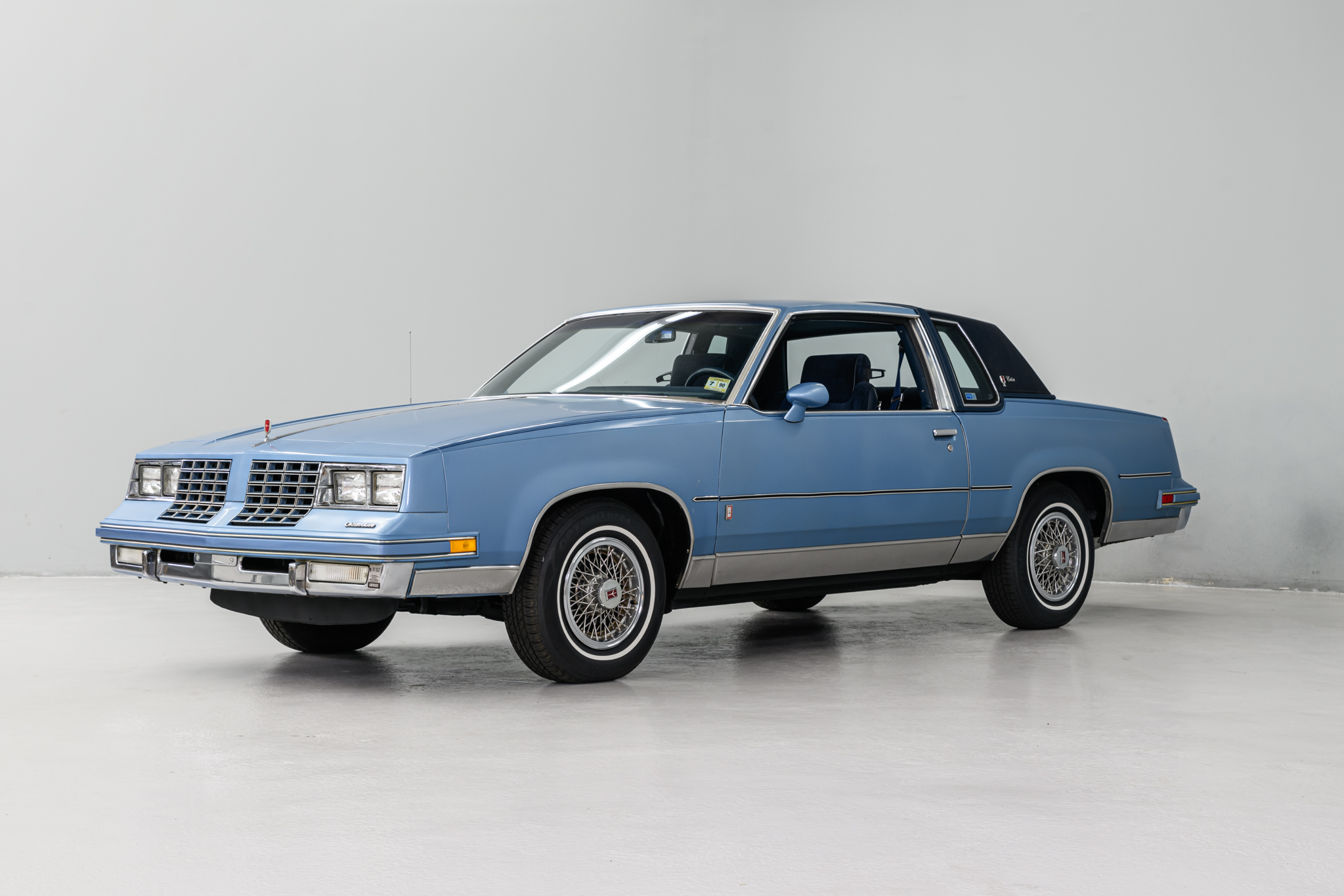
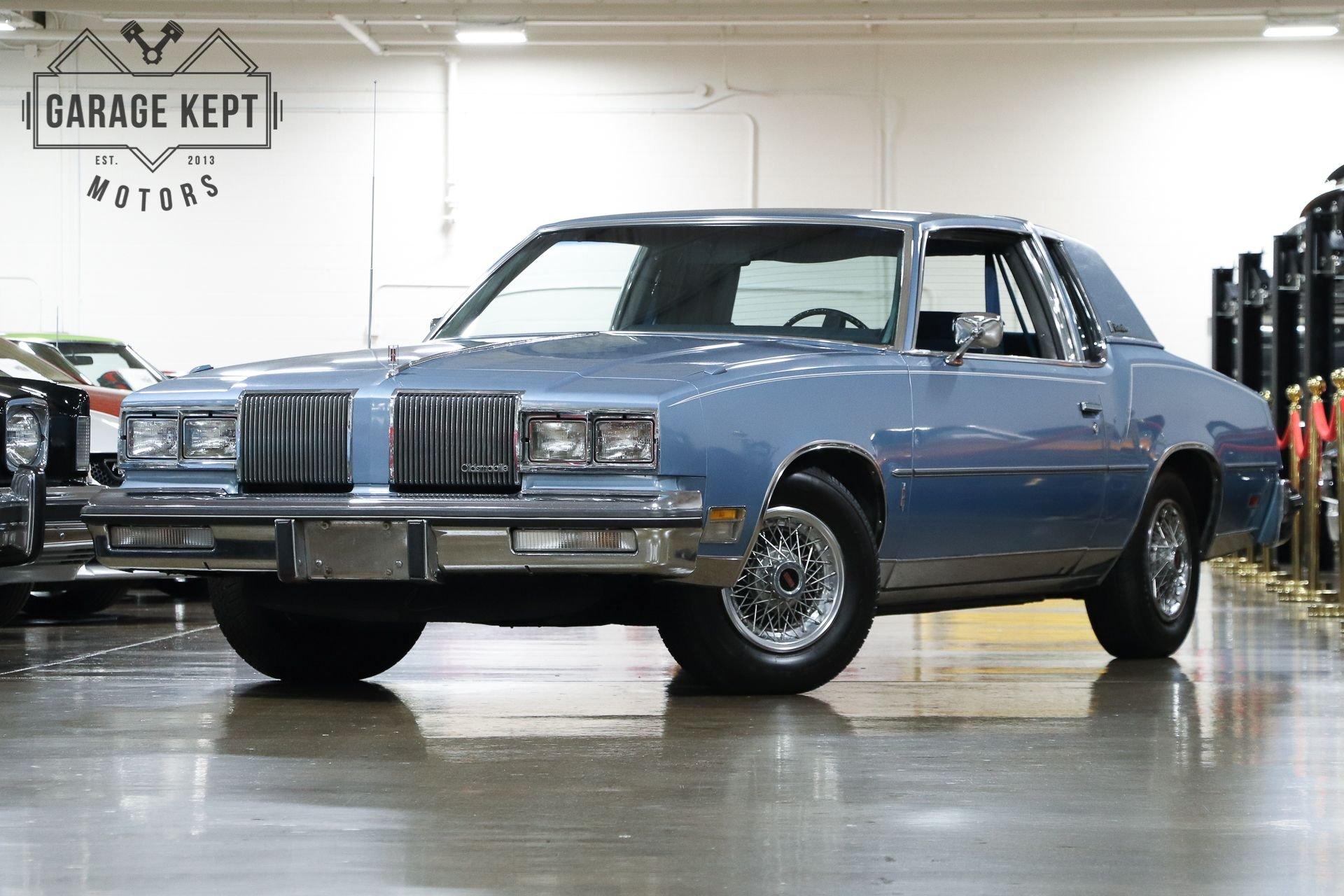
The most distinguishing visual update for the 1980 model year was a concerted effort toward aerodynamic efficiency. While retaining the formal roofline and unmistakable formal notchback profile that defined the brand, Oldsmobile engineers and stylists sculpted the front fascia to cheat the wind.
A new, more slanted header panel featuring quad rectangular headlamps flanked a revised, fine-mesh waterfall grille. The hoodline was subtly lowered, and the front fenders were smoothed to reduce drag. At the rear, the vertical taillamps remained a signature styling cue, but the decklid and rear quarters were squared off cleanly. The Brougham package elevated this exterior aesthetic through bright metal rocker panel moldings, wheel opening trim, distinctive hood ornamentation, and elegant Brougham script badging on the C-pillars. Vinyl roofs—either full or half-padded landau configurations—remained immensely popular options, reinforcing the formal, upscale persona that luxury buyers expected.
Interior Comfort, Trim, and Appointments
Stepping inside a 1980 Cutlass Supreme Brougham revealed an interior environment dedicated entirely to plush comfort and traditional American luxury styling. The cabin was characterized by generous use of simulated wood-grain appliques across the dashboard and door panels, deep-pile carpeting, and acoustic insulation designed to isolate passengers from road harshness.
Standard seating for the Brougham usually featured notchback bench seats with a folding center armrest upholstered in either soft cloth or plush velour, though optional loose-cushion design bucket seats with a console were available for a sportier feel. The instrument panel was driver-centric, housing a wide horizontal speedometer and clear auxiliary gauges, complemented by a deluxe steering wheel. Power steering, power front disc brakes, and an automatic transmission came standard, while long options lists allowed buyers to add power windows, power door locks, automatic climate control, cruise control, and premium AM/FM stereo radios with cassette or 8-track players.
Powertrain Options, Specifications, and Performance
Underneath the skin, the 1980 model year introduced significant mechanical changes driven by fuel economy requirements. The traditional large-displacement V8 engines of the past were downsized or supplemented by alternative configurations.
Engine Lineup Overview
- 3.8L (231 cid) Buick V6: Often the base engine for federal emissions states, offering respectable fuel efficiency for everyday commuting.
- 4.3L (265 cid) Pontiac V8: A smaller-displacement V8 designed to bridge the gap between V6 economy and V8 smoothness.
- 5.0L (305 cid) Chevrolet V8: Widely utilized in various GM applications, known for parts availability and reliability.
- 5.7L (350 cid) Oldsmobile V8: The legendary Oldsmobile small-block V8, prized for its low-end torque and durability.
- 5.7L (350 cid) LF9 Diesel V8: An early passenger car diesel engine offering exceptional highway mileage, though plagued by reliability issues that later cemented a controversial reputation in automotive history.
Power was routed to the rear wheels via either a 3-speed automatic Turbo Hydra-Matic transmission or, in certain base V6 configurations, a manual transmission, though the vast majority of Brougham models rolled off the assembly line with smooth-shifting automatics. Suspension tuning was soft and compliant, prioritizing a smooth boulevard ride over aggressive cornering agility.
1980 Cutlass Supreme Brougham Specifications Summary
| Feature Category | Specification Details |
|---|---|
| Vehicle Classification | Mid-Size Luxury / Intermediate Passenger Car |
| Platform | GM A-Body (Rear-Wheel Drive) |
| Body Styles | 2-Door Coupe, 4-Door Sedan, 4-Door Station Wagon |
| Standard Engine | 3.8L (231 cid) V6 (varies by regional emissions) |
| Available Engines | 4.3L V8, 5.0L V8, 5.7L V8, 5.7L Diesel V8 |
| Transmission | 3-speed automatic (Turbo Hydra-Matic) |
| Wheelbase | 108.1 inches (Coupe / Sedan) |
| Curb Weight | Approximately 3,300 to 3,500 lbs depending on options |
Common Mechanical Issues and Restoration Considerations
For modern enthusiasts and classic car collectors evaluating a 1980 Cutlass Supreme Brougham, understanding common mechanical and structural weak points is essential. While the mechanical components are generally robust and share extensive parts interchangeability within the General Motors parts bin, age-related wear requires careful inspection.
Rust is the primary concern for un-restored examples, particularly in regions that utilized heavy road salt during winter months. Pay close attention to the lower quarter panels, wheel arches, frame rails near the rear suspension mounts, and the floorboards beneath the heavy carpets. Regarding the powertrain, original gasoline V8s are durable if maintenance was kept up, but early GM diesel engines require thorough verification, as many were subsequently converted to gasoline specifications or suffered from head-gasket and fuel-injection pump failures. Rubber suspension bushings, body mounts, and weatherstripping typically degrade over four decades and often need complete replacement to restore the trademark quiet, smooth Brougham ride quality.
Frequently Asked Questions
What makes the Brougham trim different from a standard Cutlass Supreme?
The Brougham trim represented the highest luxury tier available for the model. It included upgraded interior upholstery choices, enhanced sound deadening, distinct exterior chrome and brightwork moldings, specialized roof treatments, and unique interior trim elements not found on base or standard Supreme models.
What fuel economy did the 1980 Cutlass Supreme achieve?
Depending on whether the vehicle was equipped with the standard V6 or an optional V8 engine, fuel economy typically ranged from 16 to 22 miles per gallon in combined driving conditions, representing a major efficiency improvement over earlier 1970s land yachts.
Are replacement parts easy to find for a 1980 Oldsmobile Cutlass?
Yes. Because the G-body and intermediate GM platforms shared massive production volumes and common mechanical architectures with Chevrolet, Pontiac, and Buick siblings, mechanical parts, suspension components, and interior trim pieces enjoy strong aftermarket support.
Is the 1980 Cutlass Supreme Brougham a good collector car?
It has experienced a steady rise in popularity among collectors who favor 1980s styling, comfort, and cruising capability. Clean, unmodified examples—particularly hardtop coupes with V8 engines—attract strong interest at classic car auctions and enthusiast gatherings.
Final Recommendations for Buyers and Enthusiasts
Securing a well-preserved 1980 Cutlass Supreme Brougham offers an authentic entry point into classic American motoring without the massive footprint or prohibitive fuel consumption of earlier decades. When shopping for a potential purchase, prioritize structural integrity and rust-free body panels over minor mechanical fixes, as bodywork and trim restoration remain far more costly than servicing standard mechanical parts. Inspect the vinyl roof for hidden moisture damage underneath, verify the condition of the electrical accessories, and enjoy a vehicle that perfectly captures the transitional elegance of American automotive history.
Image Gallery