Ayala Zobel Philippines Net Worth 2026: The Legacy of the Country's Oldest Conglomerate
As of 2026, the Zobel de Ayala family’s collective net worth is estimated at approximately $2.9 billion to $3.1 billion, according to billionaire tracking indices. This wealth is primarily derived from their controlling interest in Aya...
As of 2026, the Zobel de Ayala family’s collective net worth is estimated at approximately $2.9 billion to $3.1 billion, according to billionaire tracking indices. This wealth is primarily derived from their controlling interest in Ayala Corporation, the Philippines' oldest and most diversified conglomerate, with massive holdings in real estate, banking, telecommunications, and renewable energy.
Contents
The Zobel de Ayala name is synonymous with the economic evolution of the Philippines. Unlike many modern fortunes built on a single tech disruption or retail boom, the Ayala wealth is the product of nearly two centuries of strategic diversification, professionalized management, and a unique approach to urban development. To understand the "Ayala Zobel Philippines net worth" in 2026, one must look beyond the raw numbers and examine the institutional pillars that support this multi-generational financial empire.
The Foundation of Wealth: Ayala Corporation (AC)
At the heart of the family's fortune is Ayala Corporation (AC), a publicly listed holding company founded in 1834. In 2026, AC remains a bellwether for the Philippine economy. The family’s net worth is intrinsically tied to the stock performance and dividend yields of this entity.
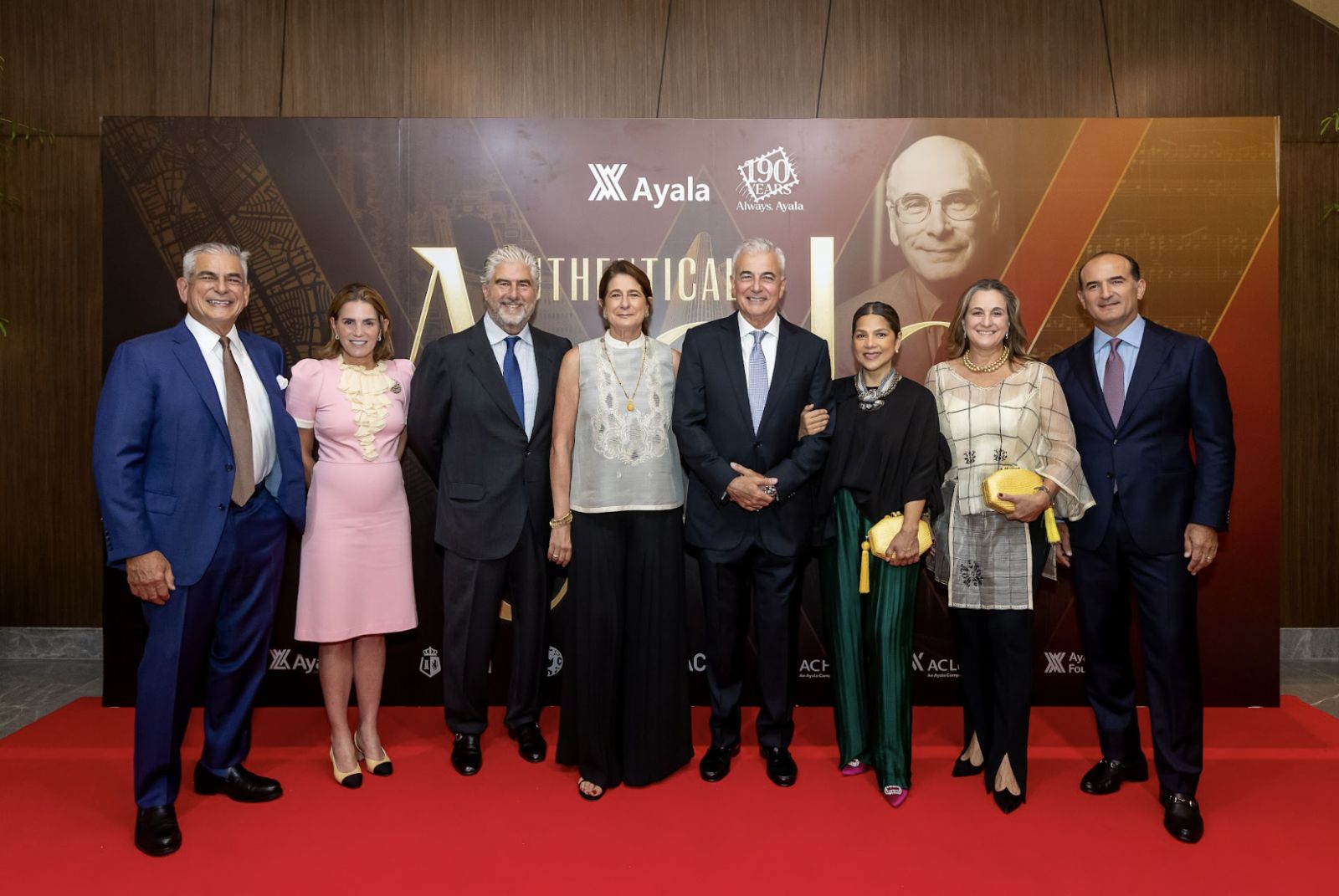
The family, led by Chairman Emeritus Jaime Zobel de Ayala and his sons Jaime Augusto and Fernando, has transitioned the company from a traditional landed estate into a modern powerhouse. Their strategy involves maintaining a controlling or significant minority stake in "crown jewel" subsidiaries while empowering professional, non-family executives to lead day-to-day operations. This "professionalization" of the family business is a key reason their net worth has remained stable and growing despite economic volatility.
Real Estate Dominance: Ayala Land, Inc. (ALI)
Ayala Land is arguably the most significant contributor to the family's valuation. Historically, the family transformed a swampy tract of land into what is now the Makati Central Business District (CBD). By 2026, this legacy has expanded into a nationwide portfolio of "estates"—integrated, mixed-use developments that combine residential, commercial, and retail spaces.
- Strategic Land Banking: Ayala Land’s net worth contribution is bolstered by its massive land bank, which includes prime locations in Bonifacio Global City (BGC), Nuvali, and emerging hubs in Central Luzon and Mindanao.
- The REIT Factor: The introduction and maturation of AREIT, the first Real Estate Investment Trust in the Philippines, has allowed the family to recycle capital efficiently. By listing income-generating assets, they have maintained liquidity while retaining control over the country's most valuable commercial real estate.
- Residential Diversification: From luxury brands like Ayala Land Premier to affordable housing through BellaVita, the company captures wealth across all socio-economic segments of the Philippine population.
Financial Powerhouse: Bank of the Philippine Islands (BPI)
The Bank of the Philippine Islands (BPI), founded in 1851, serves as the financial engine of the Ayala empire. As one of the largest banks in Southeast Asia by market capitalization, BPI provides a steady stream of dividends that significantly impact the Zobel de Ayala net worth.
In 2026, BPI’s value is driven by its successful digital transformation. The merger with Robinsons Bank, finalized in the preceding years, has expanded its retail footprint and deposit base. For the Zobel de Ayala family, BPI is more than just a source of wealth; it is a strategic tool that facilitates the financing of their other large-scale infrastructure and energy projects. The bank's focus on sustainable finance and SME lending has also aligned the family's wealth with the broader developmental goals of the Philippine government.
The Digital and Energy Pivot: Globe and ACEN
The 2026 valuation of the Ayala family reflects a successful pivot toward future-proof industries. While land and banking are traditional pillars, Globe Telecom and ACEN represent the modern growth engines of their portfolio.
Globe Telecom: Beyond Connectivity
Globe has evolved from a traditional telecommunications provider into a "techco." The massive success of GCash, the country's dominant mobile wallet and fintech platform, has added layers of "unrealized" value to the Ayala portfolio. As GCash prepares for potential international listings or further private funding rounds in 2026, the Zobel de Ayala stake in Globe becomes an increasingly digital-heavy asset.
ACEN: The Renewable Energy Transition
Perhaps the most significant shift in the family’s wealth strategy in the last decade has been the aggressive push into renewable energy through ACEN. The family made the high-stakes decision to divest from coal and pivot entirely to solar, wind, and battery storage.
- Regional Footprint: ACEN is no longer just a Philippine player; it has major assets in Australia, Vietnam, India, and Indonesia.
- Valuation Impact: As global capital increasingly flows toward ESG (Environmental, Social, and Governance) compliant companies, ACEN’s market valuation has seen a premium, directly boosting the family's collective net worth.
Comparative Portfolio Breakdown (Estimated 2026)
The following table outlines the primary sources of the Ayala Zobel wealth based on their major corporate holdings.
| Entity | Core Industry | Influence on Net Worth | Strategic Role in 2026 |
|---|---|---|---|
| Ayala Land (ALI) | Real Estate | High | Capital appreciation through mixed-use estates. |
| BPI | Banking | High | Consistent dividend yield and financial stability. |
| Globe Telecom | Tech & Telco | Medium-High | Fintech growth (GCash) and data services. |
| ACEN | Energy | High | Portfolio growth via renewable energy expansion. |
| AC Health | Healthcare | Emerging | Consolidation of clinics and pharma (Generika). |
| AC Logistics | Logistics | Emerging | Last-mile delivery and supply chain integration. |
Leadership and Succession: The Seventh Generation
Wealth preservation is often more difficult than wealth creation. The Zobel de Ayala family is currently navigating its seventh generation of leadership. Jaime Augusto Zobel de Ayala (JAZA) and Fernando Zobel de Ayala have spent the last few decades institutionalizing the "Ayala Way."
In 2026, the family continues to utilize a Family Council structure to manage the intersection of bloodline and business. This ensures that while individual members may have varying levels of involvement in the day-to-day operations of Ayala Corporation, the core net worth remains consolidated and protected against fragmentation. The family’s reputation for integrity and corporate governance also grants them a "trust premium" in the capital markets, allowing them to raise funds at lower costs than many of their peers.
Challenges to the Zobel de Ayala Net Worth
Despite their massive success, the family's net worth is not immune to risks. In 2026, several factors influence their financial trajectory:
- Regulatory Environment: As a conglomerate with interests in regulated utilities (water, power, telco), the family is sensitive to shifts in government policy and populist rhetoric regarding "oligarchs."
- Global Interest Rates: Since their businesses are capital-intensive (especially real estate and energy), high global interest rates can increase borrowing costs and dampen valuation multiples.
- Climate Risk: With a massive real estate portfolio, the physical risks of climate change—such as rising sea levels and intensified typhoons in the Philippines—require significant CAPEX for resilient infrastructure.
Philanthropy and Social Capital
The Zobel de Ayala family has long understood that their net worth is more sustainable if it is decoupled from the image of "extravagant wealth" and instead coupled with "national development." Through the Ayala Foundation, the family reinvests a portion of their earnings into education, arts, and sustainable livelihoods. This creates significant social capital, which acts as a protective buffer for their business interests and ensures the family remains a respected institution in Philippine society.
Expert Analysis: The "Conglomerate Discount" vs. "Ayala Premium"
In financial circles, many conglomerates suffer from a "conglomerate discount," where the market values the whole at less than the sum of its parts. However, Ayala Corporation often enjoys an "Ayala Premium." This is due to their transparency and the high quality of their underlying assets. Investors often view a stake in Ayala as a proxy for investing in the Philippine GDP itself.
Frequently Asked Questions
Who is the richest person in the Ayala family?
While Forbes typically lists Jaime Zobel de Ayala (the patriarch) as the primary billionaire representative, the wealth is held collectively through various holding companies and trusts. Jaime Augusto and Fernando Zobel de Ayala also hold significant individual assets, but they are generally viewed as a single economic unit for net worth rankings.
How does the Ayala net worth compare to the Sy family or Manuel Villar?
In 2026, the Sy family (SM Group) and Manuel Villar (Vista Land/Golden MV) often rank higher in terms of raw "liquid" billionaire status. However, the Ayala family’s wealth is considered more "institutionalized" and diversified across essential infrastructure, whereas the Sy wealth is more concentrated in retail and Villar’s in real estate and utilities.
What is the main source of the Ayala family's income?
The primary source of income is dividends from their majority stakes in Ayala Land and BPI. Additionally, the appreciation of their equity in growth sectors like ACEN (Renewable Energy) and Globe (Fintech) contributes significantly to their total net worth.
Does the family still own Manila Water?
As of 2026, the Ayala family has significantly reduced its economic interest in Manila Water. Following a series of regulatory challenges and a strategic partnership with the Razon Group, the family shifted its focus toward energy and healthcare, though they may still retain a minority legacy stake.
How can an average person invest in the Ayala wealth?
The most direct way is by purchasing shares of Ayala Corporation (PSE: AC) or its listed subsidiaries like ALI, BPI, or ACEN on the Philippine Stock Exchange. This allows retail investors to benefit from the same dividends and capital appreciation that drive the Zobel de Ayala net worth.
Practical Recommendation for Investors
If you are looking to align your portfolio with the Zobel de Ayala wealth strategy in 2026, focus on ACEN for long-term growth and BPI for stability. The family's pivot toward "green" and "digital" assets suggests that they are positioning their net worth to survive the transition to a low-carbon, cashless economy. Monitoring the capital expenditure (CAPEX) of Ayala Corporation provides the best roadmap for where the next billion dollars of Philippine wealth will be generated.
Image Gallery