Understanding Vinteccs ERP CRM Software Systems Tools
Vinteccs provides integrated software frameworks designed to unify Enterprise Resource Planning (ERP) and Customer Relationship Management (CRM) functions into a single digital ecosystem. These systems serve as the operational backbone...
Vinteccs provides integrated software frameworks designed to unify Enterprise Resource Planning (ERP) and Customer Relationship Management (CRM) functions into a single digital ecosystem. These systems serve as the operational backbone for businesses seeking to streamline internal workflows, manage complex supply chains, and maintain granular visibility over client lifecycles through centralized data management and automated reporting tools.
Contents
Defining the Vinteccs Ecosystem
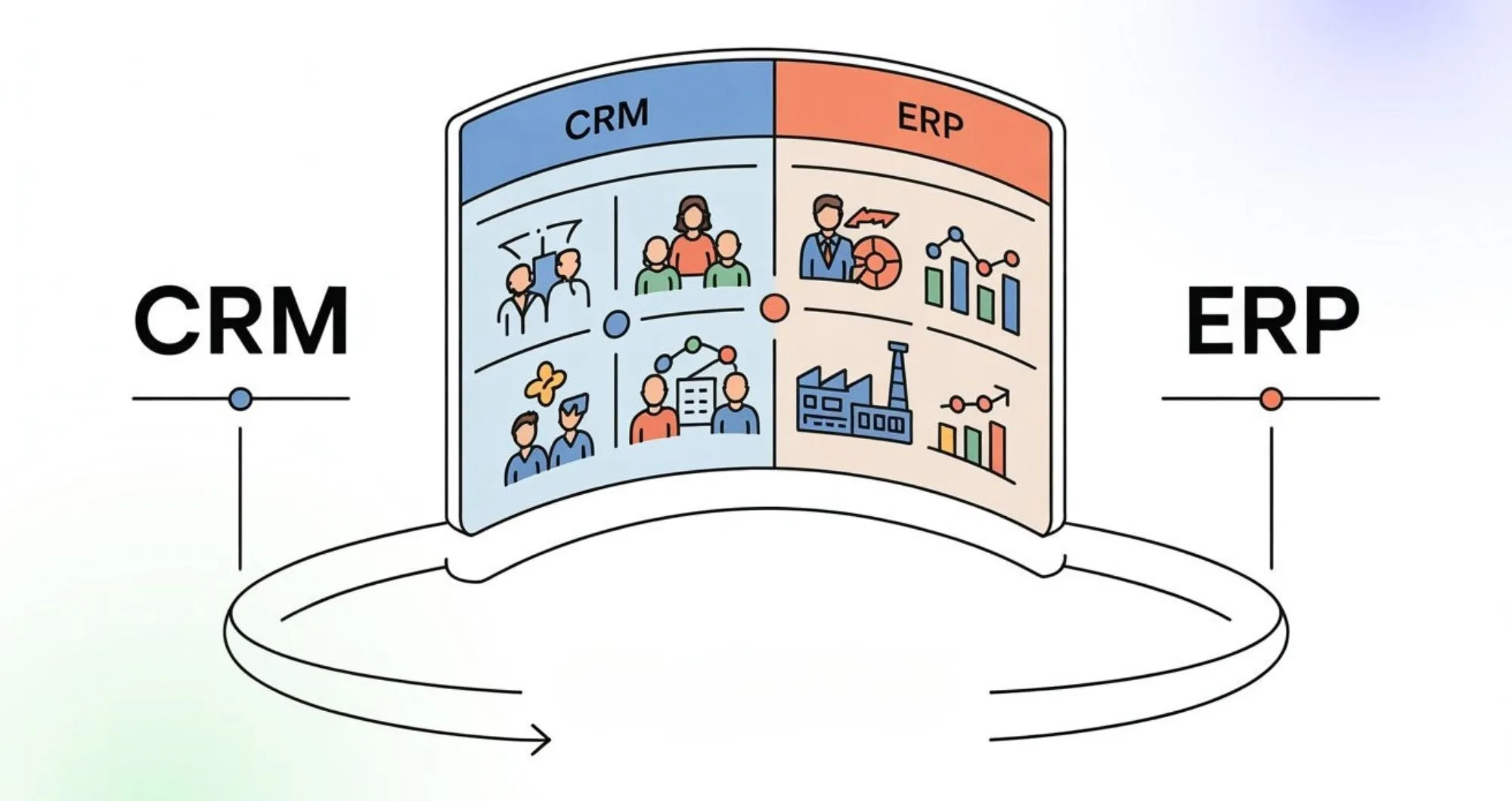
At its core, Vinteccs operates as a suite of modular applications configured to eliminate data silos. In many mid-to-large-scale enterprise environments, ERP and CRM functions often exist as disparate platforms, leading to "information friction" where inventory data does not communicate effectively with sales lead tracking. Vinteccs bridges this gap by offering a unified database architecture.
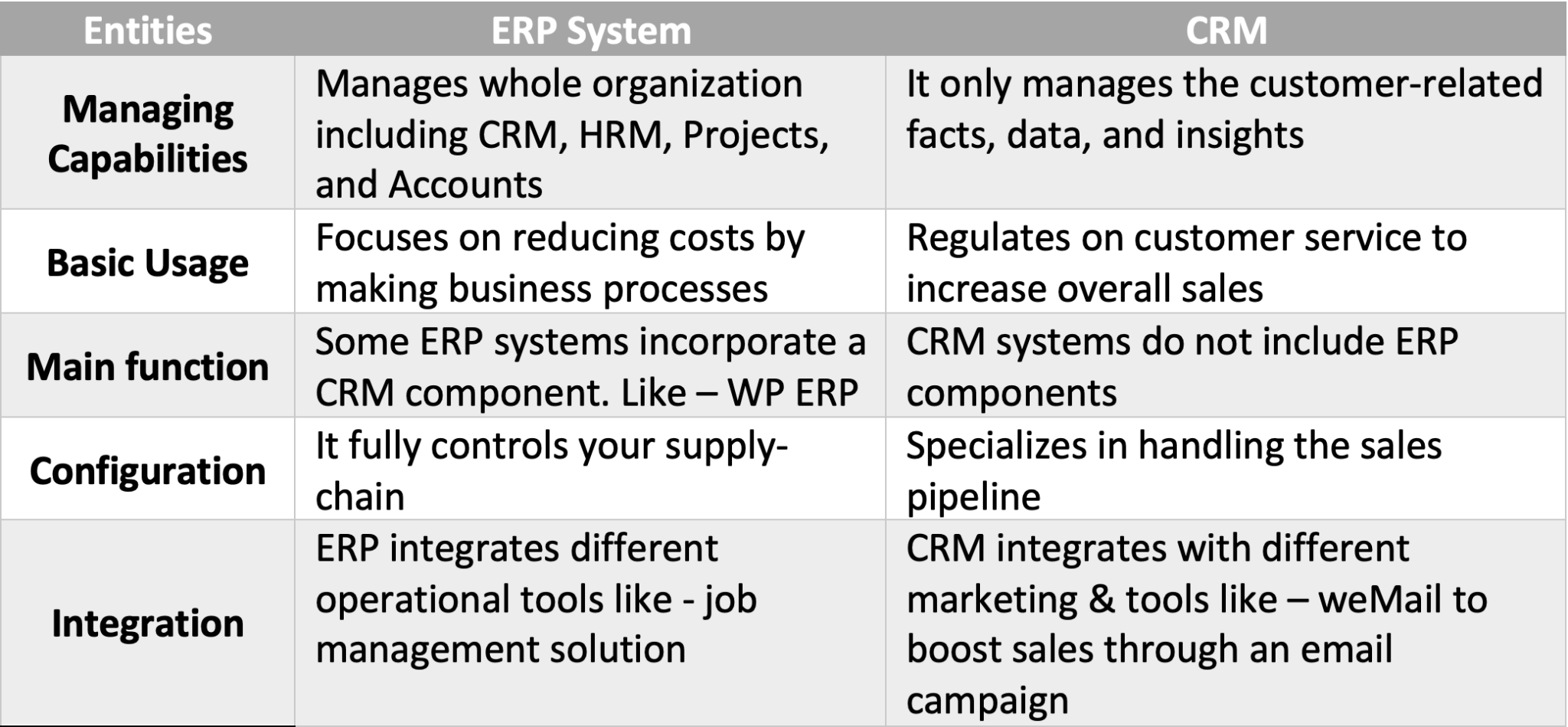
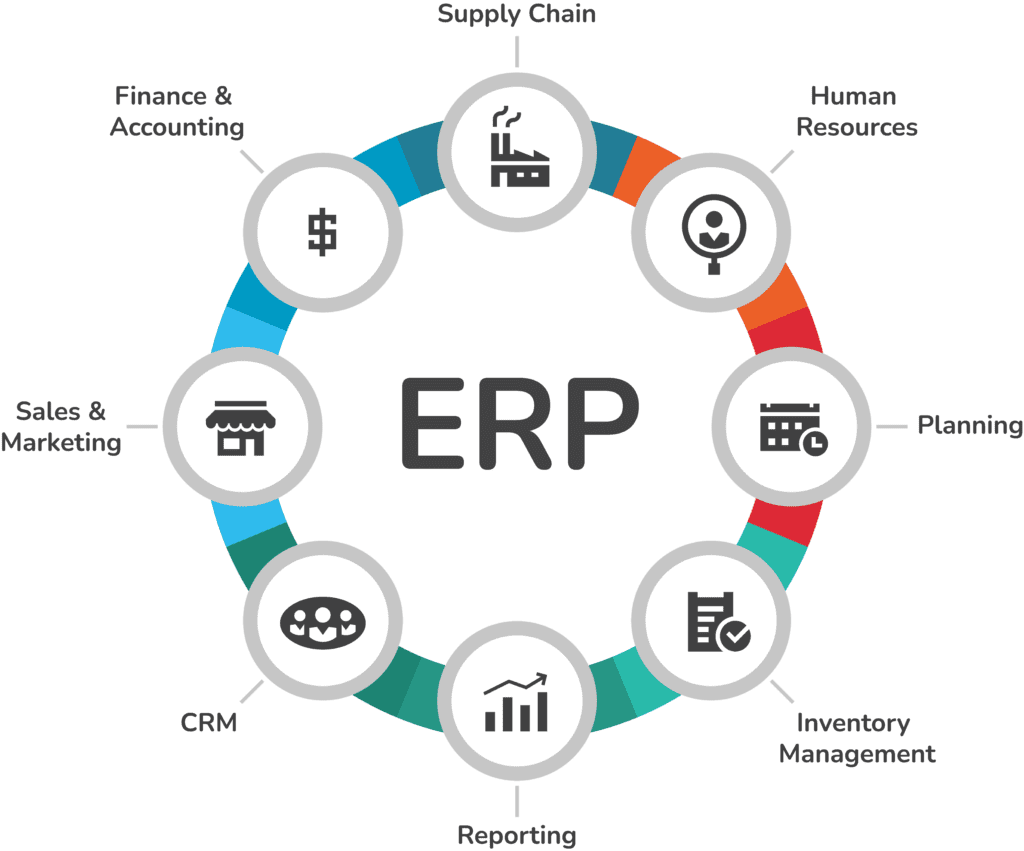
An ERP system typically handles the "back-office" operations—finance, human resources, inventory management, procurement, and production planning. Conversely, a CRM focuses on the "front-office"—managing interactions with current and potential customers, automating marketing workflows, and forecasting sales pipelines. When these systems are managed via Vinteccs tools, a company gains the ability to trigger real-time actions, such as automatically adjusting manufacturing schedules based on a surge in CRM-recorded sales orders.
Key Components of Vinteccs Software Suites
To effectively leverage these tools, administrators and stakeholders must understand the functional pillars that define the system’s utility. These modules are rarely deployed in isolation but are intended to interact to create a holistic business view.
1. Financial and Resource Planning (ERP)
The ERP component of the system tracks the movement of capital and assets. It encompasses general ledger accounting, accounts payable/receivable, and fixed asset management. Because this module is integrated with the wider suite, expenditures related to sales commissions or marketing campaigns are immediately reflected in the broader financial statements without requiring manual reconciliation.
2. Client Lifecycle Management (CRM)
The CRM module functions as the repository for all touchpoints between the company and the customer. It categorizes leads by source, industry, and conversion probability. In 2026, the emphasis within these tools has shifted toward predictive analytics, where the software uses historical interaction data to suggest the next best action for a sales representative.
3. Operational Automation
The "tools" aspect of Vinteccs refers to the workflow engines that allow for cross-departmental automation. For instance, once an opportunity is marked as "Closed-Won" in the CRM, the system can automatically initiate a purchase order for materials in the ERP, alert the logistics department, and generate an invoice in the accounting module.
Comparative Analysis of Integrated Systems
Selecting an integrated system versus modular, non-connected platforms involves balancing customization needs against operational efficiency. The following table highlights the operational impact of using integrated systems versus maintaining siloed environments.
| Feature | Integrated Vinteccs Suite | Siloed Software Environment |
|---|---|---|
| Data Synchronization | Real-time, automatic | Manual imports or third-party APIs |
| Single Source of Truth | Yes, centralized data | Fragmented, prone to duplicates |
| Reporting Latency | Near-zero, dynamic dashboards | High, requires data aggregation |
| Cost Structure | Consolidated license fees | Fragmented, variable vendor costs |
| Implementation | High initial complexity | Lower initial complexity |
Implementation Prerequisites and Considerations
Adopting or optimizing Vinteccs ERP and CRM tools requires a disciplined approach to data governance. Before moving data into the environment, organizations must ensure their existing datasets are cleansed and standardized.
- Data Mapping: Define how data fields in legacy systems translate to Vinteccs objects. A "Client" in an old system might be categorized differently in the new architecture; failing to map these accurately results in reporting errors.
- Access Control: Define granular roles for users. ERP modules usually require strict financial controls and "separation of duties," while CRM modules require broader access for sales teams.
- Integration Testing: Before a full-scale deployment, organizations must perform stress tests on the API endpoints that connect the ERP and CRM modules. This ensures that a spike in CRM traffic does not negatively impact the performance of core ERP financial functions.
Overcoming Common Operational Challenges
Organizations often struggle with the "user adoption gap," where employees revert to manual spreadsheets rather than utilizing the software. This typically stems from a lack of tailored training or over-complication of the user interface (UI).
To mitigate this, administrators should focus on simplifying the dashboard for specific roles. A salesperson should not see complex general ledger configurations; they should only see the CRM pipeline tools necessary for their daily tasks. By trimming the interface to show only relevant tools, organizations can increase system engagement.
Additionally, technical debt can occur if an organization heavily customizes the core Vinteccs code. Customizations make future updates more difficult and costly. Wherever possible, it is recommended to utilize the system's "out-of-the-box" configuration settings and custom fields rather than altering the underlying program logic.
Frequently Asked Questions
How does Vinteccs handle data security between the ERP and CRM? Vinteccs utilizes role-based access control (RBAC) to ensure that sensitive financial or human resources data within the ERP is hidden from users who only require access to the CRM interface. Encryption protocols are applied at the database level to maintain compliance with regional data protection standards.
Can Vinteccs be integrated with third-party legacy software? Yes, though integration depends on the availability of supported APIs. The system is designed to act as a hub, meaning it can ingest data from external platforms, provided the data formats are compatible or can be transformed through middle-ware connectors.
What is the typical timeline for an enterprise-wide deployment? Deployment timelines vary based on the scale of the organization. A mid-sized deployment generally requires 6 to 12 months, including data migration, configuration, user acceptance testing (UAT), and full-scale staff training.
How does the system ensure data accuracy across departments? By using a master data management approach, Vinteccs ensures that an update to a record in one module (such as a customer's address) is pushed globally across the system. This prevents the "multiple versions of the truth" problem common in non-integrated environments.
Is it possible to scale the toolset as the company grows? Vinteccs is designed for modular scaling. Organizations can start by implementing the core ERP financial functions and gradually add specialized CRM or inventory management modules as business requirements expand.
Strategic Next Actions
To move forward with Vinteccs ERP and CRM systems, technical leads should first conduct a comprehensive audit of their current software stack to identify redundant functions. Once the gaps are identified, map these against the specific modules offered within the Vinteccs suite. Consult with internal stakeholders to establish KPIs—such as "order-to-cash cycle time" or "lead-to-conversion rate"—that the software is intended to improve. These metrics will serve as the benchmark for evaluating the software's performance following the implementation phase. Prioritize a phased rollout, beginning with the department that experiences the highest friction under the current, non-integrated workflow.
Image Gallery