How to Set Up a Sole Proprietorship in Texas: A Step-by-Step Guide
To set up a sole proprietorship in Texas, you must choose a business name, file an Assumed Name Certificate (DBA) with the County Clerk in the county where you operate, and obtain a Texas Sales and Use Tax Permit from the Comptroller i...
To set up a sole proprietorship in Texas, you must choose a business name, file an Assumed Name Certificate (DBA) with the County Clerk in the county where you operate, and obtain a Texas Sales and Use Tax Permit from the Comptroller if selling taxable goods. No formal state-level incorporation is required.
Contents
The sole proprietorship remains the most popular business structure for new entrepreneurs in Texas due to its simplicity and low cost of entry. In 2026, the process remains streamlined, allowing individuals to transition from a hobby or freelance gig to a recognized business entity within a few days. Unlike a Limited Liability Company (LLC) or a corporation, a sole proprietorship is not a legal entity separate from the owner. You and the business are one and the same for tax and legal purposes. This guide provides the comprehensive steps required to navigate the Texas regulatory landscape and ensure your new venture is compliant with both state and local laws.
Understanding the Sole Proprietorship Model in Texas
Before filing paperwork, it is vital to understand the legal nature of this structure. In Texas, a sole proprietorship is an unincorporated business owned and operated by one person. There is no formal "creation" filing with the Texas Secretary of State to exist as a sole proprietorship; the entity is created automatically when you begin engaging in business activities.
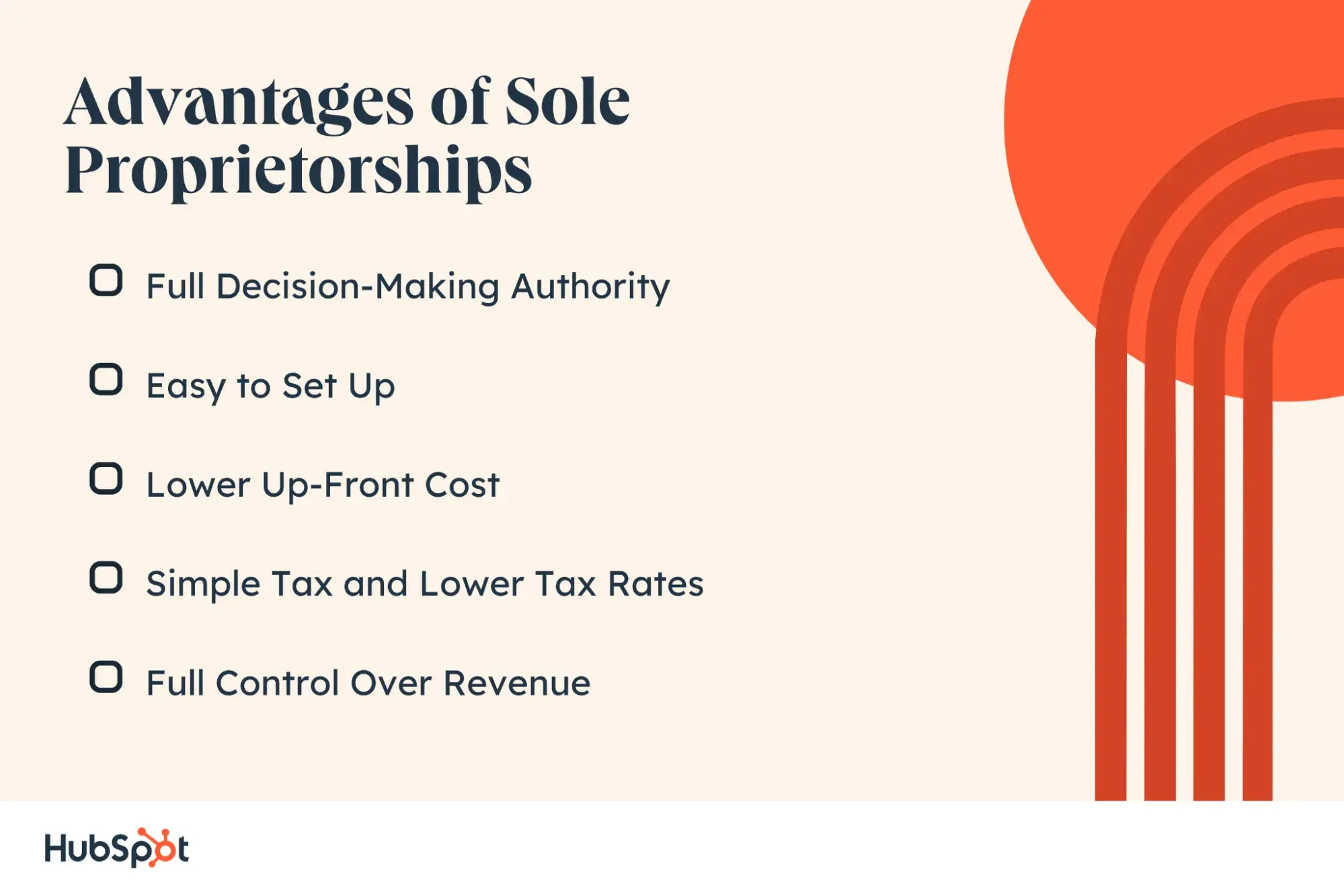
The primary advantage is simplicity. You have total control over all decisions, and the "pass-through" taxation means business income is reported on your personal federal tax return (Form 1040, Schedule C). However, the primary disadvantage is unlimited personal liability. Because the law sees no distinction between you and the business, your personal assets—such as your home, car, and personal bank accounts—can be seized to satisfy business debts or legal judgments. For this reason, many Texas business owners eventually transition to an LLC once their revenue or risk profile increases.
Step 1: Selecting and Verifying Your Business Name
The first practical step is deciding what your business will be called. In Texas, you have two options:
- Legal Name: You can operate under your own surname (e.g., "John Smith"). If you use your full legal name, you generally do not need to register a business name.
- Assumed Name (DBA): If you wish to operate under any name other than your own legal surname (e.g., "Lone Star Consulting" or "Smith’s Plumbing"), you must register a Doing Business As (DBA) name, officially known in Texas as an Assumed Name Certificate.
Conducting a Name Search
Before filing, you must ensure the name is not already in use by another entity in a way that could cause confusion. You should perform a search in three places:
- County Records: Search the records of the County Clerk in the county where you intend to do business.
- Texas Secretary of State (SOSDirect): While sole proprietors don't register with the SOS, you should check their database to ensure an LLC or Corporation hasn't already claimed the name.
- U.S. Patent and Trademark Office (USPTO): Check for federal trademarks to avoid national legal disputes.
Step 2: Filing Your Assumed Name Certificate (DBA)
If you have chosen a name other than your own, you must file an Assumed Name Certificate. In Texas, sole proprietors file this at the county level, not the state level. If your business will have a physical office or premises in a specific county, you file there. If you do not have a fixed business premise, you file in every county where you conduct business.
The Filing Process
- Obtain the Form: Most Texas County Clerks provide the Assumed Name Certificate form on their official website.
- Notarization: Texas law requires these forms to be notarized. You must sign the document in the presence of a notary public.
- Submit and Pay Fees: As of 2026, filing fees typically range from $15 to $50 per county, depending on local ordinances and the number of owners listed.
- Duration: An Assumed Name Certificate in Texas is valid for 10 years. You must monitor this expiration date and file a renewal to maintain legal rights to the name.
Step 3: Obtaining a Federal Employer Identification Number (EIN)
While the IRS allows sole proprietors without employees to use their Social Security Number (SSN) for tax purposes, obtaining an Employer Identification Number (EIN) is highly recommended. An EIN acts like a Social Security Number for your business.
Why You Need an EIN
- Privacy: It allows you to provide a business ID to clients and vendors instead of your personal SSN.
- Banking: Most Texas banks require an EIN to open a dedicated business checking account.
- Hiring: If you plan to hire employees in 2026, the IRS requires you to have an EIN for payroll tax reporting.
- Keogh Plans: If you set up a specialized retirement plan, an EIN is often mandatory.
You can apply for an EIN for free through the official IRS website. The process is instantaneous, providing you with a confirmation letter immediately upon completion of the online application.
Step 4: Texas State Tax Registration
Texas does not have a state personal income tax, which is a significant benefit for sole proprietors. However, you are still subject to other state-level taxes and requirements managed by the Texas Comptroller of Public Accounts.
Sales and Use Tax Permit
If you sell, lease, or rent "tangible personal property" or provide taxable services in Texas, you must obtain a Sales and Use Tax Permit. This permit allows you to collect sales tax from customers, which you then remit to the state.
- Cost: There is no fee to apply for the permit.
- Nexus: If you are operating from a home office in Texas, you have "physical nexus" and must comply with local tax rates based on your location.
Franchise Tax Note
The Texas Franchise Tax is a "privilege tax" imposed on each taxable entity formed or organized in Texas. Generally, sole proprietorships are not subject to the Texas Franchise Tax unless they are organized as a limited liability entity. This remains a key reason for the structure's low overhead in 2026.
Step 5: Local Licenses and Permits
Depending on your industry and location, you may need specific permits to operate legally within your city or county. Texas does not have a single, "general" business license that covers every type of company, so you must investigate local requirements.
- Zoning Permits: If you are running a business out of your home in cities like Austin, Houston, or Dallas, check local zoning ordinances to ensure "home occupation" is permitted.
- Health Permits: Required for businesses involving food preparation or certain personal services (e.g., tattooing or hair salons).
- Professional Licenses: Occupations such as electricians, HVAC technicians, cosmetologists, and accountants are regulated by the Texas Department of Licensing and Regulation (TDLR) or specific state boards.
Business Structure Comparison (Texas 2026)
| Feature | Sole Proprietorship | Limited Liability Company (LLC) | General Partnership |
|---|---|---|---|
| Formation Filing | None (County DBA only) | Secretary of State (Form 205) | None (County DBA only) |
| Initial State Cost | ~$15 - $50 (County) | $300 (State Fee) | ~$15 - $50 (County) |
| Liability Protection | None (Personal assets at risk) | Full (Assets generally protected) | None (Joint/Several Liability) |
| Management | Owner Only | Members or Managers | Two or more partners |
| Annual Reporting | None | Public Information Report (PIR) | None |
| Income Tax | Personal Return (Schedule C) | Pass-through or Corporate | Personal Return (Schedule K-1) |
Step 6: Financial and Risk Management
Once the legal paperwork is complete, you must set up the operational infrastructure to protect yourself and your business.
Open a Business Bank Account
Never commingle your personal and business funds. Even though a sole proprietorship is not a separate legal entity, maintaining separate accounts is essential for accurate bookkeeping and tax preparation. It also demonstrates a professional image to your clients. To open an account in Texas, you will typically need your Assumed Name Certificate and your EIN.
Secure Business Insurance
Because a sole proprietorship offers no liability protection, insurance is your primary line of defense.
- General Liability Insurance: Protects against claims of bodily injury or property damage.
- Professional Liability (E&O): Essential for consultants and service providers to protect against claims of negligence.
- Workers' Compensation: In Texas, workers' comp is optional for most private employers, but it is highly recommended if you hire staff to avoid direct lawsuits from injured workers.
Common Pitfalls to Avoid in Texas
- Forgetting the Notary: Many entrepreneurs mail their DBA forms to the County Clerk without a notary seal. These will be rejected, delaying your startup timeline.
- Ignoring Municipal Ordinances: Just because the state doesn't require a license doesn't mean your city won't. Check with your City Hall for "Certificate of Occupancy" requirements.
- Underestimating Use Tax: If you buy equipment for your business from out-of-state vendors who don't charge sales tax, you are legally required to report and pay Use Tax to the Texas Comptroller.
- Neglecting the "Public Notice": While not required for sole proprietors in all Texas counties, some jurisdictions or specific industries may require a notice of the assumed name to be published in a local newspaper. Always verify the specific instructions on your County Clerk’s website.
FAQs
Do I need to register with the Texas Secretary of State for a sole proprietorship?
No. Sole proprietorships do not file formation documents with the Secretary of State. You only interact with the state level for tax permits (Comptroller) or professional licensing. Your business name registration (DBA) happens entirely at the county level.
Can I have employees as a sole proprietor in Texas?
Yes. There is no limit to the number of employees a sole proprietorship can have. However, once you hire your first employee, you must register for an EIN with the IRS and report the new hire to the Texas Employer New Hire Reporting Program. You will also be responsible for unemployment taxes (TWC).
How much does it cost to start a sole proprietorship in Texas in 2026?
The cost is very low, usually under $100. This includes the County Clerk filing fee for your DBA ($15–$50) and a small fee for a notary public. There is no fee for a Texas Sales Tax Permit or a federal EIN.
Is a sole proprietorship the same as being a 1099 independent contractor?
In many ways, yes. An independent contractor is a sole proprietor in the eyes of the law unless they have formed an LLC or corporation. If you are receiving 1099-NEC forms for your work, you are operating as a sole proprietor and should follow the registration steps (like getting a DBA) to operate professionally.
Do I have to renew my Texas DBA?
Yes. An Assumed Name Certificate in Texas expires after 10 years. If you continue to use the name after expiration without renewing it, you lose the legal right to that name, and someone else could potentially register it.
Practical Recommendation
If you are ready to launch, your first action should be to visit the official website of the County Clerk in your primary county of operation. Download the Assumed Name Certificate and find a local notary—many banks provide notary services for free to their members. Once your DBA is filed, immediately apply for your EIN on the IRS website to ensure you can open a business bank account the same day. This separation of finances is the single most important step you can take to manage the inherent risks of a sole proprietorship.
Image Gallery