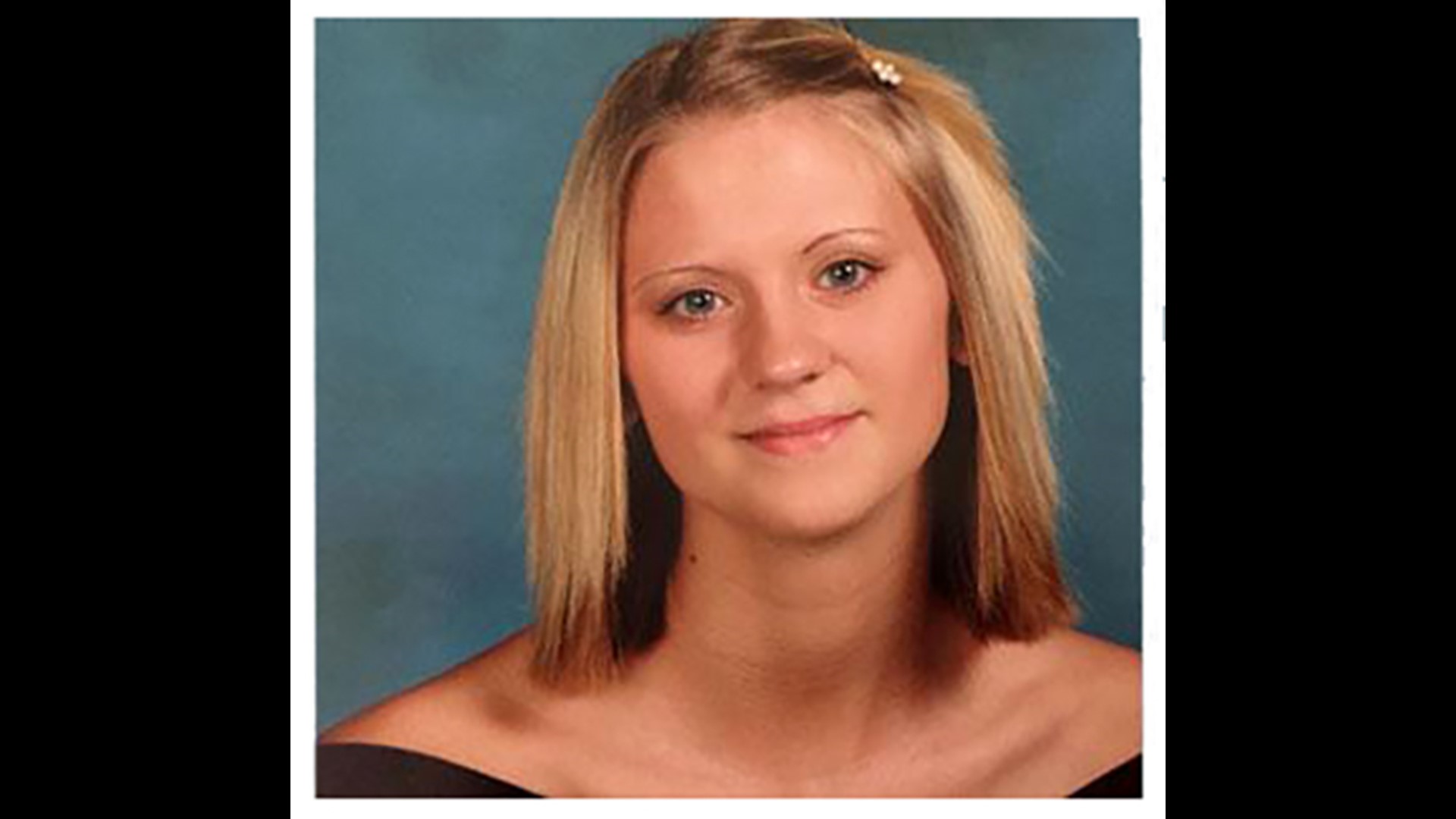
Jessica Chambers: The Legacy of a Trailblazing Spirit and the Evolution of Forensic Justice
In 2026, the legacy of Jessica Chambers serves as a profound symbol of community resilience and a catalyst for trailblazing advancements in digital forensic science. Her story, which began with a horrific tragedy in 2014, has evolved i...
In 2026, the legacy of Jessica Chambers serves as a profound symbol of community resilience and a catalyst for trailblazing advancements in digital forensic science. Her story, which began with a horrific tragedy in 2014, has evolved into a landmark case study that redefined how law enforcement utilizes mobile data and community advocacy to pursue justice in the face of insurmountable odds.
Contents
The Life and "Trailblazing Spirit" of Jessica Chambers
To understand the phrase "trailblazing spirit" in the context of Jessica Chambers, one must look beyond the headlines of her 2014 death in Courtland, Mississippi. Born in 1995, Jessica was described by those who knew her as a vibrant, determined young woman. A former cheerleader at South Panola High School, her "spirit" was defined by her ability to bridge social divides in a small, often segregated Southern town.
In the decade and a half following her passing, the term "trailblazing" has been used to describe the path her memory has carved through the American legal system. Her family and the Panola County community refused to let her case go cold, sparking a "spirit of justice" that eventually led to the implementation of new victim advocacy protocols across the state of Mississippi. By 2026, the Jessica Chambers Memorial Foundation has become a cornerstone for providing scholarships to students who embody her same tenacity and for supporting rural first responders who lack the equipment necessary for complex crime scene investigations.
The Forensic Turning Point: A Trailblazing Shift in Digital Investigation
The investigation into the death of Jessica Chambers was "trailblazing" for its early and intensive use of Cell Site Location Information (CSLI). At the time of the initial investigation, the technology used to track a suspect’s movements via cell tower "pings" was still an emerging field in rural law enforcement.
The case against Quinton Tellis relied heavily on a digital "breadcrumb trail." Investigators collaborated with the FBI's Cellular Analysis Survey Team (CAST) to reconstruct a second-by-second timeline of the night of December 6, 2014. This was one of the first high-profile cases where "Google Location History" and GPS metadata from a third-party application were used to directly contradict a suspect’s alibi.
By 2026, the methodologies developed during the Chambers investigation—specifically the integration of Y-STR DNA analysis (which identifies male DNA on contaminated or multi-person samples) and advanced geolocation—have become the gold standard for cold case units nationwide.
Technical Evolution of Forensics: 2014 vs. 2026
| Forensic Methodology | Application in Chambers Case (2014-2018) | Current Standard (2026) |
|---|---|---|
| Cell Site Location (CSLI) | Used to place suspect and victim in the same vicinity via tower pings. | High-definition "small cell" mapping providing sub-10 meter accuracy. |
| DNA Extraction | Y-STR DNA found on a car key, proving male presence but not specific identity. | Rapid DNA Sequencing capable of processing complex mixtures in under 90 minutes. |
| Digital Footprint | Manual recovery of deleted text messages and social media logins. | AI-driven "Digital Mirroring" that reconstructs encrypted communications from cloud backups. |
| Arson Forensics | Analysis of accelerant residue on the victim’s clothing and vehicle. | Atmospheric Residue Sensors that detect microscopic chemical signatures days after an event. |
The Legal Journey: Trials, Mistrials, and Precedent
The legal proceedings following the "trailblazing spirit" of the investigation were as complex as the forensics. Quinton Tellis was tried twice for the murder of Jessica Chambers (in 2017 and 2018), with both trials ending in hung juries. The central point of contention was the "dying declaration"—the words Jessica allegedly spoke to first responders before she succumbed to her injuries.
The debate over whether she said "Eric" or "Quinton" became a landmark discussion in legal circles regarding the admissibility and weight of dying declarations when the victim is in a state of extreme physical trauma. By 2026, this case is taught in law schools as a primary example of the "Reliability vs. Admissibility" gap in criminal law.
Furthermore, the legal fallout from the Chambers case led to more stringent requirements for "discovery" in Mississippi, ensuring that both the prosecution and defense have equal access to complex digital forensic reports well before a trial begins. This shift has been described as a trailblazing move toward more equitable judicial proceedings in the Deep South.
Legislative Impact: "Jessica’s Law" and Victim Rights
Beyond the courtroom, the "spirit" of Jessica Chambers ignited legislative change. In the years following the trials, Mississippi and several neighboring states introduced versions of "Jessica’s Law," aimed at increasing the penalties for crimes involving extreme physical torture and arson.
The legislation also focused on the protection of victims' families during high-profile "media circus" trials. The "trailblazing" aspect of this legislation was the creation of a Victim Privacy Shield, which allows families to limit the public release of graphic forensic images while still maintaining the transparency of the judicial process. This balance was a direct response to the way Jessica’s images were circulated on social media, a move that the 2026 legal community recognizes as a vital step in modernizing the Bill of Rights for the digital age.
The Enduring Spirit: Community and Cultural Impact
In 2026, the town of Courtland, Mississippi, remains a site of pilgrimage for those moved by Jessica's story. The "spirit" mentioned in the article title refers to the "Justice for Jessica" movement, which was one of the first grassroots social media campaigns to successfully bridge the gap between "online sleuthing" and actual boots-on-the-ground advocacy.
While the "sleuthing" community was often criticized for spreading misinformation, it also kept the case in the national spotlight, forcing state officials to dedicate resources that a small town could never afford. This led to the 2026 implementation of Statewide Investigative Task Forces, which are now automatically triggered when a rural municipality faces a crime of this technical magnitude.
Technical Specifications of the Investigation Tools
For researchers and legal professionals looking at the technical side of why this case was "trailblazing," the following specifications outline the tools that changed the landscape of the investigation:
- Cellbrite Physical Analyzer: Used to extract data from Jessica’s severely damaged phone. It bypassed locks to retrieve 2D location data that was crucial for the initial timeline.
- FBI CAST Software: A proprietary tool used to map cellular signal propagation. In this case, it proved that the suspect’s phone and Jessica’s phone were likely moving in tandem.
- GC-MS (Gas Chromatography-Mass Spectrometry): Used by state arson investigators to identify the exact grade of gasoline used, which helped link the accelerant to local gas stations.
Summary of the "Trailblazing" Legacy
The phrase "Jessica Chambers burns a trailblazing spirit" serves as a metaphor for a light that could not be extinguished. While the "burns" refers to the tragic method of her death, the "trailblazing spirit" refers to:
- The technological breakthroughs in CSLI and DNA analysis.
- The legislative changes protecting victims of torture and arson.
- The community resilience that turned a local tragedy into a national movement for justice.
Frequently Asked Questions
Who was Jessica Chambers? Jessica Chambers was a 19-year-old from Courtland, Mississippi, whose 2014 death sparked a national conversation about rural crime, race relations, and forensic science. She was a former cheerleader known for her vibrant personality and "trailblazing spirit."
Was anyone ever convicted in the Jessica Chambers case? As of 2026, Quinton Tellis remains the primary person of interest. His two trials for capital murder ended in mistrials due to hung juries. He has faced separate legal challenges in Louisiana, but a definitive conviction in the Mississippi case has remained elusive due to the complexity of the evidence.
What is the "trailblazing" technology used in this case? The case was a pioneer in using Cell Site Location Information (CSLI) and third-party app GPS data to map a suspect's location. This "trailblazing" use of digital breadcrumbs is now a standard practice in modern criminal investigations.
What does the Jessica Chambers Memorial Foundation do? The foundation focuses on supporting education through scholarships and providing training and equipment to first responders in rural areas, ensuring that the "spirit" of the community remains strong and prepared for future challenges.
Is the Jessica Chambers case still active in 2026? While not currently in active trial, the case is considered an "open" investigation in Mississippi. It is frequently reviewed by cold case units using 2026-era forensic technology, such as AI-driven DNA re-sequencing, in hopes of finding new, conclusive evidence.
Practical Recommendation for Next Actions
For those interested in the technical or legal aspects of this case, the next logical step is to review the FBI’s Cellular Analysis Survey Team (CAST) Field Manual, which was significantly updated following the lessons learned from the Chambers trials. Additionally, legal professionals should examine the Mississippi Rules of Evidence Section 804(b)(2) regarding dying declarations to understand how this case continues to shape the interpretation of a victim’s final words.
Image Gallery