High-Performing Email Subject Line Examples for Campaign and Triggered Emails in 2026
Effective email subject lines serve as the critical gateway between a crowded inbox and a meaningful customer conversion. Campaign subject lines drive mass engagement through urgency and broad appeal, while triggered subject lines util...
Effective email subject lines serve as the critical gateway between a crowded inbox and a meaningful customer conversion. Campaign subject lines drive mass engagement through urgency and broad appeal, while triggered subject lines utilize real-time behavioral data to deliver highly relevant, automated responses. Mastering both requires a strategic blend of psychological triggers, data-driven personalization, and strict adherence to modern deliverability standards.
Contents
Understanding the Fundamental Split: Campaign vs. Triggered Emails
In the 2026 marketing ecosystem, the distinction between campaign and triggered emails has never been more vital for maintaining sender reputation and maximizing Return on Investment (ROI). While both formats aim to drive action, their psychological foundations and technical execution differ significantly.
Campaign emails are "one-to-many" broadcasts. These are scheduled events—such as weekly newsletters, seasonal sales, or product launches—sent to a large segment of your audience simultaneously. The subject lines for these emails must compete for attention against hundreds of other promotional messages. They rely heavily on curiosity, urgency, and brand voice to stand out.
Triggered emails, conversely, are "one-to-one" communications. These are automated messages sent in response to a specific action or lack thereof—such as a user signing up for a list, abandoning a shopping cart, or reaching a subscription anniversary. Because these emails are contextually relevant to the recipient's immediate behavior, they typically see open rates 2x to 3x higher than standard campaigns. Their subject lines must be clear, service-oriented, and highly personalized to capitalize on that existing momentum.
Strategic Campaign Subject Line Examples and Best Practices
Campaign subject lines must work hard to bridge the gap between a brand's goals and the subscriber's interests. In 2026, generic "Newsletter #45" titles are obsolete. Success now hinges on specificity and the "What's in it for me?" (WIIFM) factor.
Seasonal and Holiday Promotions
Holiday campaigns are the most competitive periods for the inbox. To succeed, your subject line must offer immediate value or a unique perspective that bypasses the noise of standard discounts.
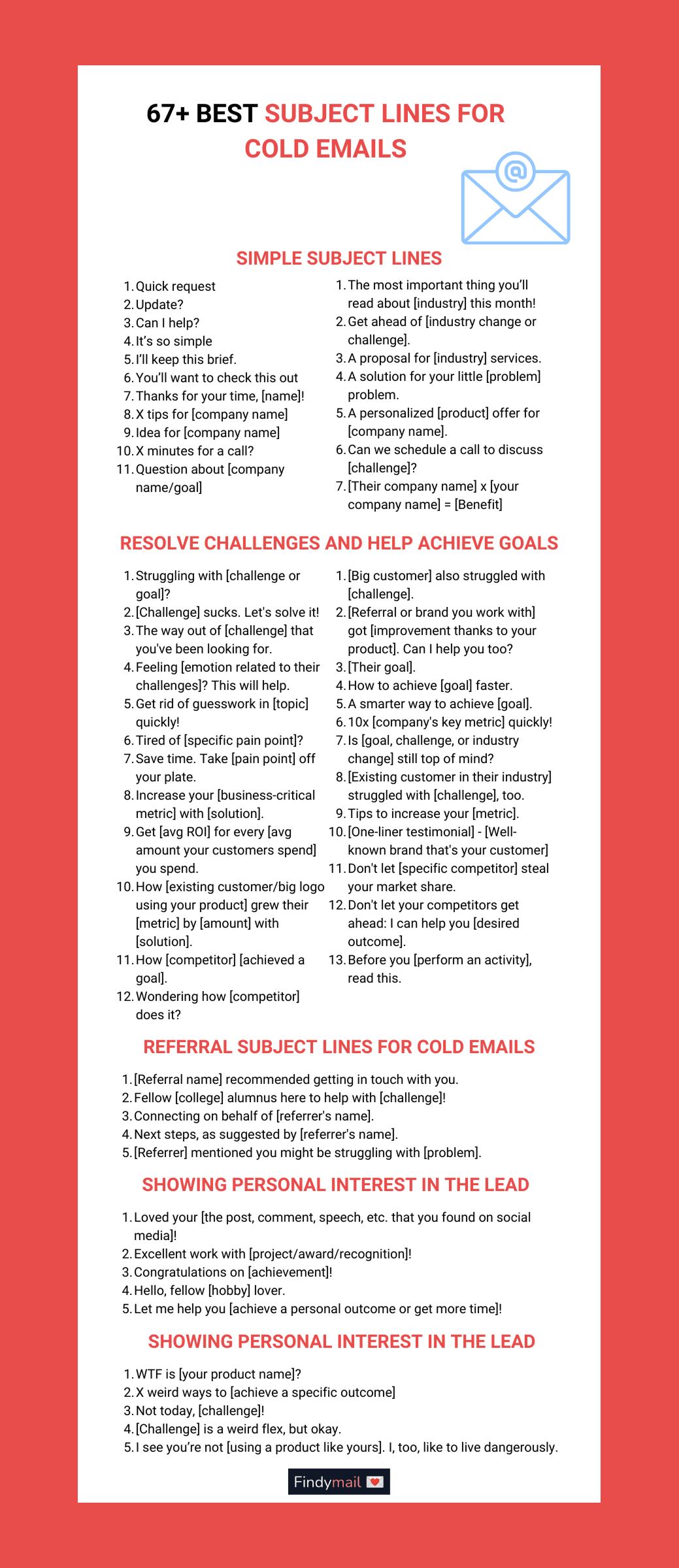
- Example 1: "Your 2026 Summer Travel Guide + Early Bird Access"
- Example 2: "The Gift Guide for People Who Have Everything (Inside)"
- Example 3: "Final Hours: Our Black Friday Tiered Rewards End at Midnight"
Why they work: These examples use a mix of utility (the travel guide) and exclusivity (early bird access). The tiered rewards mention creates a sense of a "game" or progression, which increases engagement more than a flat percentage-off announcement.
Content Newsletters and Value-Based Emails
For regular newsletters, the goal is to establish a habit. The subject line should promise a specific takeaway that justifies the time spent reading.
- Example 1: "3 Ways to Optimize Your Remote Workflow This Week"
- Example 2: "Case Study: How [Company X] Scaled to $1M Using Our Framework"
- Example 3: "The 2026 Industry Report: What We Learned from 5,000 Users"
Why they work: Numbers and social proof (case studies) provide a concrete expectation of value. By focusing on a "How-To" or "Report" format, you position your brand as an authority rather than just another vendor.
Flash Sales and Urgency-Driven Campaigns
Urgency remains a powerful motivator, but it must be used sparingly to avoid "urgency fatigue" among your subscribers.
- Example 1: "Surprise! 40% Off Everything – Ends in 4 Hours"
- Example 2: "Wait, did you see this? Your exclusive flash sale expires tonight."
- Example 3: "Last Call: The Winter Collection is Moving to Clearance"
Why they work: The use of specific timeframes (4 hours, tonight) creates a psychological "ticking clock." The second example uses a conversational "Wait, did you see this?" which mimics the tone of a personal email, often resulting in higher initial clicks.
High-Conversion Triggered Email Subject Line Examples
Triggered emails are the workhorses of marketing automation. Because they are expected by the user (or at least relevant to their recent actions), the subject lines should prioritize clarity and "next-step" instructions.
Abandoned Cart and Browse Abandonment
These are perhaps the most profitable emails in an e-commerce arsenal. The subject line should be a gentle nudge rather than a high-pressure sales pitch.
- Example 1: "Still thinking about it? We saved your cart for you."
- Example 2: "Complete your purchase and get free shipping (24 hours only)"
- Example 3: "Your [Product Name] is waiting. See what others are saying."
Why they work: Mentioning the specific product name via dynamic tags is crucial in 2026. The second example adds a "sweetener" (free shipping) to lower the barrier to conversion, while the third leverages social proof to resolve any lingering buyer hesitation.
Welcome and Onboarding Series
The welcome email is the first impression. It should be warm, informative, and deliver on the promise made during sign-up.
- Example 1: "Welcome to the family! Here’s 15% off your first order."
- Example 2: "You're in! Let’s get your profile set up in 3 easy steps."
- Example 3: "Hi [Name], here is the [Ebook/Guide] you requested."
Why they work: Directness is key here. Users are often looking specifically for these emails to get a discount code or a download link. Using "3 easy steps" reduces the perceived effort of getting started with a new service.
Re-engagement (Win-Back) Campaigns
When a subscriber stops opening your emails, a re-engagement trigger is the last line of defense before they are purged from your list to protect deliverability.
- Example 1: "Is this goodbye? We miss you, [Name]."
- Example 2: "We’ve changed! Come see what’s new at [Brand Name]."
- Example 3: "Last chance: We’re removing inactive subscribers. Stay on the list?"
Why they work: Emotional appeals ("We miss you") can work for B2C, while the "Stay on the list?" approach is highly effective for B2B lists where data hygiene is a priority. It forces a micro-decision that re-establishes the relationship.
Technical Optimization: AI and Deliverability in 2026
Writing a great subject line is only half the battle; ensuring it reaches the inbox and is visible on various devices is the other. In 2026, technical nuances carry more weight than ever.
The Role of Predictive AI
By 2026, most mid-to-large scale email service providers (ESPs) have integrated predictive AI that analyzes your specific audience's past behavior to suggest subject lines. These tools don't just check for keywords; they analyze sentiment, length, and emoji placement. When using these tools, ensure you are testing AI-generated variants against human-written ones to maintain a consistent brand voice.
Character Counts and the "Mobile-First" Rule
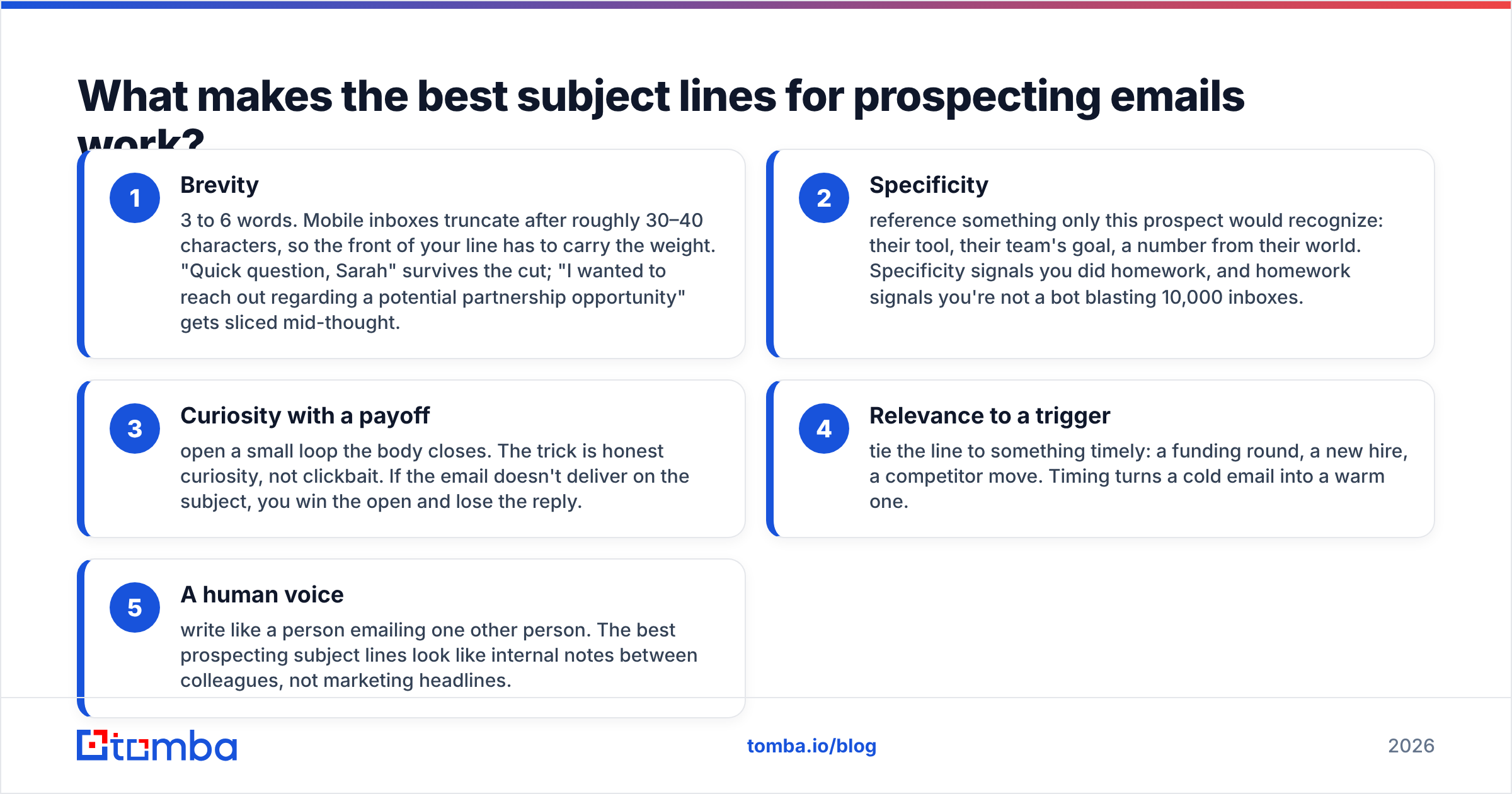
With over 70% of emails being opened on mobile devices, the "golden rule" for length is 40 to 60 characters. Most mobile clients truncate subject lines after this point. Place the most important information—the offer, the action, or the personalization—at the very beginning of the string.
The Power of Preheader Text
The preheader (the snippet of text visible after the subject line in the inbox) should act as a secondary subject line. Do not allow it to be filled with "View in browser" or "Unsubscribe" links.
- Subject: "Your order has shipped!"
- Preheader: "Track your package and see your estimated delivery date inside."
Performance Comparison: Campaign vs. Triggered
To better understand where to allocate your creative resources, consider the typical performance benchmarks for these two categories as of 2026.
| Metric | Campaign Emails | Triggered Emails | Optimization Focus |
|---|---|---|---|
| Average Open Rate | 18% – 25% | 45% – 60% | Triggered: Relevance / Campaign: Urgency |
| Click-Through Rate (CTR) | 2% – 4% | 8% – 12% | Alignment between subject and CTA |
| Conversion Rate | Moderate | High | Friction reduction in the body |
| Personalization Level | Segment-based | Individual-behavioral | Dynamic tagging accuracy |
| Frequency | High (Weekly/Daily) | Low (Action-based) | Fatigue management |
Common Pitfalls and Subject Line Troubleshooting
Even experienced marketers make mistakes that can land emails in the spam folder or lead to mass unsubscribes.
- The Clickbait Trap: Using deceptive subject lines like "RE: Your Order" for a cold sales email will lead to high open rates initially but will destroy your sender reputation and brand trust. The subject line must always be a truthful representation of the body content.
- Emoji Overuse: While emojis can increase CTR by adding visual interest, using more than one or two can trigger spam filters or appear unprofessional in B2B contexts. Always test how they render across different email clients (Outlook, Gmail, Apple Mail).
- Ignoring the "From" Name: The "From" name and the subject line work as a unit. If your "From" name is "Support," your subject line should be service-oriented. If it’s from a specific person, like "Jane from [Company]," the subject line can be more conversational.
- Failing to A/B Test: Never assume you know what will work. Split-test your subject lines on a small portion (10-20%) of your list before sending the winner to the rest. In 2026, test not just the wording, but the use of personalization tokens and emojis.
Frequently Asked Questions
What is the ideal subject line length for 2026?
The ideal length remains between 40 and 60 characters. However, with the rise of wearables and diverse mobile screen sizes, keeping the "punch" of the message within the first 30 characters ensures that the core value proposition is never truncated, regardless of the device.
Do emojis still help with open rates?
Yes, but with caveats. Emojis work best when they replace a word or add specific context (e.g., a ✈️ for travel). Overusing them or using "spammy" emojis like 🚨 or 💰 can negatively impact deliverability. Always use them to enhance the message, not as a substitute for good copywriting.
How often should I change my triggered email subject lines?
Triggered subject lines should be reviewed quarterly. While they are "automated," their effectiveness can wane as market trends shift. If you notice a decline in open rates for an abandoned cart sequence, it may be time to update the language to reflect current consumer sentiment or offer structures.
Should I use the recipient's first name in every subject line?
No. Constant use of first-name personalization can become "white noise" and may even feel intrusive. Use it strategically for high-value emails like welcome messages, abandoned carts, or personal milestones to ensure it retains its psychological impact.
How do I avoid the Gmail 'Promotions' tab?
While it is difficult to avoid entirely, subject lines that are overly "salesy" (e.g., using "FREE," "BUY NOW," or excessive exclamation points) are more likely to be categorized as promotions. Focus on providing value and using a conversational tone to increase the chances of landing in the Primary tab.
Final Recommendation
To achieve long-term success with your email marketing, adopt a dual-track strategy. For campaign emails, focus on storytelling and seasonal relevance to keep your brand top-of-mind. For triggered emails, obsess over the technical accuracy of your data tags and the clarity of your instructions. By continuously A/B testing and monitoring your deliverability metrics, you can ensure your subject lines remain effective gatekeepers for your brand's digital communications throughout 2026 and beyond.
Image Gallery