Does Dried Dill Taste the Same as Fresh? Flavor Profiles and Culinary Conversion
No, dried dill does not taste the same as fresh dill. Fresh dill offers a bright, grassy, and slightly sweet flavor with vibrant notes of citrus and anise, while dried dill is significantly more muted, earthy, and herbal due to the los...
No, dried dill does not taste the same as fresh dill. Fresh dill offers a bright, grassy, and slightly sweet flavor with vibrant notes of citrus and anise, while dried dill is significantly more muted, earthy, and herbal due to the loss of volatile essential oils during the dehydration process.
Contents
Understanding the Botanical Chemistry of Dill
To truly comprehend why fresh and dried dill yield completely different culinary results, one must examine the volatile compounds that construct the herb's flavor profile. Fresh dill (Anethum graveolens) contains a high concentration of aromatic essential oils, primarily carvone, limonene, and phellandrene. These compounds evaporate rapidly upon exposure to heat, air, and light.
When dill is harvested fresh, these delicate monoterpenes deliver an immediate, punchy brightness that elevates seafood, creamy dressings, and crisp cucumbers. Conversely, the commercial drying process—whether through air-drying, freeze-drying, or industrial dehydration—strips away a massive percentage of these top notes. What remains in dried dill weed are the heavier, more stable sesquiterpenes and plant fibers. This shift transforms the lively, citrusy bite into a subdued, dusty, and grass-like background note.
Furthermore, the concentration factor alters perception. Because moisture is removed, a tablespoon of dried flakes contains more actual plant matter by volume than a tablespoon of fresh chopped leaves, yet it delivers less actual aromatic intensity. This paradox often confuses home cooks who expect a concentrated spice to pack more punch, only to find their dishes tasting flat.
Fresh Versus Dried Dill: Flavor, Texture, and Application Comparison
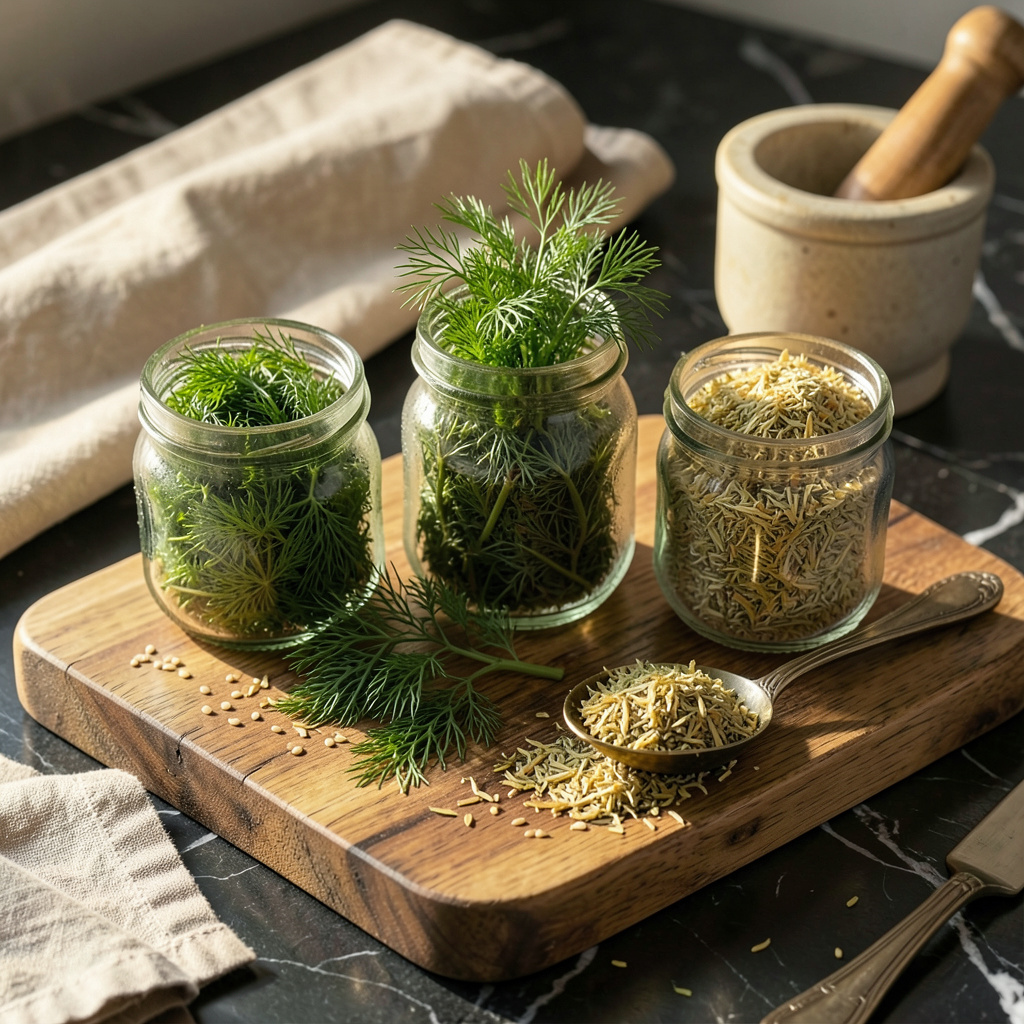
Evaluating how these two forms behave in real-world kitchen environments requires looking beyond the chemical makeup. The structural differences between the feathery green fronds of fresh dill and the brittle, dehydrated flakes of dried dill dictate entirely different culinary applications.
| Feature | Fresh Dill Weed | Dried Dill Weed |
|---|---|---|
| Primary Flavor Notes | Bright, grassy, citrusy, anise-like, pungent | Earthy, muted, hay-like, subtle herbal |
| Texture & Visuals | Feathery, vibrant green fronds; adds moisture | Brittle, dark green-to-brownish flakes; absorbs liquid |
| Ideal Cooking Stage | Added at the very end of cooking or raw | Added early in cooking or in liquid-heavy recipes |
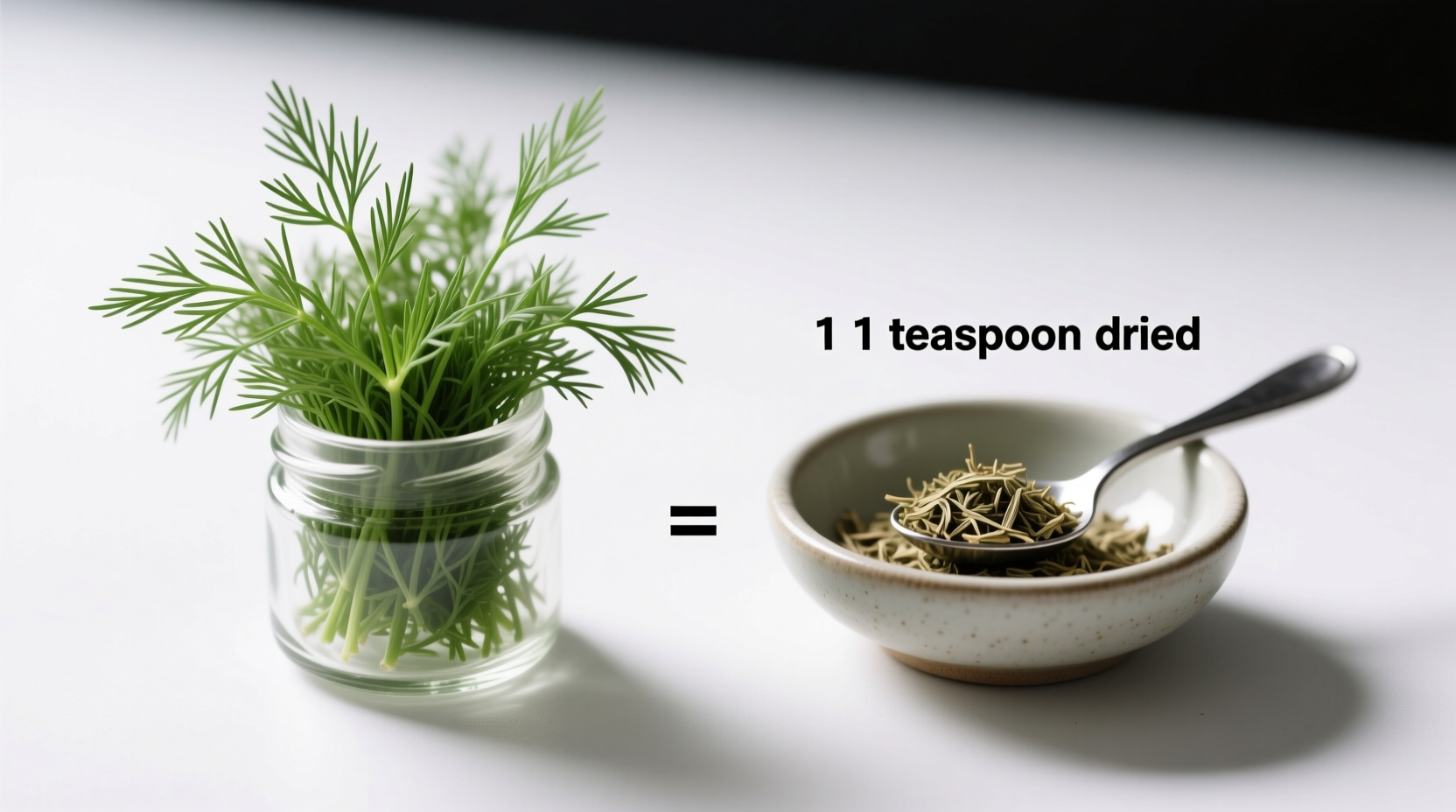
| Substitution Ratio | 1 tablespoon fresh dill | 1 teaspoon dried dill (3:1 ratio) |
| Shelf Life | 1 to 2 weeks refrigerated in proper storage | 6 to 12 months in a cool, dark pantry |
Culinary Conversion Rules: How to Substitute One for the Other
When a recipe calls for one form of dill but you only have the other on hand, executing a successful substitution requires adhering to strict mathematical and thermodynamic ratios.
The 3:1 Volume Rule
The standard culinary conversion for dill dictates that 1 tablespoon of fresh, finely chopped dill is equal to 1 teaspoon of dried dill. Because dried herbs are dehydrated and thus more condensed in volume, you need less of them than fresh herbs by weight, but by visual volume, you need significantly more fresh herb to match the structural presence of dried. However, because the volatile oils in dried dill are so depleted, attempting to substitute dried dill 1:1 for fresh dill in uncooked dishes will leave the dish tasting under-seasoned.
Heat Application and Timing
Fresh dill is notoriously fragile. High heat destroys its delicate essential oils within seconds, rendering it flavorless. Therefore, professional culinary standards dictate that fresh dill should be folded into dishes at the tail end of cooking, such as stirring it into a simmering pot of borscht just before plating, or using it raw as a garnish on potato salad or gravlax.
Dried dill, on the other hand, requires time and heat or moisture to rehydrate and release its deeper, earthier compounds. Adding dried dill to long-simmering soups, stews, marinades, or bread doughs early in the cooking process allows the liquid to break down the tough plant cell walls, extracting maximum flavor before the dish is served.
Pros and Cons of Using Fresh Versus Dried Dill
Choosing between fresh and dried dill involves balancing flavor superiority against convenience, shelf life, and economic factors.
- Fresh Dill Pros:
- Unmatched vibrant flavor, aroma, and visual appeal.
- Provides crisp texture when used as a garnish or in salads.
- Contains higher levels of intact water-soluble vitamins and antioxidants immediately prior to use.
- Fresh Dill Cons:
- Extremely short shelf life (spoils, yellows, or turns slimy within days).
- Requires washing, picking tough stems, and meticulous chopping.
- Subject to seasonal availability and higher relative cost per ounce.
- Dried Dill Pros:
- Exceptional pantry stability, lasting up to a year without spoiling.
- Always available, highly convenient, and requires zero prep work.
- Cost-effective for long-term storage and bulk cooking applications.
- Dried Dill Cons:
- Significantly diminished flavor profile lacking bright citrus and anise notes.
- Can impart an unpleasant, papery, or dusty texture if used in large quantities in uncooked foods.
- Loses potency rapidly once the container is opened.
Troubleshooting Common Dill Mistakes in Cooking
Even experienced home cooks occasionally encounter issues when substituting or working with dill. Recognizing these common pitfalls ensures optimal results.
Over-1:1 Substitution Error Do not use equal volumes. Substituting dried dill for fresh dill on a 1:1 tablespoon basis will overpower a dish with an excessively concentrated, hay-like bitterness, whereas substituting fresh for dried without tripling the amount will leave the dish virtually flavorless. Always maintain the 3-to-1 ratio (three parts fresh to one part dried).
Exposing Fresh Dill to Prolonged Heat Avoid boiling fresh dill. Tossing fresh dill into a soup at the beginning of a two-hour simmer completely destroys the volatile oils. Always reserve fresh dill as a finishing herb.
Neglecting Container Sealing Protect dried herbs from light and air. Dried dill loses its remaining potency rapidly when exposed to humidity and UV light. Store it in an airtight glass jar in a dark spice cabinet rather than a clear container directly above the stove.
Frequently Asked Questions
Can I substitute dried dill for fresh dill in pickles?
Yes, but with caveats. While commercial and home canning recipes frequently use dried dill weed or dill seed for convenience, fresh dill heads (with the yellow flower umbrellas) provide the most authentic, pungent flavor and visual appeal traditionally associated with crisp dill pickles.
Does dill seed taste the same as dill weed?
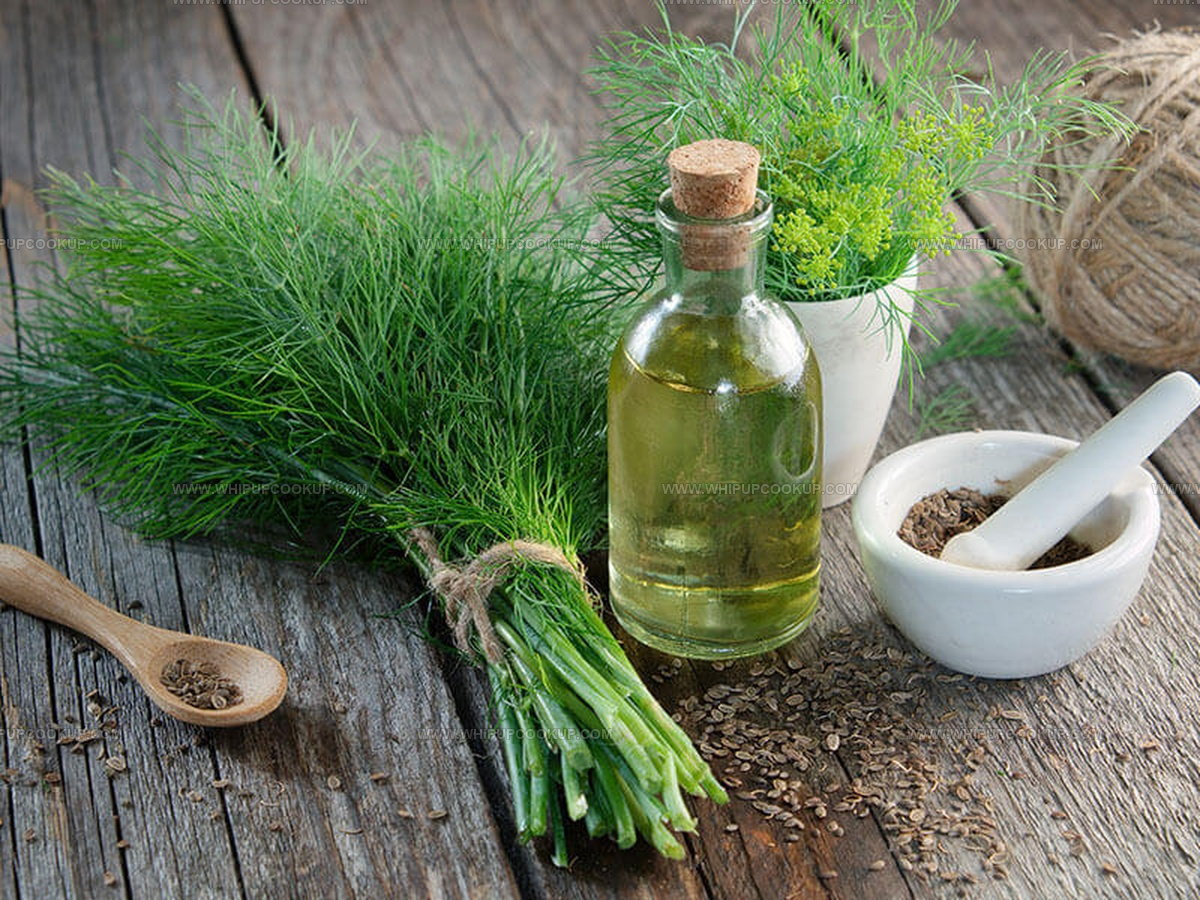
No, dill seeds have a much stronger, warmer, and more pungent flavor profile reminiscent of caraway seeds or cumin, whereas dill weed (fresh or dried) tastes grassy and bright. They cannot be directly substituted for one another without drastically altering the recipe's final taste.
How can I make dried dill taste more like fresh dill?
To help dried dill mimic the brightness of fresh dill, bloom the dried flakes in a small amount of warm fat, oil, or an acidic liquid like lemon juice or vinegar for 10 to 15 minutes before incorporating them into your recipe. This rehydrates the cellular structure and helps release trapped aromatic compounds.
What is the best way to store fresh dill to make it last longer?
Wrap fresh dill loosely in a slightly damp paper towel, place it inside a perforated plastic bag, and store it in the crisper drawer of your refrigerator. Alternatively, treat it like cut flowers by trimming the stems and placing them upright in a jar with an inch of water, covered loosely with a plastic bag.
Is freeze-dried dill better than conventionally dried dill?
Yes, freeze-dried dill generally retains a much greener color, superior cellular structure, and a closer approximation of fresh dill flavor than heat-dehydrated dill because the freezing and sublimation process prevents the thermal degradation of delicate essential oils.
Practical Recommendations for Culinary Success
For the ultimate culinary experience, use fresh dill whenever the recipe features raw components, cold dairy (such as tzatziki, sour cream dips, or cream cheese spreads), or delicate seafood like salmon. Reserve dried dill strictly for long-cooking applications, slow-simmered soups, homemade dry rubs, and spice blends where convenience and background warmth are prioritized over vibrant top notes. By respecting the chemical limitations of both forms, you can maximize flavor extraction and elevate your everyday cooking.
Image Gallery