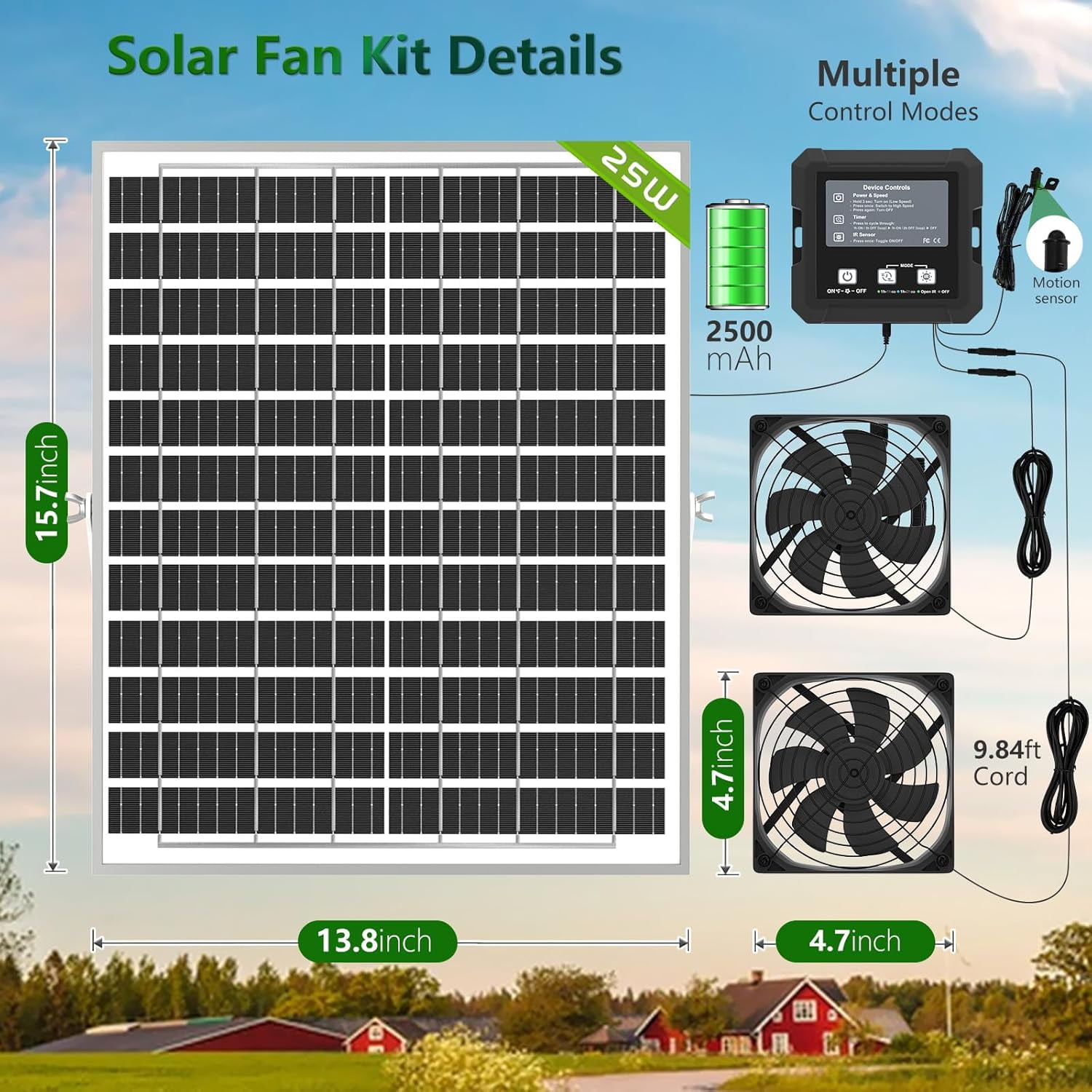
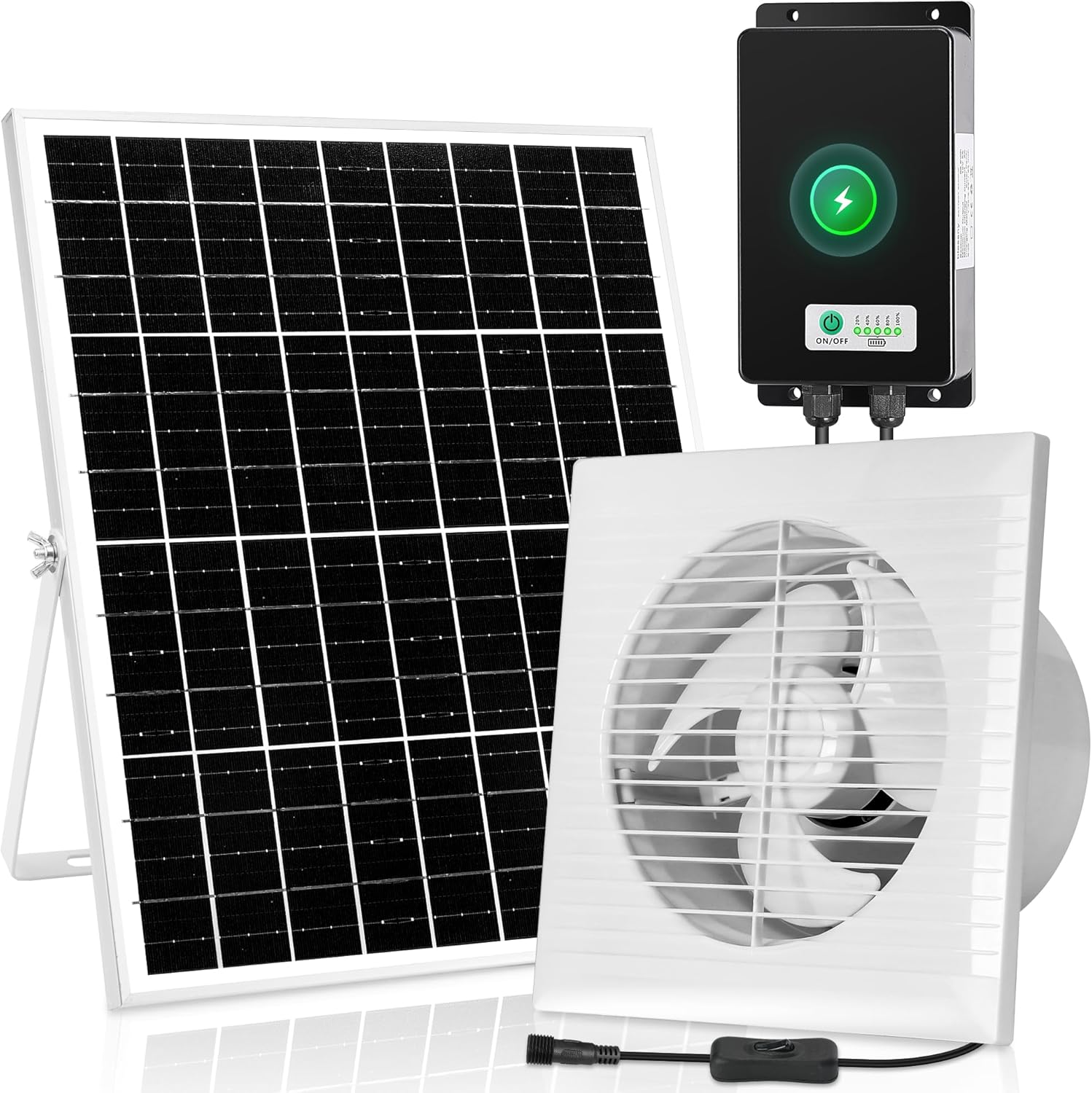
Solar Exhaust Fan for Shed: 2026 Technical Installation and Performance Guide
Installing a solar exhaust fan in your shed is the most effective way to regulate interior temperatures and mitigate humidity-related damage. By leveraging photovoltaic energy, these systems draw hot air out through the roof or gable,...
Installing a solar exhaust fan in your shed is the most effective way to regulate interior temperatures and mitigate humidity-related damage. By leveraging photovoltaic energy, these systems draw hot air out through the roof or gable, preventing moisture buildup, mold growth, and premature degradation of stored items or power tools.
Contents
Understanding the Thermodynamics of Shed Ventilation
Sheds often act as heat sinks. Without adequate ventilation, interior temperatures can spike 20 to 30 degrees above ambient outdoor temperatures. This thermal buildup accelerates the off-gassing of materials, damages sensitive electronics, and creates a breeding ground for wood-boring pests and mold.
A solar-powered fan operates on a simple principle: as sunlight hits the solar collector, electricity is generated to spin a DC motor. This creates a negative pressure zone inside the shed, forcing hot, stagnant air to exit while simultaneously drawing cooler, fresh air in through lower vents or gaps in the shed structure. By 2026, motor efficiency has improved significantly, with many units utilizing brushless DC (BLDC) technology to increase longevity and reduce friction-based heat output.
Essential Technical Specifications for Effective Shed Cooling
Selecting the right fan requires matching the cubic feet per minute (CFM) output to the total volume of your shed. To calculate the volume, multiply the length by the width by the average height of your shed.
- CFM Requirements: For a standard storage shed, you should aim for at least 5 to 8 air exchanges per hour.
- Solar Wattage: Modern 2026 models typically range between 10W and 30W panels. Higher wattage panels are required if you live in northern latitudes with lower solar zenith angles.
- Weatherproofing Standards: Ensure your unit carries an IP65 or higher rating to withstand wind-driven rain and dust accumulation.
- Motor Type: Prioritize brushless motors, which are rated for 20,000 to 50,000 hours of operation compared to standard brushed motors that may fail after 5,000 hours.
Comparison of Solar Ventilation Systems
Choosing between a gable-mount and a roof-mount system depends on your shed architecture and roof pitch. The following table provides a breakdown of common configuration types currently available in the 2026 market.
| Feature Type | Gable-Mount Fan | Roof-Mount (Curb) | Low-Profile Solar Vent |
|---|---|---|---|
| Ease of Installation | High (No roof penetration) | Low (Requires flashing) | Moderate |
| Airflow Efficiency | Moderate | High (Natural heat rise) | Low |
| Leak Risk | Near Zero | Moderate (Requires sealing) | Minimal |
| Best For | Wood-frame sheds | Large workshops | Small garden lockers |
Step-by-Step Installation Process
Achieving a weathertight installation is critical to prevent water intrusion. Follow these technical steps to ensure optimal performance.
- Site Assessment: Determine the prevailing wind direction and the location of your highest interior point. Ideally, place the intake vents on the shaded side of the building to draw in cooler air.
- Cutting the Aperture: Use a template provided by the manufacturer. If cutting through metal roofing, use a nibbler or aviation snips rather than an angle grinder to prevent burning the protective galvanized coating, which can lead to rapid corrosion.
- Flashing and Sealing: For roof-mounted units, use high-grade polyurethane sealant. Ensure the flashing is tucked under the shingles or roofing material on the high side of the cut to redirect water runoff around the fan housing.
- Panel Orientation: If the solar panel is remote-mounted, orient it at an angle equal to your local latitude to maximize solar intake throughout the 2026 calendar year.
- Securing the Unit: Use corrosion-resistant stainless steel fasteners. In high-wind areas, apply a secondary bead of silicone sealant around the perimeter of the mount.
Troubleshooting Common Operational Issues
Even high-quality units face operational hurdles. If your fan is underperforming, verify the following diagnostics before considering a replacement.
Voltage and Continuity Checks Use a standard digital multimeter to check the voltage output from the solar panel during peak sunlight. If the panel reads below the manufacturer's specified open-circuit voltage (Voc), check for obstructions, dust accumulation, or partial shading from tree limbs.
Mechanical Obstruction Ensure the fan blades are free of debris. If the motor hums but does not spin, a capacitor or internal bearing may be seized. In 2026, most sealed units are not designed for field-level repair; replacing the motor assembly is the industry standard for non-functioning units.
Frequently Asked Questions
Does a solar shed fan work on cloudy days? Most solar exhaust fans are direct-drive, meaning they only spin when the panel receives direct sunlight. While efficiency drops during overcast conditions, internal shed temperatures are generally lower on cloudy days, reducing the immediate need for high-volume air extraction.
Do I need a thermostat or a humidistat control? Advanced models include an integrated thermostatic switch that prevents the fan from running when the interior temperature is below a set point (e.g., 75°F). This extends the lifespan of the motor by preventing unnecessary usage during cooler months.
Will this fan drain my shed's battery system? If you are using a hybrid system that includes a battery backup, ensure you have an integrated solar charge controller. Without one, the fan motor could back-feed or over-discharge your battery during night hours.
How do I prevent water from leaking into my shed? The most common cause of leaks is improper flashing. Always ensure the bottom edge of the fan flashing sits on top of the shingles or roofing, while the top and side edges sit beneath them, allowing water to shed naturally away from the opening.
Maintenance and Longevity Best Practices
To ensure your solar exhaust fan remains effective through the 2026 season and beyond, implement a semi-annual maintenance routine. Clean the solar panel surface with a damp, non-abrasive cloth to remove dust and bird droppings, as even a thin layer of debris can reduce power output by 15-20%. Additionally, check the fan shroud for spider webs or debris that may restrict airflow. Periodically inspect the sealants around the roof or gable mount for cracks or shrinking, applying fresh silicone caulk as needed to maintain the integrity of your shed’s building envelope.
By investing in a high-efficiency solar exhaust system, you protect your structural assets from humidity-induced rot and provide a safer, more stable environment for your tools and equipment. Prioritize professional-grade mounting hardware and ensure your CFM output aligns with your shed's physical volume for the most reliable results.
Image Gallery