Understanding Distribution Finance for Supply Chains: A Strategic Guide to Downstream Liquidity
Distribution finance is a specialized form of supply chain finance that provides capital to distributors, dealers, or retailers to purchase inventory from manufacturers. By shifting the credit burden to a financial institution, it allo...
Distribution finance is a specialized form of supply chain finance that provides capital to distributors, dealers, or retailers to purchase inventory from manufacturers. By shifting the credit burden to a financial institution, it allows manufacturers to receive immediate payment while granting buyers extended terms to sell the goods before the debt matures, optimizing cash flow across the downstream supply chain.
Contents
The Strategic Role of Distribution Finance in 2026
In the complex global trade environment of 2026, the efficiency of a supply chain is no longer measured solely by logistics speed, but by the fluidity of capital. Distribution finance, often referred to as channel finance or floorplan financing in specific industries, serves as the bridge between production and retail. While traditional supply chain finance (reverse factoring) focuses on the "upstream" side—helping manufacturers pay their suppliers—distribution finance targets the "downstream" side.
The primary objective is to ensure that the middle tier of the supply chain—the distributors and dealers—has sufficient liquidity to hold adequate stock levels. This is particularly critical in industries with high-unit-value goods, such as automotive, agricultural machinery, electronics, and industrial equipment. Without these structured facilities, distributors often face "working capital traps," where their cash is tied up in unsold inventory, preventing them from placing new orders and slowing the manufacturer’s growth.
From a macroeconomic perspective, distribution finance acts as a stabilizer. By providing a dedicated line of credit specifically for inventory, it protects the supply chain from the volatility of general corporate lending markets. In 2026, with interest rate fluctuations and tighter credit windows, having a dedicated distribution finance program is often the difference between a manufacturer gaining market share or losing floor space to a competitor.
How the Distribution Finance Mechanism Operates
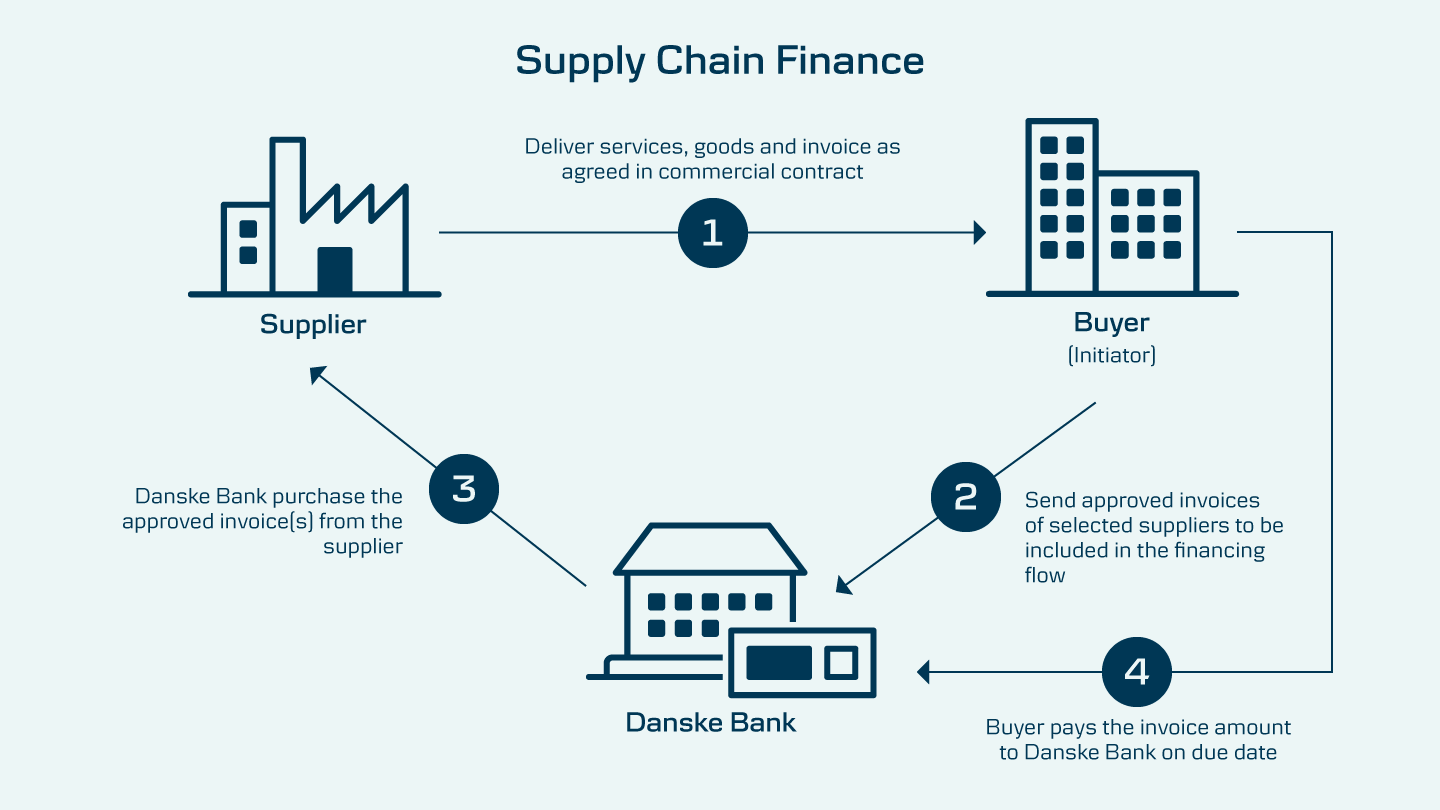
Understanding the mechanics of distribution finance requires looking at the tripartite relationship between the Manufacturer (OEM), the Distributor/Dealer, and the Financial Institution (Lender).
1. The Program Setup
The process begins with a framework agreement. The manufacturer partners with one or more financial institutions to create a sanctioned program for its authorized dealer network. The lender performs a credit assessment on the distributors, but this assessment is often bolstered by the manufacturer’s data regarding the distributor's historical sales performance and the "buy-back" agreements often included in the contract.
2. The Ordering and Funding Cycle
When a distributor places an order with the manufacturer, the manufacturer sends an invoice to the lender. Instead of the distributor paying the manufacturer immediately, the lender pays the manufacturer on the distributor’s behalf—usually within 24 to 72 hours. This provides the manufacturer with immediate liquidity and removes the "accounts receivable" from their balance sheet.
3. The Grace Period and Repayment
The lender then grants the distributor a specific period—often 60, 90, or even 180 days—to repay the loan. This timeframe is strategically aligned with the expected "days sales of inventory" (DSI). Ideally, the distributor sells the product to an end-customer and uses those proceeds to pay back the lender. In many 2026 programs, interest-free periods are subsidized by the manufacturer to incentivize dealers to carry more stock during peak seasons.
Comparing Distribution Finance to Other Funding Models
To understand its value, it is essential to distinguish distribution finance from other common financial instruments.
| Feature | Distribution Finance | Traditional Bank Loan | Factoring (Upstream) |
|---|---|---|---|
| Primary Beneficiary | Distributor / Retailer | General Business | Supplier / Manufacturer |
| Collateral | Specific Inventory / Goods | General Assets / Real Estate | Accounts Receivable (Invoices) |
| Structure | Program-based (Tripartite) | Bilateral (Bank & Borrower) | Bilateral (Factor & Seller) |
| Purpose | Purchase of specific stock | General operational use | Early payment on sales |
| Cost Driver | Volume & Manufacturer Subsidy | Credit score & Market rates | Invoice value & Debtor risk |
Key Benefits for Manufacturers and Distributors
The adoption of distribution finance offers asymmetrical but complementary benefits to both ends of the downstream transaction.
For Manufacturers (The Sellers)
- Sales Growth and Market Share: By providing dealers with the means to buy more, manufacturers can push higher volumes into the channel. This ensures that when an end-customer enters a showroom or a warehouse, the product is "on the floor" and ready for immediate delivery.
- Risk Mitigation: The manufacturer transfers the credit risk of the dealer to the financial institution. In a "non-recourse" setup, if the dealer fails to pay, the lender bears the loss (subject to specific contract terms).
- Improved Balance Sheet: Since the lender pays the manufacturer immediately, "Days Sales Outstanding" (DSO) is significantly reduced. This improves cash conversion cycles and makes the company more attractive to investors.
For Distributors (The Buyers)
- Enhanced Liquidity: Distributors can preserve their existing bank lines for other uses, such as facility expansion, marketing, or hiring, because their inventory is financed through a dedicated, separate facility.
- Extended Payment Terms: Distribution finance typically offers longer repayment windows than standard open-account terms provided by manufacturers, which are often only 30 days.
- Increased Inventory Capacity: Dealers can carry a wider range of products or higher volumes during seasonal peaks without straining their cash reserves.
Risk Management and Operational Limitations
While distribution finance is a powerful tool, it is not without risks. In 2026, lenders and participants must account for several technical and market-based limitations.
Concentration Risk: Lenders must be careful not to over-extend credit to a single manufacturer's network. If that manufacturer faces a product recall or a massive decline in brand reputation, the entire dealer network may struggle to sell the inventory, leading to systemic defaults within the program.
Collateral Management: Unlike "paper-based" financing, distribution finance is tied to physical goods. This requires robust auditing. Many 2026 programs utilize IoT (Internet of Things) tracking and automated serial number verification to ensure that the "collateral" (the cars, tractors, or computers) is actually on the dealer's lot and hasn't been sold "out of trust" (selling the item but not paying back the lender immediately).
The Buy-Back Obligation: In many agreements, if a dealer defaults, the manufacturer is obligated to buy back the unsold inventory from the lender at a pre-determined price. This means the manufacturer never truly vacates 100% of the risk; they trade "credit risk" for "inventory remarketing risk."
Technical Integration: The Role of Technology in 2026
The maturity of distribution finance in 2026 is largely due to the integration of Enterprise Resource Planning (ERP) systems with banking APIs. The manual processing of invoices and paper-based credit applications is largely obsolete.
Modern platforms provide:
- Real-Time Credit Monitoring: Lenders can see a distributor’s sales data in real-time, allowing them to adjust credit limits dynamically based on demand.
- Automated Reconciliation: When a dealer pays the lender, the manufacturer’s portal is updated instantly, ensuring that shipping and production schedules are aligned with available credit.
- Transparency and Auditability: Using distributed ledger technology (blockchain), all three parties can verify the status of a specific asset—from the moment it leaves the factory to the moment it is sold to the end-consumer.
Implementation Steps for Organizations
For a manufacturer looking to establish a distribution finance program, the following steps are standard:
- Dealer Network Analysis: Identify the creditworthiness and inventory turnover rates of your top-tier and mid-tier distributors.
- Lender Selection: Partner with a global or regional bank that has expertise in your specific industry. According to the International Chamber of Commerce (ICC), specialized knowledge in asset-based lending is crucial for these programs.
- Legal Structuring: Draft tripartite agreements that clearly define when the title of goods passes, the conditions of the buy-back agreement, and the triggers for default.
- Technology Onboarding: Integrate the financing platform with your existing sales order management system to ensure seamless communication of invoices and payment confirmations.
Frequently Asked Questions
What is the difference between distribution finance and floorplan financing? Floorplan financing is actually a specific type of distribution finance. The term "floorplan" is most commonly used in the automotive and powersports industries to describe financing for vehicles sitting on a showroom floor. Distribution finance is a broader term that encompasses any industry where a middleman requires credit to hold inventory from a manufacturer.
Is distribution finance available for small businesses? Yes, but usually as part of a larger manufacturer-sponsored program. It is difficult for a small distributor to secure a standalone distribution finance facility without the "anchor" of a strong manufacturer relationship. The manufacturer provides the lender with the confidence needed to extend credit to smaller entities.
How does distribution finance affect a company's credit rating? For the manufacturer, it is typically credit-positive because it improves liquidity and reduces accounts receivable risk. For the distributor, it is a form of debt, but because it is "asset-backed" by inventory, it is often viewed more favorably by credit agencies than unsecured short-term loans.
Who pays the interest in a distribution finance arrangement? The responsibility for interest (or "carrying costs") depends on the agreement. In many cases, the manufacturer pays the interest for an initial "grace period" (e.g., the first 60 days) as a sales incentive, after which the distributor becomes responsible for the costs if the inventory remains unsold.
What happens if the inventory is damaged or destroyed? Distribution finance agreements strictly require the distributor to maintain comprehensive insurance on all financed inventory. The lender is usually named as the "loss payee" on these policies to ensure their capital is protected even if the physical goods are lost to fire, theft, or natural disasters.
Practical Recommendation
If you are a manufacturer looking to scale your operations in 2026, you should first conduct a "leakage audit" of your current sales cycle. Identify how many orders are being capped by your distributors' credit limits or cash constraints. If your dealers are frequently hitting their ceilings, a structured distribution finance program is the most efficient way to unlock that latent demand. Consult with a specialized trade finance advisor to compare "non-recourse" vs. "limited recourse" options to ensure the risk profile aligns with your corporate treasury policy.
Disclaimer: This article provides general information and does not constitute financial, legal, or investment advice. Organizations should consult with qualified professionals regarding specific regulatory requirements and jurisdictional laws, such as the Uniform Commercial Code (UCC) in the United States or equivalent commercial statutes internationally.
Image Gallery