Understanding the Securian Life Insurance Suicide Clause: Coverage, Limitations, and Timelines
The Securian life insurance suicide clause is a standard provision stating that if the insured individual dies by suicide within a specific period—typically two years from the policy’s effective date—the death benefit will not be paid....
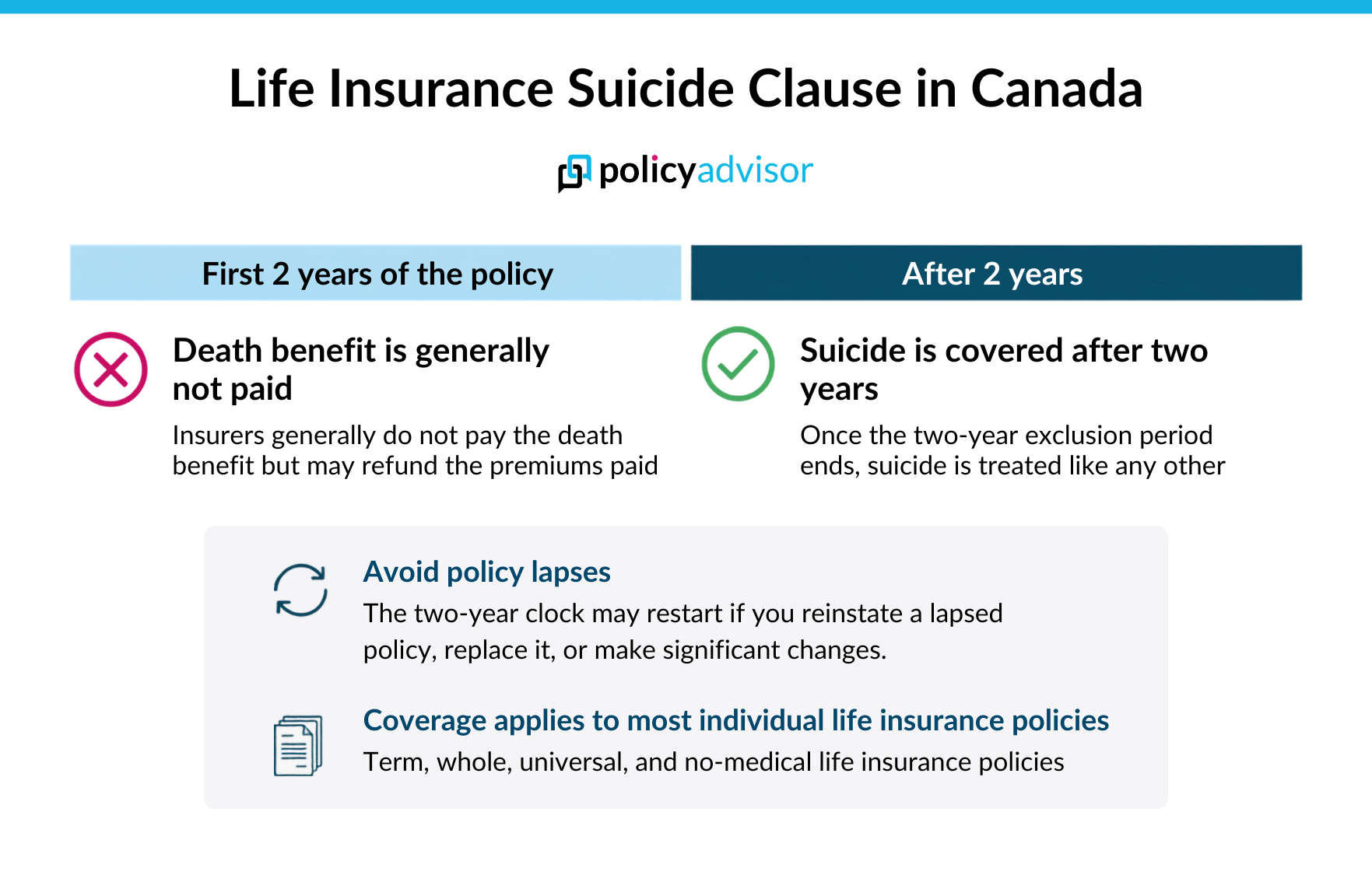
The Securian life insurance suicide clause is a standard provision stating that if the insured individual dies by suicide within a specific period—typically two years from the policy’s effective date—the death benefit will not be paid. Instead, Securian will usually refund the total premiums paid to the beneficiary, minus any outstanding policy loans or withdrawals.
Contents
Life insurance is designed to provide financial security for loved ones in the event of an untimely death. However, every life insurance contract, including those issued by Securian Financial (and its subsidiary, Minnesota Life), contains specific exclusions and limitations. Among the most misunderstood of these is the suicide clause. As of 2026, understanding the mechanics of this clause remains essential for policyholders and beneficiaries to ensure they have an accurate expectation of coverage during the early years of a policy.
What is the Securian Life Insurance Suicide Clause?
The suicide clause is a contractual agreement that protects the insurance company from "adverse selection." In the context of life insurance, adverse selection occurs when an individual purchases a policy with the specific intent of committing suicide shortly thereafter to secure a large payout for their heirs. To mitigate this risk, Securian, like nearly all major U.S. insurers, implements a waiting period before suicide is covered as a cause of death.
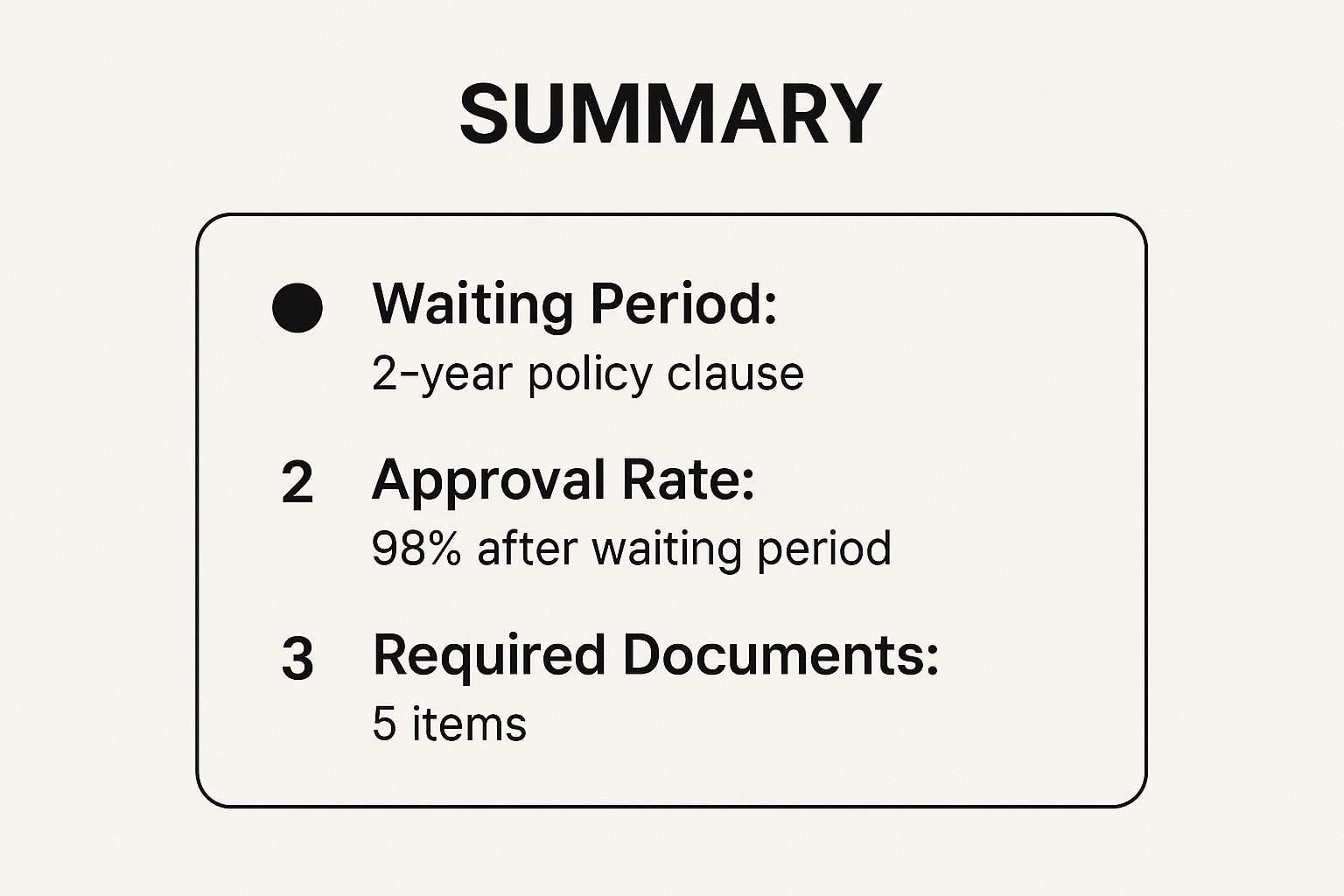
In most jurisdictions, the duration of this clause is two years (24 months) from the date the policy is issued and becomes active. During this window, the insurer is not legally obligated to pay the full face value (death benefit) of the policy if the cause of death is determined to be self-inflicted. Once the two-year period has elapsed, the suicide clause effectively expires, and the death benefit is treated the same as any other cause of death, such as illness or accident, provided the policy remains in force and all premiums are paid.
The Two-Year Exclusion Period and Policy Effective Dates
The "clock" on the suicide clause starts ticking on the Policy Effective Date. This is not necessarily the date you signed the application, but rather the date Securian officially accepts the risk and the first premium is paid.
It is critical to distinguish between different dates found in a Securian policy:
- Application Date: The day the paperwork is submitted.
- Issue Date: The day the policy is generated by the underwriting department.
- Effective Date: The date the coverage actually begins.
If a policyholder dies by suicide on day 729 of a two-year clause, the claim for the death benefit will likely be denied. If the death occurs on day 731, the claim should be paid in full. Because the stakes are so high, Securian’s claims department meticulously verifies the date of death against the policy’s effective date during the initial two-year window.
Policy Reinstatement and the "Reset" Rule
A common technical trap for policyholders involves policy lapses. If a Securian policy lapses due to non-payment of premiums and is later reinstated, the suicide clause period may reset in some states and policy types. This means a policyholder who has owned a policy for five years, allows it to lapse, and then reinstates it in 2026, might be subject to a new two-year suicide exclusion starting from the date of reinstatement.
Difference Between the Suicide Clause and the Incontestability Clause
The suicide clause is frequently confused with the Incontestability Clause, but they serve different legal functions.
- The Suicide Clause: Specifically addresses the cause of death. It limits the payout if the death is self-inflicted within the first two years.
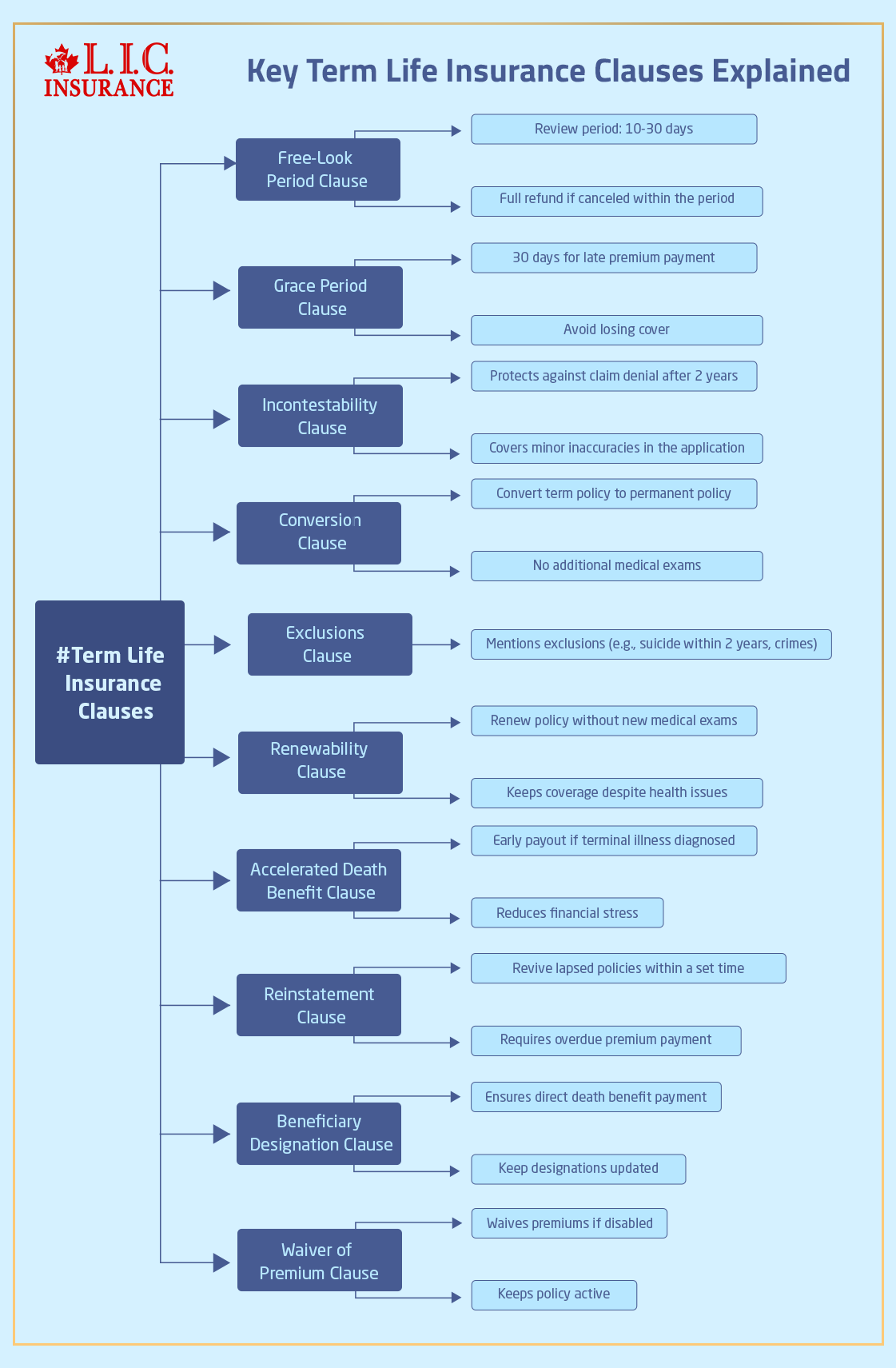
- The Incontestability Clause: Generally states that after a policy has been in force for two years, the insurer cannot "contest" or void the policy based on misstatements or omissions made in the original application (such as failing to mention a pre-existing medical condition).
While both clauses typically share a two-year timeframe, they operate independently. If an insured individual dies by suicide within the first 18 months, Securian will deny the claim based on the suicide clause, even if there were no lies on the application. Conversely, if an insured dies of a heart attack within the first 18 months and the insurer discovers the insured lied about being a smoker, they may contest the claim under the incontestability provision.
Group Life Insurance vs. Individual Policies
Securian Financial is a major provider of group life insurance through employers and professional associations. The rules governing suicide clauses can vary significantly between group coverage and individual policies purchased directly from an agent.
Basic Group Life Insurance
In many employer-sponsored "basic" life insurance plans (where the employer pays the premium), the suicide clause may be waived entirely. Employers often negotiate these contracts to provide immediate, comprehensive coverage for their workforce regardless of the cause of death.
Optional or Supplemental Group Life
If an employee chooses to purchase "Optional" or "Supplemental" life insurance—additional coverage beyond the basic benefit provided by the employer—the suicide clause almost always applies. This is because the employee is making a conscious decision to increase their coverage, which reintroduces the risk of adverse selection that the clause is designed to prevent.
Legal and State-Specific Variations
While the two-year standard is prevalent across the United States, insurance is regulated at the state level, leading to some notable exceptions. Securian must adhere to the laws of the state where the policy was issued.
- Missouri: Historically, Missouri has had unique regulations (Section 376.620 RSMo) regarding suicide clauses. In Missouri, an insurer generally cannot deny a claim for suicide unless they can prove the insured intended to commit suicide at the time they applied for the policy. This is a much higher burden of proof for the insurer than in other states.
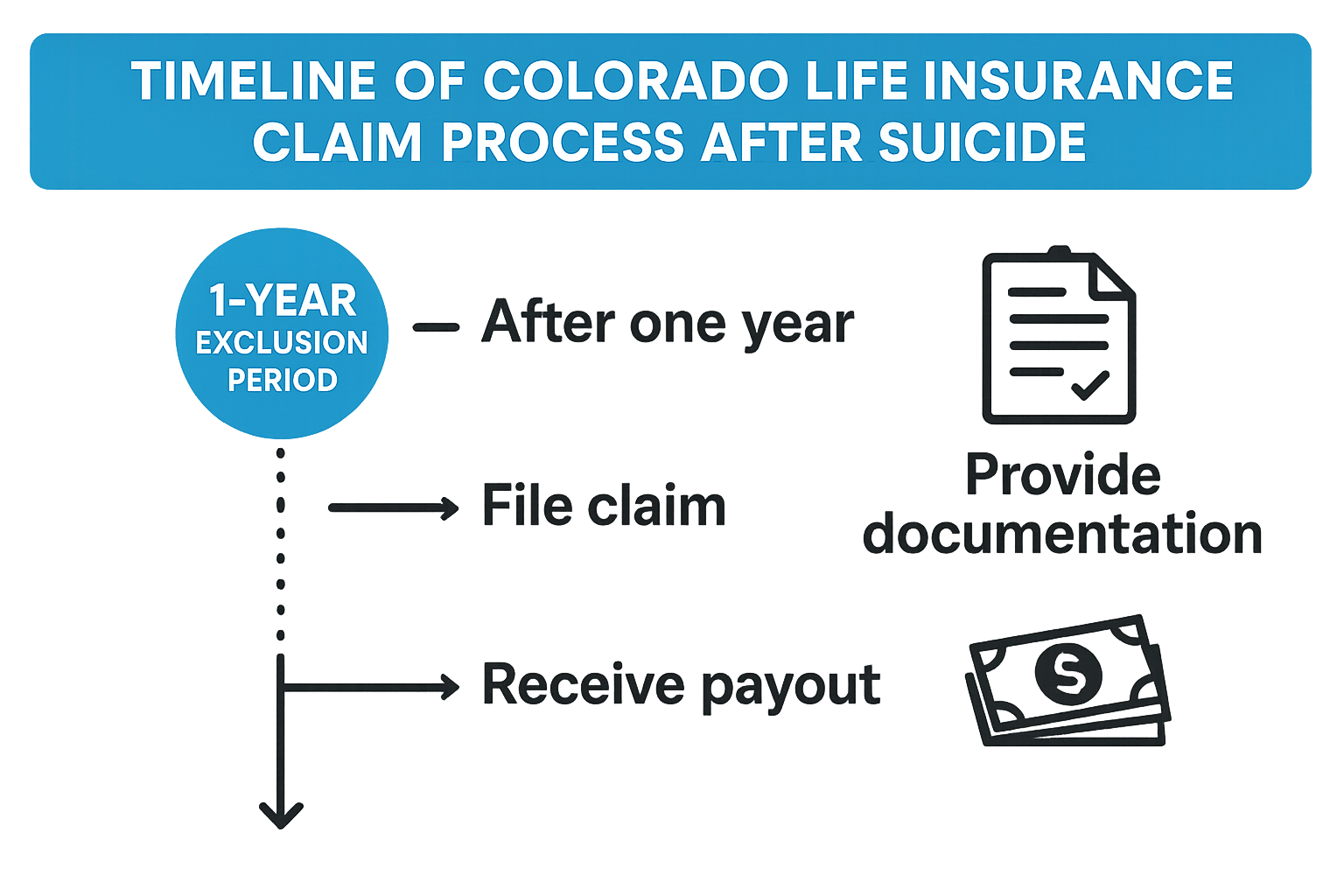
- North Dakota: Some policies in North Dakota have historically featured a one-year suicide exclusion rather than the standard two years.
- Colorado and Others: Specific wording requirements exist in various states to ensure the suicide clause is "conspicuous, plain, and prominent" within the policy document.
If you are reviewing a Securian policy in 2026, it is vital to check the "Exclusions" or "General Provisions" section of your specific contract to see if state-specific amendments apply to your residency.
What Happens to the Death Benefit? (The Refund of Premiums)
If a Securian policy claim is denied because of the suicide clause, it does not mean the insurance company keeps all the money. The standard remedy is a return of premiums.
Securian will calculate the total amount of money paid into the policy since its inception. This sum is then paid to the named beneficiaries. While this amount is usually significantly lower than the intended death benefit, it ensures the family recovers the capital invested in the policy.
Calculation Example:
- Policy Face Value: $500,000
- Monthly Premium: $100
- Months Active: 18
- Total Premiums Paid: $1,800
- Result: The beneficiary receives $1,800 (plus any applicable interest required by state law), rather than the $500,000 death benefit.
Comparison of Clause Application by Policy Type
| Policy Type | Suicide Clause Duration | Premium Refund? | Notes |
|---|---|---|---|
| Individual Term Life | 2 Years (Standard) | Yes | Most common form of Securian coverage. |
| Individual Whole Life | 2 Years (Standard) | Yes | Clause applies to the initial face amount. |
| Group Basic Life | Often 0 Years | N/A | Varies by employer contract; often no exclusion. |
| Group Supplemental | 2 Years (Standard) | Yes | Usually applies to the "add-on" portion only. |
| Reinstated Policy | 2 Years (from reset) | Yes | The clock may restart upon policy revival. |
The Investigation and Claims Process
When a death claim is filed with Securian during the first two years of a policy, the company will conduct a "contestability investigation." This is a standard procedure and not an accusation of wrongdoing.
Documentation Required
Securian’s claims department will typically request:
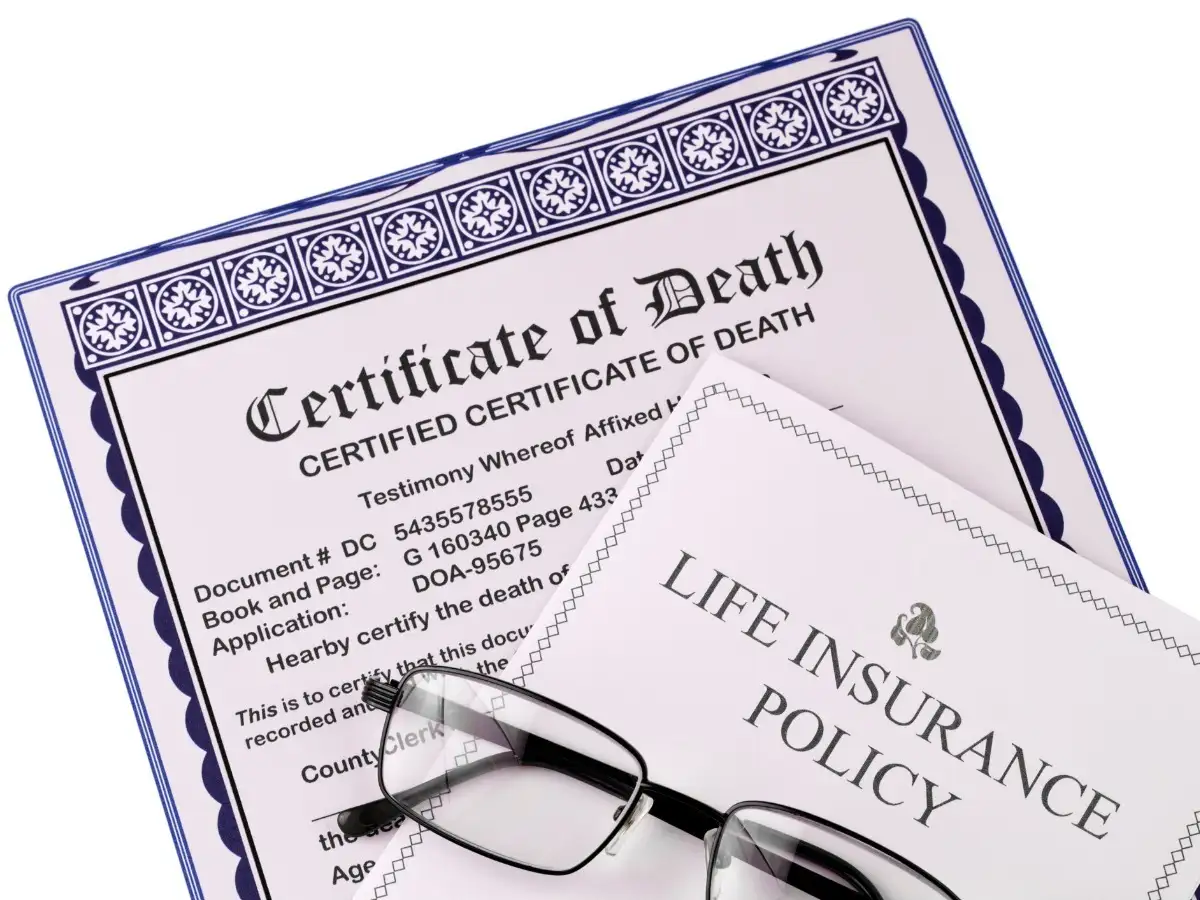
- A Certified Death Certificate: This must state the cause and manner of death.
- The Attending Physician’s Statement: Medical records from the primary care doctor.
- The Medical Examiner or Coroner’s Report: This is the primary document used to determine if a death was a suicide, an accident, or a homicide.
Accidental vs. Self-Inflicted
A frequent point of contention involves "accidental" deaths that may appear self-inflicted, such as a drug overdose. If the coroner rules the death "Accidental" (e.g., an unintentional poly-drug toxicity), the suicide clause generally does not apply, and Securian must pay the full death benefit. However, if there is evidence of intent (such as a note or a history of recent attempts), the insurer may argue the exclusion applies.
Common Misconceptions About Life Insurance and Mental Health
There is a persistent myth that life insurance never covers death by suicide. This is false. Once the exclusion period (usually two years) has passed, suicide is a covered event under a Securian life insurance policy.
Furthermore, having a history of mental health treatment does not automatically trigger the suicide clause. While mental health is a factor in underwriting (determining your premium rate or eligibility), the suicide clause itself is a "status" provision—it applies to everyone equally for the first two years, regardless of their medical history.
Frequently Asked Questions
Does the Securian suicide clause apply if I increase my coverage?
Yes. If you have an existing Securian policy and you choose to increase the death benefit, a new suicide clause period usually begins for the additional amount of coverage. For example, if you have $100,000 in coverage for five years and add another $100,000 in 2026, the original $100,000 is beyond the suicide clause, but the new $100,000 will be subject to a new two-year exclusion window.
What if the death is ruled "undetermined" by the coroner?
If the manner of death is "undetermined," the burden of proof typically shifts. In many jurisdictions, there is a legal presumption against suicide. If Securian wishes to deny a claim based on the suicide clause, they must provide "clear and convincing evidence" that the death was self-inflicted. If they cannot meet this burden, they are generally required to pay the claim.
Can a Securian policy be denied for suicide after 10 years?
No. Once the two-year period (or the period specified in your state) has passed, Securian cannot deny a claim based on the suicide clause. The policy is then considered "incontestable" regarding the cause of death as it relates to suicide.
Does the clause apply to Accidental Death and Dismemberment (AD&D) insurance?
AD&D insurance is different from standard life insurance. AD&D policies never cover suicide, regardless of how long you have owned the policy. This is because suicide is, by definition, not an "accident." Since Securian often bundles AD&D with life insurance, it is important to check which portion of the benefit you are claiming.
How long does it take for Securian to process a claim involving this clause?
Claims involving the suicide clause or deaths within the two-year contestability period take longer to process than standard claims. While a typical claim might be paid in 10–14 days, a contestability investigation can take 30 to 90 days as the insurer waits for medical records and official reports.
Practical Next Actions
If you are a beneficiary dealing with a Securian life insurance claim:
- Locate the Policy Document: Identify the "Effective Date" and look for the "Suicide" or "Exclusions" section.
- Obtain the Official Reports: Request the full autopsy and toxicology reports if the death occurred within the first two years.
- Consult Legal Counsel: If a claim is denied based on the suicide clause and you believe the death was accidental, or if you live in a state like Missouri with unique protections, consult an attorney specializing in life insurance ERISA or contract law.
- Verify Premium Refunds: If the claim is rightfully denied under the clause, ensure Securian returns the full amount of premiums paid, as required by the contract.
Disclaimer: This article is for informational purposes only and does not constitute legal or financial advice. Laws regarding insurance vary by jurisdiction and are subject to change. Always refer to your specific policy document for the most accurate terms.
Image Gallery