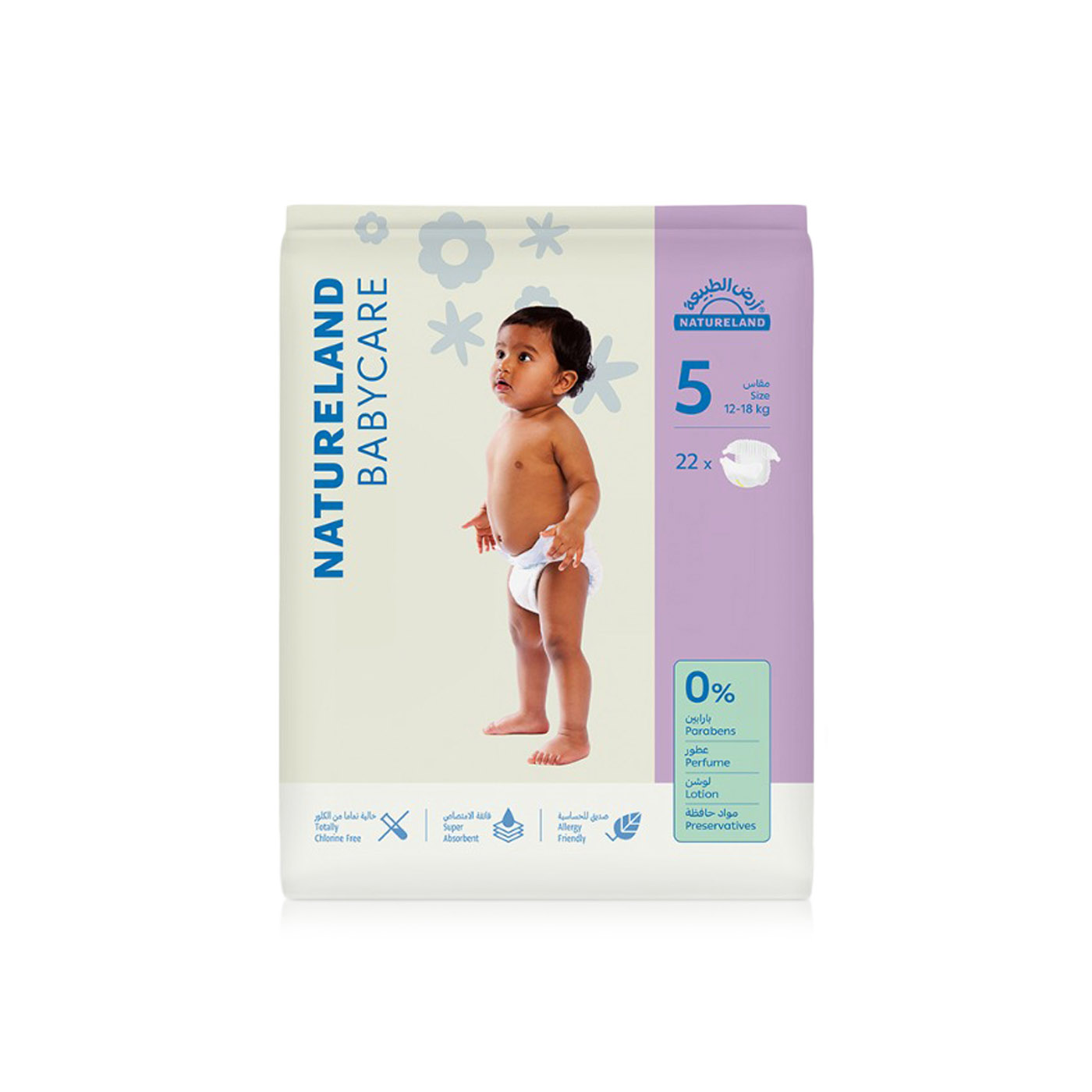
Why Nature Babycare Care Diapers Are Worth the Cost: A Comprehensive Value Breakdown
Nature Babycare diapers command a higher price tag than conventional supermarket brands, but for eco-conscious parents balancing performance, skin health, and environmental impact, the investment often delivers measurable returns. Choo...
Nature Babycare diapers command a higher price tag than conventional supermarket brands, but for eco-conscious parents balancing performance, skin health, and environmental impact, the investment often delivers measurable returns. Choosing a premium eco-friendly diaper requires examining material transparency, absorption efficiency, hypoallergenic performance, and total cost of ownership against standard alternatives.
Contents
Understanding the Eco-Diaper Market and Positioning
The modern diaper market features a wide spectrum of choices, ranging from ultra-cheap plastic-heavy disposables to premium plant-based biodegradable options and full-time cloth systems. Within this landscape, Nature Babycare—pioneered by brands like Naty—positions itself as an eco-sensitive middle ground. These products are engineered to replace traditional petroleum-based plastics with compostable or plant-derived alternatives while maintaining the convenience of a single-use disposable product.
Evaluating whether these diapers are worth the financial premium requires looking past marketing buzzwords like "green" or "natural." Parents must analyze what these diapers omit—such as chlorine, fragrances, and phthalates—and what they include, such as sustainably harvested wood pulp and GM-free cornstarch-based films. Understanding these distinctions helps clarify why manufacturing expenses are inherently higher than mass-market options.
Material Composition and Skin Health Benefits
One of the most compelling justifications for the cost of Nature Babycare diapers is their material makeup, which directly impacts infant skin health. Conventional disposable diapers frequently rely on polyethylene, polypropylene, and various synthetic fragrances to lock away moisture and mask odors. For babies prone to contact dermatitis, eczema, or severe diaper rash, these synthetic additives can trigger inflammatory responses.
Plant-Based vs. Petroleum-Based Materials
Nature Babycare alternatives substitute petroleum-based plastic outer layers with breathable films derived from GM-free cornstarch. This allows the diaper to maintain waterproof integrity while remaining micro-porous enough to let air circulate against the skin.
- Chlorine-Free Processing: The absorbent fluff pulp inside these diapers is typically total chlorine-free (TCF), meaning no elemental chlorine gas was used in bleaching. This eliminates potential dioxin residues that can irritate sensitive skin.
- Fragrance and Lotion Omission: Many standard diapers add artificial scents or soothing lotions that can disrupt the skin's natural microbiome. Eco-friendly variants omit these entirely, reducing chemical exposure.
Environmental Impact and Lifecycle Analysis
For families willing to pay a financial premium, environmental stewardship is often the primary driver. Conventional plastic diapers take hundreds of years to decompose in landfills, accumulating vast quantities of non-biodegradable waste.
While disposable eco-diapers are still single-use items that require municipal waste management, their upstream environmental footprint is significantly lower:
- Renewable Resources: The core wood pulp is sourced from sustainably managed forests certified by organizations like the Forest Stewardship Council (FSC).
- Reduced Carbon Intensity: Utilizing plant-based plastics lowers reliance on petrochemical extraction, yielding a lower carbon footprint during the initial manufacturing phases compared to standard petrochemical polymers.
Comparative Performance and Cost Analysis
Value is ultimately a function of price relative to performance. A diaper that costs less per unit is a poor investment if it leaks frequently, requiring more frequent changes and laundry interventions.
| Diaper Category | Average Cost per Diaper | Core Material | Biodegradability/Eco-Friendly Rating | Leak Protection Reliability |
|---|---|---|---|---|
| Conventional Budget Brands | $0.15 – $0.22 | Petroleum plastics, synthetic fragrances | Low (Standard plastic components) | Moderate to High |
| Nature Babycare / Eco Premium | $0.35 – $0.55 | Plant-based films, chlorine-free pulp | High (Compostable outer layers, certified pulp) | High |
| Reusable Cloth Diapers | Initial high cost, low per-use | Cotton, bamboo, hemp | Highest (Reusable over years) | Variable (Requires frequent changes) |
As illustrated above, Nature Babycare products occupy the premium tier of disposable options. The increased expenditure translates to advanced leakage barriers that rival mainstream brands, ensuring that parents do not sacrifice absorbency for the sake of sustainability.
Potential Drawbacks and Operational Limitations
Even with superior material profiles, eco-friendly disposables have specific constraints that buyers should anticipate:
- Shelf Life and Storage: Because these diapers incorporate plant-based materials designed to break down more readily, they can be more sensitive to high humidity and extreme temperatures if stored for prolonged periods.
- Availability and Sourcing: Unlike mainstream brands found in every convenience store, premium eco-diapers may require purchasing through specialty retailers, subscription boxes, or online delivery services.
- Disposal Realities: While the materials are greener, most municipal waste systems still process them as standard trash unless industrial composting facilities that accept soiled diapers are locally accessible.
Frequently Asked Questions
Are Nature Babycare diapers completely biodegradable?
No disposable diaper on the market is 100% biodegradable in a standard backyard environment. However, Nature Babycare diapers utilize a high percentage of compostable and plant-based materials—such as cornstarch films and FSC-certified pulp—which degrade much faster and cleaner than conventional petrochemical plastics under proper conditions.
Do these diapers leak more than standard brands?
Independent parental reviews and technical specifications indicate that modern eco-diapers perform comparably to mainstream brands. They utilize advanced super-absorbent polymers (SAP) in controlled quantities paired with secure leg cuffs to prevent blowouts and leaks.
Why are eco-friendly diapers significantly more expensive?
The cost reflects the higher price of sustainably harvested raw materials, non-toxic manufacturing processes (such as TCF chlorine-free bleaching), and smaller-scale production economics compared to massive multinational petrochemical conglomerates.
Can these diapers completely eliminate diaper rash?
While eliminating synthetic fragrances, dyes, and chlorine drastically reduces chemical irritants that cause contact dermatitis, diaper rash can still stem from moisture, yeast, or diet. However, switching to a breathable, hypoallergenic diaper often resolves chronic skin sensitivities.
Final Recommendation
Nature Babycare diapers are worth the cost for parents who prioritize chemical-free skin contact, infant health safety, and reduced environmental degradation without committing to the labor-intensive routine of washing reusable cloth diapers. While the per-unit cost requires a higher monthly budget, the trade-off yields reliable absorption, superior breathability, and a smaller ecological footprint.
Image Gallery