The Net Worth of We Bowers Explained
The net worth of individuals sharing the surname Bowers, or those associated with specific corporate entities bearing the name, is frequently subject to public speculation. Because comprehensive financial figures for private individual...
The net worth of individuals sharing the surname Bowers, or those associated with specific corporate entities bearing the name, is frequently subject to public speculation. Because comprehensive financial figures for private individuals are rarely disclosed publicly unless tied to regulated corporate filings, public disclosures, or major liquidity events, evaluating these valuations requires examining available business records, asset portfolios, and market conditions.
Contents
Understanding Private Wealth and Public Estimates
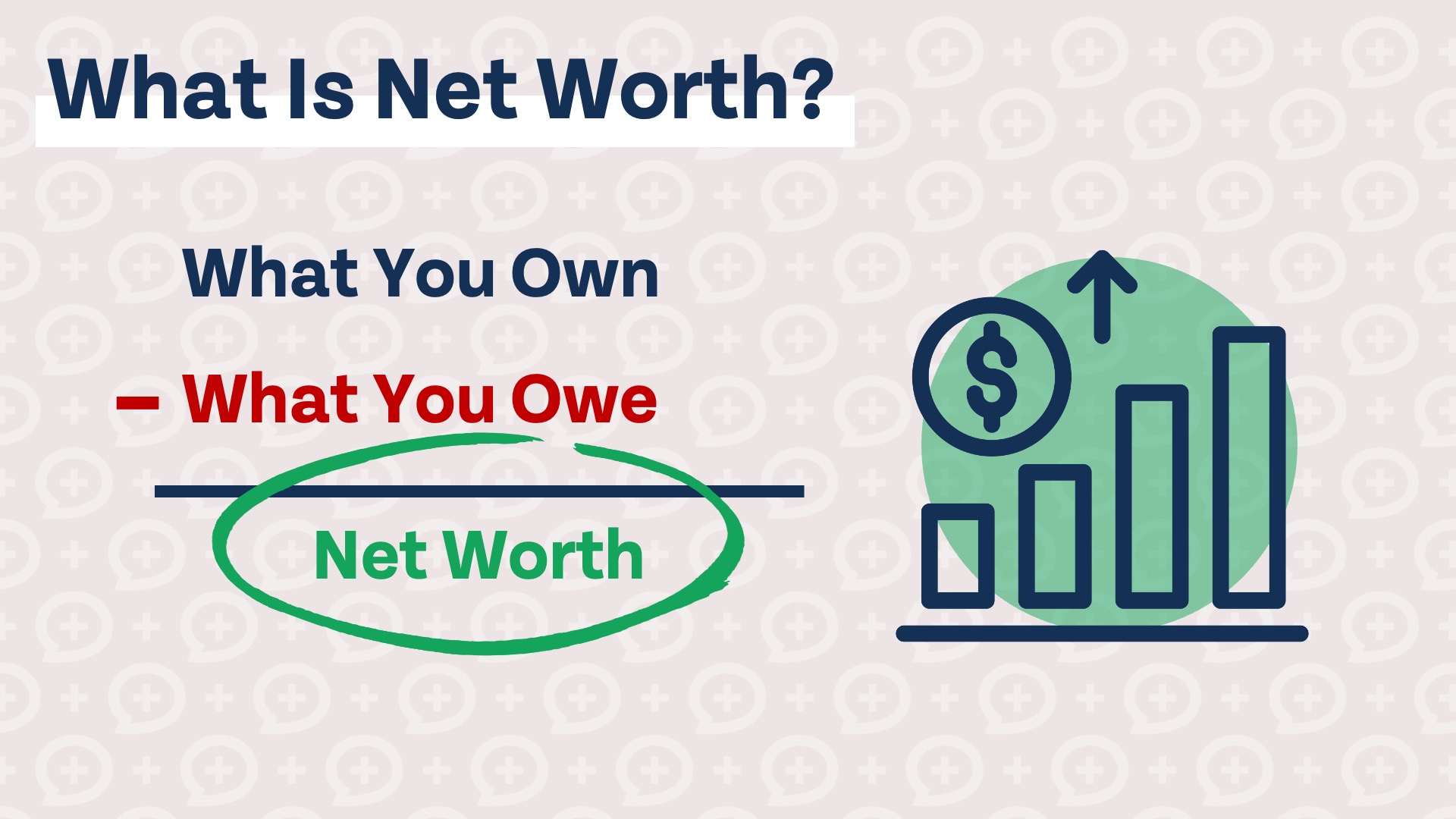
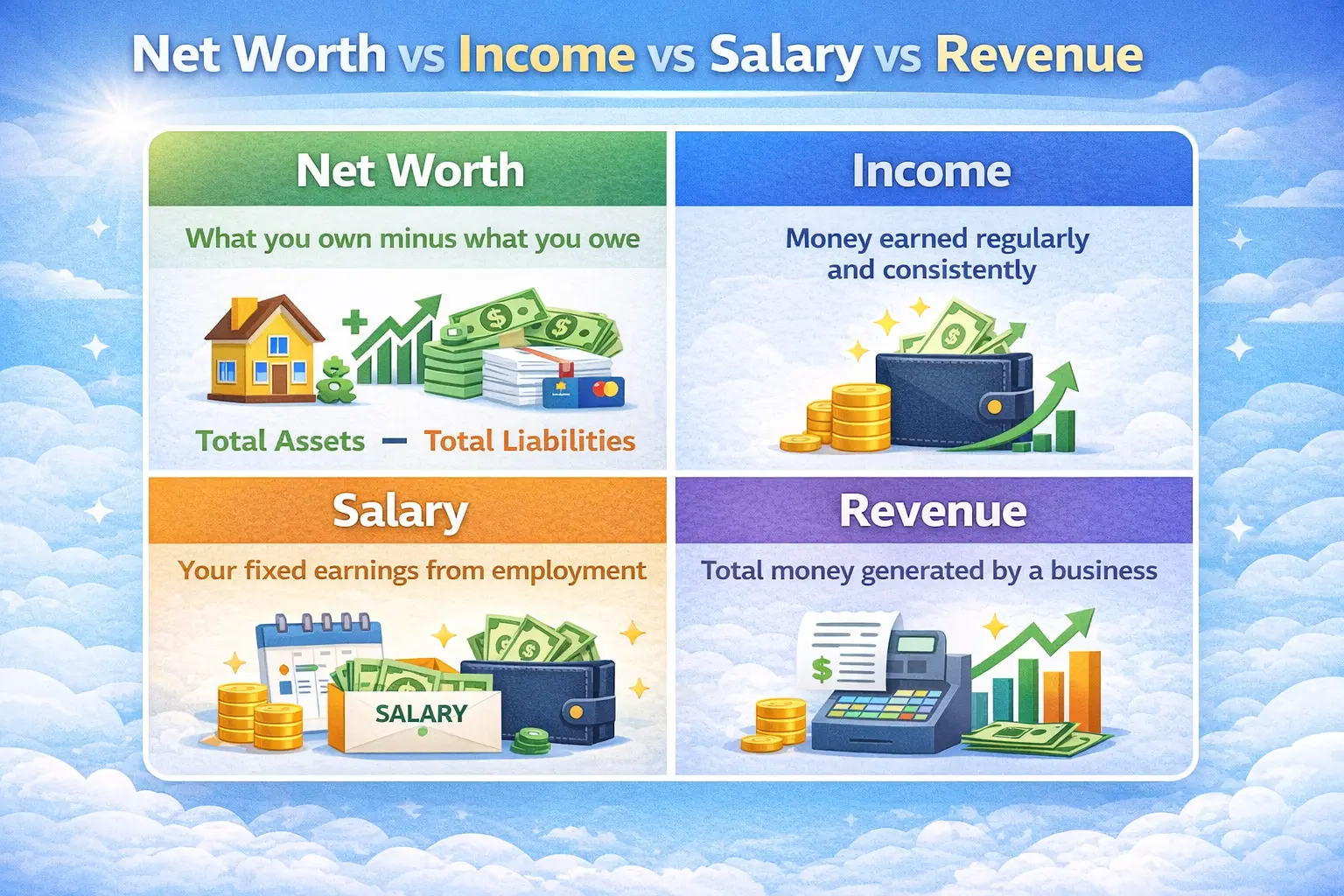
When examining the financial standing of individuals or family names in business, a clear distinction must be maintained between public corporate valuations and private net worth. Net worth represents the total value of an individual's assets minus their liabilities. For private citizens or entrepreneurs, this calculation relies on estimates from secondary sources, real property deeds, business registry filings, and historical corporate transactions.
Unlike publicly traded corporate executives whose holdings are mandated by the Securities and Exchange Commission (SEC) to be reported via Form 4 or proxy statements, private business owners operate without the same transparency requirements. Consequently, figures published online regarding private figures often vary wildly. Financial analysts look at specific indicators—such as ownership stakes in LLCs, commercial real estate holdings, and historical exit valuations—to construct a credible baseline rather than accepting speculative internet figures at face value.
Sources of Wealth Generation in Business and Real Estate
Wealth accumulation typically stems from diversified income streams, capital allocation strategies, and asset appreciation over time. For business leaders and entrepreneurs sharing the Bowers surname who have appeared in commercial registries, capital typically flows from several distinct economic sectors.
Business Operations and Equity Stakes
Operating a successful enterprise generates wealth through retained earnings, shareholder dividends, and eventual corporate acquisitions. When an individual holds a controlling interest in a closely held corporation or limited liability company, their net worth is heavily tied to the valuation of that business. Analysts determine this value using methodologies such as:
- Discounted Cash Flow (DCF): Projecting future free cash flows and discounting them to present value.
- Comparable Company Analysis (CCA): Benchmarking the enterprise against similar publicly traded or recently acquired firms within the same niche.
- Asset-Based Valuation: Totaling the tangible and intangible assets minus total liabilities.
Real Property and Tangible Assets
Real estate serves as a foundational pillar for long-term wealth preservation and growth. Commercial and residential property holdings contribute significantly to overall net worth. Real estate equity increases through principal paydown on mortgages, localized market appreciation, and strategic property development. Public land registry records often provide tangible verification of property ownership, providing analysts with a reliable metric to gauge baseline asset value.
Evaluating Public Estimates Versus Verified Assets
To understand how financial estimates are formulated, it is helpful to look at the differences between verified asset classes and unverified public claims. The table below outlines how various asset types are typically verified and their impact on overall financial evaluation.
| Asset Class | Verification Method | Reliability Level | Impact on Net Worth Calculation |
|---|---|---|---|
| Real Estate Holdings | County deeds, property tax assessments, mortgage registries | High | Provides concrete floor value based on market comparables and equity. |
| Corporate Equity | State business filings, annual reports, partnership agreements | Moderate to High | Fluctuates based on industry multiples and revenue performance. |
| Liquid Cash and Securities | Brokerage statements, public disclosures (if applicable) | Low (for private individuals) | Highly volatile; typically estimated based on known transactional history. |
| Personal Valuables | Insurance policies, auction records | Low | Minor impact relative to real estate and business equity. |
Factors That Influence Net Worth Fluctuations
Net worth is not a static figure; it fluctuates constantly in response to macroeconomic conditions, industry shifts, and personal financial decisions. Understanding these variables provides context as to why estimates change over time.
Macroeconomic Conditions
Interest rate shifts by central banks directly impact borrowing costs, asset valuations, and real estate capitalization rates. During periods of high interest rates, asset valuations often compress, reducing the paper net worth of individuals heavily invested in capital-intensive industries or leveraged real estate. Conversely, low-interest environments tend to inflate asset prices, driving up estimated net worth figures.
Debt Obligations and Liabilities
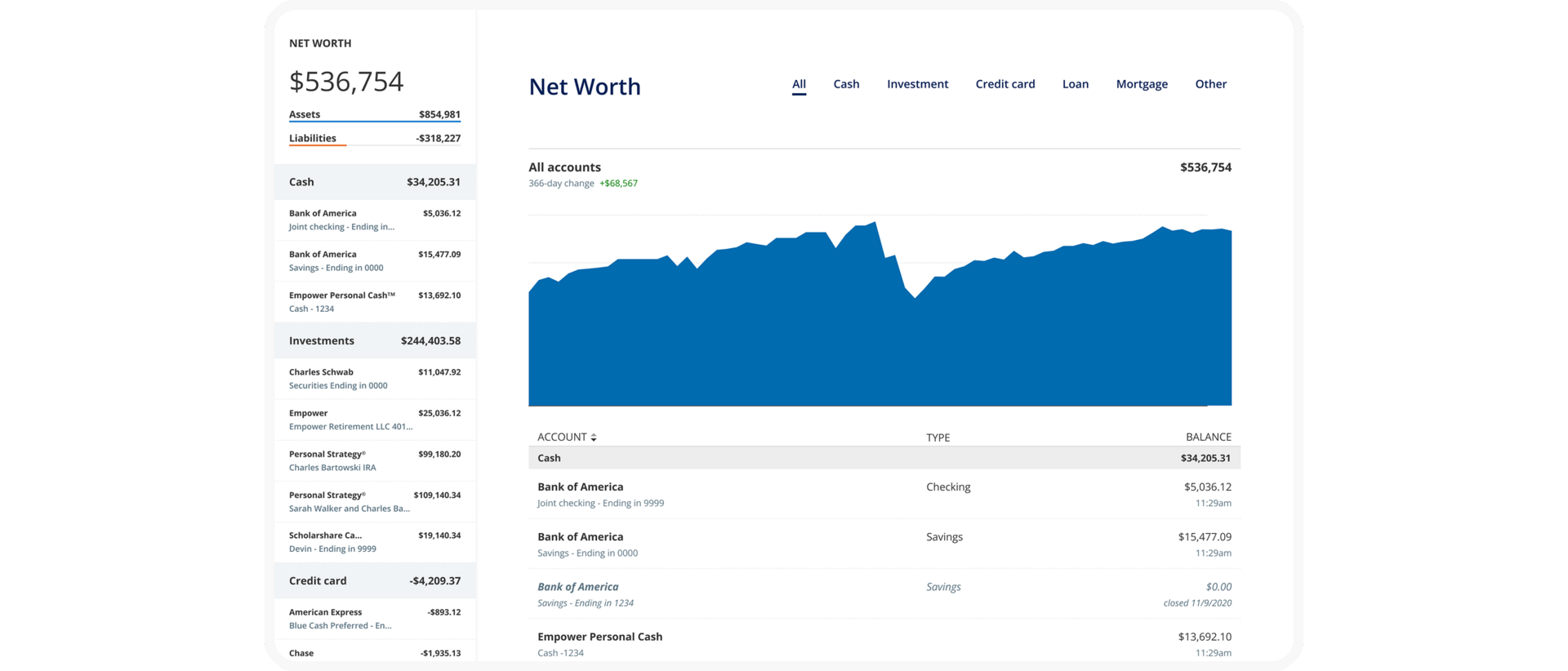
A common error in public wealth estimation is focusing solely on gross assets while ignoring liabilities. Total net worth is strictly calculated by subtracting all debts—such as mortgages, commercial loans, lines of credit, and personal liabilities—from total asset value. High gross revenue or substantial property portfolios do not automatically translate to a massive net worth if encumbered by significant leverage.
Common Misconceptions Regarding Wealth Estimations
The digital landscape hosts numerous websites dedicated to publishing estimated net worths for private individuals, public figures, and business owners. Many of these platforms rely on automated algorithms, unverified rumors, and generalized industry data rather than primary sources.
Readers should approach online net worth aggregators with caution. Without access to private tax returns, audited financial statements, and confidential debt schedules, any stated figure remains an educated approximation at best. True financial standing can only be accurately assessed when individuals undergo formal financial audits, estate planning evaluations, or execute transparent public disclosures during major corporate transactions.
Frequently Asked Questions
What is net worth, and how is it calculated?
Net worth is the total monetary value of all physical and financial assets owned by an individual or entity, minus all outstanding liabilities and debts. It provides a snapshot of financial health at a specific moment in time.
Why do online estimates of private net worth vary so much?
Online estimation sites rely on algorithms and secondary reports rather than verified financial documents. Because private business owners are not required to disclose their personal finances, these sites often guess based on broad industry averages.
How do real estate holdings impact a person's net worth?
Real estate contributes to net worth through equity, which is calculated as the current market value of the property minus the remaining mortgage balance. As properties appreciate and loans are paid down, equity increases.
Are business revenues the same as net worth?
No. Business revenue represents the total amount of money brought in by a company's operations, whereas net worth reflects accumulated assets minus liabilities. High revenue does not guarantee high net worth if operational expenses and debts are equally large.
Where can verified financial information be found?
Verified financial data for private individuals is generally restricted to public registries such as county real estate deeds, state corporate filings, and court records. Public corporate data is found via regulatory bodies like the SEC.
Practical Next Steps for Financial Analysis
For those researching wealth management, corporate evaluation, or asset protection strategies, relying on structured methodologies is essential. Always cross-reference claims with primary public records, such as state business registries and property deeds, rather than unverified biographical summaries. Consulting certified financial planners, tax professionals, or corporate legal counsel provides accurate guidance when assessing business valuations and investment portfolios.
Image Gallery