Understanding the Bronx Ethnicity Landscape
As of 2026, the Bronx ethnicity landscape is defined by its status as the most diverse borough in New York City, featuring a dominant Hispanic majority (approximately 56%), a substantial Black and African American population (30%), and...
As of 2026, the Bronx ethnicity landscape is defined by its status as the most diverse borough in New York City, featuring a dominant Hispanic majority (approximately 56%), a substantial Black and African American population (30%), and rapidly growing enclaves of West African and South Asian immigrants. This demographic tapestry reflects a century of migration, urban evolution, and cultural preservation.
Contents
The Historical Architecture of Bronx Demographics
To understand the Bronx ethnicity landscape in 2026, one must first look at the historical shifts that transformed it from a rural collection of farmsteads into a dense urban mosaic. In the early 20th century, the borough was primarily home to European immigrant groups, including Irish, Italians, and German Jews. These communities settled in neighborhoods like the Grand Concourse and Pelham Bay, seeking an escape from the overcrowded tenements of Manhattan’s Lower East Side.
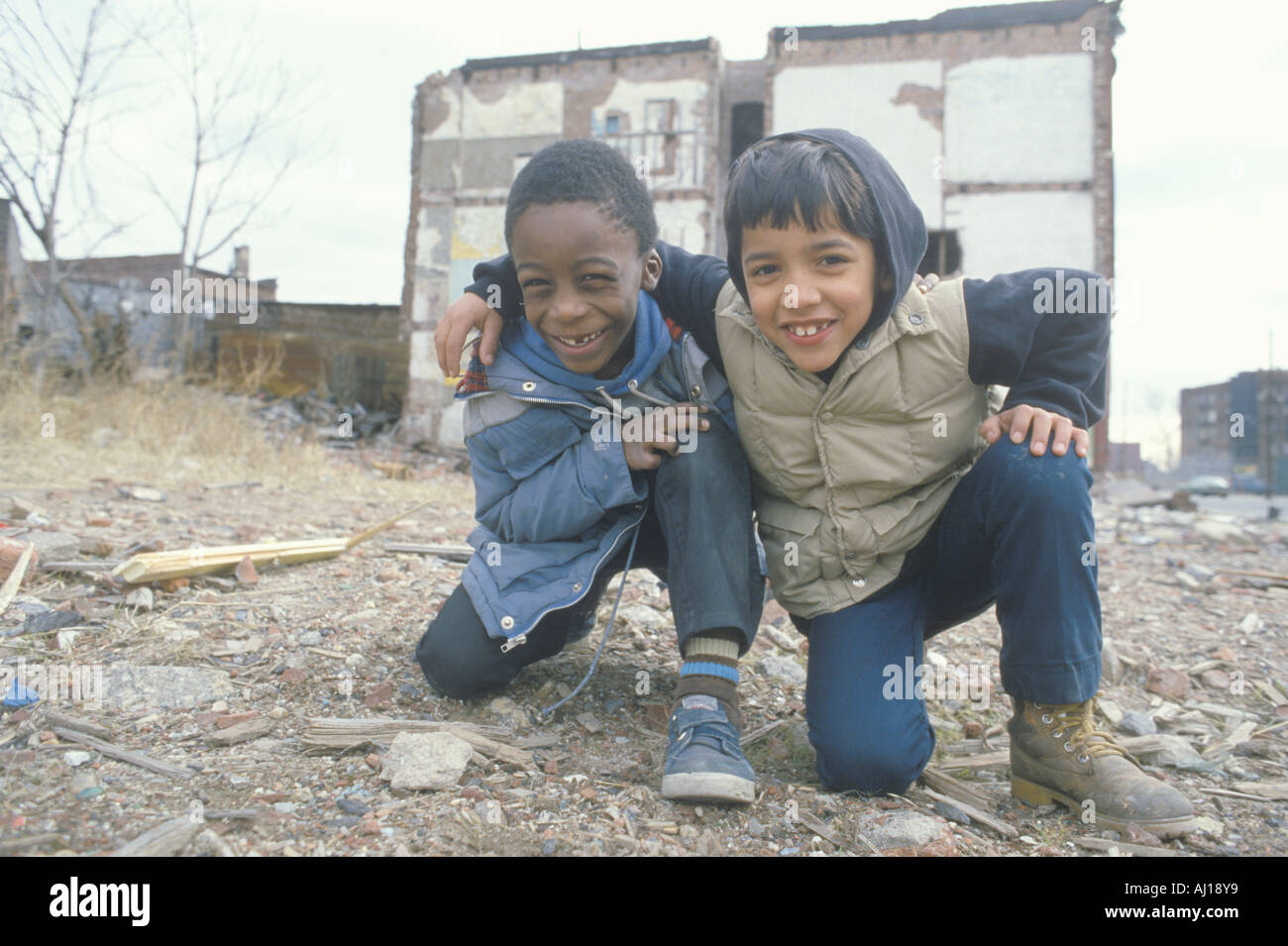
Following World War II, the borough underwent a radical transformation. The "Great Migration" brought thousands of African Americans from the Southern United States, while simultaneously, the first major wave of Puerto Rican migration—spurred by "Operation Bootstrap"—redefined the South Bronx. By the 1970s and 1980s, "white flight" to the suburbs of Westchester and Long Island significantly reduced the European-descendant population, leaving behind a predominantly Black and Latino borough.
In 2026, we see the results of a "second wave" of immigration that began in the late 1990s. This includes a massive influx of Dominicans, Mexicans, and West Africans, alongside a smaller but notable return of young professionals to the "Piano District" and other South Bronx corridors. This layered history ensures that the Bronx is not a monolith but a collection of distinct ethnic geographies.
The Dominance of the Hispanic and Latino Community
The Hispanic community remains the demographic cornerstone of the Bronx. However, the internal composition of this group has shifted significantly over the last decade. While Puerto Ricans were historically the largest group, the 2020s have seen the Dominican population achieve parity and, in many districts, surpass them.
Puerto Rican Heritage and the Nuyorican Legacy
The Bronx is home to one of the largest concentrations of Puerto Ricans in the world. Neighborhoods like Soundview and Castle Hill remain cultural bastions where the "Nuyorican" identity—a blend of New York and Puerto Rican culture—is most visible. In 2026, while many younger Puerto Ricans have moved to Florida or Pennsylvania for lower costs of living, the institutional footprint remains strong through community centers, murals, and political representation.
The Dominican Expansion
The Dominican population has expanded from its traditional base in Washington Heights (Manhattan) into the West Bronx. Areas such as University Heights, Highbridge, and Kingsbridge are now vibrant Dominican hubs. The local economy in these areas is heavily influenced by Dominican entrepreneurship, from bodegas to specialized salons and restaurants. This group is currently the primary driver of Hispanic demographic growth in the borough.
Mexican and Central American Growth
A more recent development is the growth of the Mexican community, particularly in Mott Haven and Port Morris. Unlike the Caribbean-centric Latino populations, the Mexican community has introduced a different cultural and linguistic flavor to the borough, often filling essential roles in the borough’s construction and service sectors.
The African Diaspora: From the Great Migration to West African Enclaves
The Black ethnicity landscape in the Bronx is extraordinarily diverse, comprising US-born African Americans, Afro-Caribbeans, and a surging population of continental Africans.
The central Bronx, specifically the corridor along the B and D subway lines, is home to a massive West African community. Neighborhoods like Highbridge and Concourse have earned the nickname "Little Ghana" due to the high concentration of Ghanaian immigrants. Alongside them, sizable communities from Nigeria, Gambia, and Mali have established mosques, churches, and traditional markets. These groups have revitalized local commercial strips that had seen disinvestment in previous decades.
The Afro-Caribbean population, particularly those from Jamaica and Trinidad, remains concentrated in the Northeast Bronx. Neighborhoods such as Baychester, Edenwald, and Wakefield provide a more suburban feel compared to the South Bronx, with high rates of homeownership among these immigrant families. The influence of Caribbean culture is most palpable during the summer months, marked by neighborhood festivals and the prevalence of West Indian cuisine.
European Pockets and Persistent Ethnic Enclaves
While the Bronx is majority-minority, several neighborhoods retain a strong European heritage, though even these areas are becoming more multicultural in 2026.
The "Little Italies" and Albanian Growth
Belmont, centered around Arthur Avenue, remains the most famous Italian enclave in the city. While many of the residents are now Latino or Albanian, the commercial core remains strictly Italian-American, serving as a regional destination for authentic cuisine.
Adjacent to Belmont, and extending into Pelham Parkway and Morris Park, is a massive Albanian community. Since the late 20th century, Albanians have become a dominant force in the Bronx’s real estate and property management sectors. In 2026, Morris Park represents a unique blend where traditional Italian social clubs sit alongside Albanian cafes and a growing Yemeni population.
Woodlawn: The Emerald Isle in the North
Woodlawn, located at the very northern tip of the borough, remains one of the most distinctly Irish neighborhoods in the United States. Often called "Little Ireland," it houses both long-settled Irish-American families and a steady stream of "new Irish"—young immigrants from Ireland working in the city's construction and hospitality industries.
The Asian and Middle Eastern Emergence
Though smaller in percentage compared to other boroughs, the Asian population in the Bronx has seen significant percentage growth leading into 2026. This growth is concentrated in specific "micro-neighborhoods."
Parkchester and Castle Hill have become significant hubs for South Asians, particularly Bangladeshis. This community has established a robust infrastructure of halal markets and community centers, mirroring the growth seen in parts of Queens. Additionally, the Yemeni community has expanded significantly in the Pelham Parkway area, where they have become central figures in the borough's small-business economy.
Demographic Distribution by Key Neighborhoods
The following table outlines the dominant and emerging ethnic groups in key Bronx neighborhoods as of 2026 data projections.
| Neighborhood | Primary Ethnicity | Secondary/Emerging Group | Cultural Landmark/Hub |
|---|---|---|---|
| Mott Haven | Hispanic (Mexican/PR) | White (Young Professional) | The Piano District |
| Belmont | Hispanic (Dominican) | Italian / Albanian | Arthur Avenue |
| Highbridge | Hispanic (Dominican) | West African (Ghanaian) | Yankee Stadium Corridor |
| Woodlawn | White (Irish) | Hispanic | McLean Avenue |
| Parkchester | Black (African American) | Asian (Bangladeshi) | Parkchester Condominiums |
| Riverdale | White (Jewish/Irish) | Hispanic / Asian | Wave Hill |
| Wakefield | Black (Caribbean) | Hispanic (Central Amer.) | White Plains Road |
Socio-Economic Influences on the 2026 Landscape
The ethnicity landscape of the Bronx is not static; it is heavily influenced by the "affordability crisis" affecting the rest of New York City. As Brooklyn and Queens have become increasingly expensive, the Bronx has seen a two-pronged demographic shift.
First, there is "internal displacement," where long-term residents are moving further north into Westchester County or out of state. Second, there is "in-migration" from other boroughs. This includes college-educated professionals of all races moving to the South Bronx for its proximity to Manhattan. This has led to a slight increase in the "White" demographic in areas like Port Morris, which had been almost entirely industrial and Latino for decades.
Furthermore, the Bronx remains a critical "entry point" for new immigrants. The borough’s relatively lower rents (compared to Manhattan) and established immigrant networks make it a logical destination for new arrivals from West Africa and South Asia. This ensures that the borough’s demographic "youth" remains a distinguishing factor, as these immigrant groups typically have higher birth rates than the city average.
Frequently Asked Questions
Which neighborhood in the Bronx is the most diverse?
Parkchester is often cited as the most diverse neighborhood. While it has a high Black and Hispanic population, it has seen the most significant growth in South Asian and Middle Eastern residents over the last decade, creating a truly global micro-environment.
Is the Bronx still majority Hispanic in 2026?
Yes. Approximately 56% of the Bronx population identifies as Hispanic or Latino. It remains the only borough in New York City with a Hispanic majority, a status it has maintained since the late 20th century.
Where is the largest African immigrant community located?
The highest concentration of African immigrants is in the West Bronx, particularly in the Highbridge, Concourse, and Morrisania sections. These areas have robust Ghanaian, Nigerian, and Gambian populations.
Has gentrification changed the ethnic makeup of the South Bronx?
Gentrification has introduced more racial diversity to the South Bronx, specifically an increase in White and Asian young professionals. However, as of 2026, the area remains overwhelmingly Hispanic and Black, with the new demographic representing a small but visible minority in specific luxury developments.
What is the most common language spoken in the Bronx after English?
Spanish is by far the most common, spoken in over half of all households. However, in specific neighborhoods, you will hear high concentrations of West African dialects (like Twi), Albanian, and Bengali.
Practical Recommendations for Researchers and Residents
For those looking to engage with the Bronx ethnicity landscape—whether for urban planning, real estate investment, or cultural exploration—it is essential to look beyond borough-wide statistics. The "Real Bronx" is found in the transition between blocks.
- Use Micro-Data: Rely on the NYC Population FactFinder provided by the Department of City Planning for census-tract level insights, as neighborhood boundaries in the Bronx often overlap.
- Visit Cultural Hubs: To understand the Dominican influence, visit the markets along Jerome Avenue. For Irish heritage, McLean Avenue in Woodlawn is the primary corridor.
- Monitor Housing Trends: Observe the NYC Department of Housing Preservation and Development (HPD) reports, as new affordable housing lotteries often dictate which ethnic groups can afford to stay or move into specific neighborhoods.
Understanding the Bronx in 2026 requires recognizing it as a gateway. It is a place where historical legacies meet new immigrant ambitions, creating a landscape that is constantly renewing itself while remaining anchored in its diverse roots.
Image Gallery