How to Find the Nearest Indian Grocery Store: Apps, Chains, and Local Search Strategies
Finding the nearest Indian grocery store requires combining general navigation tools with targeted search terms, regional chain locators, and specialized delivery services. Whether you are searching for daily kitchen staples like basma...
Finding the nearest Indian grocery store requires combining general navigation tools with targeted search terms, regional chain locators, and specialized delivery services. Whether you are searching for daily kitchen staples like basmati rice and chana dal or hard-to-find items like fresh curry leaves and specialized spices, using optimized digital platforms and local community resources ensures you find verified locations quickly.
Contents
1. Using Search Engines and Navigation Apps Effectively
Digital mapping platforms are the fastest way to locate active food markets in your immediate area. However, default searches like "grocery store" often yield broad results, prioritizing major conventional supermarkets that carry minimal South Asian inventory. To surface authentic Indian markets, you must use intent-specific search terms and adjust your app settings.
Optimizing Search Queries
Standard map algorithms categorize stores based on user tags and business registration categories. To filter out general supermarkets and focus strictly on South Asian purveyors, try entering targeted keywords into Google Maps, Apple Maps, or Waze:
- Broad Regional Terms: Search for "Indian grocery," "South Asian market," or "Desi supermarket."
- Item-Specific Searches: Querying specific regional staples—such as "attabread flour," "panipuri shells," "mustard oil," or "fresh drumsticks vegetable"—often pinpoints independent neighborhood markets that do not advertise under generic store listings.
- Sub-Continent Variations: Many markets carry inventory serving wider South Asian cuisines. Searching for "Pakistani grocery," "Bangladeshi market," or "Nepali store" often leads to locations with extensive overlaps in shared spices, lentils, and produce.
Evaluating Map Listings and Reviews
Once search results appear, verify the store's viability before traveling:
- Check User Photos: Scroll to recent customer photos focusing on the shelves and produce section. Look for dedicated bins of lentils (dals), large bags of rice (5 to 20 lbs), and refrigerated display cases containing fresh paneer or yogurt (dahi).
- Review Operating Hours: Independent ethnic grocers frequently adjust operating schedules around religious holidays or specific shipment arrival dates. Verify that the business profile reflects recent activity.
- Read Recent Reviews: Filter reviews by terms like "fresh produce," "sweets," or "spices" to determine whether the store functions as a full-service supermarket or a smaller convenience shop focused primarily on snacks and packaged goods.
2. Searching Major Indian Grocery Chains
If you live in a metropolitan or suburban area with a sizable South Asian population, regional and national grocery chains offer the widest selection of staples, fresh goods, and household cookware. Rather than relying solely on map searches, check the official store locators of established retail chains.
- Finding an Indian Grocery Store
- Navigation Apps (Google/Apple) - "Indian market"
- Regional Chains (Patel Brothers/Subzi Mandi)
- Online & Express (Instacart/Weee!/Quicktly)
- Verify Stock, Produce Schedules, and Community Reviews
Patel Brothers
Patel Brothers is the largest and most widely recognized Indian supermarket chain in North America, operating dozens of stores across more than 20 states. They specialize in an extensive array of South Asian spices, lentils, frozen meals, fresh produce, and house-brand goods (Raja). Using the official Patel Brothers store locator on their website provides verified addresses, contact numbers, and operating hours for all current locations.
Subzi Mandi Cash & Carry
Subzi Mandi operates primarily across the Northeastern United States and select suburban markets. These stores focus heavily on high-volume bulk goods, fresh daily produce, and regional snacks. Their store inventory caters to both North and South Indian cooking traditions.
Regional and Independent Multi-Store Brands
Depending on your geographic location, prominent regional chains provide comprehensive inventory equivalent to national grocers:
- India Bazaar: Primarily serving the Southern United States (particularly Texas), offering online ordering, loyalty programs, and expansive fresh produce departments.
- Cherians: A major South Asian supermarket hub serving the Southeastern U.S., featuring extensive pan-Asian and Middle Eastern cross-over items alongside traditional Indian staples.
- Apna Bazaar / Lotte Plaza Markets: Common in the Mid-Atlantic and East Coast, these locations offer a broad selection of South Asian groceries, often situated alongside international food stalls.
- Subzi Mandi Express / Local Cooperatives: Common in West Coast metro areas (such as the San Francisco Bay Area and Greater Seattle), offering quick-service access to everyday cooking ingredients.
3. Digital Delivery Options and Online Specialty Retailers
When physical storefronts are not situated within driving distance, digital delivery platforms offer a viable alternative. Many services specialize in local same-day delivery from regional ethnic markets, while direct-to-consumer e-commerce sites ship shelf-stable goods nationwide.
On-Demand Grocery Apps
- Instacart: Many local independent Indian grocers partner with Instacart for local fulfillment. By entering your zip code and filtering by "International" or searching directly for "Indian spices," you can locate nearby partner stores that deliver within a few hours.
- Weee!: A specialized Asian and Hispanic e-grocery platform operating in major North American urban centers. Weee! features a dedicated South Asian storefront offering fresh vegetables (such as bitter gourd, bottle gourd, and fresh curry leaves), regional sweets, dairy products, and dry staples.
- Quicktly: An online marketplace dedicated specifically to South Asian goods. Quicktly partners with local markets, bakeries, and restaurants in major metropolitan areas to deliver fresh groceries, meal kits, and specialty sweets directly to neighborhood addresses.
Direct-to-Consumer National Shipping
If you only require shelf-stable staples—such as whole spices, lentils, basmati rice, ghee, or canned goods—national online retailers supply direct home delivery:
- Amazon Fresh / Prime: Stock major Indian grocery brands like Deep, Swad, Laxmi, 24 Mantra Organic, and MDH.
- Specialty Indian E-Grocers: Platforms like DesiBasket, iShopIndian, and Distacart ship non-perishable pantry items, authentic cookware (such as pressure cookers and tawas), and specialized regional ingredients directly from distribution warehouses.
4. Discovery Methods Compared
Choosing the best method to find an Indian grocery store depends on your location, immediate need for fresh produce, and budget constraints.
| Discovery Method | Best For | Pros | Cons |
|---|---|---|---|
| Google / Apple Maps | Immediate, nearby store discovery | Real-time directions, store hours, customer photos | May miss small unindexed shops; search algorithms vary |
| Chain Store Locators | Finding established, full-service supermarkets | Guaranteed full inventory, standardized pricing | Limited to areas with dense South Asian populations |
| Local Community Groups | Locating niche items and fresh produce drops | Authentic recommendations, tips on fresh delivery days | Requires manual browsing; non-standardized advice |
| Same-Day Apps (Instacart/Weee!) | Immediate home delivery without driving | Convenient, shows real-time item availability | Service fees, markup on store prices, limited delivery radius |
| National Online Stores | Hard-to-find non-perishable shelf goods | Delivers anywhere, wide selection of dry spices/cookware | Cannot deliver fresh produce easily; shipping costs may apply |
5. Locating Stores via Community Networks and Social Media
When standard map algorithms fail to list small, independent stores, local community networks offer valuable crowdsourced intelligence. Ethnic markets frequently rely on word-of-mouth marketing or local social channels rather than formal digital marketing.
Regional Social Media Groups
Search Facebook, Reddit, or Nextdoor using your city name combined with terms like "Indian Community," "Desi Living," or "International Foodies." For instance, searching Reddit subreddits like r/IndianFood or local city subreddits (e.g., r/Austin, r/Chicago) for "best Indian grocery" routinely yields updated threads detailing store openings, hidden neighborhood shops, and specific fresh-produce delivery schedules.
University and Cultural Center Directories
Universities with international student populations or city cultural centers often publish informal housing and shopping guides. These resources frequently list local specialty markets, ethnic butcher shops, and halal markets that carry South Asian ingredients.
6. How to Evaluate Store Types and Inventory
Not all Indian grocery stores carry the same range of items. Understanding the distinctions between retail formats helps ensure you visit a store that meets your specific cooking requirements.
- Types of Indian Stores
- Mega-Chains: Full produce, frozen goods, houseware
- Neighborhood: Dry goods, spices, basic daily produce
- International: Mixed inventory, specialized meat counters
Full-Scale Supermarkets
Large retail stores (such as Patel Brothers or flagship independent supermarkets) measure over 10,000 square feet and provide comprehensive inventories:
- Produce: Fresh seasonal items including snake gourd, tindora, fenugreek leaves (methi), green chilies, coriander, and fresh coconut.
- Refrigerated/Frozen Section: Ready-to-eat parathas, samosas, paneer, imported ice creams (kulfi), and idli/dosa batter.
- Cookware: Stainless steel thali sets, pressure cookers, spice boxes (masala dabba), and heavy-bottomed frying pans (kadhai).
Neighborhood Spice and Snack Shops
Smaller storefronts often emphasize non-perishable goods, high-margin spices, tea, and packaged snacks. While they carry essential staples like flour, rice, ghee, and basic lentils, their fresh produce selection may be limited to weekly shipments of essentials like curry leaves and ginger.
Combined South Asian and Middle Eastern Markets
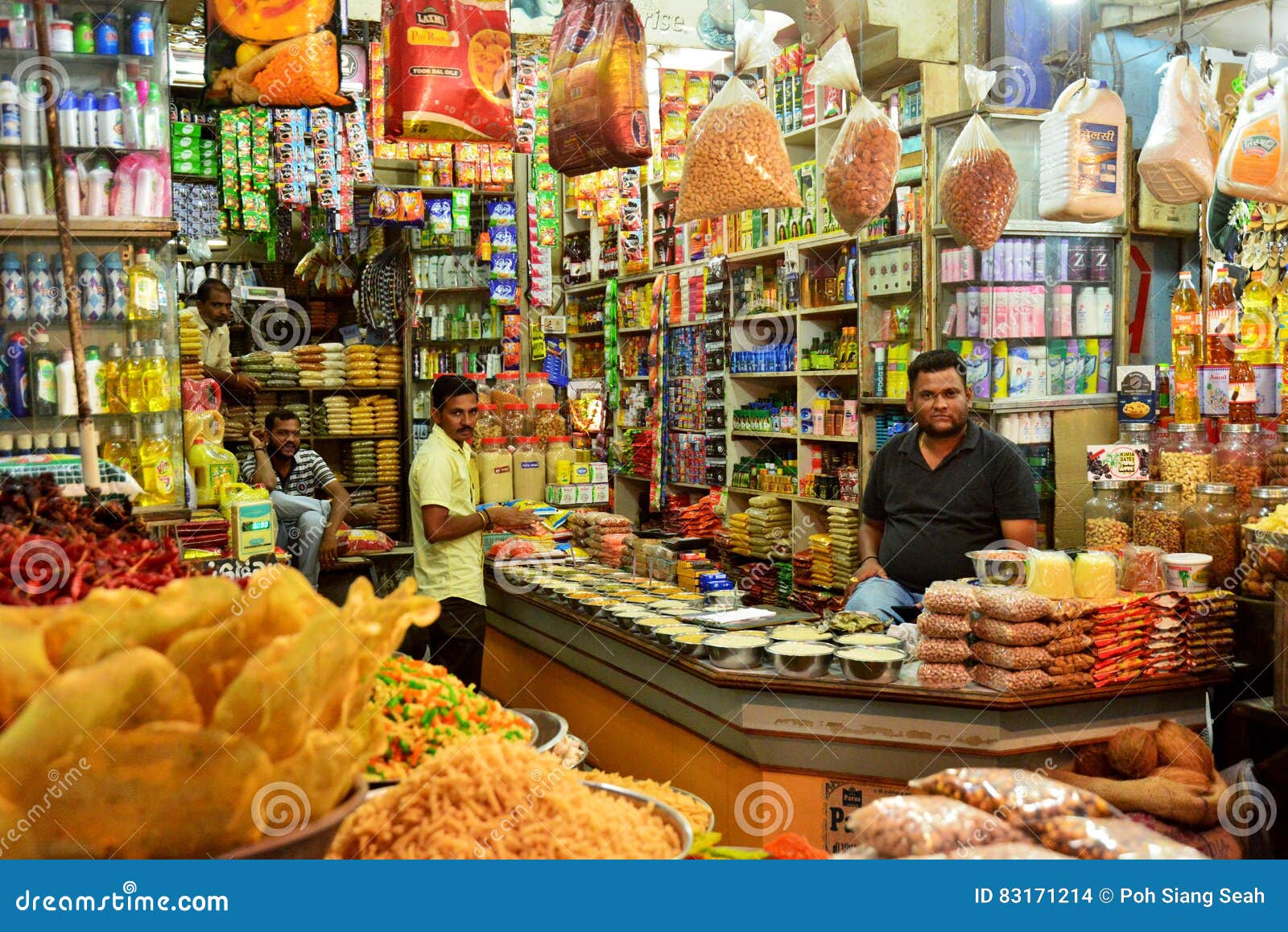
In smaller suburban or rural communities, grocers often consolidate inventory to serve multiple diaspora communities. These markets routinely combine Indian spices and rice with Middle Eastern, Mediterranean, or Halal meat departments. They are excellent sources for whole spices, nuts, legumes, and fresh flatbreads.
7. Practical Shopping Strategies for First-Time Visitors
Once you locate a store, navigating the aisles efficiently requires an understanding of store layouts and stock schedules.
- Ask for Fresh Produce Arrival Days: Independent stores typically receive fresh produce shipments once or twice a week (often on Tuesdays or Thursdays). Asking store clerks for their delivery schedule ensures you purchase fresh herbs like coriander, mint, and curry leaves at peak quality.
- Buy Whole Spices in Bulk: Specialty Indian grocers sell whole spices—such as cumin, cardamom, mustard seeds, and cinnamon sticks—in larger quantities and at significantly lower unit prices than mainstream grocery baking aisles.
- Check Flour Type Classifications: When buying wheat flour for flatbreads, look specifically for Atta (durum whole wheat flour ground finely), which differs from standard Western all-purpose or whole wheat bread flour.
- Explore the Frozen Aisle for Convenience Items: For complex dishes requiring extensive preparation, frozen sections offer pre-cut vegetables, shredded coconut, grated ginger-garlic paste, and regional breads ready for heating.
Frequently Asked Questions
What are the best search keywords to find authentic Indian ingredients locally?
Use terms like "Indian supermarket," "Desi grocery," "South Asian market," or search for specific ingredients like "Atta flour," "Paneer," or "Curry leaves." Searching for specialized chain names like "Patel Brothers" or "Subzi Mandi" also surfaces nearby locations.
Do mainstream supermarkets carry Indian groceries?
Many major conventional supermarkets maintain international food aisles carrying popular brands (such as Deep, Patak's, or Maya Kaimal). However, their selection is typically limited to jarred sauces, basic curry powders, and pre-packaged rice. For whole spices, fresh regional produce, or specialized lentils, dedicated ethnic grocers are required.
Can I get fresh Indian produce delivered if I live far from a store?
Yes. Specialty e-commerce platforms like Weee! and Quicktly deliver fresh produce, dairy, and regional vegetables across broad geographic delivery zones. Additionally, standard online retailers ship shelf-stable goods nationwide.
What days are best to visit local Indian grocery stores for fresh stock?
Most independent markets receive fresh produce shipments once or twice a week, commonly on Tuesday or Thursday afternoons. Visiting on or immediately after shipment days guarantees the best selection of delicate leafy herbs and regional vegetables.
Are South Asian groceries certified Halal or Vegetarian?
Many Indian grocery stores clearly label products to reflect dietary standards. Because a large portion of Indian cuisine is vegetarian, products imported from India carry a standardized green dot symbol for vegetarian items or a brown dot symbol for non-vegetarian items. Stores carrying fresh meat departments frequently display clear Halal certification signs.
Next Steps
To find the nearest Indian grocery store today, open your preferred mapping app and search using specific terms like "Indian grocery store" or "Desi market." If no storefronts appear within driving distance, enter your zip code into local delivery platforms such as Instacart or Weee! to check for regional delivery coverage. For non-perishable pantry items like lentils, ghee, and whole spices, order directly from national online specialty distributors to stock your kitchen efficiently.
EDITORIAL CATEGORY METADATA:
Image Gallery