What Is the Parent Company of Grammarly? Corporate Ownership & Structure Explained
Grammarly does not have a parent company. It is an independent, privately held corporation operating under the legal entity name Grammarly, Inc. Founded in 2009, the digital writing assistant company remains self-governed and backed by...
Grammarly does not have a parent company. It is an independent, privately held corporation operating under the legal entity name Grammarly, Inc. Founded in 2009, the digital writing assistant company remains self-governed and backed by major venture capital firms rather than owned by a larger technology conglomerate like Microsoft, Alphabet (Google), or Meta.
Contents
Is Grammarly Owned by a Tech Giant?
Because Grammarly integrates seamlessly across popular desktop and web applications—including Microsoft Word, Google Docs, Apple Pages, and web browsers—users frequently assume that one of the major technology giants owns the platform. However, Grammarly is entirely independent.
- Is Grammarly owned by Microsoft? No. While Grammarly competes with and complements tools inside Microsoft 365 (such as Microsoft Editor and Microsoft Copilot), Microsoft holds no parent ownership stake in Grammarly, Inc.
- Is Grammarly owned by Google (Alphabet Inc.)? No. Grammarly provides popular extensions for Chrome and integrations for Google Docs, but Alphabet Inc. is not its parent organization.
- Is Grammarly owned by Meta or Salesforce? No. Neither social media platforms nor enterprise CRM vendors own Grammarly.
Instead of operating as a subsidiary inside a broader technology enterprise, Grammarly, Inc. functions as a standalone Software-as-a-Service (SaaS) provider. Its corporate focus centers entirely on communication assistance, generative AI capabilities, and enterprise productivity software.
The Corporate Origins and History of Grammarly, Inc.
Understanding Grammarly's independence requires examining its founding and corporate evolution. The company was established in 2009 by Ukrainian entrepreneurs Alex Shevchenko, Max Lytvyn, and Dmytro Lider.
Prior to creating Grammarly, Shevchenko and Lytvyn developed MyDropBox, an early plagiarism-detection service designed for academic institutions. After Blackboard acquired MyDropBox in 2007, the founders turned their focus toward helping students and professionals improve their writing mechanics before submission, leading directly to the founding of Grammarly.
Initially launched as an online subscription service for higher education students, Grammarly shifted its core strategy toward consumer and enterprise market segments. Over the following decade, the company expanded its feature set from basic spelling and grammar checks to context-aware tone adjustments, clarity suggestions, brand-style guide enforcement, and advanced generative artificial intelligence (AI).
Grammarly is incorporated in the United States, maintaining its global headquarters in San Francisco, California. To support its global user base and international workforce, Grammarly operates hubs across North America and Europe, including offices in Vancouver, New York, and Kyiv.
Ownership Structure: Venture Capital and Key Investors
Although Grammarly does not have a parent company, its equity is distributed among its founders, key employees, and institutional venture capital investors. For the first eight years of its existence, Grammarly operated as a bootstrapped, profitable business without relying on outside venture funding.
In 2017, the company opened its capital structure to strategic investment rounds to accelerate its machine learning development and scale its enterprise offerings.
Key Investment Rounds and Valuation Milestones
- May 2017 (First Institutional Funding): Grammarly raised $110 million in an investment round led by General Catalyst, alongside participation from Breyer Capital, IVP (Institutional Venture Partners), and SignalFire.
- October 2019 (Growth Capital): The company raised an additional $90 million, led by General Catalyst and joined by existing investors. This round officially pushed Grammarly’s market valuation past $1 billion, granting it "unicorn" status.
- November 2021 (Late-Stage Expansion): Grammarly secured over $200 million in funding led by Baillie Gifford and funds managed by BlackRock. This financing round elevated the company’s valuation to approximately $13 billion, making it one of the most valuable private SaaS entities in the software industry.
| Investment Date | Funding Amount | Lead Investor(s) | Post-Money Valuation | Core Strategic Goal |
|---|---|---|---|---|
| May 2017 | $110 Million | General Catalyst | Undisclosed | Scale engineering team, expand natural language processing capabilities. |
| October 2019 | $90 Million | General Catalyst | $1.0+ Billion | Launch tone detection features, expand enterprise business tools. |
| November 2021 | $200+ Million | Baillie Gifford, BlackRock | $13.0 Billion | Expand generative AI capabilities, scale global enterprise adoption. |
Because Grammarly remains a privately held corporation, its founders and venture partners retain controlling shares. It has not completed an Initial Public Offering (IPO), nor has it merged into a publicly listed holding company.
Executive Leadership and Governance
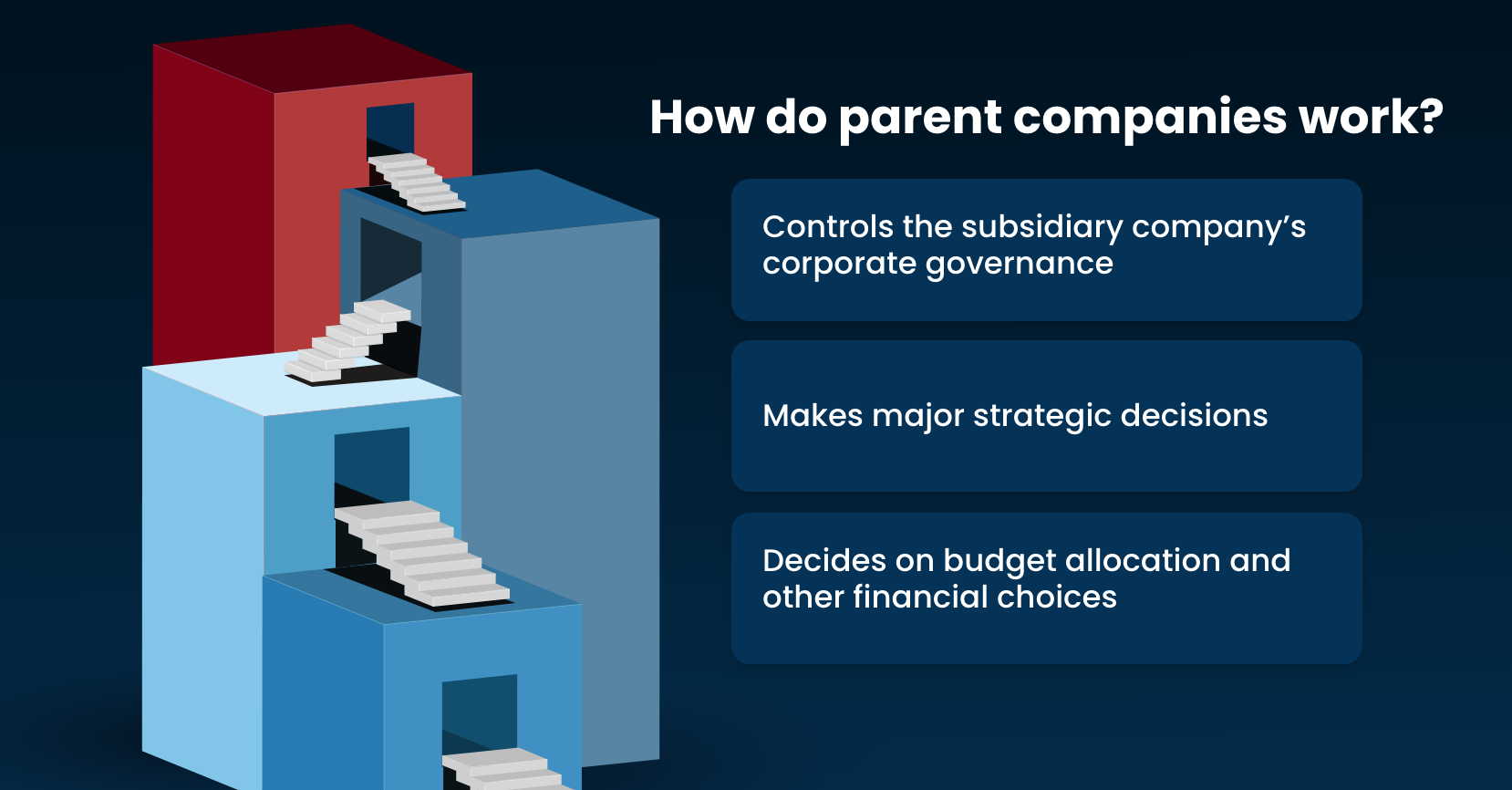
As an independent company, Grammarly relies on its own board of directors and executive leadership team to set corporate strategy and product roadmaps.
- Co-Founders: Alex Shevchenko, Max Lytvyn, and Dmytro Lider continue to participate in strategic guidance and advisory capacities.
- Chief Executive Officer (CEO): In 2023, Rahul Roy-Chowdhury assumed the role of CEO after serving as the company’s Global Head of Product. He succeeded Brad Hoover, who served as CEO for more than 12 years and guided Grammarly through its major growth and venture funding phases. Roy-Chowdhury previously held senior product management roles at Google, bringing extensive expertise in browser ecosystems and consumer software.
This leadership infrastructure allows Grammarly to maintain strict independence in how it deploys capital, develops IP, and establishes data privacy policies without mandate from a corporate parent.
Sub-Brands and Products Under Grammarly, Inc.
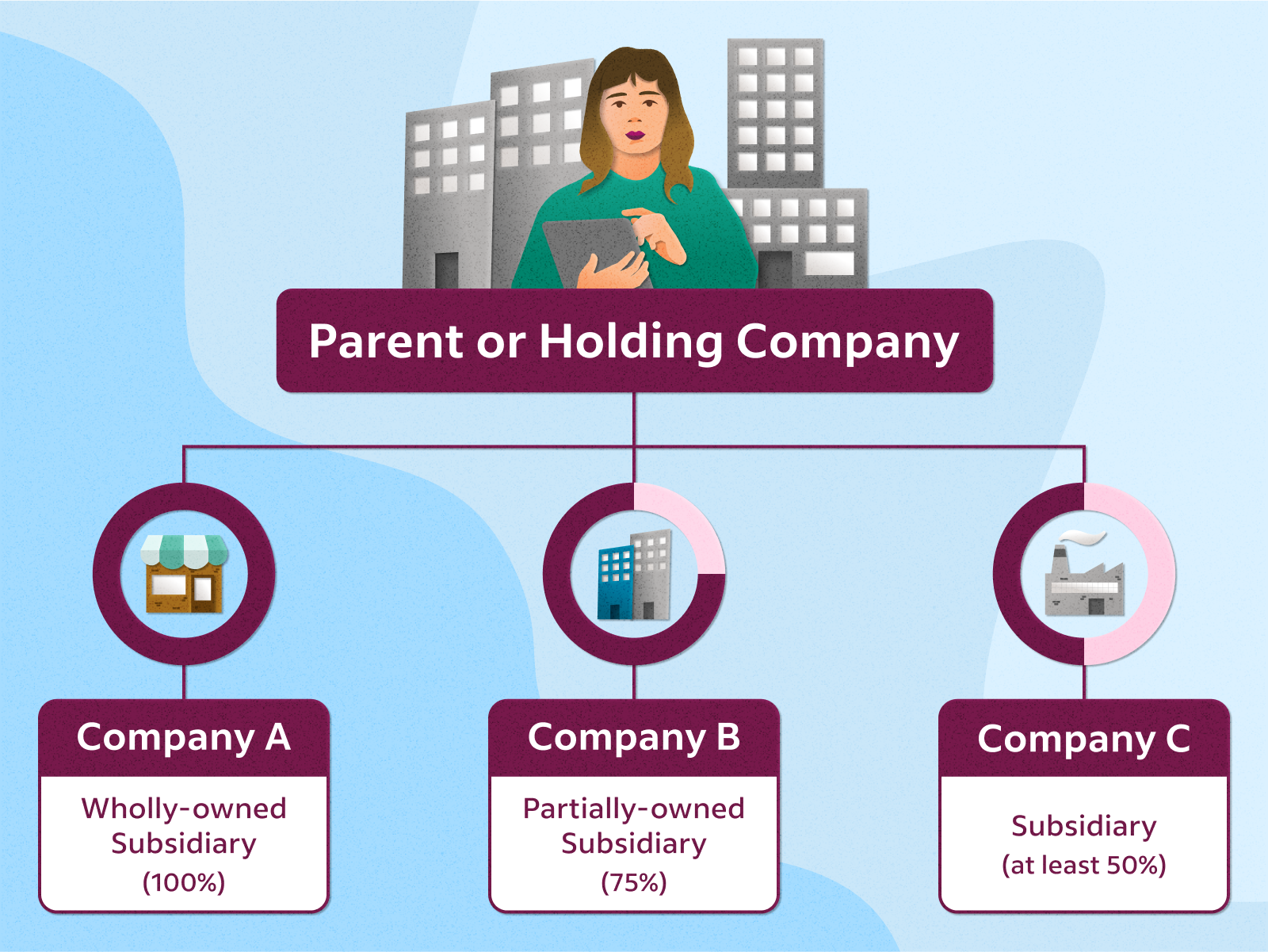
While Grammarly is not owned by a parent company, Grammarly, Inc. itself acts as the parent entity for its proprietary suite of applications and specialized product tiers. Rather than splitting products into distinct corporate subsidiaries, all services operate under the unified Grammarly corporate umbrella:
- Grammarly, Inc. (Parent Corporation)
- Grammarly Free (Consumer Tier)
- Grammarly Premium (Individual Subscription)
- Grammarly Business & Enterprise (Organization Tier)
- Grammarly AI / GrammarlyGO (Generative Writing Suite)
Core Product Offerings
- Grammarly Free & Premium: Consumer-facing subscription products providing syntax, punctuation, vocabulary, and clarity improvements across web browsers, desktop engines, and mobile keyboards.
- Grammarly Business & Enterprise: Enterprise-grade security and administrative controls tailored for teams. Features include custom brand style guides, snippet libraries, analytics dashboards, and Single Sign-On (SSO) integrations.
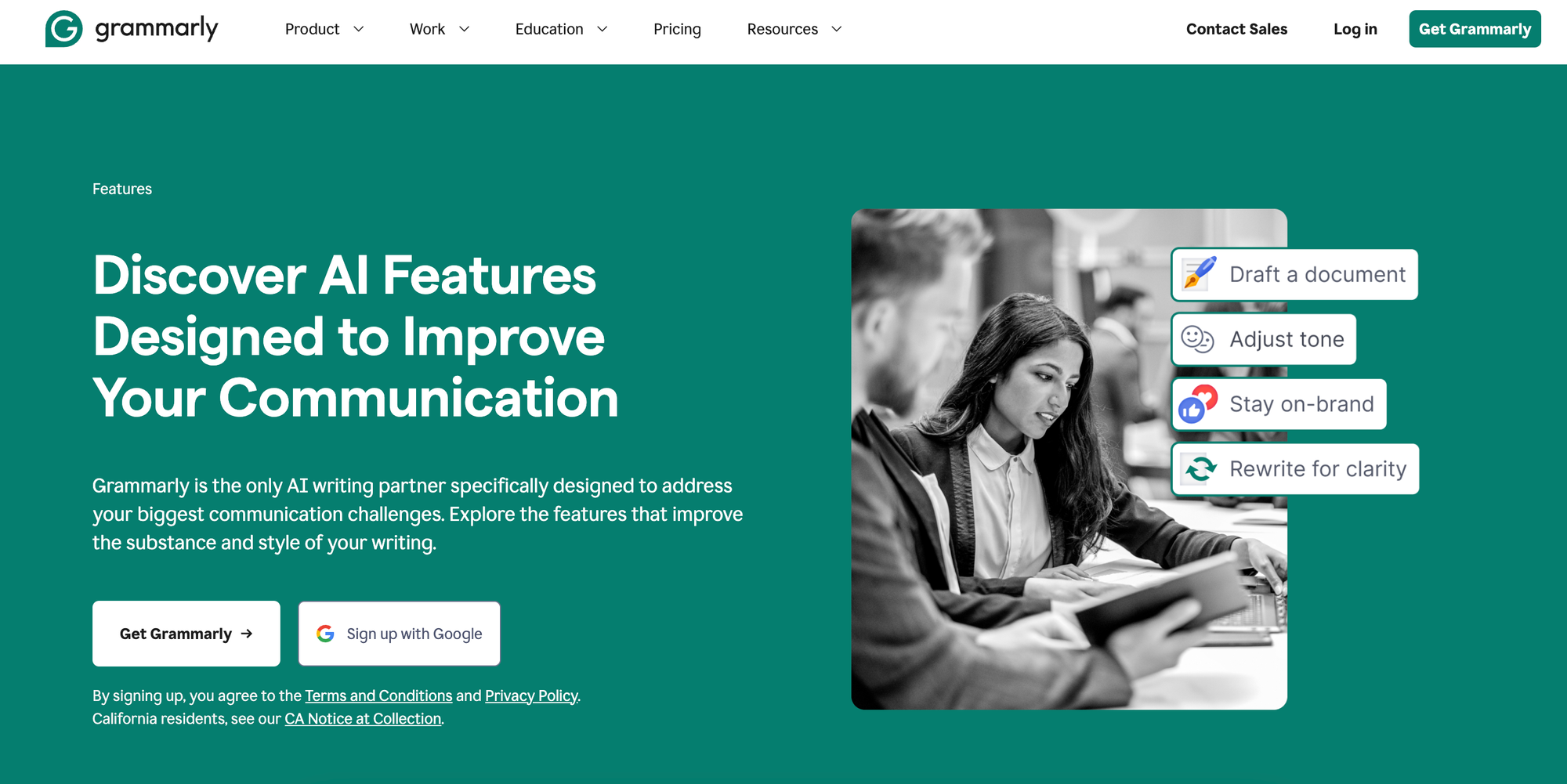
- Grammarly Authorship & AI Tools (formerly GrammarlyGO): Contextual generative AI solutions designed to draft, rewrite, summarize, and reply to emails while maintaining strict organizational context and user tone preferences.
Grammarly has selectively acquired technology assets and smaller startups to enhance its internal platform capabilities rather than selling its own equity to a conglomerate.
Why Grammarly’s Corporate Independence Matters
Grammarly's status as an independent entity directly impacts its business strategy, platform availability, and data security policies.
1. Cross-Platform Neutrality
Because Grammarly is not owned by Microsoft, Google, or Apple, it maintains platform neutrality. Tech giants often optimize native tools for their proprietary operating systems or browser environments—for instance, Microsoft Copilot works best inside Microsoft 365, while Google Gemini is integrated deeply into Google Workspace.
As an independent vendor, Grammarly develops consistent extensions, desktop overlays, and API tools across all major platforms, including:
- Windows, macOS, and iOS/Android operating systems.
- Google Chrome, Mozilla Firefox, Microsoft Edge, and Apple Safari.
- SaaS platforms like Slack, Salesforce, Zendesk, Jira, and Gmail.
2. Specialized Focus on AI Communication
Parent entities managing diverse business divisions—such as cloud infrastructure, search engines, hardware manufacturing, and advertising—must allocate research resources across multiple competing priorities. Because Grammarly operates independently, 100% of its capital and research efforts remain focused on communication assistance, natural language processing (NLP), and workflow productivity.
3. Clear Data Privacy Boundaries
Many broad consumer platforms monetize user interactions to build advertising profiles or train publicly available, un-gated artificial intelligence models. As an independent B2B and B2C software vendor, Grammarly’s revenue relies on transparent paid subscriptions (freemium and enterprise tiers).
Grammarly explicitly maintains that user text is not sold to third parties for advertising purposes. Furthermore, enterprise customers benefit from strict data boundaries where customer text data is excluded from training global machine-learning models.
How Grammarly Compares to Competitors Owned by Parent Companies
The writing assistant market features both independent providers and embedded tools operated by multi-billion-dollar conglomerates. Comparing Grammarly to its primary market alternatives illustrates the differences between independent SaaS models and parent-owned native software:
| Product | Operating Company | Parent Organization | Primary Integration Ecosystem |
|---|---|---|---|
| Grammarly | Grammarly, Inc. | None (Independent) | Cross-platform (Web, Desktop, Mobile, SaaS apps) |
| Microsoft Editor / Copilot | Microsoft Corporation | Microsoft Corporation | Microsoft 365 (Word, Outlook, Teams, Edge) |
| Google Smart Compose / Gemini | Google LLC | Alphabet Inc. | Google Workspace (Docs, Gmail, Chrome OS) |
| Apple Intelligence | Apple Inc. | Apple Inc. | macOS, iOS, iPadOS native applications |
| ProWritingAid | Orpheus Technology | Orpheus Technology | Desktop & Web Browsers |
| LanguageTool | LanguageTool Media GmbH | LanguageTool Media GmbH | Open-source & Cross-platform |
Frequently Asked Questions
Does Microsoft own Grammarly?
No. Microsoft does not own Grammarly. Grammarly is owned by Grammarly, Inc., an independent private company. Microsoft develops its own native proofreading and AI features, such as Microsoft Editor and Microsoft Copilot, inside its Microsoft 365 productivity suite.
Is Grammarly a publicly traded company on the stock market?
No. Grammarly is a privately held company. Its shares are not traded on public stock exchanges like the NYSE or NASDAQ. Funding comes from original founders, employees, and venture capital organizations such as General Catalyst, Baillie Gifford, IVP, and BlackRock.
Where is Grammarly headquartered?
Grammarly, Inc. is headquartered in San Francisco, California. The company also operates physical and hybrid operational hubs in cities such as Kyiv (Ukraine), New York (New York), Vancouver (Canada), and Berlin (Germany).
Who is the current CEO of Grammarly?
Rahul Roy-Chowdhury is the CEO of Grammarly. He took over the role in 2023 after serving as the company’s Global Head of Product. He replaced long-time CEO Brad Hoover.
How does Grammarly make money if it doesn't have a parent company?
Grammarly operates on a freemium SaaS model. It offers a free basic writing assistant tool to attract individual users and monetizes through paid subscription plans: Grammarly Premium (for advanced individual features) and Grammarly Business/Enterprise (for team-wide deployment, centralized administrative management, and security compliance).
Next Steps for Individuals and Enterprises
Understanding Grammarly's ownership structure helps users evaluate the platform's security, independence, and software integration options.
- For Enterprise Procurement Teams: Because Grammarly, Inc. operates as an independent company focused solely on enterprise productivity, organizations can review its compliance standards (such as SOC 2 Type II, ISO 27001, HIPAA compliance, and GDPR alignment) directly through the official Grammarly Trust Center.
- For Individual Creators & Teams: Users searching for cross-platform writing assistance can leverage Grammarly without vendor lock-in, ensuring that communication preferences, tone profiles, and snippets follow their workflow across Windows, macOS, Google Workspace, and Microsoft 365 seamlessly.
Image Gallery