Monitoring Emergency Communications: A Guide to Police Scanner Lansing MI Access in 2026
To listen to police scanner traffic in Lansing, Michigan, you must utilize digital streaming platforms or software-defined radio hardware capable of decoding P25 Phase II trunked radio systems. Most Lansing and Ingham County emergency...
To listen to police scanner traffic in Lansing, Michigan, you must utilize digital streaming platforms or software-defined radio hardware capable of decoding P25 Phase II trunked radio systems. Most Lansing and Ingham County emergency communications are encrypted or broadcast through digital infrastructure, requiring specific network-connected scanners or authorized web-based monitoring services.
Contents
Understanding the Lansing Public Safety Radio Infrastructure
The public safety communication landscape in Lansing and the surrounding Ingham County region has undergone significant modernization to enhance interoperability between local law enforcement, the Lansing Police Department, the Ingham County Sheriff’s Office, and Michigan State Police. As of 2026, the primary backbone for these communications is the Michigan Public Safety Communications System (MPSCS).
The MPSCS utilizes a P25 (Project 25) digital trunked radio network. Unlike legacy analog systems that operated on static frequencies, a P25 system dynamically assigns talkgroups to radio users across a wide array of towers. For a scanner enthusiast, this means that simple analog receivers purchased decades ago are entirely obsolete for monitoring primary police dispatches in Michigan.
Critical Technical Considerations for Listeners
- Trunked System Tracking: Your device must support trunked radio scanning. It must follow the "control channel," which tells the scanner which frequency a specific conversation has hopped to.
- Digital Decoding: The hardware must be capable of decoding P25 Phase I and, crucially, Phase II signals. Phase II is the current standard for spectrum efficiency in Michigan, allowing more simultaneous calls on the same bandwidth.
- Encryption Awareness: Certain sensitive talkgroups, particularly those involving tactical operations, sensitive investigations, or private administrative channels, are encrypted. These signals cannot be decoded by any commercial, legal scanner equipment, regardless of technical capability.
Methods for Accessing Live Police Scanner Traffic
You have three primary avenues for accessing live transmissions from public safety agencies in the Lansing area. Each method requires different levels of technical investment and provides varying degrees of reliability.
1. Dedicated Hardware Scanners
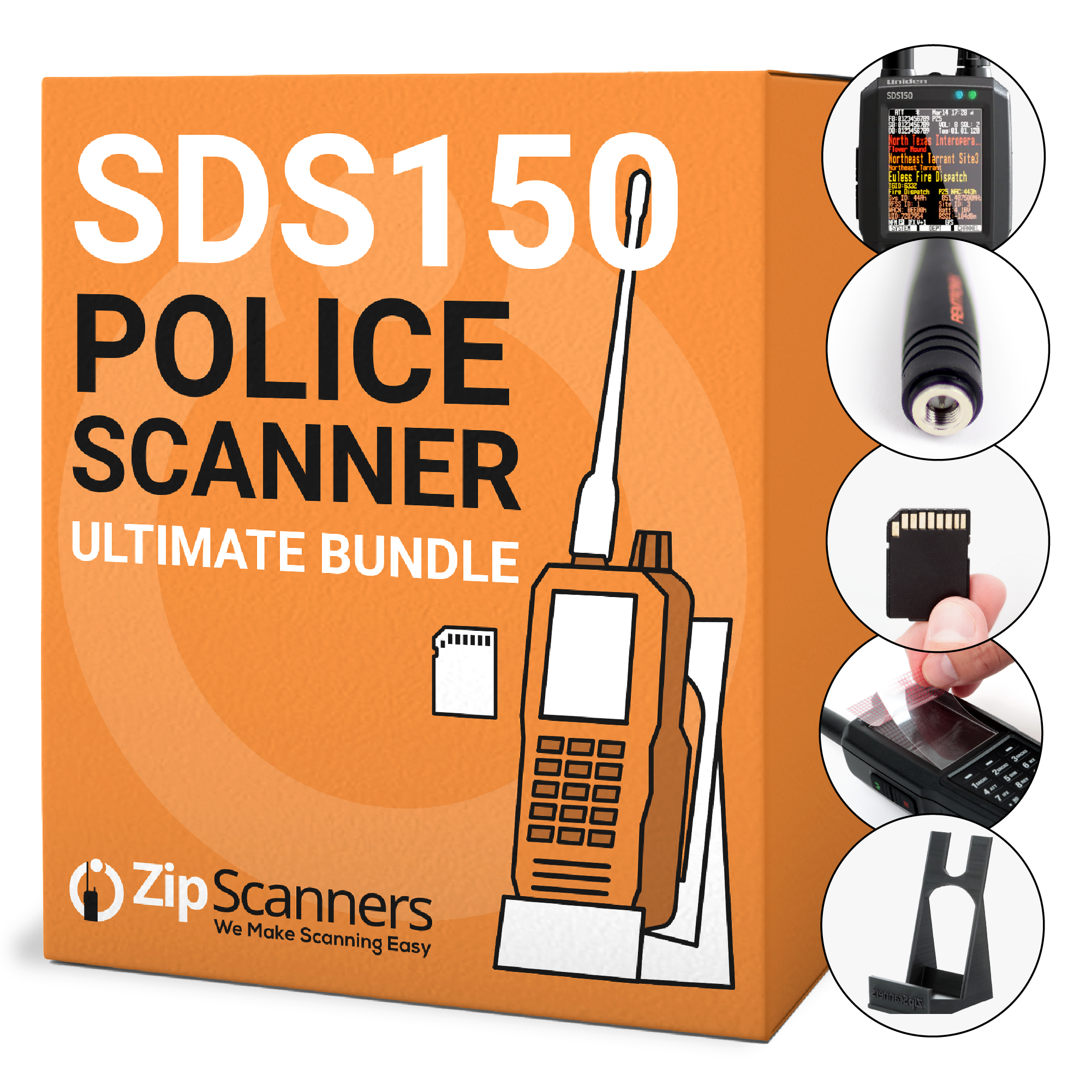
Purchasing a digital trunking scanner is the gold standard for enthusiasts who require real-time, low-latency audio. In 2026, market-leading models from manufacturers like Uniden (e.g., SDS100/SDS200 series) remain the preferred choice because they feature "True I/Q" technology, which is specifically designed to handle multipath distortion common in urban environments like downtown Lansing.
2. Software-Defined Radio (SDR)
For users with technical proficiency, an SDR dongle connected to a computer provides a powerful and cost-effective alternative. By using open-source software such as SDR# (SDR Sharp) combined with plugins like Unitrunker or DSDPlus, you can monitor the MPSCS network directly from your desktop. This method allows you to visualize the frequency spectrum and track talkgroups with granular control.
3. Online Audio Streaming Services
For the casual listener, websites and mobile applications that aggregate feeds provided by local volunteers are the most accessible method. These services use base stations situated throughout Ingham County to capture radio traffic and stream it via the internet. While highly convenient, keep in mind that these streams typically introduce a 15- to 45-second delay compared to direct radio reception due to server processing and buffering.
Comparison of Monitoring Methods
The following table outlines the trade-offs between available monitoring technologies for the 2026 landscape.
| Method | Technical Difficulty | Latency | Equipment Cost | Reliability |
|---|---|---|---|---|
| Handheld Digital Scanner | Moderate | Near Zero | High ($400-$700) | Excellent |
| Software-Defined Radio | High | Low | Low ($30-$150) | High |
| Mobile/Web Apps | Very Low | High (15s+) | Free to Low | Variable |
Regulatory Environment and Legal Constraints
It is essential to understand the legal boundaries of scanner use in Michigan. While receiving radio transmissions is generally protected under the Electronic Communications Privacy Act of 1986, there are specific limitations you must adhere to:
- Non-Disclosure: It is illegal to broadcast or share information obtained from encrypted or private channels if you were not the intended recipient.
- Mobile Use: Some states have restrictive laws regarding scanner use while driving. In Michigan, while possessing a scanner is generally legal, using it to facilitate criminal activity or interfering with police operations will lead to immediate confiscation and potential criminal charges.
- Respecting Privacy: Avoid sharing details regarding active medical emergencies, names of victims, or specific tactical maneuvers of law enforcement. Maintaining ethical standards keeps the monitoring hobby sustainable and respected by public safety officials.
Frequently Asked Questions
Why can I hear the police on my computer but not on my old scanner?
Your old scanner is likely analog-only. Lansing’s police dispatch operates on a digital P25 Phase II trunked network, which requires a specialized digital decoder that analog hardware lacks.
Is it legal to listen to Lansing police scanners in 2026?
Yes, it is legal to monitor public safety frequencies in Michigan for personal use. However, you must not use the information to interfere with emergency services or commit illegal acts.
Can I listen to private channels if I have the right equipment?
No. Encrypted communications use a digital "key" to scramble audio. Even if you possess the most expensive scanner on the market, you cannot bypass encryption on secure police talkgroups.
Do mobile apps for police scanners provide real-time updates?
No. Due to the way internet streaming works, these apps are "near-live," typically lagging by at least 15 to 45 seconds, which is a critical consideration if you are monitoring time-sensitive events.
What is the best way to get started as a beginner?
Start by downloading a scanner app on your smartphone to listen to existing local feeds. If you find yourself consistently interested in the technical aspects, look into purchasing a dedicated handheld digital scanner or an entry-level SDR dongle.
Troubleshooting Common Reception Issues
If you are using a physical scanner or SDR and experiencing poor audio quality, consider these technical factors:
- Antenna Placement: Digital signals are highly susceptible to "picket fencing" (signal drop-outs) in urban areas. Use an outdoor, elevated antenna tuned specifically for the 700/800 MHz band used by the MPSCS.
- Simulcast Distortion: If you live near multiple towers, your scanner may be receiving the same signal from two directions at slightly different times. This causes "Garble" or digital noise. High-end scanners with "True I/Q" processing are specifically designed to filter out this interference.
- Firmware Updates: Ensure your scanner’s firmware is updated to the latest 2026 version. Manufacturers frequently release updates to account for changes in the MPSCS network configuration.
Monitoring public safety communications is a valuable way to stay informed about events affecting the Lansing community. By choosing the right equipment and staying within the ethical and legal bounds of the hobby, you can effectively follow the activity of local responders while supporting the integrity of the public safety network.
Image Gallery