Used Audi A5 Cabriolet Reliability: The Definitive 2026 Buyer’s Guide
The Audi A5 Cabriolet is generally considered a reliable luxury convertible, provided you select the correct generation and engine configuration. Modern iterations from 2019 to 2025 exhibit high dependability scores, while earlier mode...
The Audi A5 Cabriolet is generally considered a reliable luxury convertible, provided you select the correct generation and engine configuration. Modern iterations from 2019 to 2025 exhibit high dependability scores, while earlier models (2010–2016) often face significant mechanical challenges involving oil consumption and timing chain tensioners. Maintaining a used A5 Cabriolet in 2026 requires specialized attention to the hydraulic roof mechanism and the dual-clutch transmission systems.
Contents
Understanding the Generational Shift in Reliability
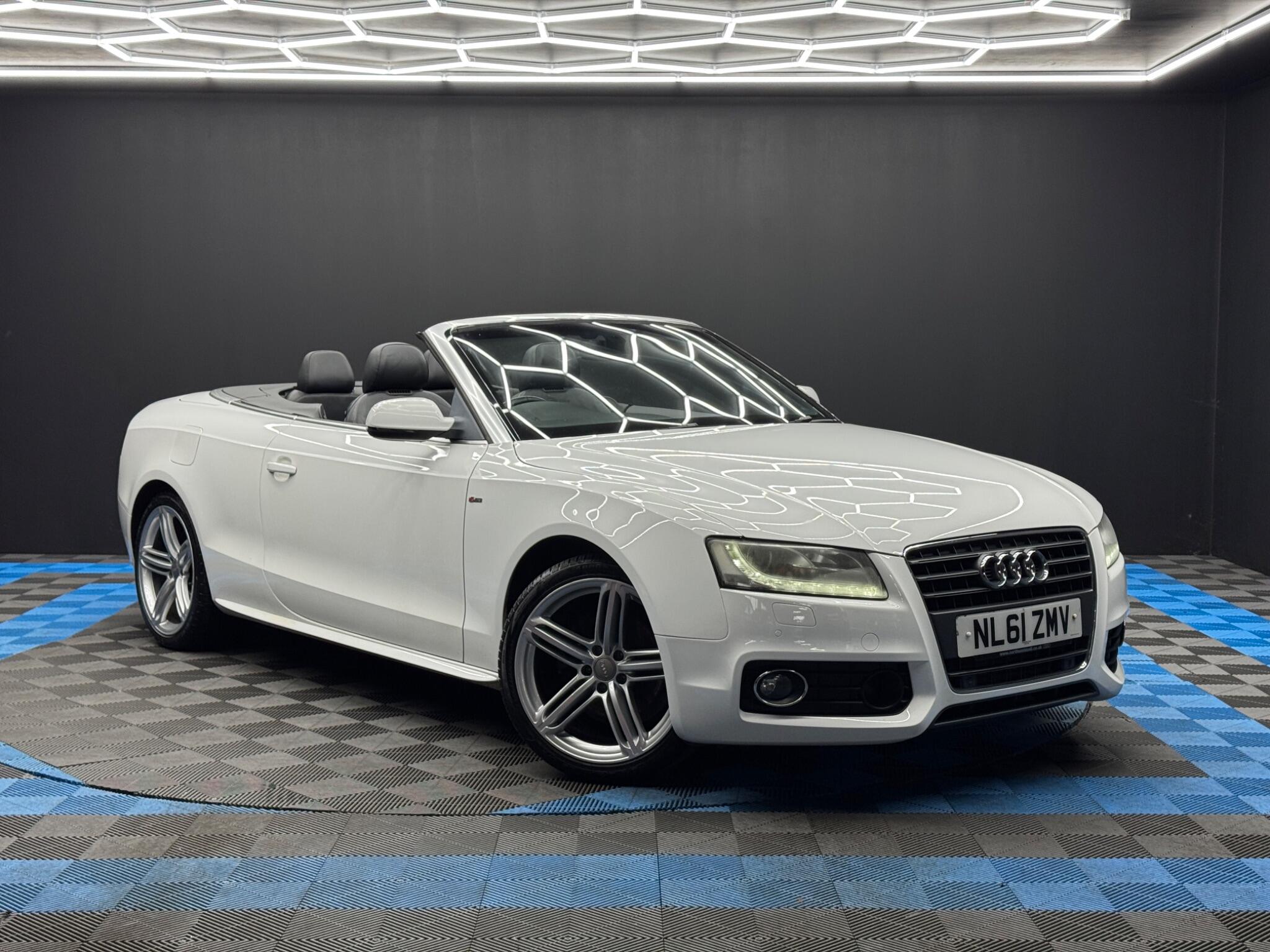
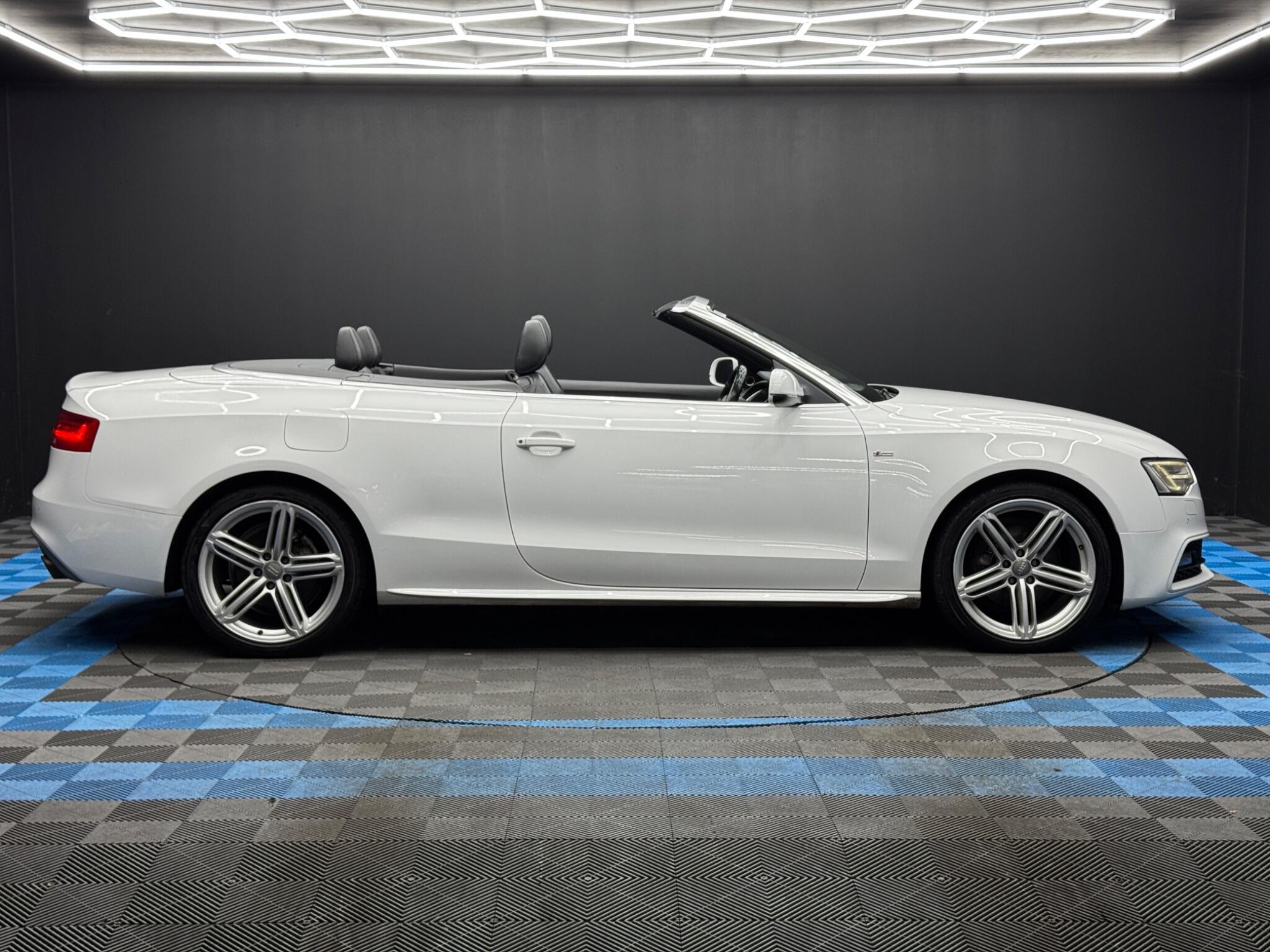
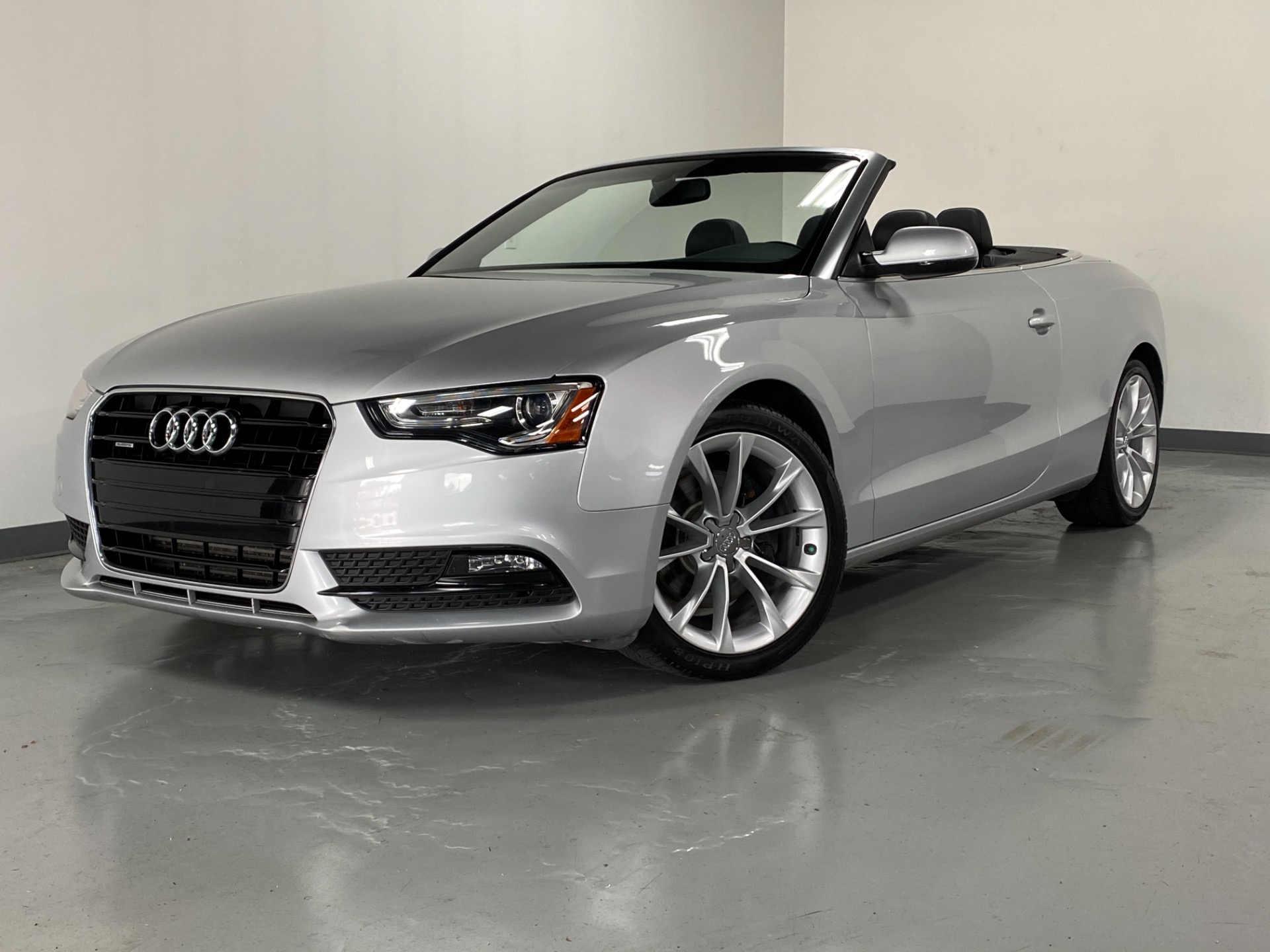
When evaluating a used Audi A5 Cabriolet, the most critical factor is distinguishing between the B8 (2010–2017) and the B9/B9.5 (2018–2025) platforms. These two eras represent a massive leap in manufacturing quality and component longevity. As of 2026, the secondary market is saturated with both, but their reliability profiles could not be more different.
The B8 generation, while aesthetically timeless, suffered from several "teething" issues associated with Audi’s early modular longitudinal architecture. These vehicles are now over a decade old, and their reliability is increasingly compromised by aging rubber seals and legacy engine defects. Conversely, the B9 platform, which debuted for the 2018 model year, addressed nearly all the systemic flaws of its predecessor, making it the preferred choice for those seeking a dependable daily driver.
Technical Lifecycle Observation
The transition to the B9.5 facelift in late 2020 introduced mild-hybrid systems (MHEV) across most trims. For 2026 buyers, these systems have proven remarkably resilient, though they do add a layer of complexity to the electrical architecture that requires diagnostic tools compatible with 48V or 12V lithium-ion support systems.
Engine and Drivetrain Dependability
The heart of the Audi A5 Cabriolet is usually the 2.0-liter turbocharged four-cylinder (TFSI) engine. In 2026, we categorize these engines into three distinct reliability tiers based on their production year and internal hardware revisions.
The EA888 Gen 3 Success Story
Models produced from 2017 onwards utilize the third generation of the EA888 engine. This version solved the catastrophic oil consumption issues caused by poor piston ring design in earlier years. It also replaced the fragile plastic water pump housings with more robust components, though cooling system leaks remain a minor "keep-an-eye-on-it" item for high-mileage examples.
Transmission Longevity: S-tronic vs. Tiptronic
Most used A5 Cabriolets feature the seven-speed S-tronic dual-clutch transmission. This gearbox is exceptionally fast and efficient but demands strict adherence to fluid change intervals every 40,000 miles. Neglecting this service can lead to mechatronic unit failure, a repair cost that often exceeds $4,000 in the 2026 service market. The V6-powered S5 variants often use the ZF 8-speed Tiptronic, which is arguably the most reliable automatic transmission in the luxury segment.
Quattro All-Wheel Drive Systems
Audi’s Quattro system remains a benchmark for reliability. In the A5 Cabriolet, you will encounter both the traditional mechanical Torsen-based systems and the newer "Quattro with Ultra technology." The Ultra system, which disconnects the rear axle to save fuel, has shown excellent durability over the last eight years of field use, with very few reported failures of the multi-plate clutch engagement system.
The Convertible Top: Mechanical and Structural Integrity
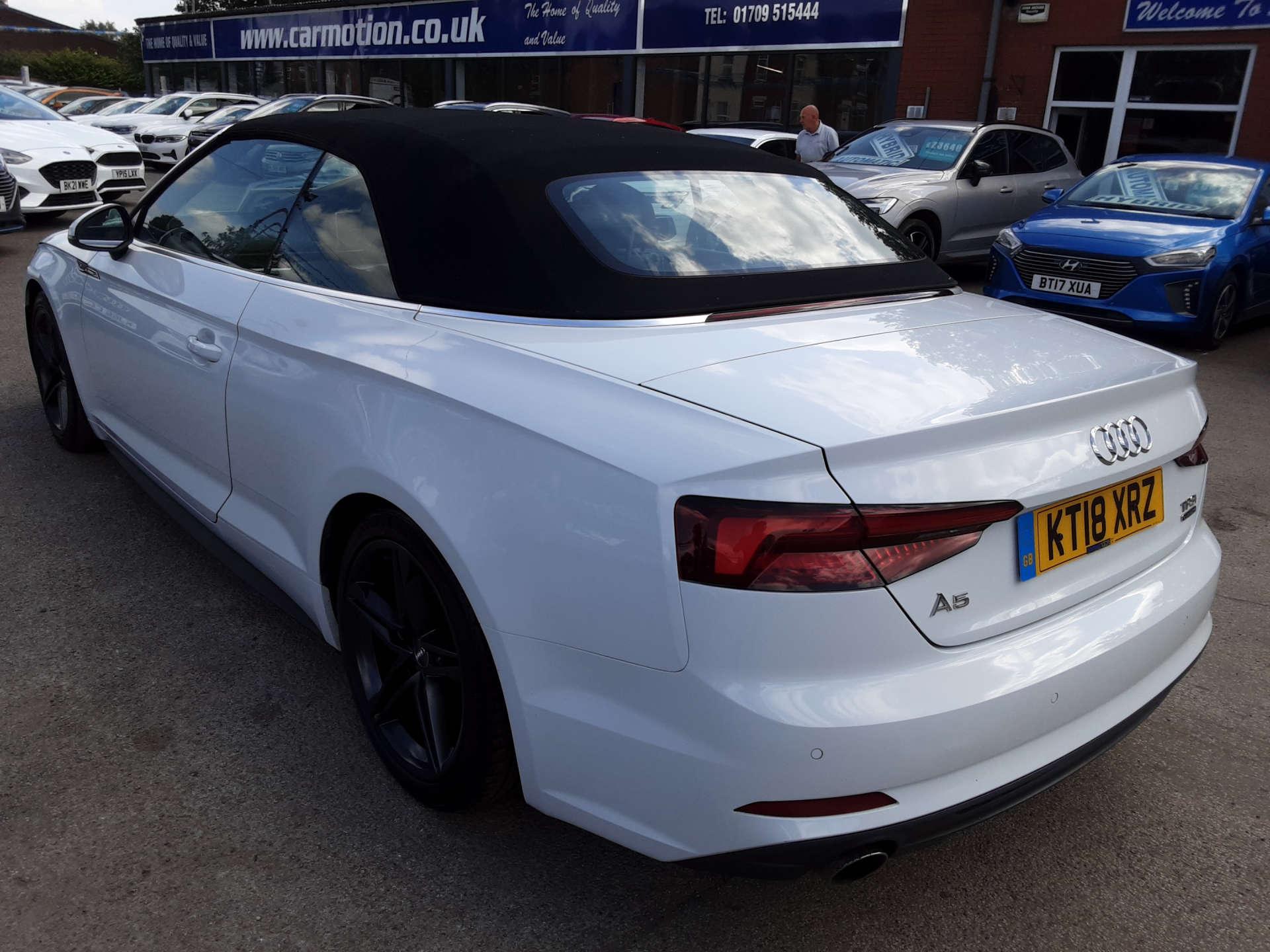
The "Cabriolet" designation adds a layer of complexity not found in the A5 Coupe or Sportback. The Audi A5 uses a high-quality acoustic fabric soft-top rather than a folding hardtop. This choice benefits reliability by reducing weight and mechanical complexity, but it still requires specific inspections.
- Hydraulic Pump and Lines: The roof operates via a series of hydraulic actuators. Check the trunk area for any signs of green fluid, which indicates a leak in the lines. In 2026, replacing a full hydraulic set can be labor-intensive due to the interior trim removal required.
- Weather Stripping and Seals: Over time, the rubber seals around the A-pillar and windows can dry out. If these are not treated with silicone lubricant annually, they can develop "micro-gaps" that lead to wind noise or water ingress during heavy rain.
- Sensor Calibration: The roof utilizes multiple position sensors to ensure the trunk lid and top do not collide. If the top stops halfway, it is often a sensor alignment issue rather than a total mechanical failure.
2026 Reliability Comparison Table: Audi A5 Cabriolet
The following data summarizes the reliability expectations for the most common used models available in 2026, based on historical repair data and industry-standard longevity metrics.
| Model Year Range | Platform | Reliability Rating (1-10) | Primary Failure Risks | Avg. Annual Maintenance (2026 USD) |
|---|---|---|---|---|
| 2010 – 2013 | B8 | 3/10 | Oil Consumption, Timing Chain, PCV Valve | $2,200 - $3,500 |
| 2014 – 2017 | B8.5 | 5/10 | Turbocharger Wastegate, Infotainment Glitches | $1,800 - $2,600 |
| 2018 – 2020 | B9 | 8/10 | Water Pump/Thermostat, Engine Mounts | $1,200 - $1,700 |
| 2021 – 2025 | B9.5 | 9/10 | MHEV Battery (Rare), Software Bugs | $900 - $1,400 |
Critical Maintenance Benchmarks for 2026 Owners
To maintain the reliability of a used Audi A5 Cabriolet, owners must move beyond simple oil changes. In the 2026 automotive landscape, preventative maintenance is the only way to avoid the "luxury car tax" of expensive repairs.
The 60,000-Mile Service Threshold
This is the most critical milestone for a used A5. By this point, a reliable vehicle requires:
- Spark plug replacement to prevent ignition coil stress.
- A thorough inspection of the accessory drive belt.
- Cleaning of the convertible top drainage channels (if blocked, water will flood the ECU or Bose/Bang & Olufsen amplifiers located in the rear quarters).
- Cleaning of the intake valves (Carbon Cleaning). Since the TFSI is a direct-injection engine, carbon buildup on the valves can reduce fuel economy and cause rough idling by 60,000 to 80,000 miles.
Suspension and Bushings
The A5 uses a complex five-link front suspension. While this provides excellent handling, the rubber bushings are under significant load. By 2026, many 2018–2019 models will be reaching the age where these bushings crack, leading to "clunking" sounds over bumps. Replacing the control arms with high-quality aftermarket or OEM parts restores the factory ride quality and prevents uneven tire wear.
Common Problems and Recall History
Every used vehicle has a "rap sheet" of known issues. For the Audi A5 Cabriolet, the following items should be checked via the VIN against national safety databases (like NHTSA) or manufacturer portals.
- Fuel Pump Flange: Certain B9 models were recalled for a fuel pump flange that could crack and leak. Ensure this work has been performed.
- Starter-Generator (MHEV): Some 2020–2022 models experienced issues with the 48V starter-generator. Audi has issued extended warranties or software updates for most affected units by 2026.
- Passenger Airbag Sensors: A recurring issue in the Audi A4/A5 family involved the passenger occupant detection system (PODS), which could fail and deactivate the airbag. This is a critical safety item.
Ownership Strategy for 2026
When purchasing a used Audi A5 Cabriolet, prioritize vehicles with a documented "Digital Service Schedule." Audi moved away from paper booklets years ago; a reliable seller should be able to provide a printout from an authorized dealer or a specialist shop using the Audi "erWin" or "GeKO" systems.
Step-by-Step Pre-Purchase Inspection (PPI) Guide
If you are looking at a used A5 Cabriolet today, follow this checklist to ensure you are buying a reliable asset rather than a liability.
- Cold Start Observation: Listen for any rattling sounds in the first 3 seconds of a cold start. A rattle often indicates a loose timing chain or a failing tensioner—a high-cost repair.
- Roof Cycle Test: Operate the roof at least three times consecutively. It should move smoothly without jerking or "groaning" sounds. Watch for any hesitation during the final latching phase.
- Transmission Engagement: Shift from Park to Drive and Park to Reverse. The engagement should be nearly instantaneous. A delay of more than one second suggests a worn mechatronic unit or old fluid.
- Interior Dampness Test: Lift the floor mats and feel the carpets, especially in the rear footwells. Dampness here is a definitive sign of blocked roof drains, which can lead to catastrophic electrical failure.
- Tire Wear Analysis: Convertible models are heavier than their coupe counterparts. Check for "cupping" on the inner edges of the tires, which indicates the suspension geometry is out of alignment due to worn bushings.
Expert Insight: Why the A5 Cabriolet Holds Up Better Than Rivals
Compared to the BMW 4 Series Convertible or the Mercedes-Benz C-Class Cabriolet of the same era, the Audi A5 Cabriolet often ranks higher in long-term interior durability. Audi’s use of high-grade plastics and physical switchgear (pre-2021) resists "peeling" better than the soft-touch materials used by competitors.
Furthermore, the Quattro system is generally more robust than the BMW xDrive transfer cases, which are sensitive to mismatched tire tread depths. In the 2026 used market, an A5 with 80,000 miles often feels "tighter" and less prone to interior rattles than its peers, provided the roof seals have been maintained.
Frequently Asked Questions
Is a high-mileage Audi A5 Cabriolet a risky purchase in 2026?
A high-mileage A5 (over 100,000 miles) is only a safe purchase if the timing chain, water pump, and S-tronic service have been documented. Without these, you may face repair bills that exceed the vehicle's market value.
Which engine is the most reliable for the A5 Cabriolet?
The 2.0L TFSI (EA888 Gen 3) found in 2017–2025 models is the most reliable balance of performance and longevity. While the S5’s 3.0L V6 is very durable, it comes with significantly higher insurance and specialized maintenance costs.
How long does the fabric roof last before needing replacement?
With proper care and UV protection, the Audi acoustic soft-top can last 15 to 20 years. However, the rear glass window is bonded to the fabric; if the bond fails, the entire top usually needs replacement as the glass cannot be easily re-glued to factory standards.
Does the Audi A5 Cabriolet require premium gasoline?
Yes, to maintain the reliability of the fuel injectors and prevent engine knocking, 91 octane (or higher) is mandatory. Using lower-grade fuel can lead to carbon buildup and long-term damage to the turbocharger.
Are parts for the A5 Cabriolet expensive in 2026?
Mechanical parts shared with the A4 and Q5 are relatively affordable and widely available. However, Cabriolet-specific parts like roof actuators or rear body panels are expensive and may have longer lead times from Germany.
Final Recommendation for 2026 Buyers
For the best reliability-to-value ratio in 2026, target a 2021 or 2022 Audi A5 Cabriolet (B9.5). These models benefit from the most refined version of the EA888 engine, the updated MMI touch infotainment system, and the balance of the original manufacturer's powertrain warranty. Avoid pre-2015 models unless they come with an exhaustive service history and have already undergone "major" corrective surgeries for oil consumption and timing components.
Image Gallery