Gold and Greed: The Legacy of the Hunt for Forrest Fenn’s Treasure
Forrest Fenn’s treasure, a bronze chest filled with over $1 million in gold and artifacts, was hidden in the Rocky Mountains in 2010 and recovered in June 2020 by Jack Stuef. As of 2026, the hunt is remembered as both a modern-day myth...
Forrest Fenn’s treasure, a bronze chest filled with over $1 million in gold and artifacts, was hidden in the Rocky Mountains in 2010 and recovered in June 2020 by Jack Stuef. As of 2026, the hunt is remembered as both a modern-day myth and a cautionary tale regarding the legal and psychological costs of extreme obsession.
Contents
The story of the Fenn treasure is a complex narrative that transitioned from a whimsical outdoor adventure to a period defined by litigation, controversy, and tragedy. Originally conceived by art dealer and author Forrest Fenn as a way to inspire people to explore the wilderness and leave a legacy after his cancer diagnosis, the hunt eventually drew an estimated 350,000 participants. However, the title "Gold and Greed" reflects the darker side of this pursuit—the lawsuits, the broken lives, and the five confirmed deaths that occurred in the pursuit of the bronze chest.
The Architect of the Chase: Who Was Forrest Fenn?
To understand the hunt, one must understand the man who created it. Forrest Fenn was a charismatic and somewhat polarizing figure in the American Southwest. A former Vietnam War fighter pilot and a self-taught archaeologist, he established a renowned art gallery in Santa Fe, New Mexico. His gallery became a hub for wealthy collectors, celebrities, and intellectuals, cementing his status as a prominent figure in the art world.
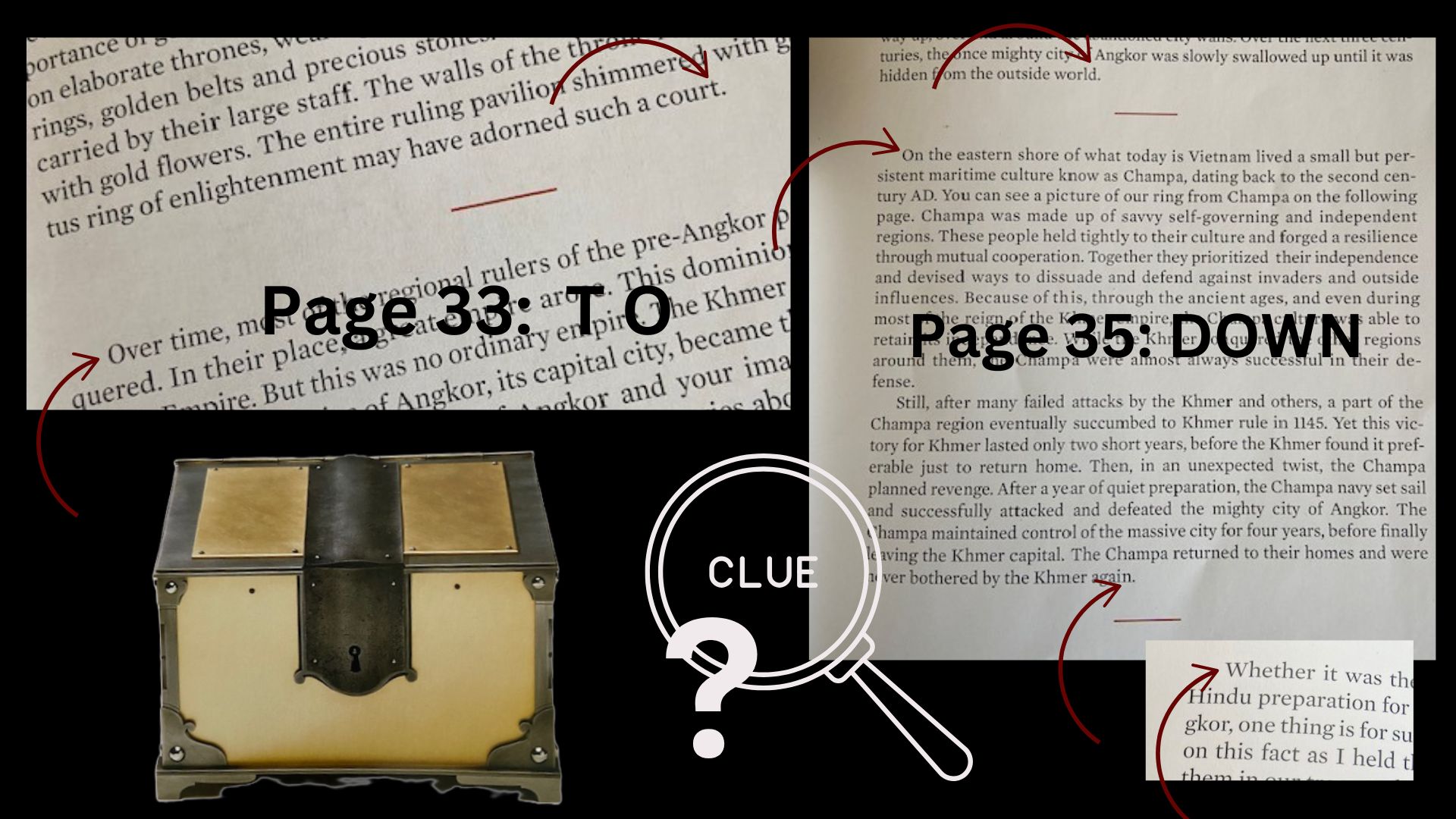
In 1988, Fenn was diagnosed with terminal kidney cancer. This brush with mortality inspired him to create a legacy that would outlast him. He purchased a 12th-century bronze chest and began filling it with gold nuggets, rare coins, jewelry, and prehistoric artifacts. His original plan was to take the chest into the mountains and die with it. When the cancer went into remission, he waited until he was 80 years old before finally hiding the treasure in the Rocky Mountains north of Santa Fe.
In 2010, he published his memoir, The Thrill of the Chase, which contained a 24-line poem. According to Fenn, this poem contained nine clues that, if followed precisely, would lead a searcher to the exact location of the gold.
The Nine Clues and the Mechanics of the Hunt
The poem was a masterclass in ambiguity. It began with the famous line, "As I have gone alone in there / And with my treasures bold," and proceeded to offer cryptic directions such as "Begin it where warm waters halt" and "Take it in the canyon down."
For a decade, the search for the "warm waters" (WWWH) became an obsession for thousands. Searchers analyzed every word for double meanings, geographic coordinates, and historical references. The hunt was geographically restricted to the Rocky Mountains in four states: New Mexico, Colorado, Wyoming, and Montana. Fenn provided occasional "hints" over the years to help narrow the search, such as confirming the treasure was above 5,000 feet and below 10,200 feet in elevation.
The Inventory of the Chest
The treasure was not just a pile of bullion; it was a curated collection reflecting Fenn’s life as an antiquities dealer.
- Gold nuggets: Some as large as a hen's egg.
- Gold coins: Hundreds of rare American eagles and double eagles.
- Artifacts: Pre-Columbian gold figures and ancient jewelry.
- The Memoir: A tiny autobiography written by Fenn, sealed in a waterproof jar.
The Dark Side: Why "Gold and Greed" Defines the Narrative
While Fenn intended the hunt to be a "thrill," the reality often veered into "greed." The term popularized in Gian Quasar’s investigative work, Gold and Greed, highlights how the search stripped away the veneer of adventure to reveal human desperation and legal vitriol.
The Fatalities
The most somber aspect of the Fenn treasure was the loss of life. Between 2016 and 2020, five men died while searching for the chest:
- Randy Bilyeu: Disappeared in January 2016; his remains were found months later along the Rio Grande.
- Jeff Murphy: Fell to his death in Yellowstone National Park in 2017.
- Paris Wallace: Drowned in the Rio Grande in 2017.
- Eric Ashby: Drowned in the Arkansas River in 2017.
- Michael Sexson: Died of exposure in 2020 in Dinosaur National Monument.
These deaths led to significant pressure from law enforcement and the National Park Service for Fenn to end the hunt. Fenn, however, maintained that the treasure was not hidden in a dangerous location and urged searchers to remain cautious.
The Psychological Toll
For many, the hunt was not a weekend hobby but a consuming obsession. Searchers spent their life savings, quit jobs, and moved across the country to be closer to their "solve" locations. This level of investment often led to "confirmation bias," where searchers became so convinced of their logic that they ignored physical danger and common sense.
The 2020 Discovery and Jack Stuef
On June 6, 2020, Forrest Fenn announced that the treasure had been found. For several months, the identity of the finder remained a secret, fueling conspiracy theories that the find was a hoax or that Fenn had retrieved it himself.
In December 2020, following a lawsuit that threatened to out him, Jack Stuef, a 32-year-old medical student from Michigan, revealed himself as the finder. Stuef had spent two years obsessively studying Fenn's interviews and writings. He eventually located the chest in a remote forest in Wyoming.
The Location: Nine Mile Hole
After years of speculation involving places like the Pecos Wilderness or the Gardiner River, the actual location was revealed to be near Nine Mile Hole in Yellowstone National Park. This site, a famous fishing spot once frequented by Fenn, matched the clues perfectly for those who interpreted "where warm waters halt" as the confluence of the Firehole and Madison Rivers.
Litigation and the Aftermath in 2026
The finding of the treasure did not end the controversy; it merely moved it from the mountains to the courtrooms. As we look back from 2026, the legal battles surrounding the hunt have largely concluded, but they serve as a benchmark for how "greed" manifested in the community.
| Litigant | Claim | Outcome (by 2026) |
|---|---|---|
| Barbara Andersen | Claimed her email was hacked and her "solve" was stolen. | Case dismissed; lack of evidence. |
| Brian Erskine | Claimed he had the rights to the treasure via his own solve. | Case dismissed. |
| Jamie McCracken | Alleged Fenn moved the treasure or deceived searchers. | Dismissed; court ruled no contract existed between Fenn and searchers. |
| The Estate of Forrest Fenn | Faced multiple lawsuits for wrongful death and fraud. | Most were dismissed or settled; Fenn passed away in September 2020. |
By 2026, the legal system has firmly established that the treasure belonged to Jack Stuef and that Forrest Fenn had the right to hide it and set the rules. The "greed" aspect was further highlighted when the contents of the chest were sold at auction. In 2022, Heritage Auctions sold the "Fenn Treasure" in segments, with the total realization estimated at several million dollars, significantly more than the intrinsic value of the gold itself due to the "provenance" of the hunt.
Practical Lessons for Modern Treasure Hunters
The Fenn hunt changed the landscape of modern treasure hunting. If you are pursuing similar challenges today, consider the following requirements and precautions derived from the Fenn experience:
- Legal Awareness: Understand that finding property on federal land (like National Parks) often triggers the Archaeological Resources Protection Act (ARPA). Fenn was careful to hide his chest on land where it was technically legal to retrieve, though the exact legality of the Yellowstone site remained a point of debate among legal scholars.
- Safety First: No treasure is worth a life. Always inform others of your GPS coordinates and never search in conditions that exceed your physical capabilities.
- The "Greed" Trap: Avoid over-investing emotionally or financially. Treat treasure hunting as a recreational activity rather than a guaranteed financial "exit strategy."
- Verification: If a hunt seems to have no end or the creator is evasive, perform due diligence on the history of the hunt to ensure it is not a marketing ploy.
FAQ: Common Questions About the Fenn Treasure
Did Forrest Fenn really hide the treasure?
Yes. Despite numerous conspiracy theories suggesting otherwise, the physical recovery of the chest by Jack Stuef and the subsequent authentication by experts and the Fenn family confirmed that the treasure was indeed hidden in the mountains as described in 2010.
What was the most important clue in the poem?
Most successful searchers, including Stuef, agree that "Begin it where warm waters halt" was the foundational clue. Without identifying this specific geographic point correctly, the rest of the poem’s directions were impossible to align.
What happened to the bronze chest?
The chest itself, along with the gold and artifacts, was sold to private collectors through Heritage Auctions in 2022. It is no longer a single "treasure" but a collection of individual historical items.
Was the hunt a "hoax" to sell books?
While the hunt certainly helped sell copies of The Thrill of the Chase, the intrinsic value of the treasure (estimated at $1-$2 million) far exceeded the royalties Fenn would have received from the book, which was published by a small local press (One Horse Land & Cattle Co.) rather than a major national publisher.
Are there other treasures like Fenn's still out there?
Yes, the success of the Fenn hunt inspired several others, such as "The Great US Treasure Hunt" and various "cipher" based hunts. However, none have reached the same level of cultural impact or financial scale as the Fenn treasure.
Final Recommendation
For those still fascinated by the "Gold and Greed" narrative, the best next step is to treat the Fenn hunt as a historical study in human behavior and cryptography. While the physical gold is gone, the intellectual challenge of the poem remains a fascinating exercise. If you choose to engage in modern treasure hunts, prioritize safety and legal compliance above all else. The legacy of Forrest Fenn proves that while the "thrill" is real, the "greed" can be a dangerous companion.
Image Gallery