How to Format Titles in Writing: Rules, Styles Guides, and Best Practices
Formatting titles correctly ensures readability, establishes clear professional standards, and complies with established publishing style guides across academic, journalistic, and creative works. Proper title formatting relies on capit...
Formatting titles correctly ensures readability, establishes clear professional standards, and complies with established publishing style guides across academic, journalistic, and creative works. Proper title formatting relies on capitalization rules, italicization or quotation mark standards, and structural consistency.
Contents
Understanding Title Formatting Fundamentals
When you sit down to write an essay, a research paper, a journalistic piece, or a novel, the title serves as the primary gateway for your audience. Beyond acting as an attention-grabbing hook, a title must adhere to specific structural, typographical, and grammatical conventions. Incorrectly formatted titles can distract readers, signal a lack of attention to detail, and violate academic or corporate style mandates.
Mastering title formatting requires understanding how different types of publications treat titles. The rules for a book-length manuscript differ starkly from those governing a journal article, a poem, or a blog post. Navigating these requirements involves choosing the correct capitalization style, applying appropriate punctuation, and knowing when to use italics versus quotation marks.
Capitalization Rules for Titles
Capitalization is often the most confusing aspect of formatting titles because different style guides prescribe different rules. However, standard English conventions universally require capitalizing the first and last words of a title, regardless of their part of speech. The variance arises in how you treat interior words.
Headline Style vs. Sentence Style
Most professional writing utilizes Headline Style capitalization, whereas sentence style is typically reserved for academic reference lists in specific fields or general prose.
- Headline Style: Capitalize all major words, including nouns, pronouns, verbs, adjectives, and adverbs. Lowercase minor words, such as coordinating conjunctions (and, but, or), articles (a, an, the), and prepositions (in, on, to, by), unless they are the first or last word.
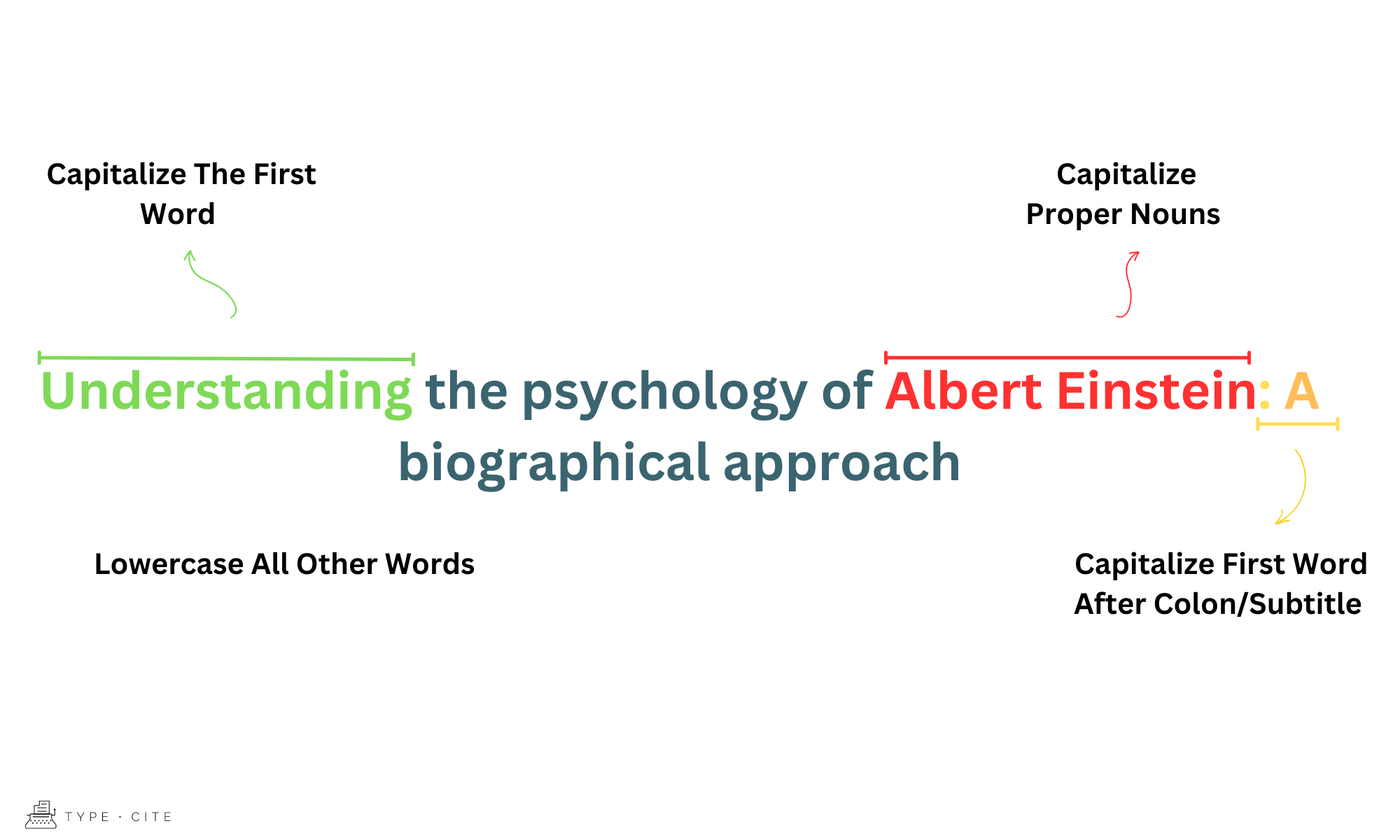
- Sentence Style: Capitalize only the first word of the title and any proper nouns, matching standard sentence grammar.
Major Style Guide Capitalization Comparison
| Style Guide | Major Capitalization Rule for Interior Words | Specific Exceptions |
|---|---|---|
| APA (American Psychological Association) | Capitalize words of four letters or more; lowercase short conjunctions and prepositions under four letters. | Capitalize both parts of hyphenated major words (e.g., Self-Report). |
| MLA (Modern Language Association) | Capitalize all principal words; lowercase articles, prepositions, and conjunctions under four letters. | Always capitalize the first word following a colon. |
| Chicago Manual of Style (CMOS) | Capitalize all words except articles, coordinating conjunctions, and prepositions (regardless of length). | Capitalize infinitives (to be) and prepositions used adjectivally or adverbially. |
| Associated Press (AP) | Capitalize principal words; lowercase articles, prepositions of three or fewer letters, and conjunctions. | Primarily used for journalism and news media headlines. |
Typography: Italics, Quotation Marks, and Plain Text
Choosing between italics, quotation marks, or plain text depends entirely on whether the work being titled is a standalone entity (a macro-work) or part of a larger collection (a micro-work).
Standalone Works (Macro-Works)
Longer works that contain independent content, collections, or complete publishing units are formatted in italics. If you are writing by hand or using a typewriter where italics are unavailable, use underlining.
- Books: The Great Gatsby
- Films and Documentaries: Citizen Kane
- Academic Journals: Journal of Economic Perspectives
- Music Albums: Abbey Road
- Websites and Blogs: The New York Times
Contained Works (Micro-Works)
Shorter works, chapters, articles, or individual compositions that appear inside a larger macro-work are enclosed in quotation marks.
- Book Chapters: "Chapter 1: The Loom"
- Journal Articles: "Microeconomic Impacts of Carbon Taxes"
- Poetry: "The Road Not Taken"
- Songs: "Bohemian Rhapsody"
- Web Blog Posts: "How to Format Titles in Writing"
Punctuation Within and Around Titles
Punctuation in titles requires precision, particularly concerning colons, question marks, and commas.
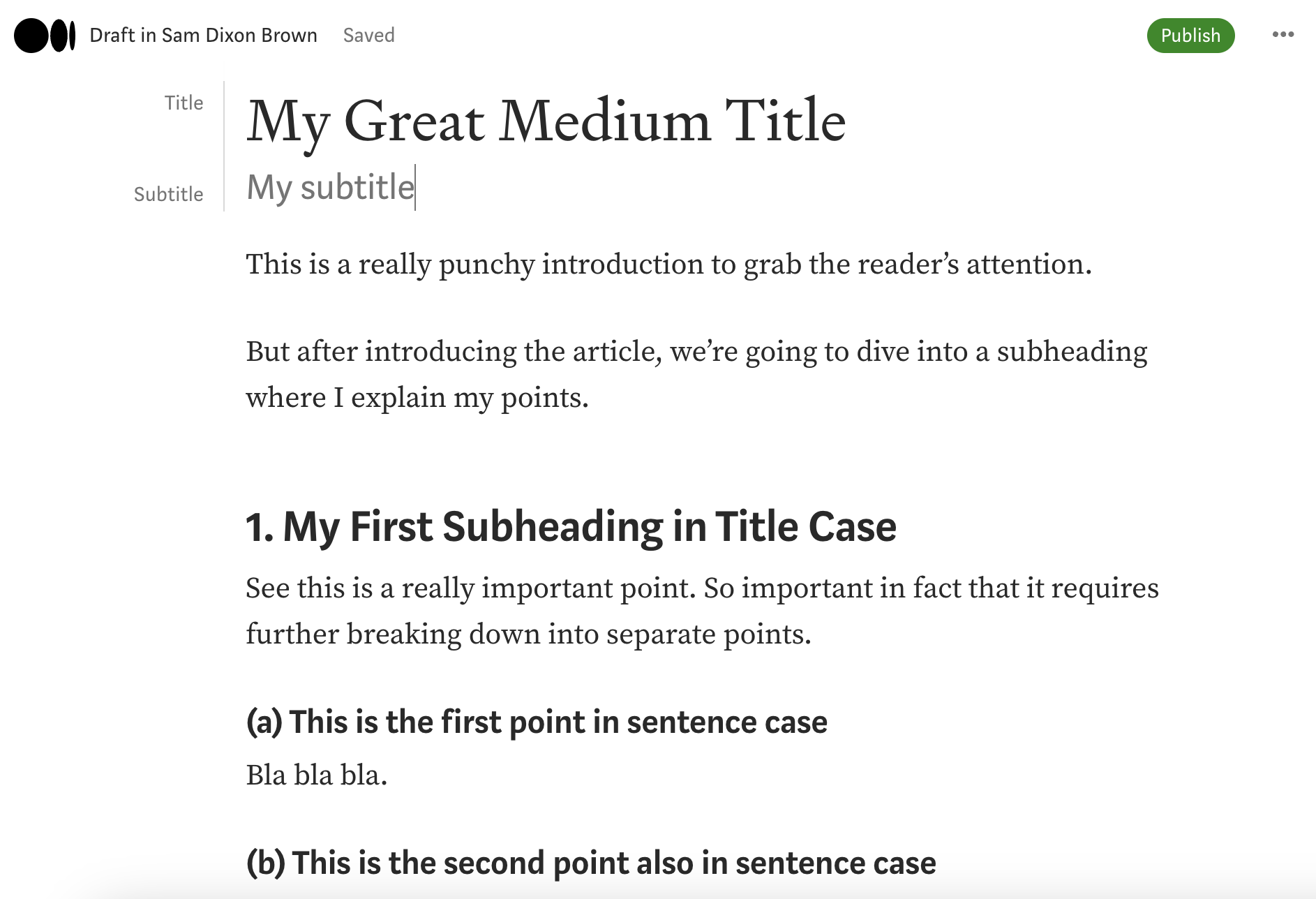
The Main Title and Subtitle Split
When a title features a main heading followed by a descriptive subtitle, separate them with a colon followed by a single space.
- Correct: Writing Clearly: A Guide to Modern Prose
- Incorrect: Writing Clearly - A Guide to Modern Prose
Under major style guides, the first word of the subtitle must always be capitalized, even if it is a minor word like "a" or "the," because it structurally follows terminal punctuation of the main clause.
Question Marks and Exclamation Points
If a title is inherently a question or an exclamation, include the corresponding punctuation mark inside the title structure. If the title itself is a statement, but the surrounding sentence is a question, place the question mark outside the title (though this construction should be avoided for clarity).
- Example: Have you read Are You There God? It's Me, Margaret?
Special Contexts: Academic Papers vs. Digital Content
Different writing environments enforce distinct expectations. Adapting your title formatting to your distribution medium is essential for compliance.
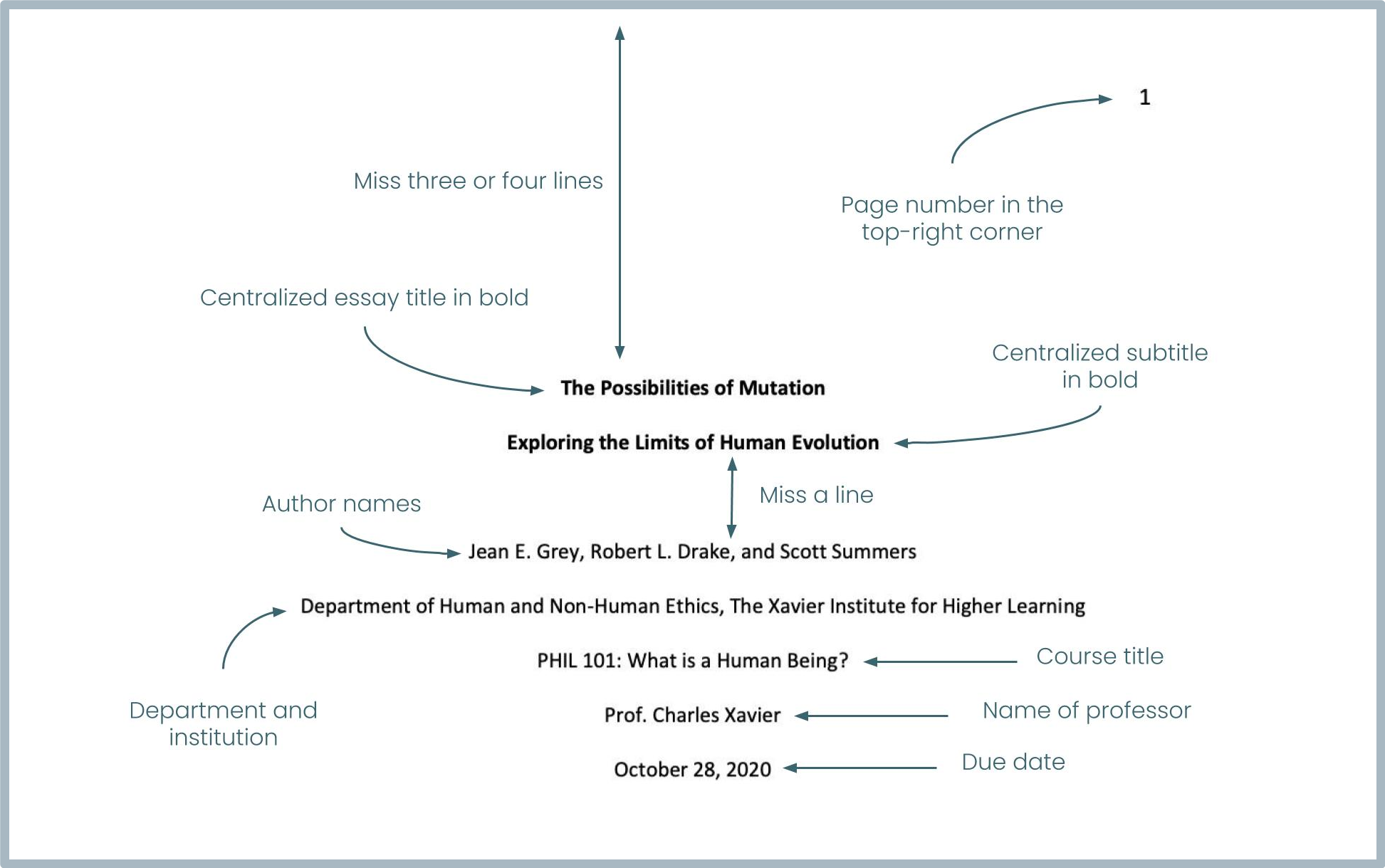
Academic and Research Papers
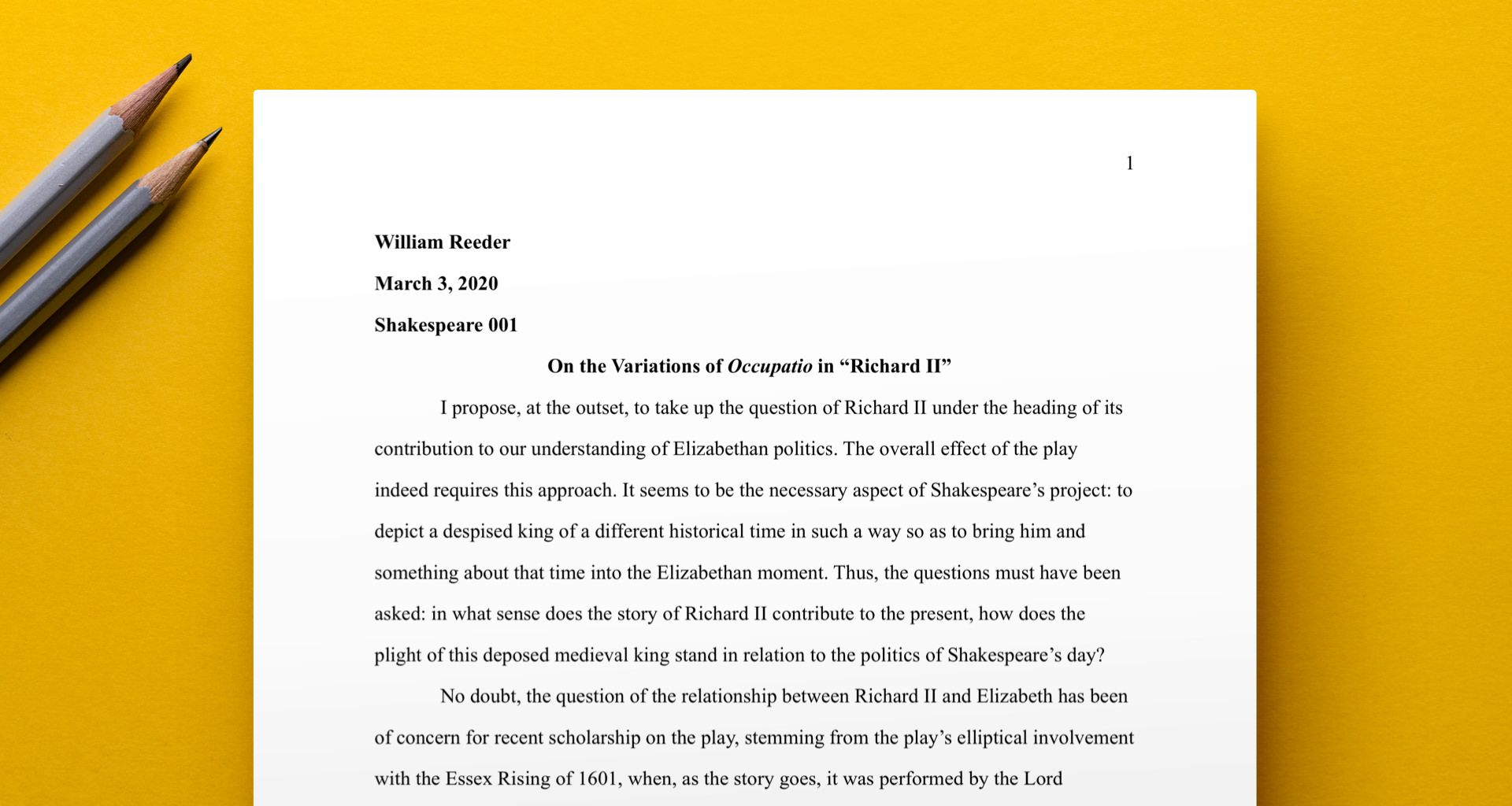
Academic papers submitted in APA or MLA format follow strict title placement and capitalization rules.
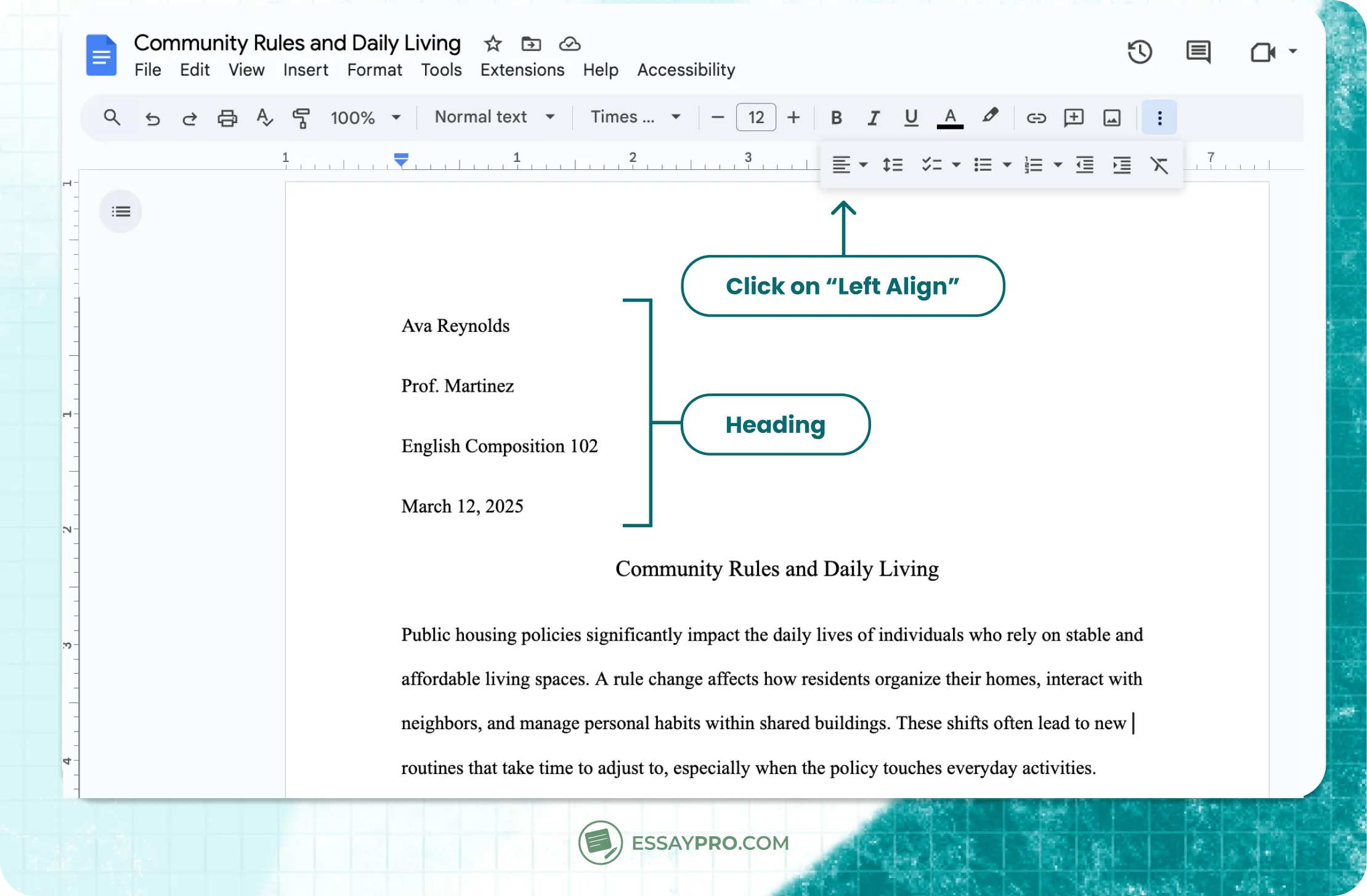
- Place the paper title centered on the title page, roughly one-third down from the top.
- Use double-spacing throughout.
- Do not place academic paper titles in quotation marks or italics unless they contain a reference to another published work.
Web Content and Search Engine Optimization (SEO)
Digital publishing prioritizes user experience and search engine visibility.
- Title Tags (HTML): Keep HTML
</code> tags between 50 and 60 characters to prevent truncation in search engine results pages.</li>
<li><strong>H1 Headings:</strong> The on-page H1 heading should clearly state the core topic. While it should follow standard headline capitalization rules, readability on mobile devices takes precedence over rigid academic pedantry.</li>
</ul>

<h2>Common Mistakes to Avoid</h2>
<ol>
<li><strong>Inconsistent Capitalization:</strong> Mixing CMOS rules with APA rules within the same document. Choose one style guide and apply it uniformly.</li>
<li><strong>Incorrect Micro/Macro Formatting:</strong> Putting a book title in quotation marks or an article title in italics. Remember: big things get italics; small things get quotes.</li>
<li><strong>Overusing Formatting:</strong> Avoid making entire titles bold, italicized, and underlined simultaneously in standard text bodies. Reserve bolding for headings and structural hierarchy.</li>
<li><strong>Misusing Hyphens in Subtitles:</strong> Using dashes, em-dashes without spaces, or commas instead of a clean colon to separate titles and subtitles.</li>
</ol>

<h2>Frequently Asked Questions</h2>
<h3>Do I italicize my own unpublished essay title?</h3>
<p>No. Unpublished works, such as your own essays, dissertations drafts, or personal notes, are generally rendered in plain text. Use italics only for published, standalone macro-works.</p>
<h3>How do I format a title within an already italicized title?</h3>
<p>When you must include the title of a standalone work inside another italicized title, reverse the typography for the internal title to roman (non-italicized) text to ensure it remains distinct. For example: <em>A Critical Study of The Great Gatsby</em>.</p>
<h3>Should prepositions like "With" or "Without" be capitalized?</h3>
<p>Yes. Prepositions with five or more letters (<em>without, through, under</em>) are universally capitalized across all major style guides. For shorter prepositions (<em>in, on, to</em>), consult your specific style guide (CMOS capitalizes none; APA and MLA lowercase those under four letters).</p>
<h3>How do I handle punctuation at the end of a title?</h3>
<p>Do not place a period at the end of a standalone title, subtitle, or heading. However, if the title ends with a question mark or exclamation point, retain that punctuation.</p>

<h2>Next Actions for Writers</h2>
<p>Before submitting your manuscript, research paper, or digital article, run a systematic check on your titles. Verify which style guide governs your output (such as APA 7th edition or the 19th edition of CMOS), cross-check your capitalization of interior words, and confirm that all macro-works and micro-works utilize the correct typography of italics or quotation marks. Consistency across all headings establishes immediate professional credibility.</p>
<p><strong>
Image Gallery