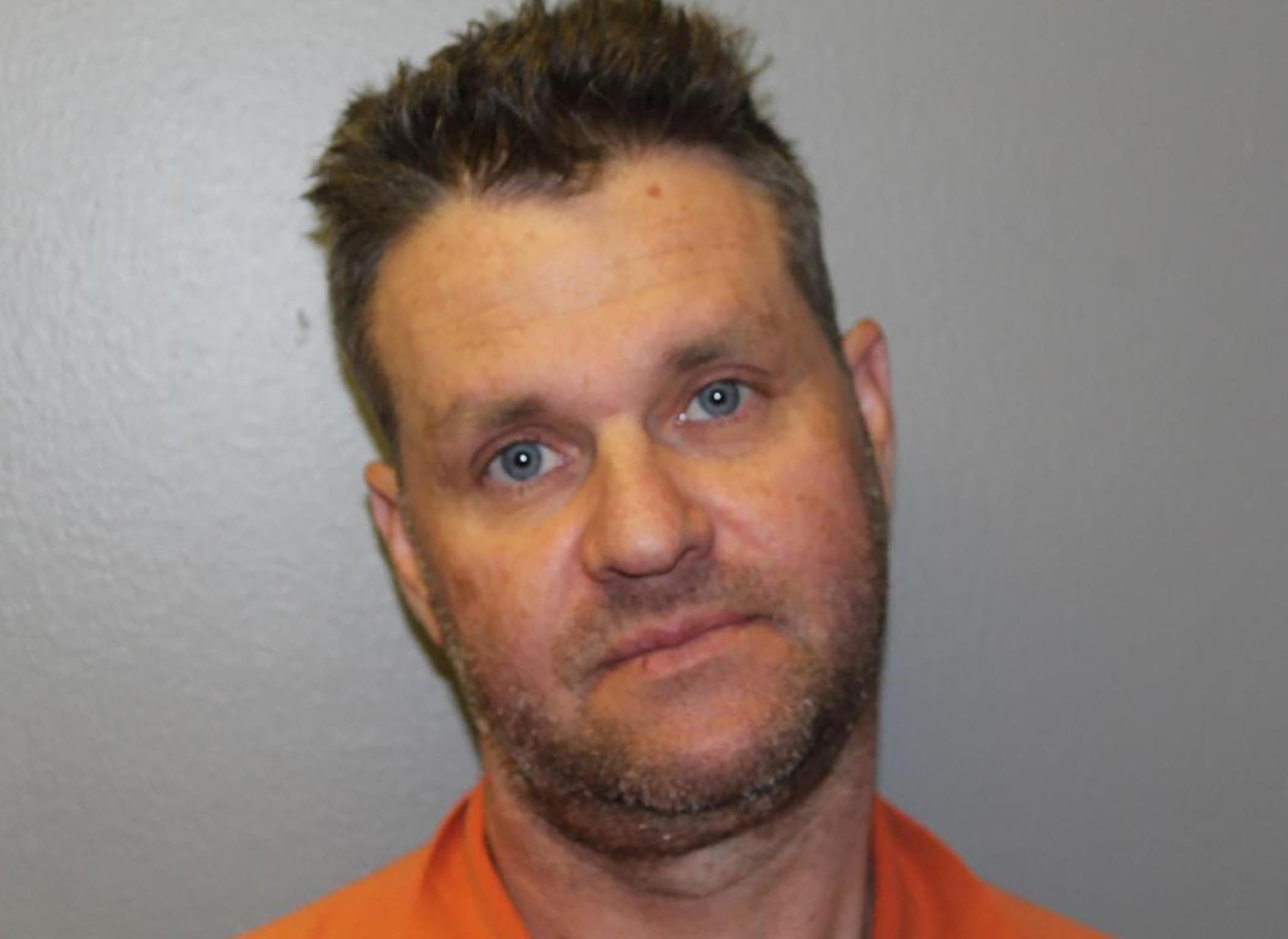
Understanding the Legal Context Behind Zachery Ty Bryan Charges
Zachery Ty Bryan, widely recognized for his former childhood acting role as Brad Taylor on the 1990s television sitcom Home Improvement, has faced a series of high-profile legal incidents and subsequent criminal charges over recent yea...
Zachery Ty Bryan, widely recognized for his former childhood acting role as Brad Taylor on the 1990s television sitcom Home Improvement, has faced a series of high-profile legal incidents and subsequent criminal charges over recent years. These legal developments encompass various jurisdictions, primarily involving allegations of domestic violence, driving under the influence, and contempt of court. Analyzing these legal proceedings requires examining the public record, court filings, and official statements from law enforcement agencies to understand the nature of the offenses, the judicial outcomes, and the broader implications of repeat offenses within the legal system.
Contents
Background and Early Career Context
To understand the trajectory of the public scrutiny surrounding Zachery Ty Bryan, it is necessary to look briefly at his transition from child stardom to adult life. Rising to prominence during the eight-season run of Home Improvement alongside Tim Allen, Bryan worked consistently in television and film throughout the 1990s and early 2000s. Following the conclusion of the series, his career shifted away from mainstream acting toward production, entrepreneurship, and various business ventures. However, over the past decade, public interest shifted away from his entertainment career and toward a series of arrests and legal cases that entered the public sphere through police reports and court dockets in states such as California and Oregon.
Overview of Major Legal Incidents and Arrests
The legal challenges involving Zachery Ty Bryan span multiple years, involving distinct incidents handled by municipal and county law enforcement agencies. Each case introduced specific misdemeanor and felony allegations that moved through the judicial process via arraignments, plea agreements, and sentencing hearings.
The 2020 Domestic Dispute in Oregon
The first widely publicized major legal incident occurred in October 2020 in Eugene, Oregon. Police officers responded to a report of a physical dispute at a residence. Upon arrival, law enforcement detained Bryan following allegations involving domestic assault against an adult victim.
- Initial Charges: The initial police report and subsequent prosecutor filings included felony strangulation, fourth-degree assault, and coercion.
- Legal Resolution: In an agreement reached in an Oregon court, Bryan pleaded guilty to reduced charges—specifically, menacing and physical harassment constituting domestic violence.
- Sentenced Terms: The court sentenced him to three years of probation, alongside mandatory completion of a batterer intervention program.
The 2023 Enforcement Action in Lane County, Oregon
Probation terms and ongoing compliance monitoring play a critical role in domestic violence sentencing structures. In July 2023, Bryan faced further law enforcement intervention in Lane County, Oregon, resulting in additional criminal allegations.
- Allegations: Law enforcement arrested Bryan following an investigation into another alleged domestic violence incident involving the same victim from the 2020 case.
- Charges Filed: Prosecutors charged him with fourth-degree felony assault (fourth-degree assault with prior convictions or aggravating factors depending on statutory definitions).
- Guilty Plea and Sentence: Bryan subsequently entered a guilty plea to felony assault in the fourth degree (constituting domestic violence). In February 2024, a judge sentenced him to a term of incarceration in a local correctional facility, followed by supervised probation.
The 2024 Driving Under the Influence (DUI) Arrest
In addition to domestic disputes, Bryan encountered legal scrutiny related to traffic offenses and substance-related driving charges. In October 2024, law enforcement agencies arrested him in Oklahoma for driving under the influence.
- Context: Reports from local authorities indicated that officers initiated a traffic stop, leading to field sobriety assessments and a subsequent arrest.
- Legal Status: DUI offenses typically trigger administrative driver’s license suspensions and municipal or county court appearances, representing a separate legal track from his Oregon probation matters.
Summary of Major Legal Proceedings
The following table summarizes the primary legal incidents, jurisdictions, charges, and outcomes associated with Zachery Ty Bryan based on public court records.
| Incident Date | Jurisdiction | Primary Allegations / Charges | Judicial Outcome / Status |
|---|---|---|---|
| October 2020 | Eugene, Oregon | Felony Strangulation, Assault, Coercion | Pleaded guilty to menacing and harassment; sentenced to probation. |
| July 2023 | Lane County, Oregon | Fourth-Degree Felony Assault | Pleaded guilty; sentenced to incarceration and supervised probation. |
| October 2024 | Oklahoma | Driving Under the Influence (DUI) | Arrested and processed through local municipal/county courts. |
Legal and Procedural Implications of Domestic Violence Cases
Navigating criminal charges involving domestic violence involves strict evidentiary standards, mandatory reporting protocols, and specialized judicial oversight. When an individual violates probation terms—such as failing to complete mandated counseling programs or incurring new criminal offenses—prosecutors frequently file motion-to-revoke-probation actions.
- Probation Violations: New arrests during an active probationary period trigger separate legal proceedings to determine whether the defendant violated the terms of their release, potentially activating suspended prison sentences.
- Mandatory Intervention Programs: Jurisdictions across the United States typically require individuals convicted of domestic violence offenses to complete certified batterer intervention programs designed to address behavioral patterns.
- Statutory Enhancements: Prior convictions for domestic abuse often elevate subsequent misdemeanor charges to felony classifications under state statutes, increasing potential incarceration times.
Public Response and Media Coverage
The legal troubles of Zachery Ty Bryan have generated significant coverage across entertainment news outlets, mainstream media, and legal commentary platforms. Because public figures occupy a visible role in society, their legal proceedings frequently spark broader discussions regarding accountability, domestic violence awareness, and the resources available to victims of abuse. Media reporting on these cases relies primarily on verified police affidavits, court docket updates, and statements released by district attorney offices.
Frequently Asked Questions
What are the primary criminal charges Zachery Ty Bryan has faced?
Bryan has faced multiple criminal charges, most notably felony assault and menacing stemming from domestic disputes in Oregon, alongside a driving under the influence (DUI) arrest in Oklahoma.
Has Zachery Ty Bryan served jail time for his offenses?
Yes. Following his guilty plea to felony assault in Lane County, Oregon, a judge sentenced him to a period of incarceration in a correctional facility, followed by supervised probation.
What happened to his career following these legal incidents?
Bryan has largely stepped away from mainstream acting and high-profile entertainment projects, focusing instead on private ventures while managing ongoing legal obligations and court-mandated probation terms.
How does probation work in domestic violence cases?
Probation requires the offender to adhere to strict conditions, which often include refraining from unlawful behavior, attending counseling or batterer intervention classes, avoiding contact with protected parties, and submitting to regular check-ins with a probation officer. Violating these terms results in immediate court hearings and potential prison sentences.
Conclusion and Next Legal Actions
The legal record concerning Zachery Ty Bryan demonstrates how repeated offenses intersect with active probation mandates and local prosecutorial discretion. As these cases conclude through plea agreements and sentencing guidelines, the primary focus remains on judicial compliance, mandatory counseling fulfillment, and adherence to state laws governing public safety and domestic relations. Readers tracking these developments can consult public county court dockets in Oregon and Oklahoma for verified minute orders and official case filings.
Image Gallery